Last updated November 17, 2026




Free written scope consultation - allowances, timeline, and change-order rules on paper before a single trade is scheduled
How Long Does General Contractor Take? Timelines and What to Expect
Miami-Dade County’s building department runs 15 to 30 business days on standard permit review. That number almost never appears on the schedule a contractor hands you when you sign for a kitchen gut and redo. Which is why a six-week promise quietly becomes a four-month reality. Here’s the part most homeowners never hear until they’ve already moved the furniture out. This guide builds a general contractor timeline the way a Coral Gables project actually runs: permitting windows, inspection hold days, and hurricane-rated material lead times counted in from the start, not bolted on as a footnote. You’ll learn what a realistic schedule includes and how to read one.
Quick Answer
A typical whole-home remodel in Miami-Dade runs 4 to 8 months of active construction, and a moderate kitchen remodel runs 8 to 14 weeks. Both ranges assume permit review (15 to 30 business days), inspection holds, and material lead times are scheduled from day one. A contractor who quotes a smaller number without those phases is quoting the construction, not the project.
Styles & brands we work with
- Kitchen remodeling
- Bathroom remodeling
- Home additions & ADU
- Roofing
- Windows & doors
- Driveway & pavers
- Fence
Table of Contents
- The Real Phase-by-Phase Timeline
- The Miami-Dade Permitting Queue, Priced In
- How Inspection Scheduling Actually Works
- Material Lead Times: Impact Windows and Doors
- What a Written Project Schedule Must Include
- How to Read a Schedule of Values and Gantt Chart
- What Squared Away Looks Like at Job Close
- Common Mistakes to Avoid
The Real Phase-by-Phase Timeline
A general contractor timeline is not one number. It’s a stack of phases, each with its own duration and its own dependencies. In our experience across general contracting in Coral Gables, homeowners are less surprised by construction time than by the planning that happens before demolition. See the full breakdown below.
- Design and plans (2 to 6 weeks). Selections, drawings, and engineering. Impact glazing and any structural changes need drawings a plan reviewer will accept.
- Permit submission and review (15 to 30 business days). Standard plan review in Miami-Dade. Complex scopes or plan-review comments push the upper end.
- Mobilization and demo (3 to 7 days). Site protection, then tear-out. This is when surprises behind the wall surface, and they get their own delay line.
- Rough-in (2 to 4 weeks). Framing, electrical, plumbing, and HVAC – what the trade calls rough-in, meaning the concealed work that gets covered up later.
- Rough inspections (1 to 2 weeks of hold time). You don’t control the calendar here. The county does.
- Finishes (3 to 6 weeks). Drywall, cabinetry, surfaces, tile, fixture set, paint.
- Final inspection and punch list (1 to 3 weeks). Close-out items, then the final sign-off.
Stack those, and a Coral Gables kitchen lands at 8 to 14 weeks of active construction on top of the permitting window. A whole-home remodel in Coral Gables, where the housing stock includes 1920s Mediterranean Revival homes with their own quirks, runs longer. Old walls, older wiring, and non-standard framing add real days.
The Miami-Dade Permitting Queue, Priced In
The permitting queue is the single biggest source of timeline failure we see. Miami-Dade’s building department currently runs 15 to 30 business days on standard residential plan review. A contractor who promises a six-week kitchen ignores that. A contractor who prices it in gives you a schedule that holds.
- Standard review: 15 to 30 business days. The baseline. Never assume faster.
- Plan-review comments: Each round of corrections adds a full re-review window. Two rounds is common on remodels that move walls or touch structure.
- Post-hurricane-product submittals: Impact-rated windows and doors require product approval documentation. Missing paperwork restarts the clock.
- Coral Gables-specific: The city’s own code overlays and historic-district considerations can add review layers on homes in the older sections of Coral Gables. Confirm early whether your address sits in an overlay district.
The takeaway is simple. Ask your contractor to show you the permit-review assumption in writing, as a number of business days, with the submission date. If there isn’t one, the schedule is a guess.
How Inspection Scheduling Actually Works
Inspections don’t happen the day the work is ready. They happen when you can get on the inspector’s calendar, and there’s no guarantee the first one passes. A failed inspection is not a catastrophe. It’s a scheduled cost, and a smart schedule accounts for it.
Miami-Dade inspection scheduling works like this: you request an inspection after each covered phase passes, the county assigns a window, and the inspector either signs off or issues a correction notice. Each failed inspection adds 5 to 10 business days minimum – the correction itself, the re-request, and the new window. Rough inspections for framing, electrical, plumbing, and mechanical each get their own pass. A single missed detail, like a missing nail plate or an improperly supported pipe, can fail one and hold the whole job.
Why this matters in Coral Gables: the older housing stock means surprises. A remodel that opens a wall and finds knob-and-tube wiring, corroded cast-iron drain lines, or a header that doesn’t match the drawings will need a permit revision. That’s an honest, unavoidable delay – and the difference between a contractor who priced it in and one who tells you about it after.
Material Lead Times: Impact Windows and Doors
Hurricane-rated products are the quiet schedule killer in South Florida. Impact-rated windows and doors run 8 to 14 weeks from order. That’s not a guess; it’s the reality on most premium lines. PGT products, for example, move on that kind of timeline when you’re ordering custom sizes for a Coral Gables home with non-standard openings.
Order timing is everything. Impact windows must be ordered at or before permit submission – not after rough-in, and never after rough-in. A contractor who orders after the walls are open has already lost the schedule. By the time demolition finishes, the eight-to-fourteen-week clock is still running.
- Standard sizes: Often faster, but Coral Gables’ older homes rarely have standard openings.
- Custom impact glazing: 8 to 14 weeks. Lock it in early.
- Exterior doors (Therma-Tru or similar): Order alongside windows. These don’t sit on a shelf waiting for you.
- Roofing material (GAF or Atlas shingles, Boral and Tamko products): Generally shorter lead times, but specialty products and colors can slip.
Here’s the practical rule: any product with a manufacturer spec sheet and a warranty comes with a lead time. Ask for it in writing, and ask when it gets ordered.
What a Written Project Schedule Must Include
A verbal schedule isn’t a schedule. A written one is enforceable, and a well-built written schedule contains four specific elements. If yours is missing any, you have a rough estimate, not a plan.
- A start date. A real date, not “two to three weeks out.” “Two to three weeks” is a moving target from the first day.
- Milestone dates. Permit submission, permit approval, demolition, rough-in complete, rough inspections passed, finishes complete, final inspection. Each gets a calendar date.
- A completion date. A specific date, written down.
- Delay definitions. Exactly what counts as a legitimate delay and who bears the cost. Weather, permit comments, missed inspections, material backorders – spelled out, not implied.
This is where The Garrison Standard matters. It’s the framework behind every Bradford Remodeling project, and it means a written price before any work starts, every time. We extend the same discipline to the schedule: milestone dates, completion dates, and delay definitions in writing, reviewed with you before demolition. Our technicians have up to 22 years of experience, and in that experience, the schedule is the first thing to fail when it isn’t documented.
How to Read a Schedule of Values and Gantt Chart
You can tell if a project is behind before your contractor tells you. Two tools make that possible: the Gantt chart and the schedule of values.
A Gantt chart is a horizontal calendar where each task has a bar. Read it left to right: the bar’s start and end tell you when a phase is planned. The trick is the dependencies – the arrows linking one task to the next. When demolition slips three days, look at what’s downstream. Cabinetry install probably moves three days too. If you’re in the middle of a Coral Gables kitchen and the rough-in bar hasn’t started by its planned date, the project is behind, regardless of what anyone says.
A schedule of values is the financial counterpart – it assigns a dollar amount to each phase. Percentage-complete tracks money spent against work done. If 40 percent of the schedule of values has been billed but only the framing is up, ask questions. That’s the early warning you want.
- Check weekly: Planned start vs. actual start for each phase.
- Watch dependencies: A slip in one bar pushes everything downstream.
- Match money to work: Percentage billed should track percentage complete.
- Ask about permit dates: If permit approval was planned for week 4 and it’s week 6, the timeline is already broken.
When you’re ready to build a schedule that holds, bathroom remodeling in Coral Gables is a good place to see the same discipline in a smaller scope.
What Squared Away Looks Like at Job Close
“Squared away” means a clean site, a documented scope, and a signed written guarantee in your hand. Every Bradford project ends the same way: the site is clean, the scope matches the permit and the contract, and you hold the 365-Day Done Right Promise – a written guarantee that runs a full year after completion. If anything we installed fails within that window, Bradford Remodeling returns and corrects it at no charge.
The materials are documented, too. We work with KraftMaid and Wellborn cabinetry, Cambria and Caesarstone surfaces, Kohler and Moen fixtures, GAF and James Hardie exterior products, Therma-Tru doors, and Belgard hardscaping, among others. That matters for timelines: manufacturer specs and warranties mean a product’s lead time and installation sequence are traceable, not guessed. Compare a well-scheduled kitchen remodeling in Coral Gables with the plan on paper, and you can see the difference.
Common Mistakes to Avoid
- Accepting a schedule without permit-review days. If the written schedule jumps from submission straight to demo, it’s fictional. Miami-Dade runs 15 to 30 business days, every time.
- Ordering impact windows after demolition. Impact-rated windows run 8 to 14 weeks. Order before or at permit submission, or the schedule collapses.
- Treating a failed inspection as a one-off. In Coral Gables’ older homes, surprises are normal. Each failed inspection adds 5 to 10 business days. Build two into the plan.
- Working from a verbal completion date. A date you can’t point to on paper isn’t a date. Get it in writing, with delay definitions.
- Ignoring the schedule of values. Billing ahead of work is a red flag. Know what percentage-complete should look like.
- Skipping the historic-overlay check. Some older Coral Gables addresses face additional review layers that reset the permit clock.
- Starting without a signed guarantee term. Our 365-Day Done Right Promise is written into every project. Ask any contractor exactly what their guarantee covers and for how long.
See the difference
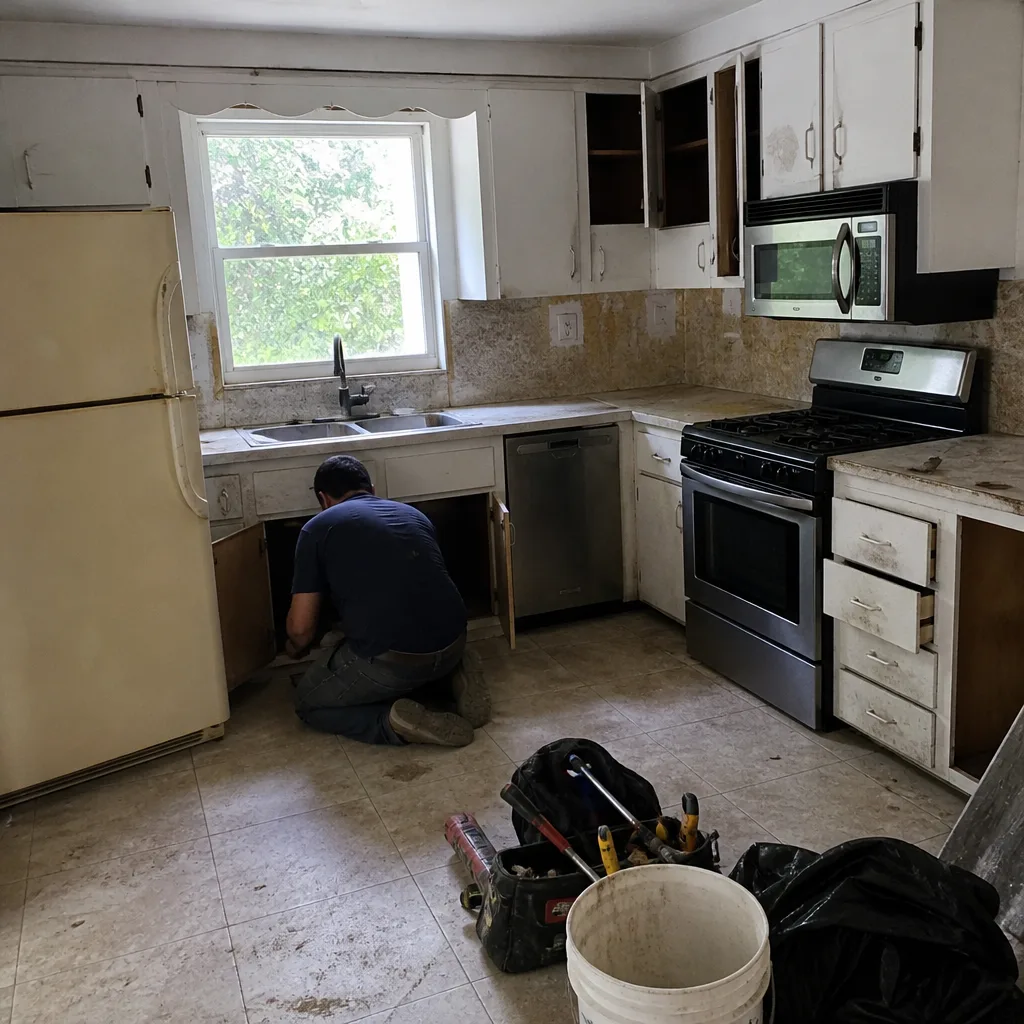 Before
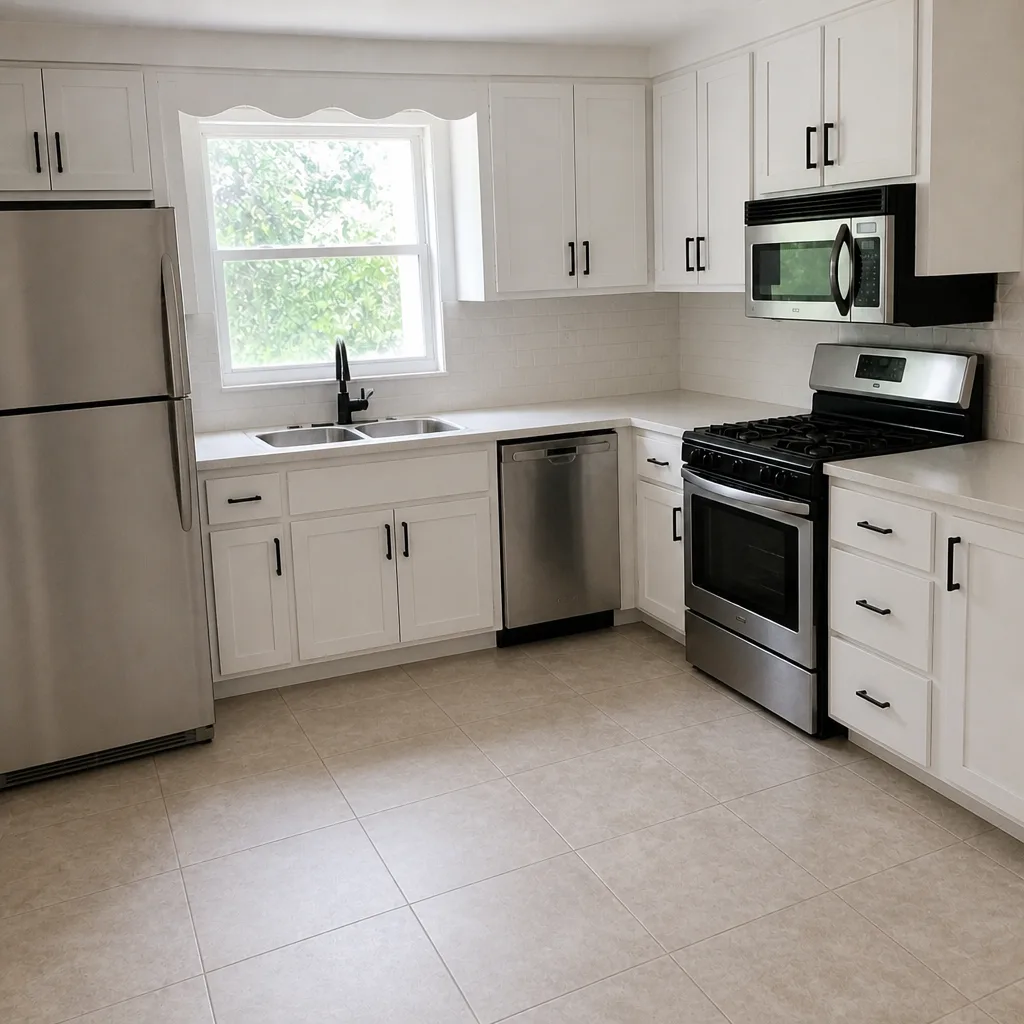 After
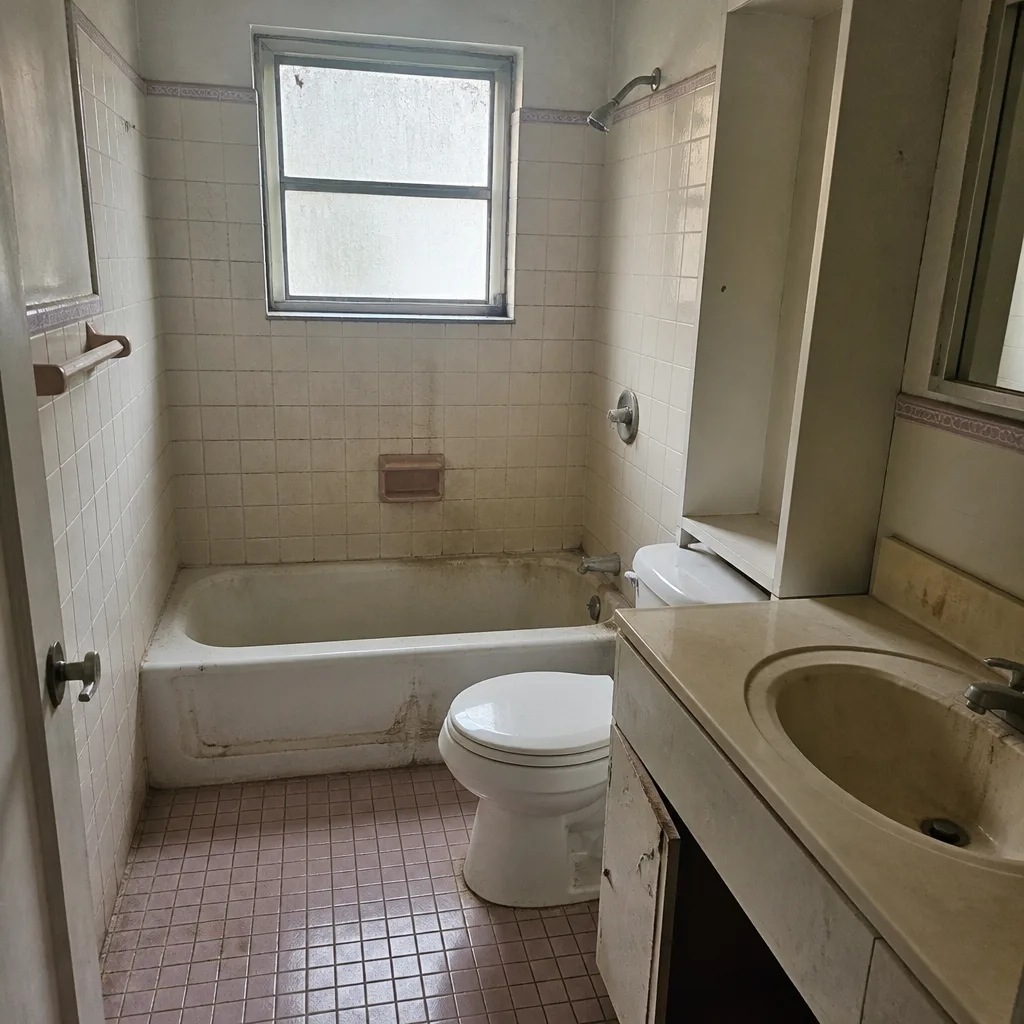 Before
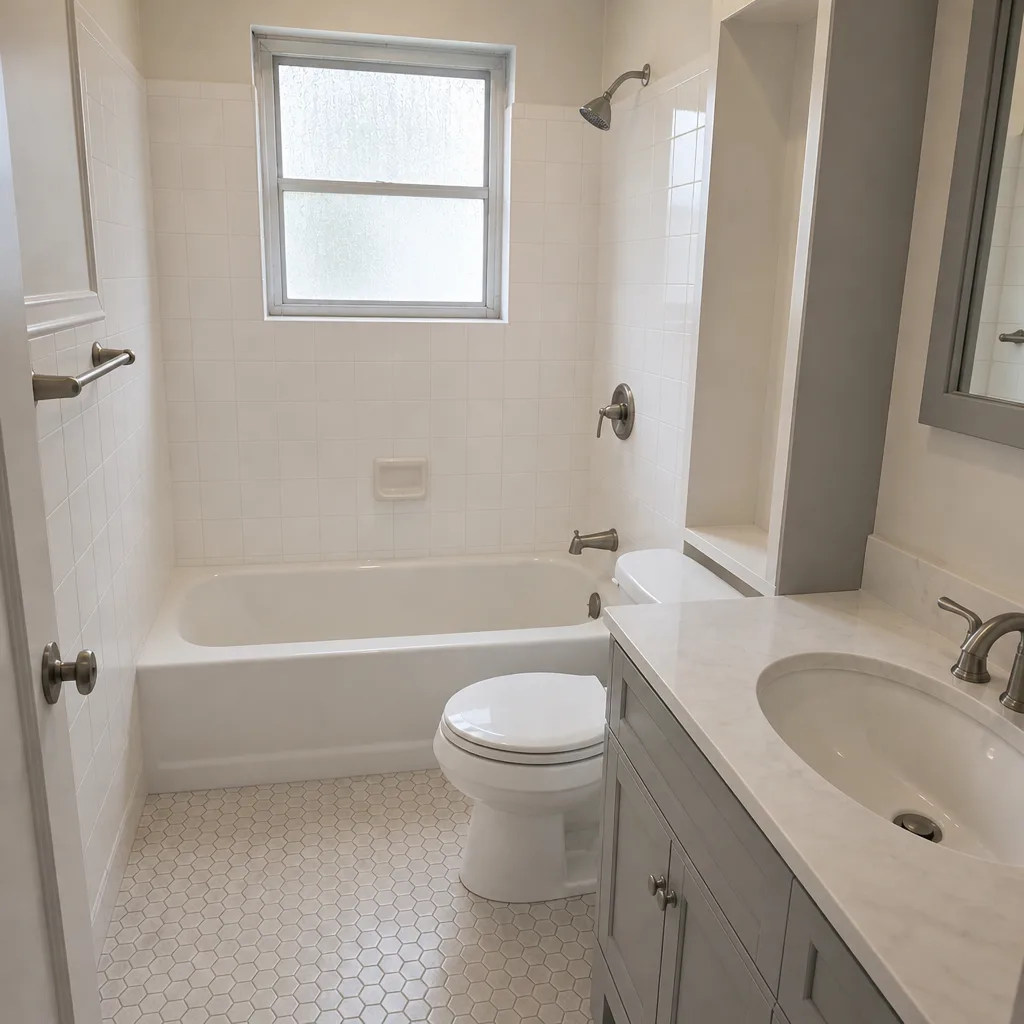 After
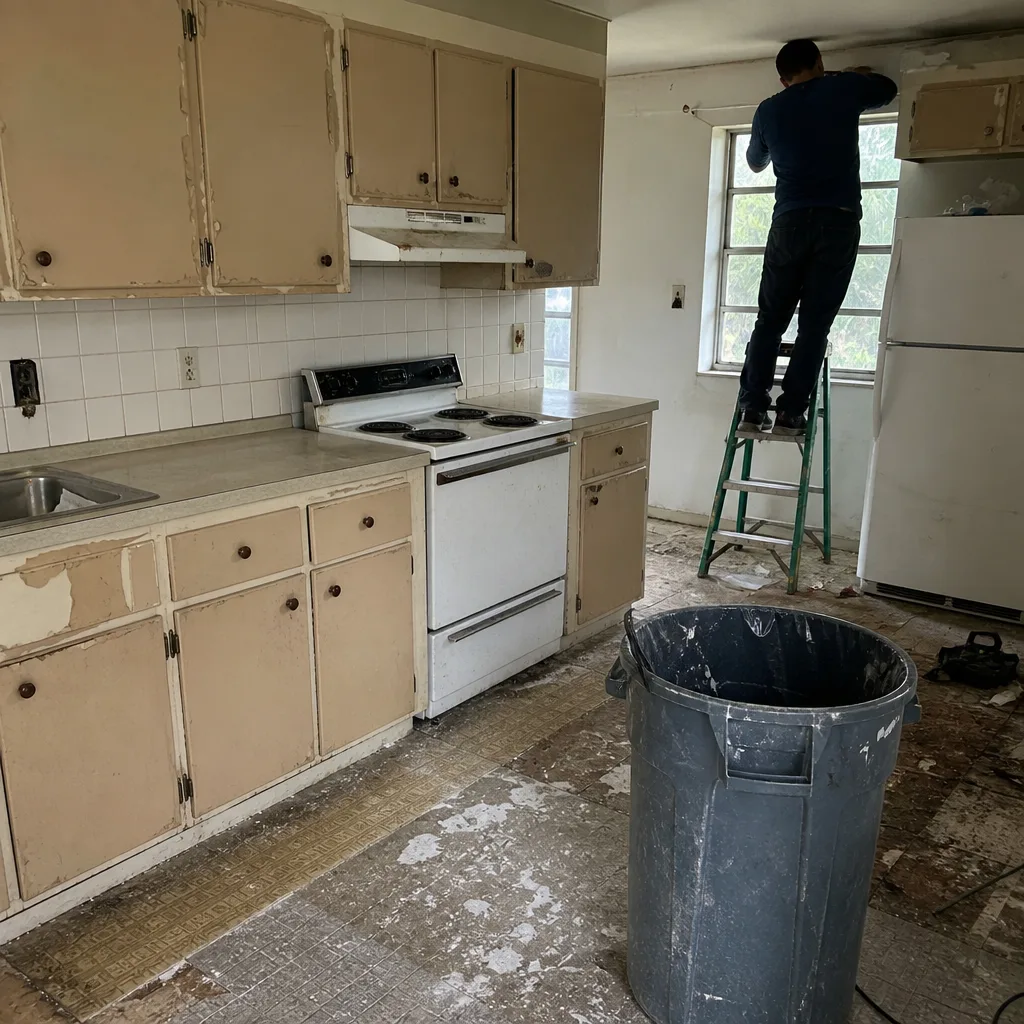 Before
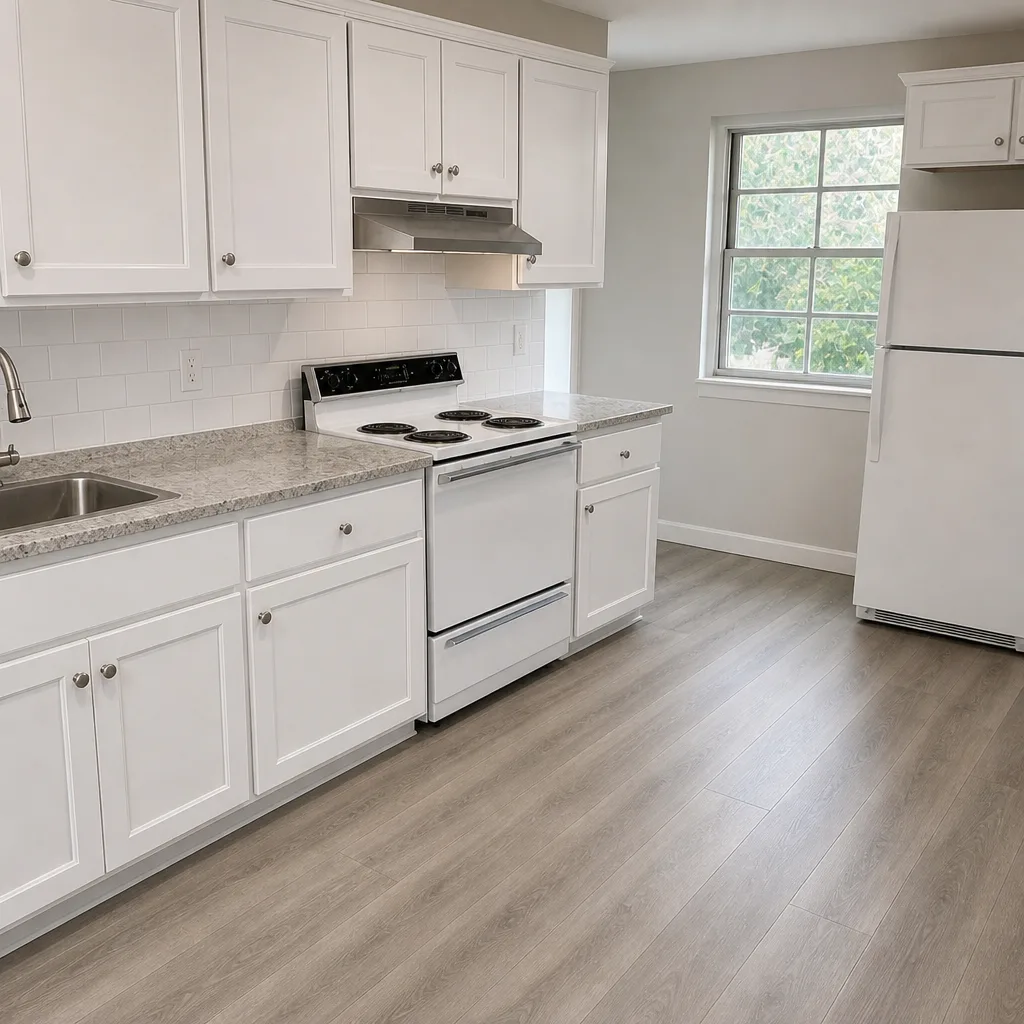 After
When to Call a Professional
Call a professional when your project involves permitting, structural work, electrical, plumbing, or impact-rated products – which covers most remodels. Coral Gables code, Miami-Dade inspections, and hurricane-rated specifications are not a DIY scope. Call them at once when a contractor quotes you a timeline without permit-review days, orders windows after demo, or can’t produce a written schedule of values, start date, and delay definitions. Those gaps turn into months. Bradford Remodeling Co Coral Gables offers free estimates in Coral Gables – call (833) 510-5367 to put a real schedule on paper before you sign anything.
Frequently Asked Questions

A moderate kitchen remodel in Miami-Dade typically runs $45,000 to $90,000; a whole-home remodel runs $150,000 to $400,000 or more depending on square footage and scope. Those ranges assume the project is scheduled with permit, inspection, and material lead times built in. The price and the timeline move together – a cheap bid that ignores both is a future problem. Call us for an exact quote – estimates are free.
Because many schedules leave out permitting, inspections, and material lead times. Miami-Dade plan review runs 15 to 30 business days, each failed inspection adds 5 to 10, and impact windows take 8 to 14 weeks. A schedule that accounts for all three is the honest one. Call (833) 510-5367 for a written schedule you can compare.
Only if something in the delay definitions triggers a change – and those are written down before work begins. Hidden conditions (old wiring, cast-iron drains) are the usual cause. A properly written schedule defines exactly what counts as a delay and who bears the cost. Call us to see it on paper first.
Yes. Permit submission and tracking are part of the schedule, with the review window priced in from the start. The schedule shows the submission date and the expected approval date. Questions about your property? Call (833) 510-5367.
A kitchen remodel runs 8 to 14 weeks of active construction; a whole-home remodel runs 4 to 8 months, both on top of the permitting window. Your written schedule will show a start date, milestone dates, and a completion date. Call us for a free estimate with the full schedule attached.
It covers the work for a full year after completion. If anything we installed fails within that window, we come back and correct it at no charge. It’s a written guarantee, not a verbal one. Call (833) 510-5367 to review it before you sign.
The Bottom Line
Contractor timelines fail because they leave out the parts homeowners can’t see: the Miami-Dade permit queue, inspection hold days, and 8-to-14-week lead times on impact products. Price those in and the timeline holds. A written schedule with a start date, milestone dates, a completion date, and delay definitions is your protection – and a schedule of values and a Gantt chart let you spot a slip before anyone announces it. Bradford Remodeling Co Coral Gables builds that discipline into every project, backed by The Garrison Standard and the 365-Day Done Right Promise. Call (833) 510-5367 for a free estimate in Coral Gables.
Written by the team at Bradford Remodeling Co Coral Gables.