Last updated November 17, 2026

Free written scope consultation - allowances, timeline, and change-order rules on paper before a single trade is scheduled
How Long Does Home Remodeling Take? Timelines and What to Expect
The average kitchen remodel in South Florida runs 6 to 8 weeks longer than the contractor’s original timeline. Not because of bad luck. Because the schedule handed to you at signing never included the Miami-Dade permit queue, the cabinetry lead time, or the electrician who shows up three days after the drywall crew. We’ve watched homeowners in Coral Gables sign contracts with a single round number on them – “six weeks,” “three months” – and then spend the next quarter chasing answers. This guide teaches you to read a schedule before you sign one, so the number you agree to is the number you actually live through.
Quick Answer
A bathroom remodel typically takes 3 to 5 weeks, a kitchen runs 8 to 14 weeks, and a whole-home remodel runs 20 to 32 weeks from contract to final walkthrough. The contractor’s build time is only part of that number. In Coral Gables and the rest of Miami-Dade, permit review alone can add 3 to 10 weeks before demolition even starts, and cabinet and window lead times add several weeks more. A realistic timeline is a written schedule with permit milestones, trade sequencing, and float days built in.
Styles & brands we work with
- Kitchen remodeling
- Bathroom remodeling
- Home additions & ADU
- Roofing
- Windows & doors
- Driveway & pavers
- Fence
Table of Contents
- How Long Does the Miami-Dade Permit Process Add to Your Timeline?
- Trade Sequencing: Why One Late Sub Can Wreck a Schedule
- Material Lead Times by Category – and What to Order First
- What a Real Written Schedule Contains (and What Most Contracts Don’t)
- Red Flags in a Contractor’s Timeline
- Typical Timelines by Project Type
- What Makes Coral Gables Projects Run Differently
How Long Does the Miami-Dade Permit Process Add to Your Timeline?
For most residential remodels in Coral Gables and unincorporated Miami-Dade, plan review takes roughly 3 to 6 weeks for a straightforward kitchen or bathroom permit. If the scope touches structural walls, adds square footage, or requires a notice of commencement and multiple trades, expect 6 to 10 weeks. Those numbers are not fixed. They shift with the county’s caseload, with how complete your drawings are, and with whether the reviewer sends comments back and requires a revision cycle – a single resubmittal can add two to three weeks by itself.
The part most homeowners never hear at signing: review time is not build time. It runs in parallel with nothing. Demolition cannot legally start until the permit is issued, so those weeks sit in front of your whole project. A contractor who quotes “eight weeks” for a Coral Gables kitchen without accounting for the permit queue is either guessing or hoping you won’t check.
What actually helps compressed timelines:
- Complete, code-ready drawings submitted the first time. Missing detail on a kitchen electrical plan is the single most common cause of a comment-and-resubmit cycle.
- Impact-window and exterior changes pulled on a separate permit if the timing works, so the interior permit doesn’t stall behind them.
- Scheduling material orders during the review window rather than after it. More on this below.
Because the permit queue is fixed government time, the smarter move is to use it. Order cabinets the week your drawings go in, not the week construction starts. If you want a straight read on how that sequencing works for a kitchen, our Kitchen Remodeling in Coral Gables page walks through the front-end order of operations.
Trade Sequencing: Why One Late Sub Can Wreck a Schedule
A remodel is not a stack of independent tasks. It’s a chain of dependencies, and each trade waits on the one before it. Electrical rough-in – the wiring run through open walls before they’re closed – has to be inspected and signed off before drywall goes up. If the electrician runs three days late, the drywall crew pushes to the next available slot, and if that slot is a week out, you’ve lost a week. A late sub in week two can cascade into a late finish in week nine.
Here’s the standard order for a typical interior kitchen or bathroom remodel:
- Demolition and debris removal.
- Framing adjustments and any structural work.
- Plumbing rough-in (new supply and drain lines).
- Electrical rough-in and low-voltage wiring.
- Mechanical/ventilation rough-in if required.
- Rough-in inspections by the county.
- Insulation and drywall.
- Cabinetry and countertop template.
- Tile, flooring, and finish carpentry.
- Fixture and appliance installation.
- Final inspections and walkthrough.
Take countertops. After cabinets go in, the countertop fabricator templates the actual installed boxes. With a natural or engineered stone like Cambria, fabrication and installation typically run 2 to 3 weeks after template. That window is real and unavoidable, so a schedule that doesn’t name it is one built from optimism. A disciplined schedule shows each trade’s start date, its dependency on the trade before it, and a few days of float – buffer time held in reserve – so a two-day slip doesn’t become a two-week one.
Material Lead Times by Category – and What to Order First
The biggest schedule variable homeowners underestimate is product lead time. Your crew can be squared away and still stand around waiting on a door. Order long-lead items the moment your design is locked, ideally before permit approval, because most suppliers let you hold a delivery date. In our experience with Coral Gables homes, here’s where the weeks actually go:
- Custom cabinetry: 6 to 12 weeks from order to delivery. Semi-custom lines like KraftMaid or Wellborn run 4 to 8 weeks; fully custom runs longer. This is the longest single item on most kitchen jobs.
- Impact windows and doors: 8 to 16 weeks. Miami-Dade’s product-approval requirements mean your windows must carry the correct impact rating, and that can narrow your selection and lengthen the order. Therma-Tru doors and impact-rated glazing are not stock items.
- Countertops: 2 to 3 weeks after template for fabricated Cambria or Caesarstone slabs, longer if the slab you want isn’t in local inventory.
- Custom tile: 3 to 8 weeks depending on whether it ships from domestic stock or overseas. Order one extra box for cuts and future repairs.
- Plumbing fixtures: 1 to 3 weeks for standard Kohler, Moen, or Toto models; 4 to 6 weeks for special-order finishes.
- Hardwood or specialty flooring: 2 to 4 weeks, plus 3 to 5 days on site to acclimate to South Florida humidity before installation.
That acclimation point matters. Wood and engineered flooring needs to sit in the conditioned space to reach equilibrium with the indoor moisture, or it will cup and gap after installation. A schedule that installs flooring the day it’s delivered is a schedule written by someone who hasn’t done this in a humid climate.
What a Real Written Schedule Contains (and What Most Contracts Don’t)
Most contracts give you a single number: “substantial completion in 60 days.” That’s not a schedule. It’s a promise with no structure behind it, and it gives you nothing to check progress against. A real written schedule is a document, and it should be handed to you before work starts – the same way a written price is. Under The Garrison Standard, Bradford puts every price and every guarantee in writing before a single tool comes out. A schedule belongs in that same packet.
A schedule you can actually hold a contractor to includes:
- Dated milestones – permit submitted, permit issued, demo complete, rough-in inspection passed – each with a target date, not just a duration.
- Dependencies – the note that countertop template happens after cabinet install, not a floating task on the list.
- Float days – buffer built into the calendar so a normal two-day hiccup doesn’t move the finish date.
- Owner-decision deadlines – the date by which you must pick tile or hardware, because late selections are a leading cause of delays the contractor can blame on you.
- Inspection and permit windows – county inspections called out as calendar items, not items that magically happen.
- Long-lead order dates – the day cabinets and windows get ordered, flagged.
If your contract has a completion number but no dated milestone list, ask for one. If the answer is a shrug, that’s information. While you’re comparing schedules, it’s also worth reading how a whole-home scope gets phased – our General Contractor in Coral Gables page shows how we sequence larger projects so trades don’t collide.
Red Flags in a Contractor’s Timeline
You can usually tell within ten minutes of reading a contract whether the contractor built a schedule or just wrote a number to close the sale. Watch for these:
- A round number with no permit line. “Six weeks” with no mention of plan review means the permit queue isn’t in the plan.
- No distinction between build time and calendar time. Eight weeks of work is not the same as an eight-week calendar date once permits and lead times are added.
- No float anywhere. A schedule with zero buffer is a schedule that will be late the first time anything slips – and something always slips.
- No material order dates. If cabinets and windows aren’t flagged as ordered on a specific date, the timeline assumes they’ll just appear.
- A completion date that’s faster than the permit and lead-time math allows. This is the clearest signal the number was written to win the job, not to plan it.
- Vague language on changes. “Timeline subject to change” with no written change-order process means every delay becomes your problem, not theirs.
- No shared calendar or weekly check-in. A schedule nobody updates is decoration. Ask how you’ll see progress against it.
Typical Timelines by Project Type
These ranges assume a defined scope, permits pulled, and standard material lead times. They’re calendar time from signed contract to final walkthrough, not just labor hours.
- Bathroom remodel: 3 to 5 weeks build, plus permit review. Fastest interior project because there’s less cabinetry and the plumbing changes are usually contained.
- Kitchen remodel: 8 to 14 weeks build. Cabinetry and countertop windows drive the schedule; a full layout change with new plumbing and electrical pushes toward the top of the range.
- Whole-home remodel: 20 to 32 weeks build, longer where trades phase around a family living in the home. Expect the permit and design phase to add several more weeks up front.
- Single-room refresh (no permit-level work): 1 to 2 weeks if no structural, plumbing, or electrical changes are involved.
For a bathroom specifically, our Bathroom Remodeling in Coral Gables page breaks the window down room by room. Treat any quote meaningfully under these ranges as a prompt to ask what’s not included – because something usually isn’t.
What Makes Coral Gables Projects Run Differently
Coral Gables adds a layer most general-market timelines ignore. The city has its own architectural review and design-standards process distinct from county permitting, and certain exterior changes – additions, some window replacements, hardscape – may need to clear the city’s board review before the building permit proceeds. That review is calendar time you can’t compress, and a schedule that omits it will be wrong from the start. If your project touches the exterior or hardscape, ask specifically whether Coral Gables board approval is required.
The climate shapes the build calendar too. South Florida’s wet season runs roughly May through October, and exterior work – stucco, roofing, painting, hardscape installation – gets interrupted by afternoon storms. A disciplined schedule builds weather contingency into exterior phases rather than pretending the calendar is dry. Indoors, the humidity means materials need acclimation time before installation. And because so many Coral Gables homes are older, hidden conditions are common: a wall opened for a “simple” kitchen reveal often exposes outdated wiring or plumbing that has to be corrected and inspected before the project can close back up. A schedule with float days absorbs those discoveries. One without float turns each into a crisis.
Common Mistakes to Avoid
- Anchoring on the fastest bid. The contractor who quotes three weeks under everyone else usually got there by leaving the permit queue, material lead times, or a trade out of the number. You’ll pay for those weeks later as they surface.
- Making selections after work starts. If you’re picking tile or fixtures while walls are open, you’re the delay. Lock selections before the schedule starts and let the contractor order against them.
- Forgetting the Coral Gables board review. Assuming county permitting is the only gate on a window or exterior project can add weeks you never planned for.
- Ignoring the wet season on exterior work. Scheduling roof or hardscape work in the middle of summer storms when a fall window is calmer is a choice, not bad luck.
- Not asking for float and milestone dates in writing. Accepting “about two months” without a dated schedule removes any way to track whether the job is actually on time.
- Comparing bids by price instead of scope. A lower bid that excludes the countertop template window or a rough-in inspection isn’t cheaper – it’s just assigning those weeks to later, when they’re harder to absorb.
- Skipping the written guarantee. A project that runs six weeks over and then has something fail with no written protection leaves you with nothing but a phone number that goes to voicemail.
See the difference
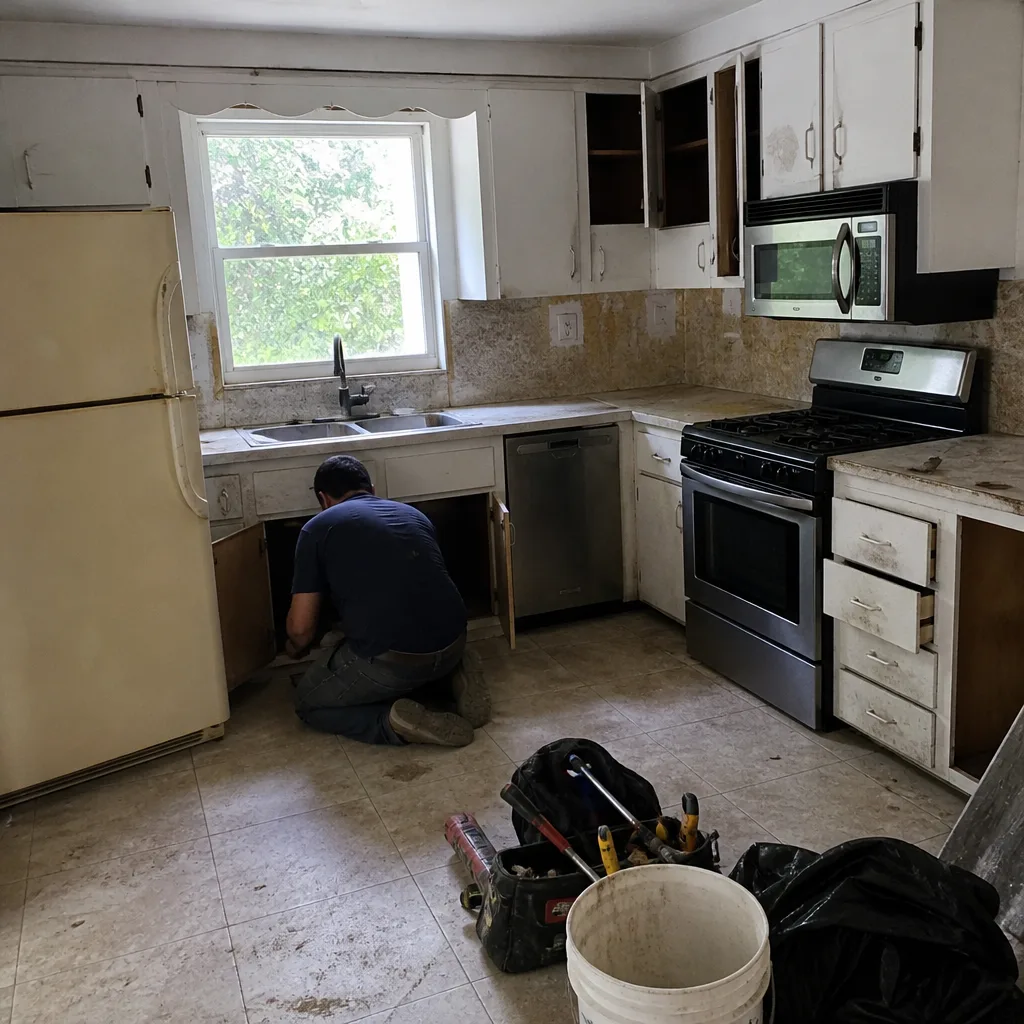 Before
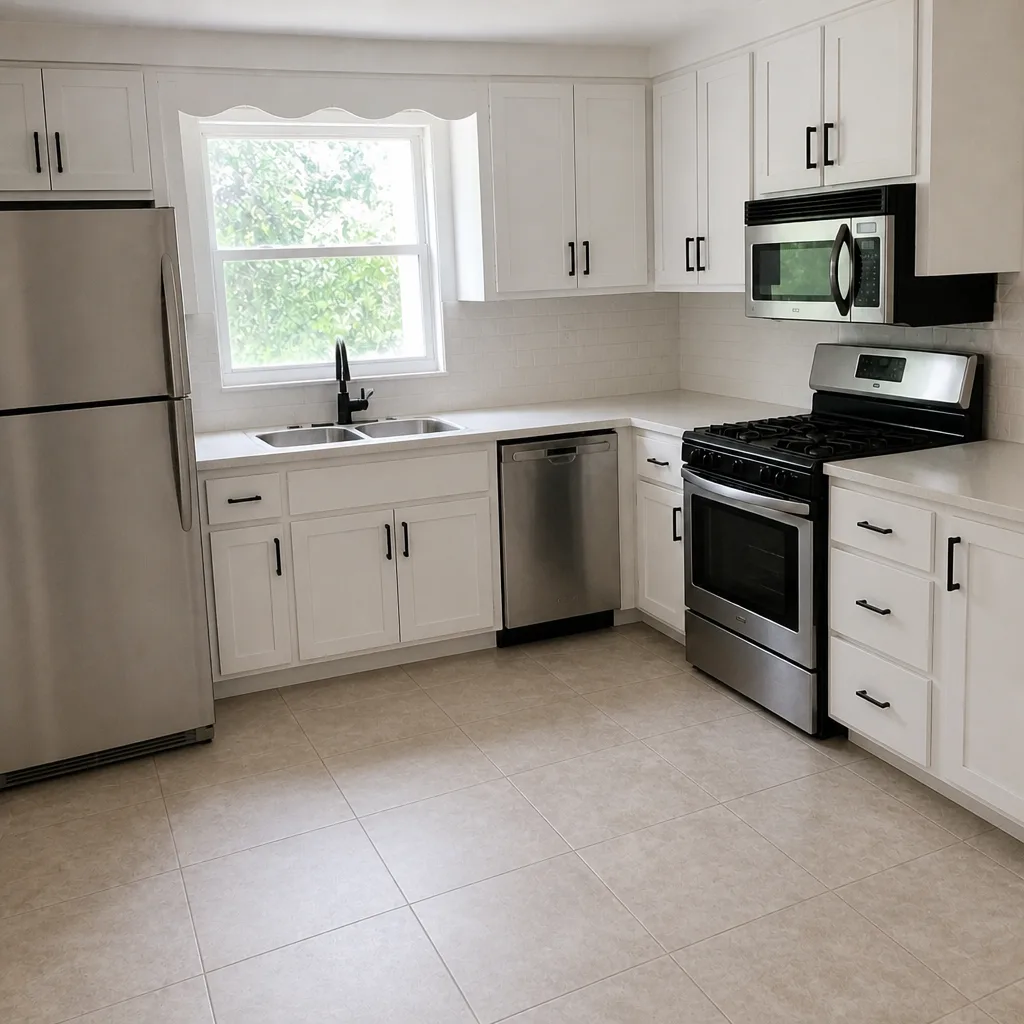 After
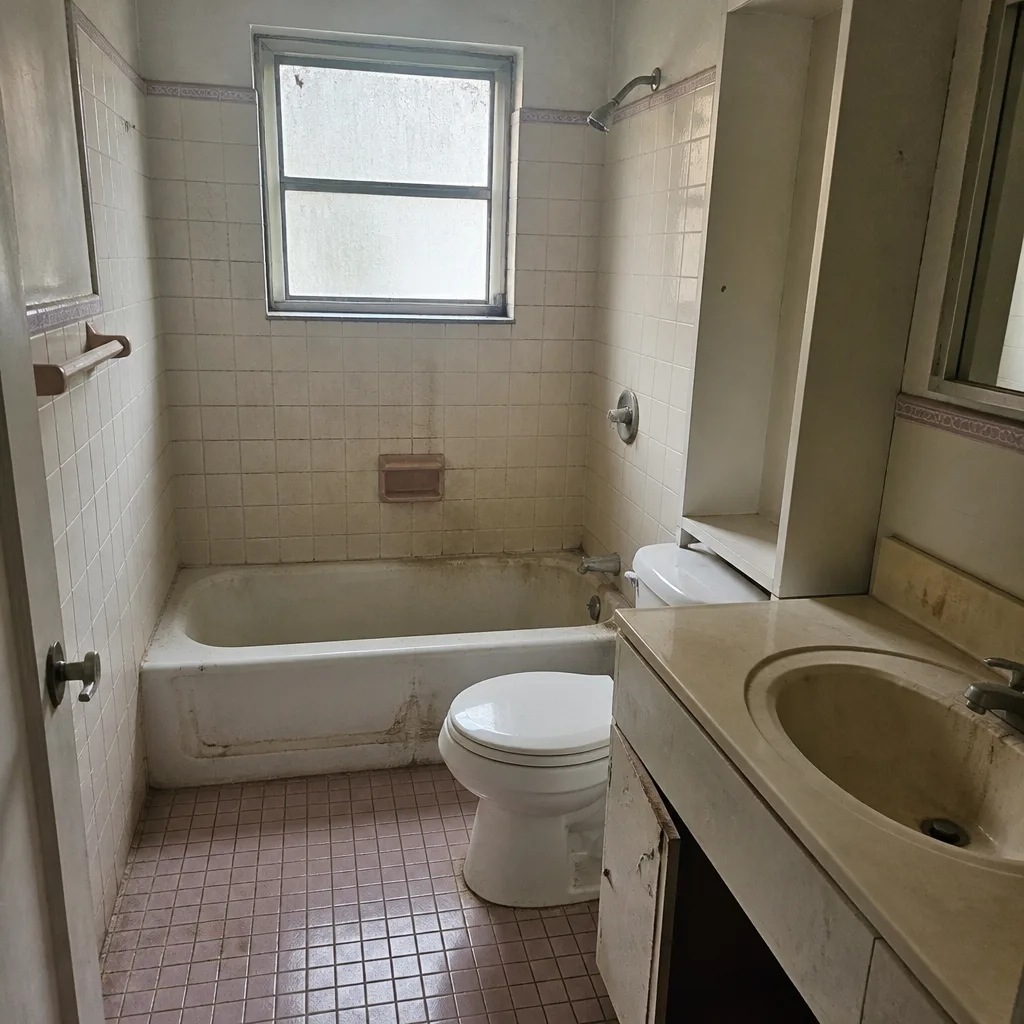 Before
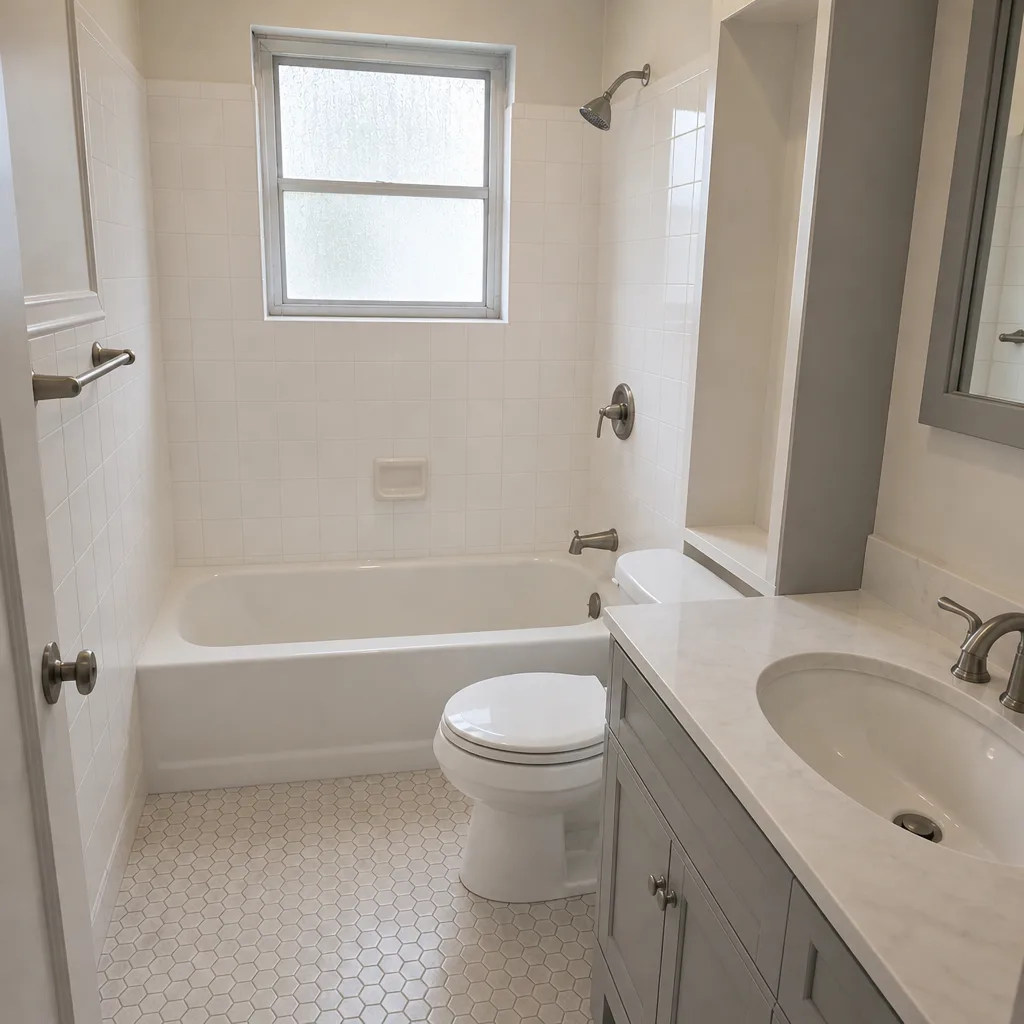 After
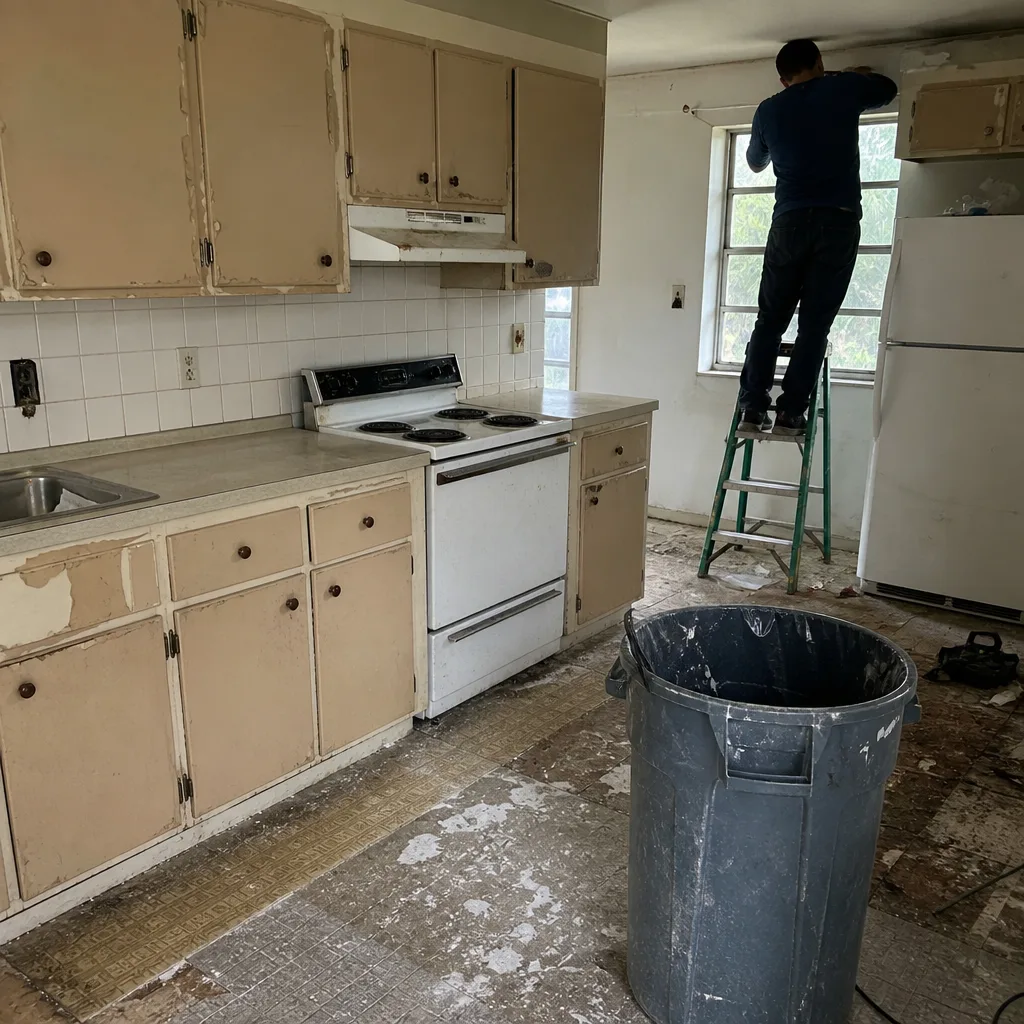 Before
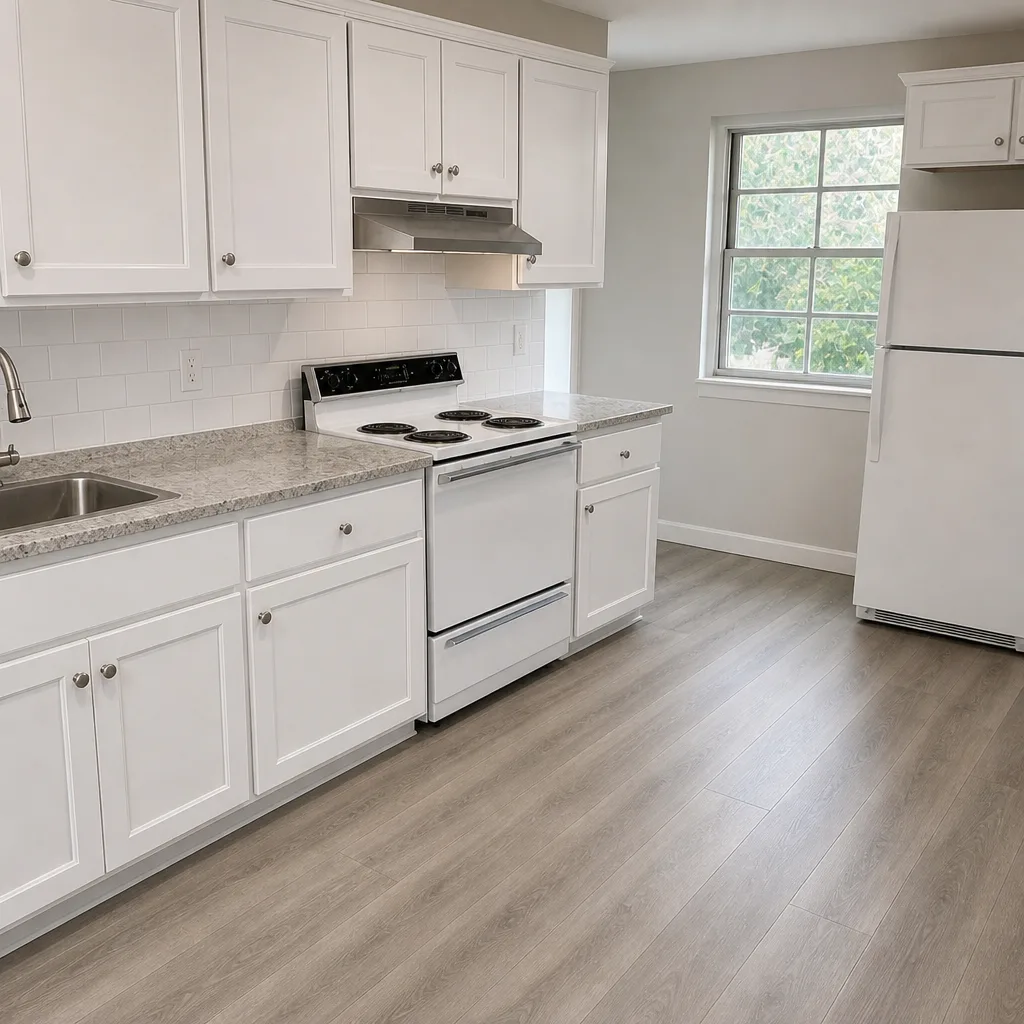 After
When to Call a Professional
Some projects are a paintbrush and a weekend. Others should never start without a written schedule and a licensed, insured contractor behind them: any project that requires a permit, moves plumbing or electrical, changes structural walls, or touches the exterior envelope of a Coral Gables home. If a wall is coming down, if the layout is changing, or if you’re on the fence about whether the city will require board review, that’s the moment to bring in a professional rather than the moment to improvise. Bradford Remodeling Co Coral Gables offers free estimates in Coral Gables with a written price and a written schedule before any work begins, backed by the 365-Day Done Right Promise. Call (833) 510-5367 to schedule yours.
Frequently Asked Questions

Most Coral Gables interior remodels run 3 to 14 weeks of build time depending on scope, with 20 to 32 weeks for a whole-home project, plus the Miami-Dade permit review window of roughly 3 to 10 weeks in front. Because Coral Gables has its own architectural review and design-standards process, exterior-touching projects can add more review time. Call (833) 510-5367 for a written schedule built to your scope – estimates are free.
Because the original number almost never included the three biggest time sinks: permit review, material lead times, and trade sequencing gaps. A contractor quoting pure labor time and calling it a calendar date is leaving out the weeks that actually drive the finish date. A real schedule names each of those and budgets float for the slips that always happen. Call (833) 510-5367 to see a schedule built properly – estimates are free.
Typically custom cabinetry at 6 to 12 weeks, followed by fabricated stone countertops at 2 to 3 weeks after template. Impact windows and doors, at 8 to 16 weeks, can run even longer on exterior projects. Order cabinets and windows the week your design locks, before permit approval, to compress the overall timeline. Call (833) 510-5367 for a free estimate that maps your own lead times.
No – demolition and structural work can’t legally start before the permit is issued, and starting early risks failed inspections and rework. What you can do is use the permit window productively by ordering long-lead items and locking selections while review runs. That’s the real speed lever. Call (833) 510-5367 to plan a Coral Gables project that way – estimates are free.
With a disciplined contractor, no – not unless you change the scope, and then only through a written change order you sign first. Bradford puts a written price in place before any work starts, with a change-order process for anything added, so numbers don’t move at the door. Any hidden conditions discovered mid-project get priced in writing before we touch them. Call (833) 510-5367 for a free estimate.
Often the opposite. A contractor who tells you an honest 12-week kitchen with permit and lead times built in is more reliable than one who quotes 7 weeks and misses it by 6. The number to judge isn’t the shortest one – it’s the most complete one, with milestones, dependencies, and float in writing. Call (833) 510-5367 to compare a written schedule against your other bids – estimates are free.
The Bottom Line
Timeline overruns follow a pattern, and the pattern is visible before you sign if you know where to look. Permit review in Miami-Dade runs weeks before demo. Material lead times – cabinets, impact windows, stone – run weeks after selections. Trade sequencing means one late sub cascades into a late finish. A disciplined schedule names all three, with dated milestones, dependencies, and float days in writing. That’s the front end of “squared away,” and it’s the number you can trust. When the work itself is finished, the 365-Day Done Right Promise puts the guarantee in your hand – a full year of written coverage, and if something fails inside that window, we come back and make it right at no charge. That’s what disciplined looks like from contract to close.
Ready to see a written price and a real schedule for your Coral Gables project? Bradford Remodeling Co Coral Gables offers free estimates – call (833) 510-5367 to schedule yours. Our technicians have up to 22 years of experience, and every project is part of the Garrison Partners family, independently owned and operated under The Garrison Standard.
Written by the team at Bradford Remodeling Co Coral Gables.