Last updated November 17, 2026


Free written scope consultation - allowances, timeline, and change-order rules on paper before a single trade is scheduled
DIY vs Professional General Contractor: What’s Safe to Do Yourself
In Florida, a homeowner can legally act as their own general contractor on their own house. But the moment you hire even one subcontractor, you take on full employer liability, including workers’ comp exposure, for a person working on a ladder above your driveway. That single sentence reorders the entire DIY debate. It’s not really about whether you can hang trim or set a tile floor. In Coral Gables, the dividing line runs through permit law, insurance inspections, and what shows up in a title search years from now. This guide draws that line task by task, so you know what’s genuinely safe to take on and what will cost you at resale.
Quick Answer
Painting, trim work, cabinet hardware, landscaping, and cosmetic tile are safe DIY projects in Coral Gables. Electrical panel work, gas lines, structural changes, roof work, and anything requiring a permit pulled by a licensed contractor are not. If the work needs an inspection to be insurable and legal at resale, hire a licensed professional. The dividing line is permit law, not skill level.
Styles & brands we work with
- Kitchen remodeling
- Bathroom remodeling
- Home additions & ADU
- Roofing
- Windows & doors
- Driveway & pavers
- Fence
Table of Contents
- The Florida owner-builder exemption: what it actually permits
- Task-by-task: what’s DIY-safe and what’s licensed-only
- How unpermitted DIY work shows up on a 4-point insurance inspection
- The liability exposure when a DIY repair fails
- Three questions to ask before pulling an owner-builder permit
- Coral Gables specifics: code, climate, and the neighborhood factor
- Common mistakes to avoid
- When to call a professional
The Florida Owner-Builder Exemption: What It Actually Permits
Florida Statute 489.103(7) allows a homeowner to build or improve a structure on their own property without holding a contractor’s license, provided they intend to occupy it or a family member will. It’s called the owner-builder exemption, and it’s real, but it comes with teeth that most online guides gloss over.
To pull an owner-builder permit in Coral Gables, you sign an affidavit at the Building and Zoning Department swearing that you will perform the work yourself or supervise it directly, that you will not hire an unlicensed contractor, and that you understand the restrictions on resale. That last part matters. If you sell the property within one year of the final inspection, you must disclose the owner-builder work in writing to the buyer, and you may be required to pay a penalty equal to the amount you would have paid in state and local impact fees. In Miami-Dade, that number is rarely small.
Here’s the part that surprises most Coral Gables homeowners: you cannot use the owner-builder exemption to hire an unlicensed handyman to do the work under your name. If a licensed contractor is on the job, the permit needs to be pulled in their name. If you’re the one swinging the hammer, you can pull it yourself. There’s no middle path.
What the exemption covers
- Structural, electrical, plumbing, and mechanical work you perform personally on your primary residence
- Work you directly supervise, with no unlicensed labor hired
- Single-family and duplex properties (not rentals, not commercial)
What it does not cover
- Any work performed by a hired subcontractor of any trade
- Work on a property you intend to sell within 12 months without disclosure
- Anything the Coral Gables Building and Zoning Department deems outside the residential scope
If you’re planning a larger scope and want the permit, inspections, and warranty handled correctly from the start, our team handles full general contractor work in Coral Gables with a written price before any work begins.
Task-by-Task: What’s DIY-Safe and What’s Licensed-Only
We’ve walked through hundreds of Coral Gables homes over the years, and the pattern is consistent. Homeowners underestimate the licensed-only category and overestimate the DIY category. Here’s the breakdown by task.
Safe to do yourself
- Interior painting. Walls, ceilings, trim, doors. No permit needed.
- Trim and baseboard replacement where you’re matching existing dimensions and not altering the wall structure.
- Cabinet hardware and pulls. Nothing structural, nothing behind the wall.
- Cosmetic tile work on backsplashes and floors, provided no plumbing or electrical is moved.
- Landscaping and sod, outside of the required tree permits for protected species.
- Fence staining and sealing, where the fence itself already exists and meets setback.
- Caulking, weatherstripping, and minor drywall patching.
Licensed-only, no exceptions
- Electrical panel replacement or service upgrades. Panel work is dangerous. The risk of arc flash, shock, and fire isn’t hypothetical, and Miami-Dade requires a licensed electrician plus inspection.
- Any new branch circuit or outlet run. Even a single added outlet in a kitchen requires a permit in Coral Gables.
- Gas line work of any kind. Including hooking up a new range or dryer. Gas leaks don’t announce themselves.
- Structural modifications. Removing or modifying any wall requires an engineer’s sign-off in most cases.
- Roof replacements and repairs beyond patching. Roof work at height is a fall-risk topic, and the 4-point inspection will flag unpermitted roof work every time.
- Water heater replacement. Requires permit and inspection in Coral Gables.
- Window and door replacement. Requires product approval for wind-load, and Coral Gables enforces this strictly.
The pattern is: cosmetic work you can see with your eyes is DIY territory. Work that lives inside a wall, requires an inspection, or affects wind-load or life-safety belongs to a licensed contractor. If you’re planning a kitchen project with moving plumbing or electrical, our kitchen remodeling in Coral Gables team pulls the permits and handles inspections as part of the project scope.
How Unpermitted DIY Work Shows Up on a 4-Point Insurance Inspection
If your home is over 25 years old in Coral Gables, which most are, your insurance carrier will require a 4-point inspection before issuing or renewing a policy. That inspection covers roof, electrical, plumbing, and HVAC. It’s not a courtesy. It’s a coverage gate.
Unpermitted work surfaces three ways on a 4-point:
- The electrical panel. An inspector will note a non-permitted panel, a missing arc-fault breaker, or a panel with no permit sticker. Carriers like Citizens and several private carriers will either refuse coverage or price the policy as a high-risk dwelling.
- The plumbing supply and drain lines. Unpermitted repiping or a replaced water heater without a permit will be flagged, and carriers can require replacement before binding the policy.
- The roof. A roof installed without a permit has no wind-mitigation documentation, which means no wind-mitigation discount. In Coral Gables, that discount can run several hundred dollars a year on a typical policy.
At resale, unpermitted work becomes a title and disclosure topic. Most Coral Gables buyers’ agents will request the permit history from the city, and anything missing from the record becomes a negotiation item. We’ve seen a $3,000 unpermitted bathroom addition in Coral Gables cost a seller more than $15,000 in credits at closing, simply because the buyer’s lender demanded licensed remediation and reinspection before funding.
The cost of doing it right is almost always lower than the cost of doing it wrong and having to disclose it.
The Liability Exposure When a DIY Repair Fails
This is where the owner-builder exemption gets expensive. If a DIY repair fails and causes secondary damage, your homeowner’s policy response depends on whether the work was done to code, permitted, and inspected.
A few scenarios we’ve watched play out:
- A DIY dishwasher install leaks slowly for months. The damage to the subfloor and cabinetry is often covered. The repair of the original installation usually isn’t, because the policy excludes faulty workmanship by the insured.
- A DIY electrical outlet causes a fire. Carriers investigate. If the outlet was added without permit and the work was not to code, the carrier may deny the full claim or subrogate against the homeowner.
- A DIY shower pan fails and water reaches the slab. Rebuilding a failed shower pan in Coral Gables often means removing tile, substrate, and sometimes a section of concrete, and that remediation is generally excluded when the cause is defective work by the homeowner.
And if you hired anyone to help, even informally, you’re the employer. That contractor’s injury on your property falls on your homeowner’s liability coverage, or on you personally if your carrier declines. Most homeowner policies have a business-pursuits exclusion that can be triggered when you’re acting as the general contractor on a paid job.
Bradford Remodeling Co Coral Gables carries the licensing and coverage that shifts that risk off your shoulders. Every completed project also carries the 365-Day Done Right Promise: a full-year written guarantee that if the work fails within that window, we come back and correct it at no charge.
Three Questions to Ask Before Pulling an Owner-Builder Permit
Most online guides stop at “you can pull your own permit.” That’s only the first half. Ask yourself these three before you file the affidavit at Coral Gables City Hall.
1. Will I still own this house in a year?
If there’s any chance you’ll sell within 12 months of final inspection, the owner-builder route is the wrong one. The affidavit you sign requires written disclosure at resale and can trigger an impact-fee penalty. If a move is even on the table, use a licensed contractor so the permit is clean and transferable.
2. Can I supervise every trade, every day?
If you’re hiring anyone, even one licensed subcontractor, the exemption no longer applies to you. That’s the line. You are either the sole worker or you are a licensed contractor. If you want to delegate, you have to hire a licensed general contractor who pulls the permit in their name.
3. Can I afford to lose insurance coverage if a 4-point fails?
If your home is 25 years or older and your carrier requires a 4-point, an unpermitted DIY project in an electrical, plumbing, or roof scope can result in a non-renewal notice. In Coral Gables, non-renewal means a scramble for a carrier, higher premiums, and sometimes a state-pool policy. That cost is on you, not on the contractor you saved money by not hiring.
If any of those three questions gives you pause, that’s your answer. Call us and we’ll give you a straight cost comparison for the licensed route.
Coral Gables Specifics: Code, Climate, and the Neighborhood Factor
Coral Gables isn’t Miami. The city runs its own Building and Zoning Department, its own historic preservation board, and its own set of rules on top of Miami-Dade’s. Three things shape the DIY decision here more than anywhere else in the metro.
The historic overlay districts
Almost every home in the original George Merrick plats falls under some level of design review. If you’re in the North Gables, the French City Village, or anywhere near the Granada Boulevard corridor, exterior changes trigger a design review before a permit is issued. Painting is exempt. Window replacement, roof material changes, and any exterior modification are not. DIY painting gets you a fresh facade. DIY window swaps get you a stop-work order.
The salt and humidity factor
Coral Gables sits under a subtropical coastal humidity load that makes uncured or improperly flashed work fail faster than it would almost anywhere else in the country. A DIY shower pan or balcony membrane that would last five years in Phoenix may fail in 18 months here. We’ve seen DIY tile installations in Coral Gables back out within two seasons because the substrate wasn’t sealed against vapor drive.
The 4-point and the roof age
Most Coral Gables homes were built between 1926 and 1975. The 4-point inspection on those homes is strict, and roof age is the first thing a carrier looks at. If you’re DIY patching a roof that’s already 15 years old, you’re adding risk without adding usable inspection life. Better to replace it permitted, with wind-mitigation documentation, than to patch it and hope.
Our team works Coral Gables homes weekly and knows what the plan reviewers look for. That fluency is worth something on the front end of a project.
Common Mistakes to Avoid
- Assuming “no permit needed” because nothing structural changed. Moving a water heater, adding an outlet, or swapping windows all require permits in Coral Gables even when the wall stays put. The test is inspection, not structure.
- Hiring a handyman to “help” under your owner-builder permit. The exemption falls apart the moment a paid worker touches the job without a license. You become an unlicensed contractor hiring unlicensed labor.
- DIY-ing a tile shower in a Coral Gables humidity load without a proper waterproofing system. Tile and grout won’t hold vapor drive. The pan fails, the subfloor rots, and the repair costs more than the original job.
- Skipping the permit on a small electrical job to avoid the fee. A 4-point inspection will find it, and the carrier can non-renew you over a single missing permit.
- Buying a home with unpermitted work and assuming “it’s already there, so it’s fine.” The liability transfers to you at closing. Title agents and buyer’s lenders in Coral Gables increasingly request permit history as a condition of financing.
- Pulling an owner-builder permit on a property you plan to flip. The one-year resale restriction and impact-fee penalty can wipe out the margin entirely.
- Treating DIY as a skill question instead of a legal question. You may well be capable of installing a panel. You are still not allowed to without a license, and your insurance carrier will treat it as unpermitted work regardless of how well it’s done.
When to Call a Professional
Call a licensed professional the moment a task touches one of these: the electrical panel or any new circuit, any gas line, structural framing or wall removal, roof replacement or any repair above a patch, window and door replacement, water heater replacement, or anything that requires a permit and inspection in Coral Gables. Also call when the work will affect resale within 12 months, when the job involves a subcontractor of any trade, or when the scope sits inside a historic overlay that needs design review.
Everything cosmetic is yours to own. Everything inspected belongs in licensed hands. Bradford Remodeling Co Coral Gables offers free estimates in Coral Gables, with a written price before any work starts and a 365-Day Done Right Promise on every completed project. Call (833) 510-5367 to schedule yours.
If your project includes a bathroom, our bathroom remodeling in Coral Gables team handles permit, waterproofing, and finish in one scope. For the full picture of how we operate, start at the Bradford Remodeling Co Coral Gables home page.
See the difference
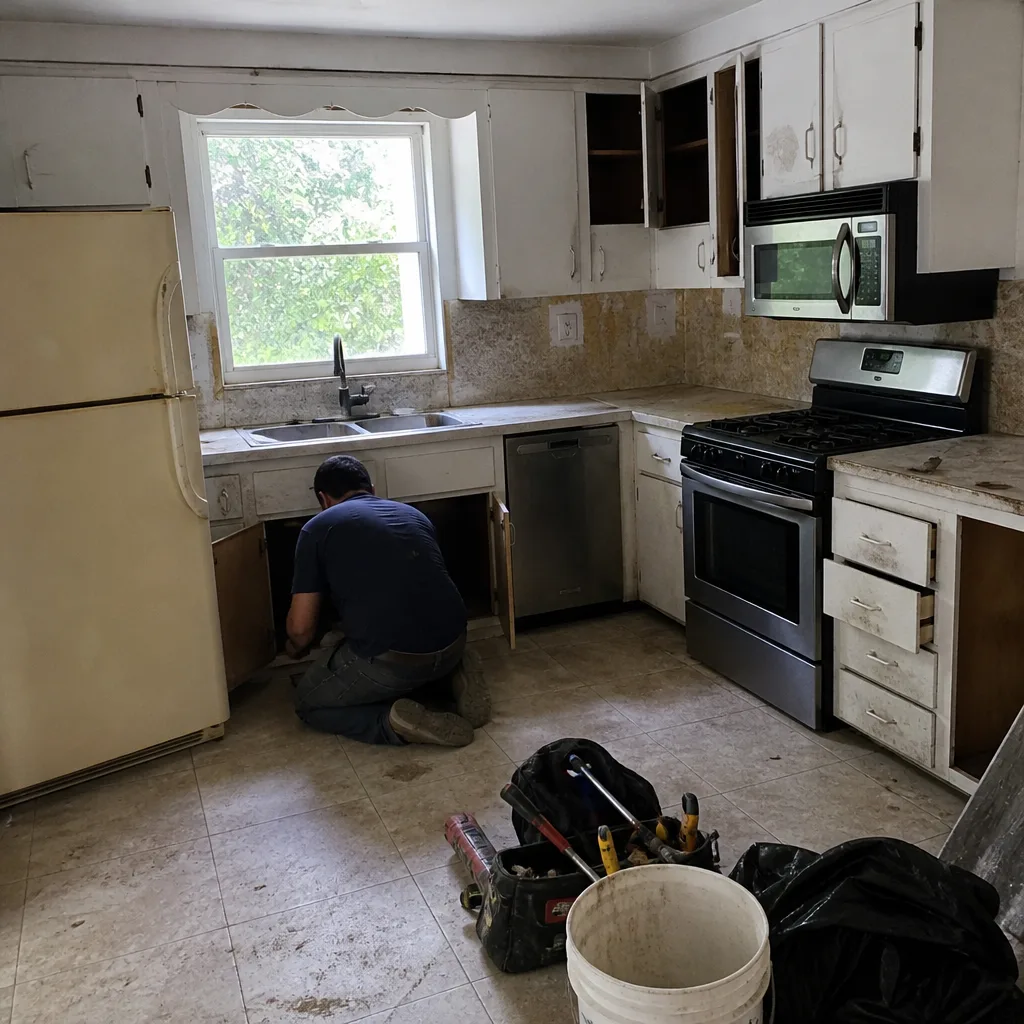 Before
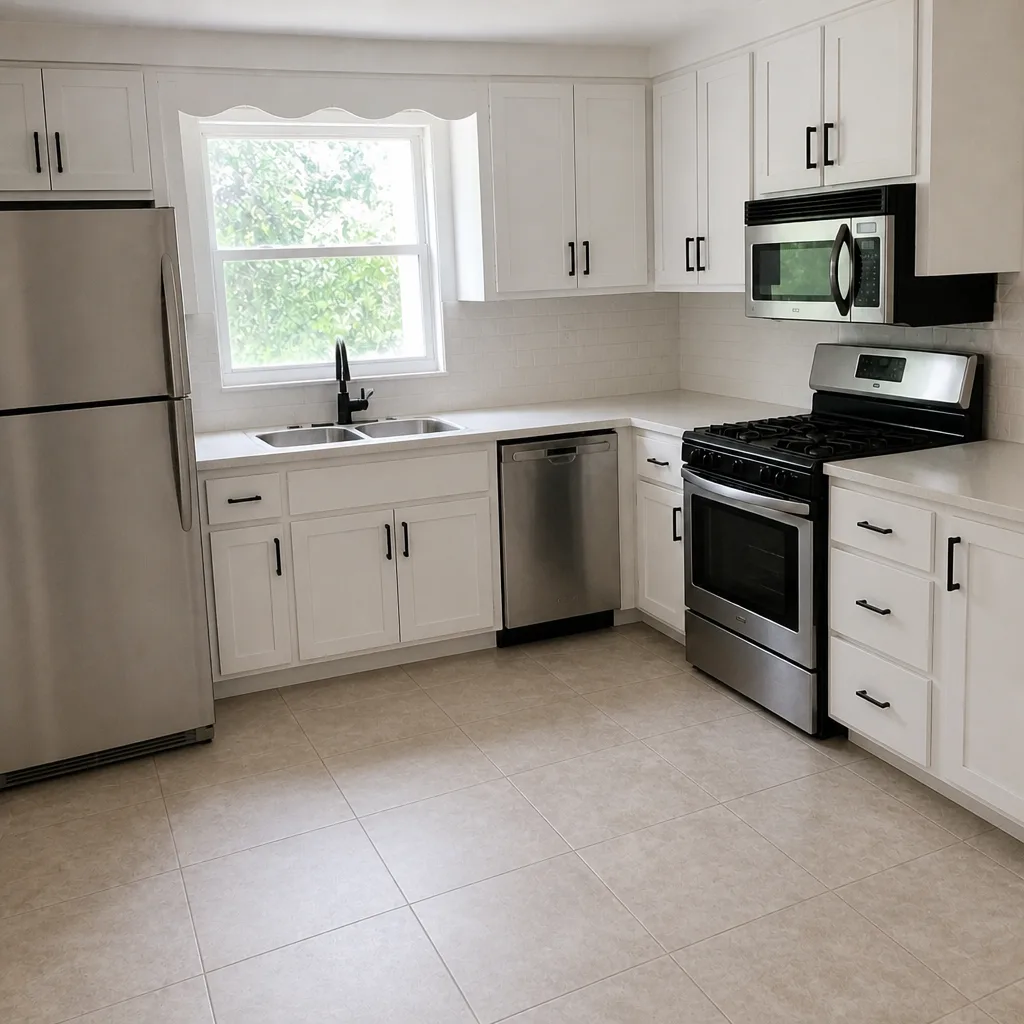 After
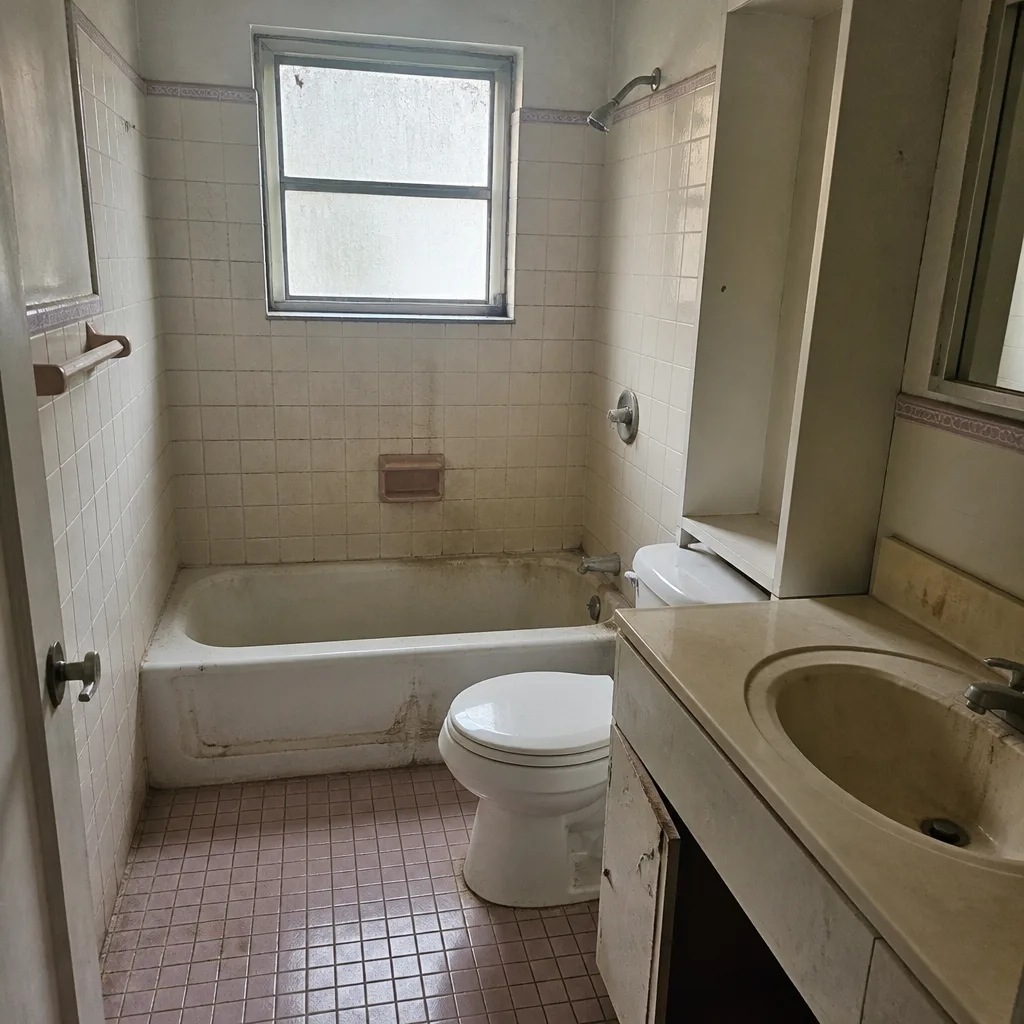 Before
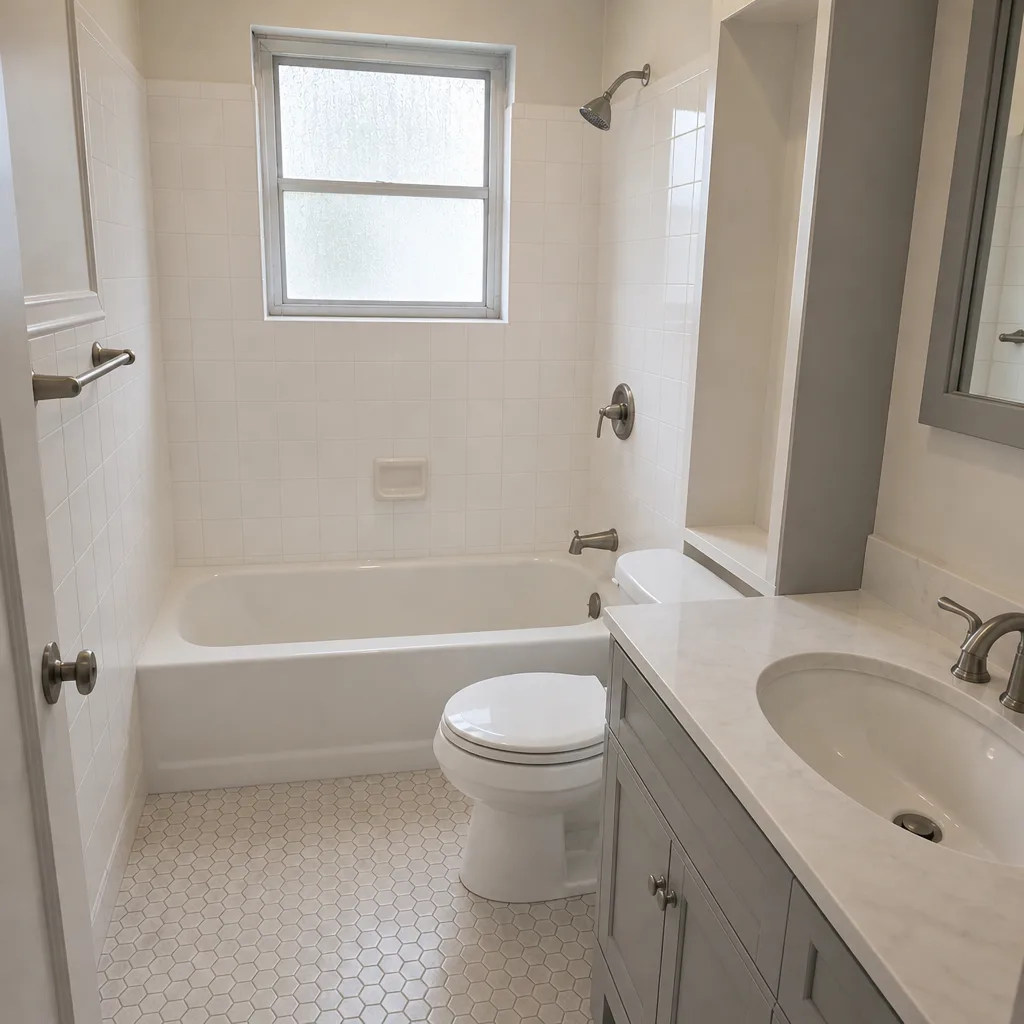 After
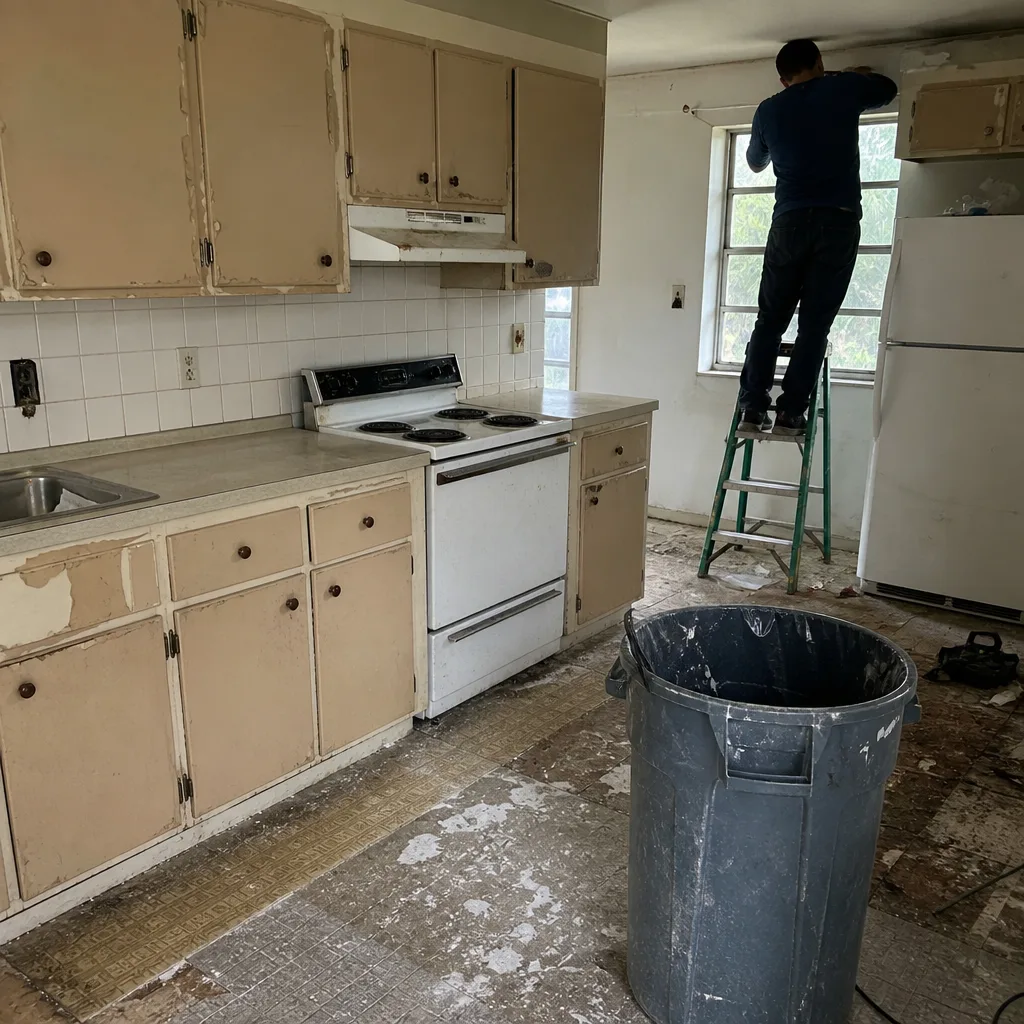 Before
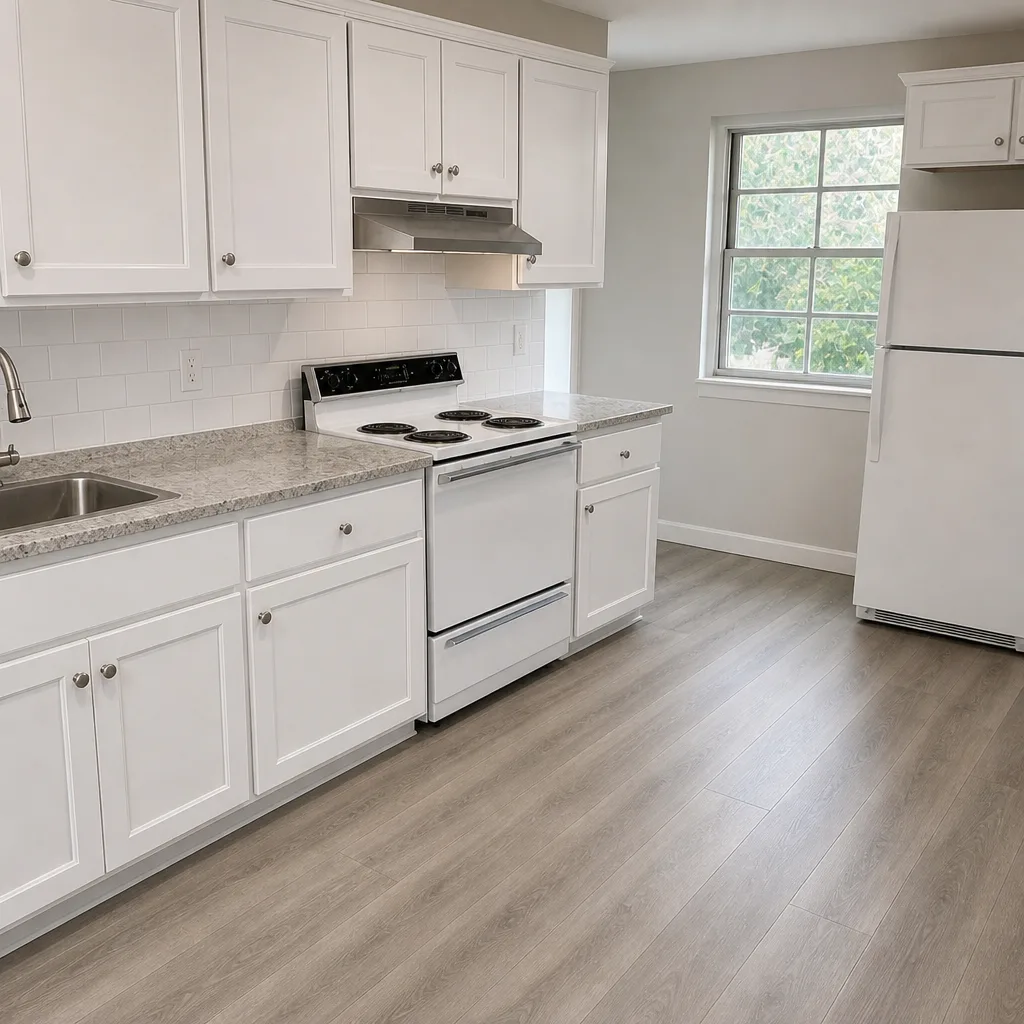 After
Frequently Asked Questions
Yes, but only under the owner-builder exemption, only on your primary residence, only if you personally perform the work, and only with a permit pulled in your own name and inspected by the city. Any work that requires a permit must be inspected. Hiring an unlicensed electrician voids the exemption.
You must disclose owner-builder work performed within 12 months of final inspection, and buyers’ agents in Coral Gables routinely pull the permit history from the city. Unpermitted work often becomes a closing credit or a financing problem. Call (833) 510-5367 for a licensed assessment before listing.
It catches unpermitted electrical panel work, unpermitted plumbing, water heater replacements without permit, and roof work without wind-mitigation documentation. Carriers can decline to issue or renew coverage based on those findings. It’s the single biggest hidden cost of the DIY route in Coral Gables.
It’s not recommended. Coral Gables humidity makes shower pan failures common, and the repair typically means removing tile, substrate, and sometimes concrete. A failed pan is generally excluded from homeowner’s coverage when the cause is your own workmanship. Hire a licensed tile pro who uses a proper waterproofing system.
Water heater replacement. It looks simple, it requires a permit in Coral Gables, and an unpermitted replacement will fail the 4-point plumbing section. The second most common is adding a single outlet to a kitchen or garage, which triggers the same inspection issue. Call (833) 510-5367 before you start either one.
If the project moves any plumbing, electrical, or gas, yes. If it involves cabinet replacement, countertop fabrication, or anything requiring a permit, yes. Painting the existing cabinets is DIY-safe. Everything behind the cabinet is not. Our team handles the licensed scope with a written price and no change-order surprises.
The Bottom Line
The DIY-or-hire question is a legal question in Florida, not a skill question. Painting, trim, hardware, landscaping, and cosmetic tile are yours to own. Electrical panel work, gas lines, structural changes, roof work, and anything requiring an inspection belong to a licensed contractor. The owner-builder exemption gives you the right to work on your own home, but it comes with resale restrictions, 4-point insurance exposure, and full employer liability if you hire help. Our technicians have up to 22 years of experience and handle the licensed side with a written price before any work begins, background-checked uniformed technicians on every job, a live person answering the phone 24/7, and the 365-Day Done Right Promise standing behind every completed project. Brand specifications, from KraftMaid cabinetry to James Hardie siding, are documented and traceable. Call (833) 510-5367 for a free estimate in Coral Gables.
Written by the team at Bradford Remodeling Co Coral Gables.