Last updated November 17, 2026

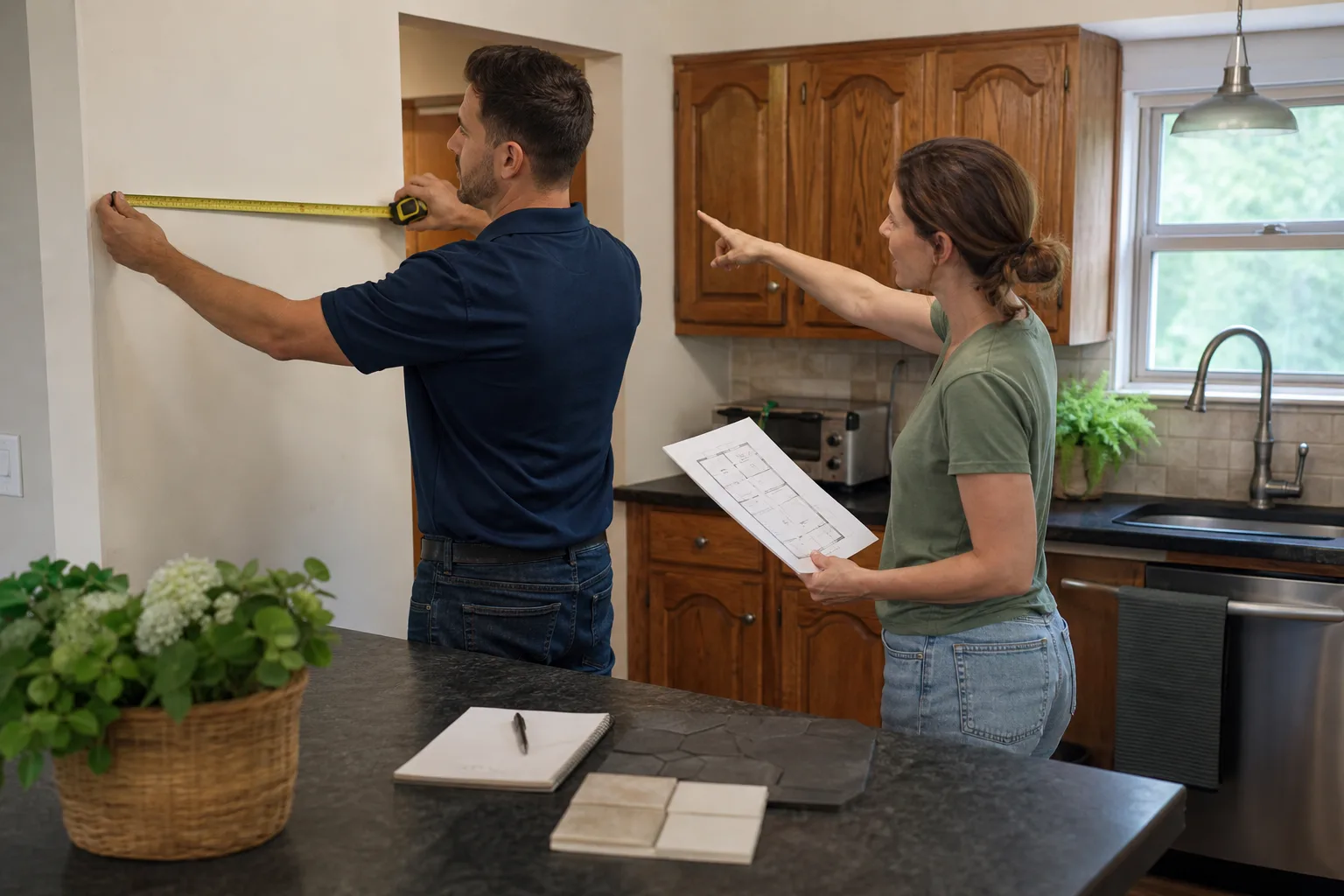
Free written scope consultation - allowances, timeline, and change-order rules on paper before a single trade is scheduled
General Contractor Maintenance Checklist for Coral Gables Homeowners
A coat of exterior paint that holds up for 10 years in Phoenix lasts 4 to 5 in Coral Gables. Salt-laden humidity off Biscayne Bay degrades elastomeric coatings at nearly twice the rate, and most homeowners don’t find out until water is already behind the stucco. That single fact is why generic maintenance checklists recycled from northern climates miss the mark here. This guide is built for Coral Gables houses specifically: CBS block construction, mature banyan and ficus canopy, and a cooling season that runs almost 12 months. You’ll get a trade-by-trade checklist, the inspection points that actually matter, and a clear line between what you can handle and what Florida requires a licensed contractor to do.
Quick Answer
A Coral Gables home maintenance checklist should focus on four things northern lists ignore: salt-air corrosion on metal components, stucco and CBS moisture intrusion, canopy root pressure on sewer laterals, and year-round HVAC load. Inspect these twice a year – spring and fall – and handle cosmetic touch-ups yourself while routing structural, electrical, plumbing, and roofing work to a licensed trade contractor. Below, we break it down by trade so you know exactly who to call for each item.
Styles & brands we work with
- Kitchen remodeling
- Bathroom remodeling
- Home additions & ADU
- Roofing
- Windows & doors
- Driveway & pavers
- Fence
Table of Contents
- Salt-Air Corrosion: The Inspections Most Lists Skip
- Stucco, CBS Walls, and Repointing Intervals
- Canopy Roots and Your Sewer Lateral
- HVAC Service on a Year-Round Cooling Load
- Roof and Attic Checks for Subtropical Rain
- What Needs a Licensed Contractor in Florida
- The Two-Season Calendar
- What This Maintenance Runs in Coral Gables
Salt-Air Corrosion: The Inspections Most Lists Skip
Properties east of US-1 and anywhere near the Granada golf course corridor sit close enough to Biscayne Bay that salt spray lands on every exterior surface, and it does quiet damage. Aluminum window frames pit and chalk. Steel lintels over garage doors and windows rust from the inside out, often with paint still intact on the visible face. Exterior fasteners – the screws and anchors holding shutters, railings, and trim – corrode and lose grip. In our experience, homes within about a mile of the water show fastener corrosion as early as year five.
Walk the exterior twice a year and inspect these points:
- Aluminum frames and thresholds: Look for white chalky residue and bubbling paint at joints. That’s oxidation starting under the finish.
- Steel lintels: Check above every window and garage opening for orange staining on stucco – a rust bleed means the steel is already failing.
- Exterior fasteners: Probe a few shutter anchors and railing bolts. If the head crumbles under a screwdriver, replace the whole run with stainless.
- Light fixtures and mailboxes: Cheap steel fixtures pitting within three years is normal here. Swap to marine-grade or aluminum.
- PGT windows and doors: These hold up better than most in coastal conditions, but the gaskets and weep holes still need annual clearing or water backs up into the frame.
If you find rust bleed on a lintel, that’s not a paint job – the steel needs to be assessed and likely replaced. Call a licensed contractor before you re-stucco over it. For a walkthrough of how a full structural assessment fits into broader renovation work, see our General Contractor in Coral Gables service page.
Stucco, CBS Walls, and Repointing Intervals
Most Coral Gables homes built between the 1920s and 1980s are CBS construction – concrete block with a stucco skin. That skin is your rain barrier, and it needs repointing and patching on a real interval, not “when it looks bad.” In this climate, plan on a stucco inspection every 3 to 5 years and full repointing at the mortar joints roughly every 12 to 15 years. Homes under heavy tree canopy, where walls stay damp longer, drift toward the shorter end.
Signs of subsurface moisture intrusion to watch for:
- Efflorescence: White powdery salt staining on the wall face. Water is moving through the block and drying at the surface.
- Hairline cracks that spread: A crack you can slide a credit card into is a path for water, not just a cosmetic issue.
- Soft or hollow-sounding stucco: Tap the wall with a screwdriver handle. A hollow thud means the stucco has separated from the block.
- Interior paint blistering on exterior walls: Often the first sign water is already inside the assembly.
Patching small cracks with a proper elastomeric patching compound is a reasonable homeowner task. Cutting out and repointing failed mortar joints, or repairing delaminated stucco, is not – that work requires matching mix ratios and it’s where a cheap repair turns into a $4,000 stucco failure. A by-the-book contractor gives you the scope in writing before a tool comes out.
Canopy Roots and Your Sewer Lateral
Coral Gables’ tree canopy is the reason people move here, and it’s also the reason sewer laterals fail. Mature banyan and ficus root systems spread wide and aggressively seek moisture, and a clay or cast-iron lateral running from your house to the city main is a target. Older properties in the Coral Way and Sunset Drive corridors with established canopy are the highest risk. A root intrusion shows up as repeated slow drains, gurgling toilets, or a sewage smell in the yard – long before a full backup.
Follow this check sequence once a year:
- Locate your lateral. Find the cleanout – usually a capped pipe near the foundation or property line.
- Note the tree distance. Any banyan, ficus, or oak within 10 feet of the lateral line is a risk factor.
- Watch for slow drains. If two or more fixtures drain slowly at once, suspect the main line, not the fixture.
- Schedule a camera inspection. A licensed plumber runs a camera down the lateral every 3 to 5 years on tree-heavy lots. Root intrusion is far cheaper to catch early.
- Never pour chemical root killer. It damages the pipe lining and the city’s system. It’s a temporary fix with a real cost later.
Sewer lateral work is licensed plumbing, full stop. If a camera inspection shows roots or a cracked line, that’s a call to a professional before the yard backs up.
HVAC Service on a Year-Round Cooling Load
National HVAC guidance says service your system once a year. In Coral Gables, your system runs close to 12 months, so that guidance is wrong for us. We recommend service every 6 months – spring before the peak and fall as a mid-season check – and filter changes every 60 to 90 days during heavy cooling months, not the 3 months most manufacturers print on the box. A system running year-round simply accumulates the runtime hours faster.
What a twice-yearly service should cover:
- Refrigerant charge check: Low charge strains the compressor and drives up bills before it fails outright.
- Condensate drain clearing: The single most common South Florida HVAC call. A clogged drain line in a humid climate overflows and damages ceilings and drywall.
- Coil cleaning: Salt air and humidity combine to foul outdoor coils faster here than inland.
- Duct inspection: Attic ducts in a 12-month cooling climate degrade from heat cycling. Check for disconnected runs and crushed flex duct.
- Thermostat calibration: Confirm the setpoint matches actual room temperature.
Filter changes are a homeowner task. Refrigerant work, compressor diagnosis, and duct repairs are licensed HVAC work in Florida – and the refrigerant handling specifically requires EPA certification. Don’t let a handyman touch the charge.
Roof and Attic Checks for Subtropical Rain
Coral Gables gets roughly 60 inches of rain a year, most of it in intense afternoon bursts that test a roof in minutes. Your roof inspection should happen twice a year and after any named storm that passes nearby. The critical points are the ones our afternoon downpours expose first: the flashing at every penetration, the soffit and fascia under the eaves, and the attic decking above the ceiling.
Check these items each season:
- Flashing: Look at the metal around vents, chimneys, and wall-to-roof junctions. Lifted or rusted flashing is the number-one leak source, not missing shingles.
- Soffit and fascia: Probe for soft wood and peeling paint. These are the first things salt air and wind-driven rain attack.
- Attic decking: From inside the attic, look for water stains, dark streaks, or daylight. Any of these means the roof is already leaking.
- Granule loss: Check your gutters and the ground at downspouts for shingle granules. Heavy loss means the shingles are near end of life. On a GAF or Tamko architectural shingle roof, granule loss is the clearest early warning.
- Drainage: Clear gutters and confirm downspouts carry water away from the foundation. In CBS construction, water against the base is a direct path to moisture intrusion.
Walking a roof is genuinely dangerous, and more so on a steep pitch. Reserve the ladder for the gutters and inspect the roof plane from the ground with binoculars. Actual roof repairs belong to a licensed roofer.
What Needs a Licensed Contractor in Florida
Florida law draws a clear line, and knowing it saves you money and protects your insurance. Some tasks a homeowner can legally do on their own home; others require a licensed trade contractor and a permit. Doing licensed work yourself, or hiring an unlicensed handyman for it, can void insurance coverage and create a title problem when you sell.
You can typically handle these yourself:
- Painting, caulking, and cosmetic patching
- Replacing light bulbs and fixtures on existing circuits
- Filter changes and clearing condensate drain lines
- Clearing gutters and downspouts
- Landscaping and tree trimming (short of the actual removal of a protected Coral Gables tree)
These require a licensed trade contractor:
- Any structural work, including stucco delamination repairs and lintel replacement
- Electrical panel work, new circuits, and any wiring beyond a fixture swap
- Plumbing beyond a fixture swap – the sewer lateral, water heater, and repiping
- HVAC refrigerant work and system replacement
- Roof repairs and replacement
Coral Gables also has its own tree protection ordinance – removing a protected tree generally requires a city permit and often a certified arborist. Confirm before you cut. And any permitted work needs the permit pulled and the inspection passed, which is one reason we put the scope and the permit responsibility in writing before work begins.
The Two-Season Calendar
Two calendar windows matter here: the dry-ish winter season and the run-up to summer rain. Build your maintenance around those two and you’ll catch most problems before they cost real money.
Late winter (February to March), before the rain season:
- Inspect and clear the roof, gutters, and downspouts.
- Service the HVAC before peak cooling load.
- Walk the exterior for salt-air corrosion and stucco cracks.
- Check the sewer lateral for slow drains and note tree growth near the line.
Early fall (September to October), after the storm season:
- Inspect the roof and flashing after any named storm.
- Repaint touch-ups where coating has degraded.
- Second HVAC service check.
- Re-inspect fasteners, railings, and window frames for corrosion.
Two disciplined passes a year are cheaper than one emergency repair. That’s the whole point of a checklist – catching the $300 problem before it becomes the $3,000 one.
What This Maintenance Runs in Coral Gables
Here’s a plain-dollar picture of what these tasks cost in the Coral Gables market. Prices vary by home size and condition, but this is the range you should expect – get a written line-item price before any work starts, always.
| Task | Typical Coral Gables Range |
| HVAC service call (per visit) | $150 – $350 |
| Full HVAC system replacement | $6,000 – $12,000 |
| Stucco crack patching (small area) | $300 – $900 |
| Full stucco repointing (whole home) | $6,000 – $18,000 |
| Sewer lateral camera inspection | $250 – $500 |
| Sewer lateral spot repair | $1,500 – $4,500 |
| Roof flashing repair | $400 – $1,200 |
| Roof replacement (asphalt shingle) | $12,000 – $25,000 |
| Exterior paint / coating refresh | $4,500 – $12,000 |
Those ranges reflect what we see in this market. The single biggest line item you can defer, and the one that compounds fastest if you do, is stucco and roof work – both let water in where it does hidden damage. A written price before work starts is what keeps these numbers from moving at the door.
Common Mistakes to Avoid
- Following a northern maintenance schedule. Annual HVAC service and 10-year paint intervals both assume a climate Coral Gables doesn’t have. Adjust both for salt air and a 12-month cooling load.
- Painting over rust bleed on a lintel. The rust will come back within a season because the steel is still failing underneath. The steel has to be assessed first.
- Ignoring slow drains. In a home with mature canopy, two slow fixtures usually means a root intrusion in the lateral, not a clogged trap. Catching it early is the difference between a $400 fix and a $4,000 line replacement.
- Hiring an unlicensed handyman for structural or plumbing work. It can void your insurance, and it creates problems at resale. Florida draws a clear line – respect it.
- Letting stucco fail silently. Efflorescence and hairline cracks look cosmetic. They’re the first sign of subsurface moisture intrusion, and by the time interior paint blisters, the damage is already done.
- Skipping the permit on tree removal or structural work. Coral Gables enforces its tree ordinance, and unpermitted structural work is a disclosure problem at sale.
- Walking the roof yourself. Steep pitches and heat make this genuinely dangerous. Inspect from the ground and let a licensed roofer handle the plane.
See the difference
 Before
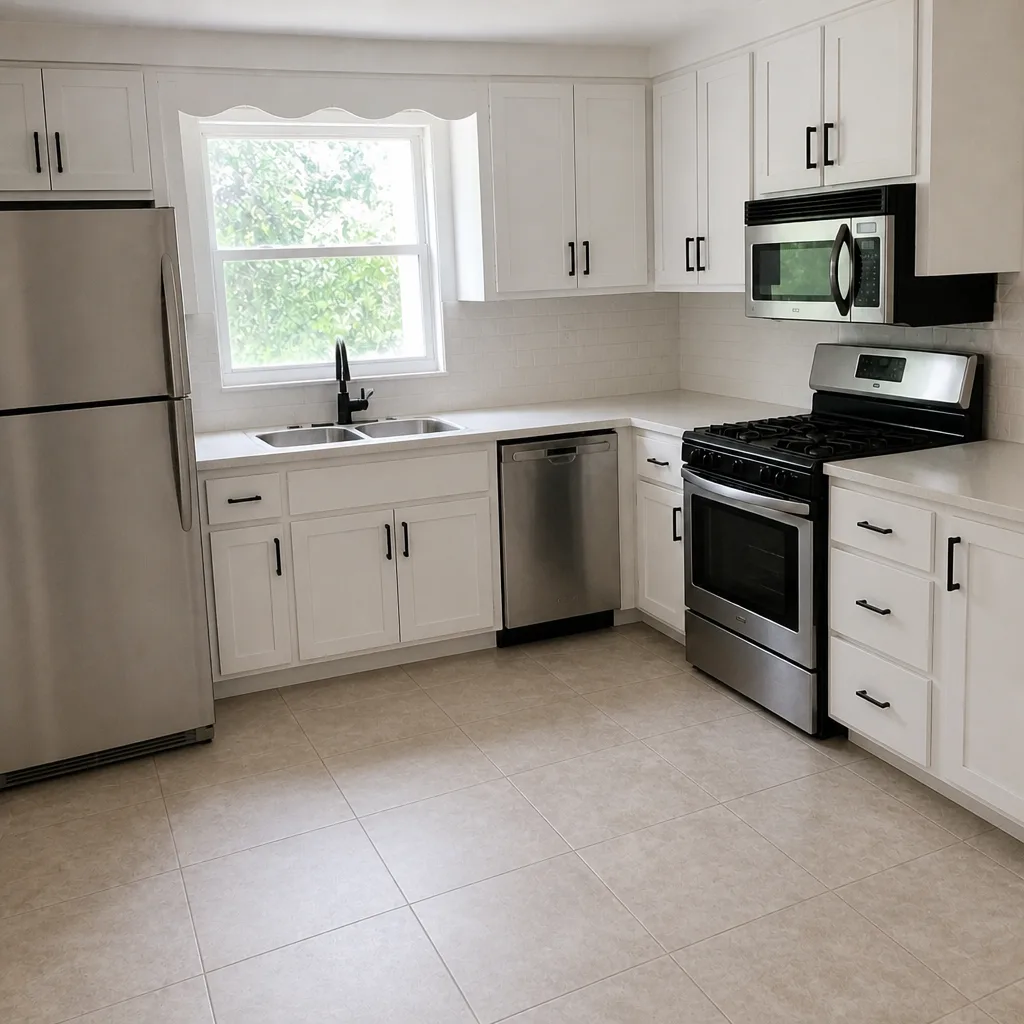 After
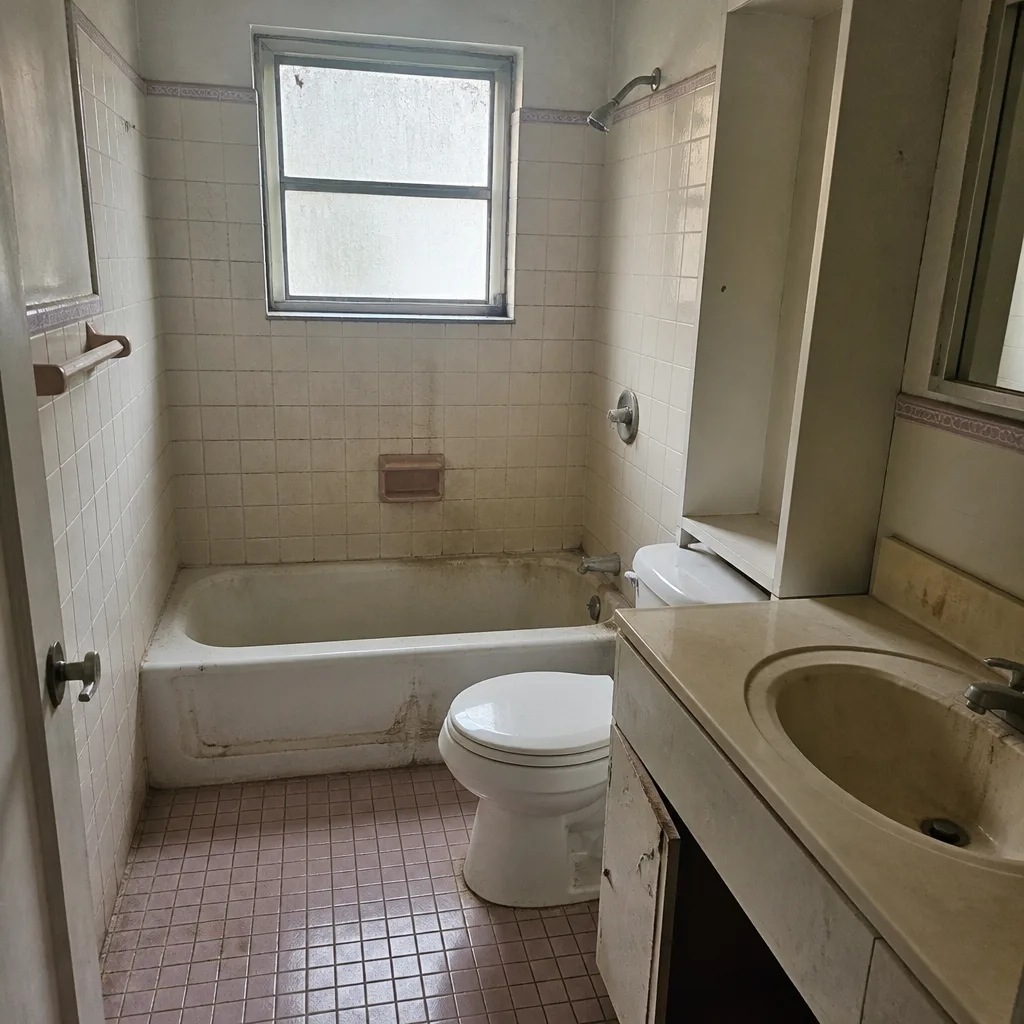 Before
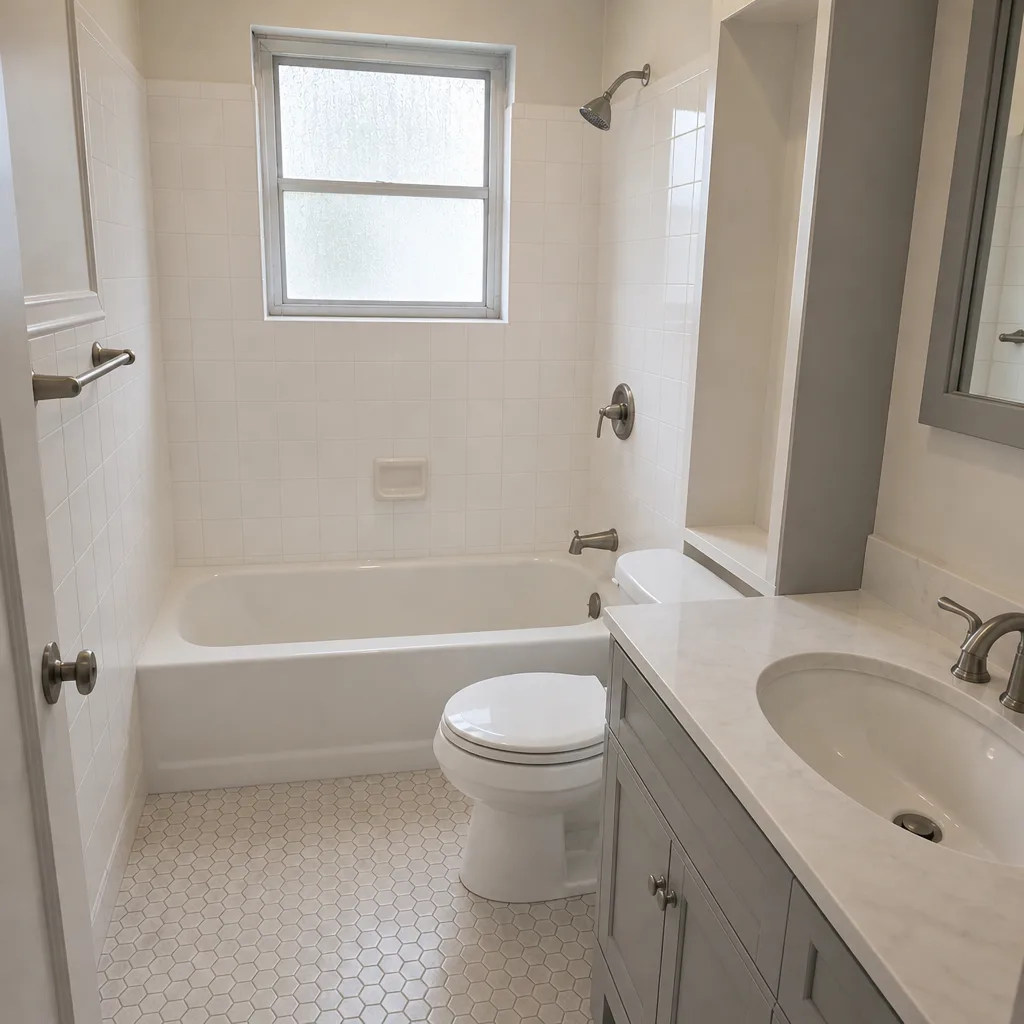 After
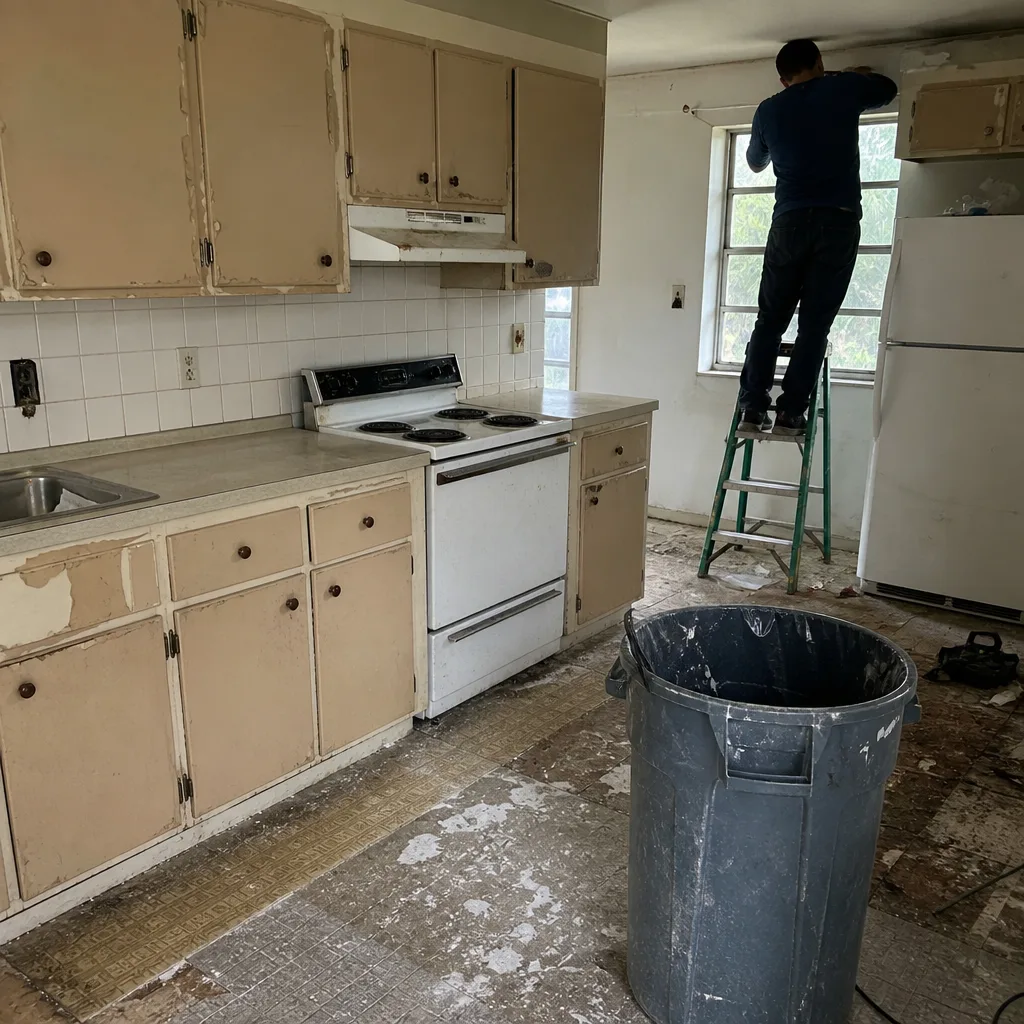 Before
 After
When to Call a Professional
Some items on this checklist you can handle with a caulk gun and a filter. Others are where DIY turns dangerous or expensive. Call a professional when you see rust bleed on a steel lintel, when stucco sounds hollow or has separated from the block, when two or more drains run slow at once, when an HVAC system short-cycles or ices up, or when interior paint blisters on an exterior wall. Also call before you cut a protected tree or touch anything on the licensed-work list above. Bradford Remodeling Co Coral Gables offers free estimates in Coral Gables – call (833) 510-5367. Every written estimate comes with a written price before work starts, and every completed project carries the 365-Day Done Right Promise: if the work fails within a year, we come back and correct it at no charge.
Frequently Asked Questions
Every 6 months, not once a year. Your system runs nearly year-round in Coral Gables, so the runtime hours add up roughly twice as fast as the national guidance assumes. Change filters every 60 to 90 days during heavy cooling months and have the condensate drain cleared at each service – a clogged drain is the most common summer call here. Call (833) 510-5367 for a written estimate on a system replacement or a larger cooling repair.
White chalky residue and bubbling paint on aluminum window frames, followed by orange rust staining above windows and garage openings from failing steel lintels. Fasteners on shutters and railings typically corrode within about five years on homes near the water. Check these twice a year and replace fasteners with stainless at the first sign of crumbling. If you find rust bleed, call (833) 510-5367 – repainting over it just hides the problem.
Inspect every 3 to 5 years and plan for full repointing at the mortar joints roughly every 12 to 15 years, sooner on homes under heavy tree canopy. Look for efflorescence, spreading hairline cracks, and hollow-sounding stucco. Subsurface moisture intrusion is the expensive failure mode, so catching cracks early matters. Call (833) 510-5367 for a free estimate before small cracks become a full stucco repair.
Repeated slow drains in two or more fixtures, gurgling toilets, or sewage smell in the yard – especially on a lot with banyan or ficus within 10 feet of the line. Schedule a camera inspection every 3 to 5 years on tree-heavy properties. Root intrusion is far cheaper to catch early than after a backup. Sewer lateral work is licensed plumbing, so call a professional – and call (833) 510-5367 for a free estimate if you’re ready to plan the repair.
Any structural work, electrical panel work and new circuits, plumbing beyond a fixture swap, HVAC refrigerant work, and roof repairs all require a licensed trade contractor, often with a permit. Painting, caulking, filter changes, gutter clearing, and light fixture swaps are generally homeowner tasks. Respecting that line protects your insurance and your resale. Call (833) 510-5367 with questions – estimates are free.
No. Bradford Remodeling gives you a written price before any work starts, every time – no numbers that move at the door. If the scope has to expand because a hidden condition turns up during work, you hear about it before we proceed, in writing. That’s The Garrison Standard in practice.
The Bottom Line
Coral Gables homes need a checklist built for Coral Gables conditions: salt air that eats coatings and fasteners, CBS stucco that fails silently when you let it, canopy roots that reach for your sewer lateral, and a cooling load that runs 12 months. Inspect twice a year – late winter and early fall – and know the line between DIY and licensed work. When a task crosses that line, or when you find rust bleed, hollow stucco, or a slow drain, get a licensed contractor out. For a documented, by-the-book scope and a written price before work starts, Bradford Remodeling Co Coral Gables offers free estimates in Coral Gables – call (833) 510-5367. No project is a finished project until the site is clean, the scope is signed, and the 365-Day Done Right Promise is in your hand.
For the trade-specific jobs this checklist points to:
- Bradford Remodeling Co Coral Gables home – the full picture of how we work
- Kitchen Remodeling in Coral Gables – when a maintenance item turns into a remodel
- Bathroom Remodeling in Coral Gables – for moisture intrusion that reaches the bath
- General Contractor in Coral Gables – the by-the-book GC for structural and stucco work
Every project gets a written price up front, a documented brand roster (KraftMaid, Cambria, Kohler, GAF, James Hardie, Therma-Tru and others), background-checked uniformed technicians, and live-person phone coverage 24/7 at (833) 510-5367.
Written by the team at Bradford Remodeling Co Coral Gables.