Last updated November 17, 2026


Free written scope consultation - allowances, timeline, and change-order rules on paper before a single trade is scheduled
DIY vs Professional Home Remodeling: What’s Safe to Do Yourself
A homeowner in Miami-Dade re-tiled their own shower. It passed inspection. Then a licensed plumber refused to touch the adjacent wall because the substrate behind it wasn’t set to code, and the eventual repair cost more than the original job would have. That story captures the real dividing line in this debate. The question was never whether you’re handy enough to swing a hammer or set tile straight. It’s whether the work you’re about to do requires a permit, touches a load-bearing element, or changes what another trade has to work around later. This guide draws that line by liability and inspection, not skill level, and it’s written from our vantage point as a Coral Gables remodeling company that has seen both the wins and the expensive cleanups.
Quick Answer
Cosmetic finish work – paint, tile over sound substrate, cabinet hardware, trim, light fixtures swapped on an existing circuit – is generally safe to do yourself. Anything that requires a permit in Miami-Dade County, touches structural elements, or involves electrical wiring, plumbing lines, or gas is work for a Florida-licensed contractor, both for safety and for your insurance and resale. The dividing line is liability and inspection, not confidence.
Styles & brands we work with
- Kitchen remodeling
- Bathroom remodeling
- Home additions & ADU
- Roofing
- Windows & doors
- Driveway & pavers
- Fence
Table of Contents
- What Triggers a Permit in Miami-Dade County?
- Which Trades Legally Require a Licensed Contractor in Florida?
- How Unpermitted Work Affects Insurance and Resale
- The Real Cost Comparison: DIY vs a Licensed Bid
- Rough-In vs Finish Work: Where DIY Is Safe to Start and Stop
- Coral Gables Climate and What It Does to DIY Results
- An Honest DIY Shortlist for Coral Gables Homeowners
What Triggers a Permit in Miami-Dade County?
Miami-Dade County’s permit rules aren’t vague. They’re specific, and they apply no matter how well the work turns out. A beautiful tile job over an unpermitted shower pan is still an unpermitted shower pan. When you sell, when you file a claim, or when a future contractor opens that wall, the paperwork matters as much as the craftsmanship.
Here’s the short list of triggers that turn a weekend project into an unpermitted job:
- Any new or relocated plumbing line – moving a sink, adding a drain, changing a shower valve body, rerouting supply lines.
- Any new or extended electrical circuit – adding outlets, running a dedicated line for a microwave or range hood, upgrading a panel.
- Anything structural – removing or modifying a wall, widening a doorway, sistering joists, changes to headers or beams.
- Roof replacement or significant repair – full or partial, and any change to roof decking.
- Window and door replacement where the opening is resized or the product must meet Florida wind-load and impact standards.
- Water heaters, HVAC changeouts, and any gas appliance work.
What’s not on that list? Interior paint, floor covering over a sound substrate, cabinet refacing, trim, and swapping a light fixture on a circuit that already exists. That’s the honest DIY zone, and it’s wider than most homeowners think. In Coral Gables, where a large share of homes sit in historic districts, exterior changes – even paint color on some properties – can require additional review through the city’s historic preservation process before any work begins. That’s a city-level layer on top of the county permit, and it’s a common surprise. If your Coral Gables home is in a designated historic district, check that first.
Which Trades Legally Require a Licensed Contractor in Florida?
Florida law is clear on this, and the list is short but firm. Three categories of work require a state-licensed contractor no matter who owns the home or how small the job:
- Electrical – any wiring, panel work, or new circuit. A licensed electrical contractor pulls the permit, and the work is inspected.
- Plumbing – any new line, relocation, or fixture that involves opening the supply or drain system. Replacing a faucet cartridge or swapping a showerhead doesn’t count. Moving the supply stub does.
- Structural – any load-bearing change, and anything that requires an engineer’s sign-off. In practice, most structural work also requires sealed drawings.
Beyond those three, Florida requires a licensed general, building, or residential contractor for most permitted work. That includes kitchen and bathroom remodels beyond a cosmetic refresh, additions, and anything that pulls a building permit. Finish trades like tile, drywall, and painting don’t require a state license in the same way, but a reputable remodeling contractor still carries insurance and stands behind the work. That distinction matters more than the license category on paper – an uninsured tile setter who cracks your shower pan leaves you holding the repair.
When you’re working with a full-service remodeler, they pull the permits and coordinate the trades. You can read more about how that works in our guide to hiring a General Contractor in Coral Gables. The key point: if the job needs a licensed trade, don’t touch it, and don’t let an unlicensed handyman touch it either. The permit record is what protects you, and it’s what a buyer’s inspector will find or fail to find at closing.
How Unpermitted Work Affects Insurance and Resale
Two things break when you skip the permit: your insurance coverage and your ability to sell without a fight. Neither shows up on day one. Both show up at the worst possible moment.
Insurance. Most homeowner policies contain language that lets the carrier deny or reduce a claim when damage traces to unpermitted or non-code work. A slow leak from a DIY shower valve you installed without a permit is exactly the kind of claim an adjuster can challenge. In Coral Gables, where water damage claims are common after summer storms and hurricane season, a denied claim from an unpermitted rough-in can run into the tens of thousands. The premium you saved by skipping the permit isn’t the number that matters – the claim you couldn’t file is.
Resale. Miami-Dade County maintains permit records, and buyers’ agents pull them. A kitchen that shows an unpermitted wall removal or a bathroom with no permit history for the shower rebuild becomes a negotiation chip. In Coral Gables, where values sit well above the county median, buyers are careful, and a title issue tied to unpermitted work can hold up a closing or force a price reduction. Sellers are also required to disclose known unpermitted work in Florida. That disclosure starts a paper trail you can’t undo.
Here’s the practical test we recommend to any Coral Gables homeowner weighing a project: before you start, ask yourself whether you’d be comfortable handing the buyer’s inspector a complete permit history for this exact work. If the answer is no, the project belongs in licensed hands. It’s the single cleanest filter there is, and it has nothing to do with your skill with a saw.
The Real Cost Comparison: DIY vs a Licensed Bid
The DIY math most homeowners run is materials versus the contractor’s bid. That comparison is incomplete. The real comparison includes the cost of rework, the permit you’ll eventually need to pull to fix what wasn’t done right, and the value of the written guarantee that comes with a licensed job. When you do run the numbers side by side, the gap narrows fast – and in Coral Gables, sometimes it flips.
Here’s a realistic comparison using common trade line items. These are ballpark ranges for Coral Gables and Miami-Dade County, not quotes:
- Bathroom shower rebuild (tile + pan + valve): DIY materials $1,800-$3,200; licensed job with permit and inspection $6,500-$11,000. If the DIY pan fails and needs a full redo including the adjacent wall, add $4,000-$8,000 in rework. That’s the story from the opening, and it happens in Coral Gables more than homeowners expect.
- Kitchen cabinet refacing vs replacement: DIY refacing materials $700-$1,500; licensed cabinet install with premium brands (KraftMaid, Wellborn) $8,000-$22,000 depending on layout and grade. Refacing is genuinely DIY-friendly if you’re patient and comfortable with a router.
- Interior paint (whole home, 2,000 sq ft): DIY materials $400-$900; professional $3,500-$6,500. This is one where DIY saves real money if the prep is done right – and in Coral Gables, prep is where the humidity punishes shortcuts.
- Electrical outlet addition (one new circuit): DIY not legal in Florida. Licensed electrician $450-$900 including permit. There’s no valid DIY number here.
- Bathroom vanity swap (same rough-in location): DIY materials $400-$1,200 with a Kohler or Moen fixture; licensed install $1,200-$2,800. If the rough-in stays put, this is a fair DIY job. Move the drain and it’s no longer a DIY job.
What the DIY column never shows is the cost of your weekends and the risk of a failed inspection. When we write a bid for a Coral Gables project, that bid includes the permit, the inspection, a written price before work starts, and a 365-Day Done Right Promise on every completed job – if it fails within the guarantee period, we return and correct it at no charge. That’s what the licensed number is buying, and it’s why the comparison is about more than the sticker. For a deeper look at what a real kitchen bid includes, see our Kitchen Remodeling in Coral Gables page.
Rough-In vs Finish Work: Where DIY Is Safe to Start and Stop
If you remember one term from this guide, make it rough-in. In trade language, “rough-in” is everything that goes inside the wall before it closes: the supply and drain lines, the electrical wiring and boxes, the framing, the shower valve body, the ductwork. “Finish work” is what goes on top after the rough-in has been inspected: drywall, tile, paint, cabinetry, trim, fixtures, and hardware.
The split matters because the two halves carry different risk and different rules. Rough-in work is where permits, inspections, and licensed trades live. Finish work is where a careful homeowner can genuinely save money and do a good job. When you’re deciding whether to hire out or do it yourself, the cleanest question is: am I touching rough-in or finish work? Here’s how to place a project on that line:
- Identify the rough-in stage first. If the work moves, replaces, or extends anything hidden inside a wall, ceiling, or floor, it’s rough-in.
- Check the permit trigger list. If it’s on Miami-Dade’s trigger list, it’s rough-in and it needs a licensed contractor and inspection.
- Stop at the rough-in boundary. The safest place to start your own work is after the rough-in has been inspected and the wall closed. That’s where tile, paint, trim, and fixtures begin.
- Don’t build your finish work on unpermitted rough-in. This is exactly the trap from our opening story. If you’re tiling a shower, confirm the pan and valve were permitted and inspected before you set the first tile.
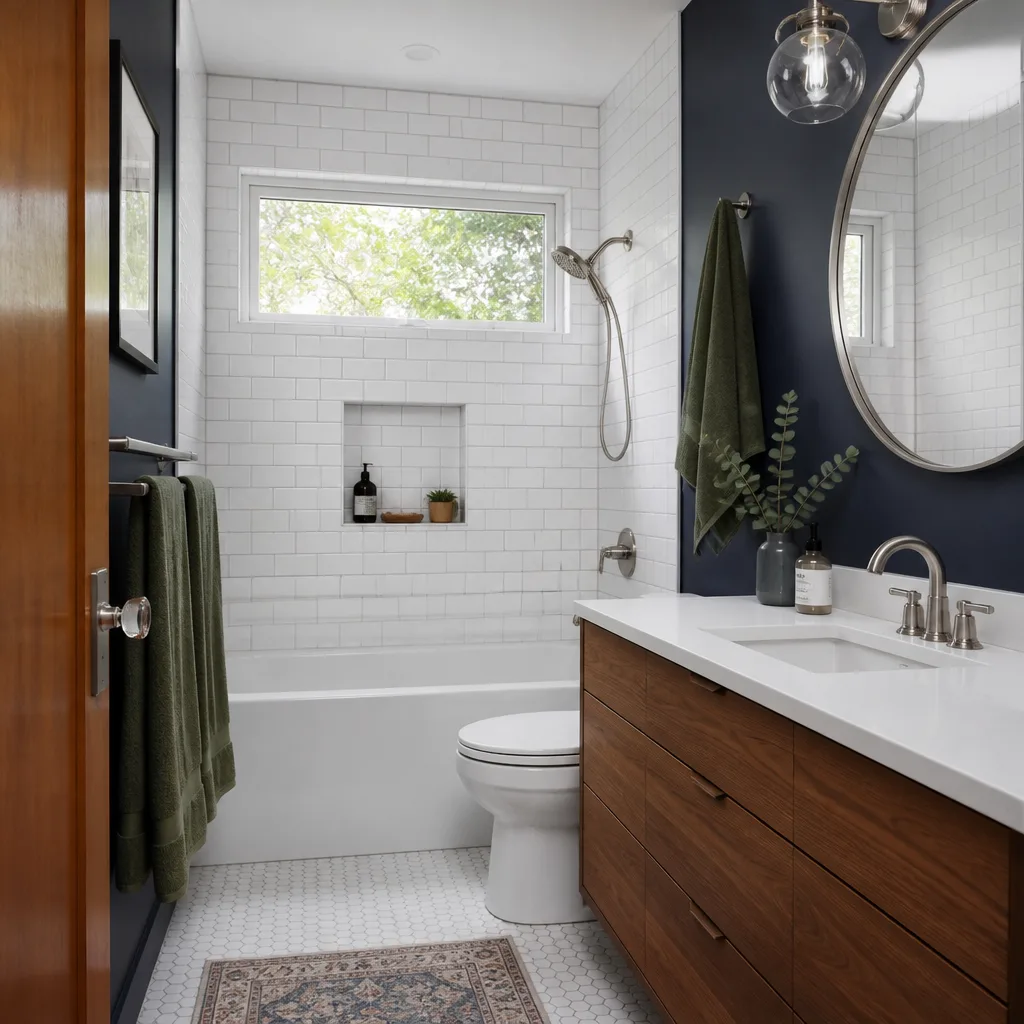
In Coral Gables, the “start and stop” question comes up most often on bathrooms. Homeowners frequently want to handle the tile themselves after a licensed contractor handles the rough-in. That’s a reasonable split, and it’s the kind of scope we’ll write into a bid if the homeowner asks. Our Bathroom Remodeling in Coral Gables page walks through what the rough-in stage involves on a typical Coral Gables bathroom project.
Coral Gables Climate and What It Does to DIY Results
Coral Gables humidity and salt air are hard on DIY work in ways most how-to videos don’t cover. This is one of the reasons we tell homeowners that “safe to do yourself” depends on more than skill – it depends on the local environment doing its part, and Coral Gables has a demanding one.
Concrete examples we see in Coral Gables:
- Paint cure windows. Interior paint in Coral Gables needs the right humidity range to cure. A DIY paint job in August with the AC off during prep can flash and fail. The same paint applied at a different time of year holds for years.
- Grout and sealant on exterior tile. Salt air and rain cycles destroy cheap sealant within one season. This isn’t a skill problem; it’s a product problem, and the right product costs more than the DIY-grade version.
- Wood trim and doors. Solid wood installed without acclimating to Coral Gables humidity will cup and gap within the first year. Acclimation takes weeks, and it’s the step most homeowners skip.
- Shower substrates. Florida’s moisture load makes substrate and waterproofing choices more important than the tile you set on top. A beautiful tile job over an incorrect substrate fails in a Coral Gables bathroom faster than in a dry climate.
None of this means you shouldn’t DIY. It means the material and timing choices matter more here than the tutorials suggest. When we build, we spec materials against the local climate and document every product against its manufacturer spec – Therma-Tru doors, for example, are rated for this humidity load, and we install them with the manufacturer’s spec as the benchmark, not a guess. That documented approach is part of what The Garrison Standard calls squared away: clean site, documented scope, and a written guarantee in your hand at close.
An Honest DIY Shortlist for Coral Gables Homeowners
Here’s the list we hand a homeowner who’s genuinely weighing DIY in Coral Gables. Every item on it is finish work, doesn’t require a permit, and won’t put a trade in a bind when they arrive later.
- Interior paint on rooms without significant repair. Prep is the whole job – sand, patch, prime, and don’t rush the cure.
- Cabinet hardware and refacing if you’re patient with layout. Door and drawer alignment is the difference between a clean look and a wobbly one.
- Tile backsplash over sound drywall. One of the best ROI DIY projects in any kitchen. A Kitchen Remodeling in Coral Gables project that includes a tile backsplash is a common example.
- Swapping fixtures on existing rough-in – a Kohler or Moen faucet in the same spot, a light fixture on the existing circuit, a showerhead.
- Trim, caulking, and touch paint after a professional job, if the contractor agrees. Confirm the scope in writing first.
- Landscaping and exterior cleanup – not a permit trigger, and it changes the curb impression of a Coral Gables home for relatively little money.
What’s not on the list, in any market: electrical panel work, new circuits, moving plumbing lines, removing walls, roof work above a one-story reach, and anything that requires an engineer’s stamp. Those sit on the licensed side in Florida regardless of how careful you are. If you want a broader view of what a Coral Gables project involves from the general-contracting side, our Bradford Remodeling Co Coral Gables home page lays out the offer, and our Bathroom Remodeling in Coral Gables page is the right starting point for a bathroom project that starts at the rough-in stage.
Common Mistakes to Avoid
- Skipping the permit because the work looks good. The permit isn’t a quality check on your craftsmanship; it’s the paper trail that protects your claim and your sale. In Coral Gables, buyers’ inspectors pull that record every time.
- Tiling over an unpermitted shower pan. This is the mistake from the opening. If the rough-in wasn’t inspected, your finish work is sitting on a liability.
- Using an unlicensed handyman for electrical or plumbing. A handyman can often legally do finish work. In Florida, they cannot legally run wiring, move a drain, or open a panel.
- Assuming the city and the county are the same permit authority. Coral Gables has city-level review that overlaps and sometimes adds to Miami-Dade County rules, and historic district properties bring another layer.
- Buying materials by price instead of spec in a humid climate. Cheap exterior sealant and non-acclimated wood fail faster in Coral Gables than anywhere else, and the rework usually costs more than the upgrade would have.
- Starting again from scratch because the wall came out wrong. Opening a wall in a Coral Gables home to “fix a small thing” routinely reveals a bigger rough-in problem. Stop and get a professional opinion before you keep going.
- Doing your own work without a written scope. Even for a DIY project, write down what you’ll do, what you won’t, and what a licensed trade must handle. It’s the same discipline we apply to every bid, and it saves arguments – including the ones with a future buyer.
See the difference
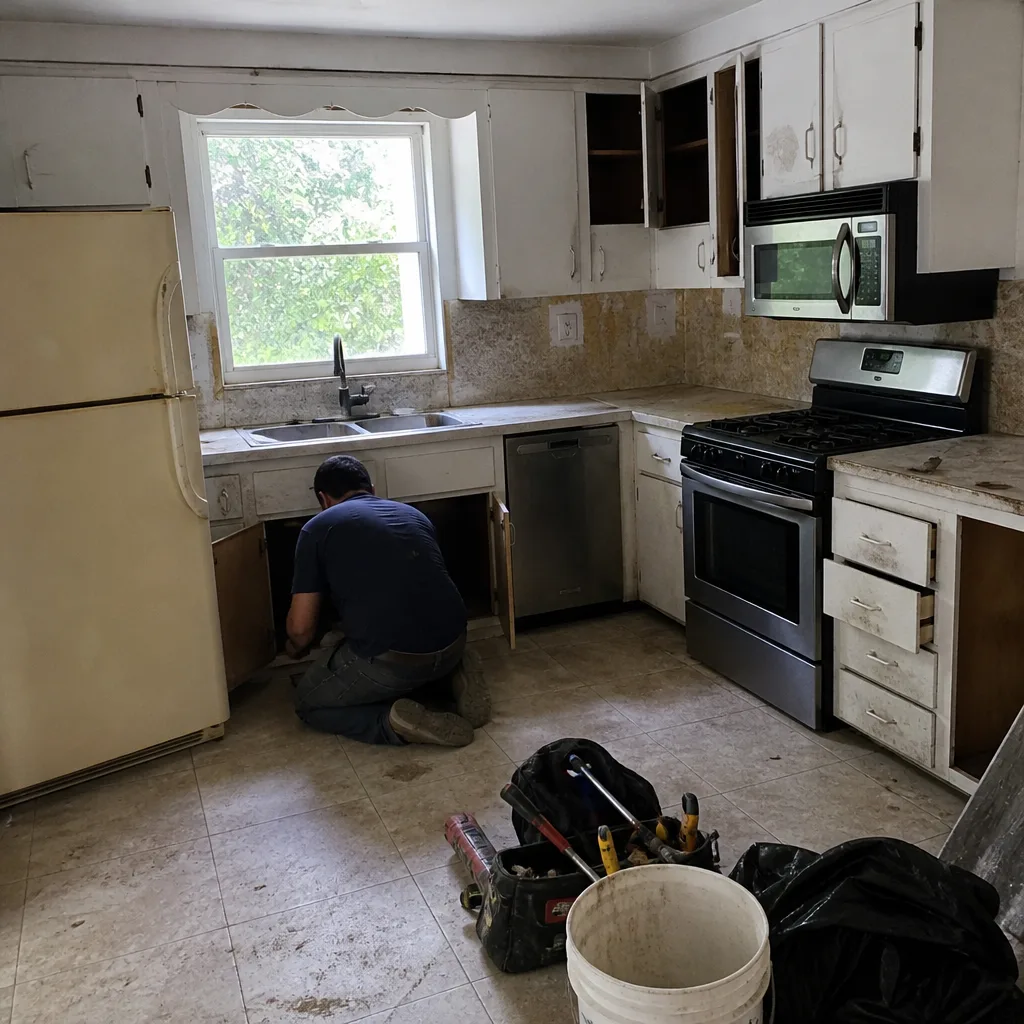 Before
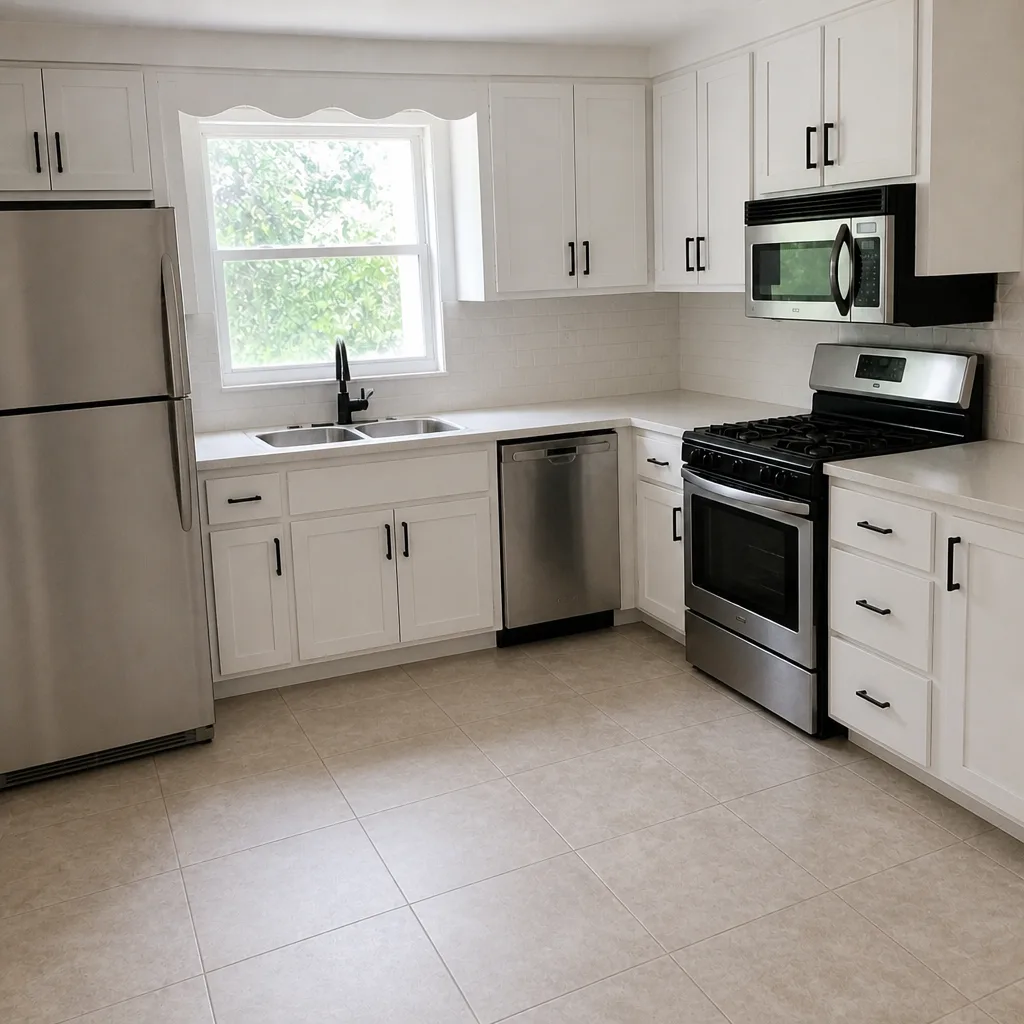 After
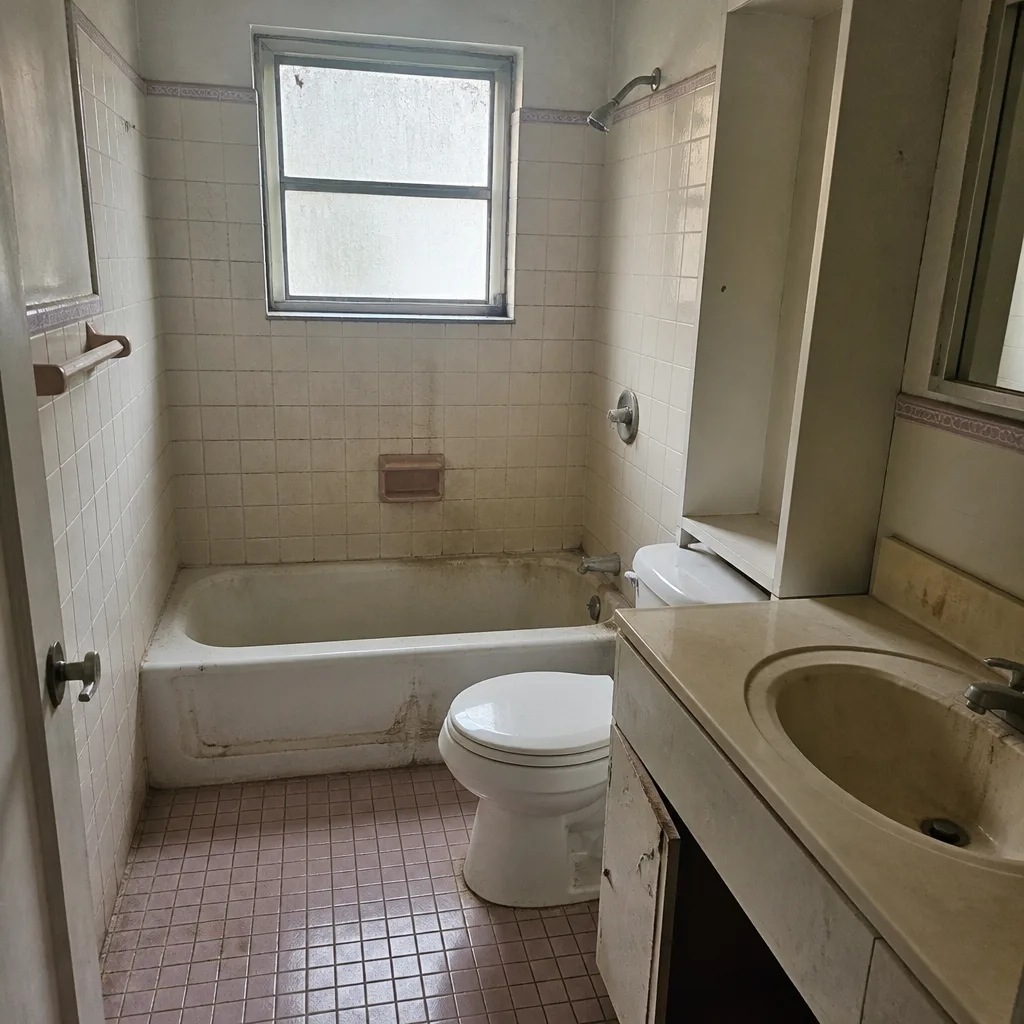 Before
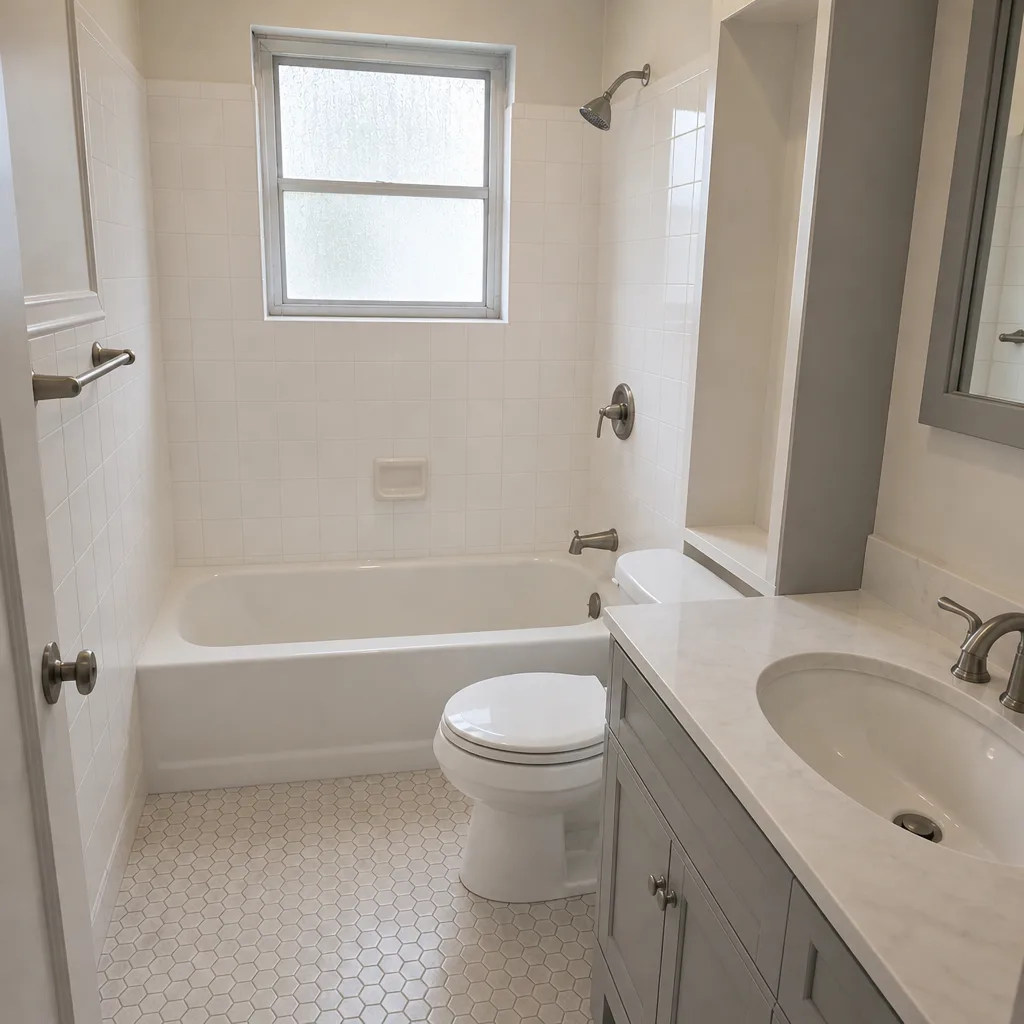 After
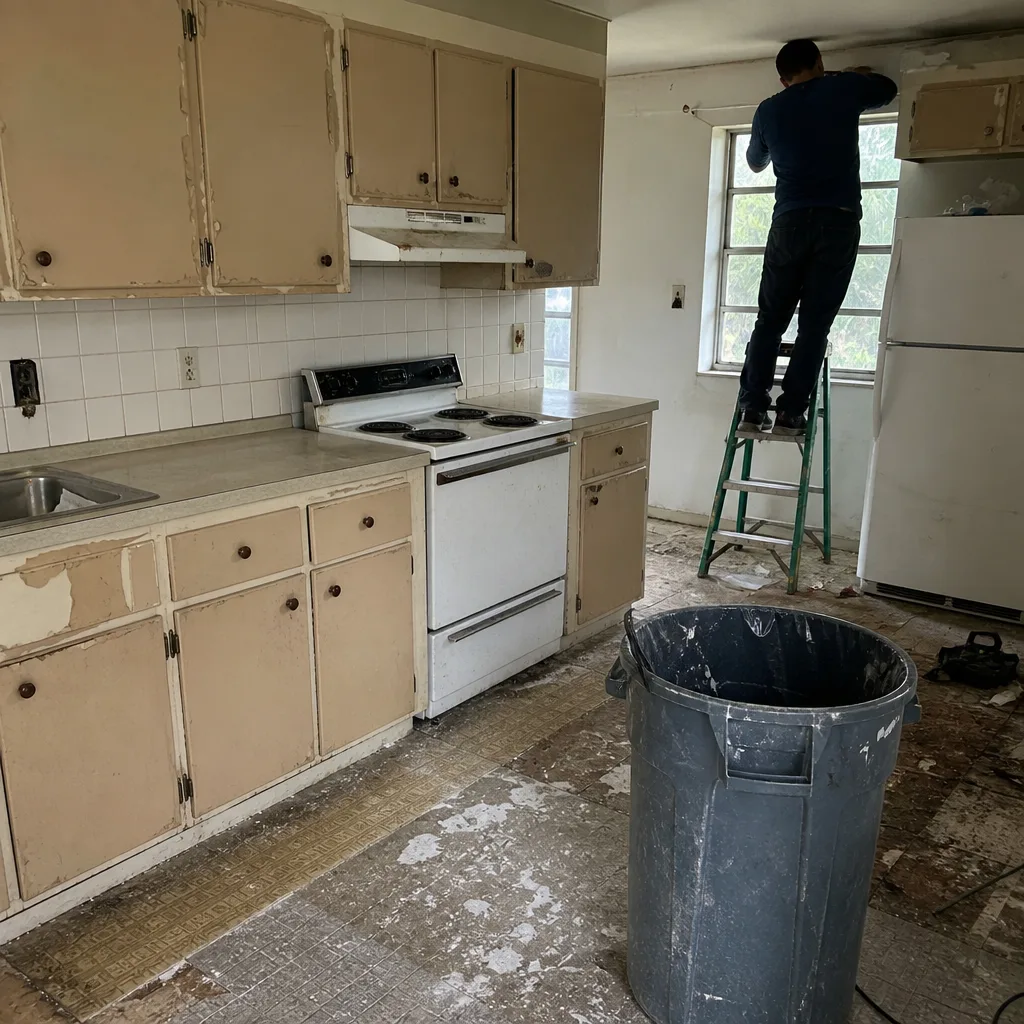 Before
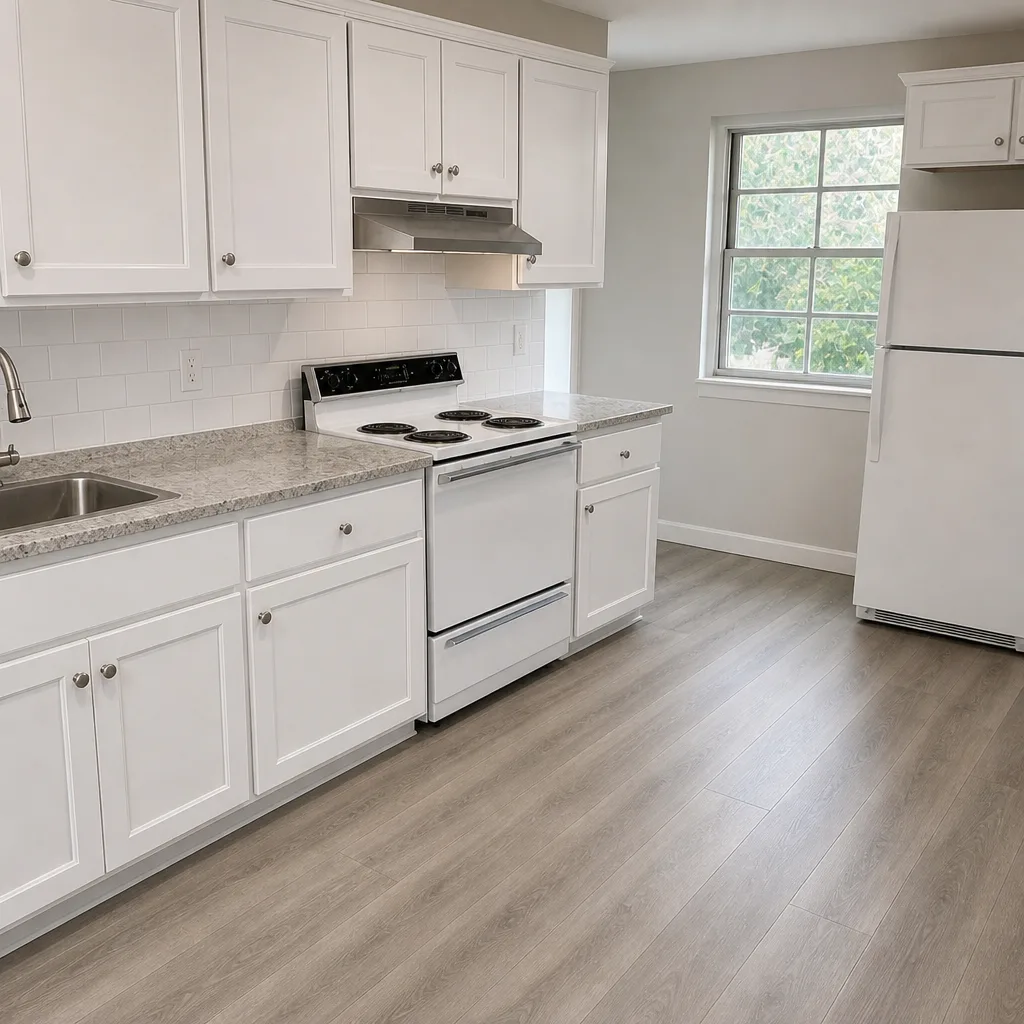 After
When to Call a Professional
Call a professional the moment your project crosses into rough-in, structural, electrical, plumbing, or gas territory, or the moment you find yourself wondering whether it needs a permit. That includes bathroom and kitchen remodels that move lines, any wall removal, any panel work, roof replacement, and any Coral Gables property in a historic district where exterior changes are involved. Call us too if you inherited an unpermitted job from a previous owner and need to sort out what has to be opened, fixed, and permitted to be brought to code. We’ve seen enough Coral Gables homes to know that the honest answer early is cheaper than the honest answer late. Bradford Remodeling Co Coral Gables offers free estimates in Coral Gables – call (833) 510-5367 to schedule yours, and every price we give is in writing before any work starts.
Frequently Asked Questions

Yes, if the work involves plumbing, electrical, structural changes, or a shower pan rebuild, you need a permit in Miami-Dade County – and the permit requires a licensed contractor for the plumbing and electrical portions. Cosmetic work like paint, tile over a sound existing substrate, and fixture swaps on the same rough-in generally doesn’t require a permit. When in doubt, ask the county before you start. Call us at (833) 510-5367 if you’d like a second opinion on where your project lands.
Electrical, plumbing, and structural work all require a state-licensed contractor in Florida. Most permitted building work requires a licensed general, building, or residential contractor. Finish trades like tile, drywall, and painting don’t require the same state license, but they should still carry insurance. If the work triggers a permit, the licensed trade on the permit is the one legally allowed to do that portion.
Yes. Most policies allow the carrier to deny or reduce a claim when damage traces to unpermitted or non-code work, and in Coral Gables that’s a serious problem given the storm and humidity load. The claim you can’t file is the real cost. If you’ve inherited unpermitted work, get it inspected and permitted before a small leak becomes a large one. Call (833) 510-5367 for a free assessment.
Often yes, and it’s a reasonable split for a Coral Gables bathroom. The critical rule is that the rough-in – shower pan, valve, waterproofing – must be permitted and inspected before you set the first tile. Finishing over unpermitted rough-in puts your labor on top of a liability. Ask the contractor to write the scope boundary into the bid so everyone is clear on who does what.
Rough-in is everything inside the wall before it closes – plumbing lines, wiring, framing, ductwork, valve bodies. Finish work is everything visible after inspection – tile, paint, trim, cabinetry, fixtures. The split matters because rough-in carries the permits and licenses, while finish work is where a careful homeowner can safely save real money. Start your own work only after the rough-in has passed inspection.
Check with the City of Coral Gables before any exterior change. Historic district properties can require a preservation review on top of the standard county permit, and that review sometimes includes things homeowners don’t expect, like exterior paint color. It’s easier to confirm before you buy materials than after. Call us at (833) 510-5367 if you want to talk through what a Coral Gables project looks like from the permit side.
The Bottom Line
DIY vs professional home remodeling isn’t a question of whether you’re capable. It’s a question of liability, permits, and downstream trade work. Cosmetic finish work – paint, tile backsplash, hardware, trim, fixture swaps on existing rough-in – is genuinely safe and often a good return on your time. Anything that triggers a Miami-Dade County permit, touches a load-bearing element, or involves electrical, plumbing, or gas belongs in licensed hands, and in Coral Gables that includes a city-level review for historic properties. Protect your permit history like you’d protect your title. If you’re not sure where a project lands, get a written opinion before you buy materials – the honest answer early is cheaper than the honest answer late.
Get a Written Estimate Before You Decide
If you’ve read this far and you’re still on the fence about a Coral Gables project, the next step is a free estimate, not a purchase. We’ll walk your space, tell you plainly which parts are finish work you can handle and which parts require a licensed contractor and a permit, and put the whole scope and price in writing before any work starts. Every completed project carries the 365-Day Done Right Promise, and our technicians have up to 22 years of experience. Bradford Remodeling Co Coral Gables is part of the Garrison Partners family, independently owned and operated under The Garrison Standard – disciplined, documented, squared away. Call (833) 510-5367 for a free estimate, and we’ll answer on a live person, not a voicemail.
Written by the team at Bradford Remodeling Co Coral Gables.