Last updated November 17, 2026




Free written scope consultation - allowances, timeline, and change-order rules on paper before a single trade is scheduled
Seasonal Construction Care for Coral Gables: Year-Round Homeowner’s Guide
June 1 is not just the official start of hurricane season. It’s also the date by which roofing contractors across South Florida are booked solid. Homeowners who wait until May to call for a pre-season roof inspection are already too late, and they usually find out the hard way when the first named storm spins up in the Atlantic. Coral Gables doesn’t run on four seasons. It runs on a wet season, a dry season, a hurricane prep window, and a post-storm recovery window. Each one asks something different of your house. This guide maps the year to that real calendar, so you’re scheduling work when the trades are available and the weather cooperates instead of scrambling after the damage is done.
Quick Answer
In Coral Gables, schedule exterior work like stucco, painting, roof tile, and flatwork during the dry season from November through April, when humidity drops and materials cure properly. Book pre-hurricane-season inspections in March or April before contractors fill up, and plan interior projects for the wet season from June through October when the work happens indoors anyway. Post-storm, document everything before anyone touches the site.
Styles & brands we work with
- Kitchen remodeling
- Bathroom remodeling
- Home additions & ADU
- Roofing
- Windows & doors
- Driveway & pavers
- Fence
Table of Contents
- Why the Dry Season Is Your Exterior Work Window
- The March to May Pre-Hurricane Checklist
- Wet Season Interior Projects: HVAC, Humidity, and Drywall
- Post-Storm Triage: Documenting Before Anyone Touches the Site
- Tree Canopy Management and Your Foundation
- Common Mistakes to Avoid
- When to Call a Professional
Why the Dry Season Is Your Exterior Work Window
South Florida’s dry season, roughly November through April, is when stucco sets, paint cures, and flatwork finishes without a fight against the sky. Humidity drops, afternoon thunderstorms become rare, and the materials behave the way their manufacturers designed them to. That matters more than most homeowners realize. Stucco applied in 85 percent humidity and 90-degree heat can flash-cure on the surface while staying soft underneath, which leads to hairline cracking and a surface that never bonds right.
Here’s how the cure times shift between seasons:
- Stucco: Three to seven days to cure in dry season; stretch it out in wet season, and plan for shade cloth to slow surface drying.
- Exterior paint: Latex paints want temperatures between 50 and 85 degrees. Midday summer heat pushes that ceiling, so crews end up painting at dawn.
- Roof tile and flatwork: Concrete flatwork pours cleanest when rain isn’t in the forecast for 48 hours. A single afternoon storm can wash out a fresh slab.
- Exterior trim and Hardie siding: Installation itself tolerates humidity, but caulk and paint joints need the same dry window as paint.
In Coral Gables, the dry season is also when crews are actually available. Roofers juggle repair calls all summer, but tile replacement and full re-roofs move on a schedule during the winter. If your plan includes exterior work, start the conversation in September or October so the job lands in that November-to-April slot rather than getting pushed to the following year.
We’ve seen one pattern repeat across Coral Gables: a homeowner notices ceiling staining in August, calls during the wet season, and waits six weeks for a tile repair while the stain grows. Getting the roof inspected in the dry season costs the same and takes days, not weeks.
The March to May Pre-Hurricane Checklist
Between March and May, roofing contractors and window crews across South Florida fill their calendars. That window is your best chance to catch a problem before storm season, but only if you start early. Some items need a licensed contractor’s eyes. Others you can assess yourself in an afternoon.
What a licensed contractor should inspect
- Roof covering and flashing: Cracked tile, lifted shingle tabs, and failed flashing around chimneys, skylights, and valleys. A contractor can spot the small failure that turns into a ceiling leak.
- Impact window seals and frames: The glass itself rarely fails, but the sealant and frame anchors do. A contractor can check the perimeter sealant, the mounting screws, and whether any panes have lost their seal.
- Garage door track, springs, and anchors: Garage doors are the largest opening on most Coral Gables homes. The springs, cables, and track anchors take real load during a hurricane. High-tension springs and cables can injure or kill someone who isn’t trained on them. Leave this to a licensed door technician rather than trying to adjust the assembly yourself.
- Hurricane shutter hardware: Anchor bolts, wing nuts, and track condition. A contractor can tell you whether your shutters still meet the wind-load requirements for your zone.
- Soffit and fascia attachment: Loose soffit panels peel off in high wind and let water into the attic. This is a contractor job, not a ladder job.
What you can assess yourself
- Walk the yard and note any loose fence panels, planters, or outdoor furniture that need to come inside.
- Check that you have the mounting hardware for every shutter, and that the label on each panel matches its window.
- Look for water stains on ceilings and along the tops of walls after a heavy rain. A stain is your first clue that something failed.
- Confirm your insurance documentation is current, and photograph the exterior of the house while the weather is good.
If you’re planning a broader exterior project this year, our general contractor in Coral Gables page walks through what a full scope looks like and how pricing gets set before the crew shows up.
Wet Season Interior Projects: HVAC, Humidity, and Drywall
June through October is when the work moves inside. The wet season is a good window for kitchens, baths, and primary suite remodels, because the weather doesn’t gate the schedule the way it does for a roof. That doesn’t mean humidity is a non-issue. Three things shift in the summer months.
HVAC load. Your AC is running at peak capacity through the wet season, and a remodel adds a load it wasn’t sized for. Crews working inside with doors open pull in humid air. That humid air drives the system harder and can push interior temperatures into the high 70s during the day. Planning for temporary cooling and dehumidification during the dusty phases keeps the house livable and the materials stable.
Drywall acclimation. Drywall and joint compound absorb moisture from the air. Deliver drywall to the house a full 48 hours before hanging and let it acclimate to interior conditions. Skip that step and you can get joint compound that never fully sets or a texture that cracks within the week. In Coral Gables, where summer humidity hovers around 75 to 80 percent, acclimation is not optional.
Wood movement. Cabinetry, baseboards, and trim move with humidity. Cabinets showing up from the manufacturer need time in the climate-controlled house before install. We work with KraftMaid and Wellborn cabinetry, and both publish acclimation guidance in their installation specs. Following it protects the cabinets and the kitchen layout you actually planned. Our kitchen remodeling in Coral Gables page covers how a summer timetable is built around this.
The upside to starting interior work in the wet season is that trades are less booked than they are in the winter months. That’s not a pitch. It’s the calendar. Kitchen and bath crews run tighter schedules from November through April, when everyone wants their house squared away.
Post-Storm Triage: Documenting Before Anyone Touches the Site
After a storm, the first 48 hours matter more than every other part of the year combined. Document before you touch anything. Insurance claims are won or lost on the paper trail, and the moment a contractor starts work, the evidence is gone.
- Photograph everything before moving anything. Full exterior from multiple angles, close-ups of every damaged area, interior ceiling stains, and the areas around the base of each window and door. Timestamped photos on your phone count.
- Write a dated inventory. List every damaged item, the room it’s in, and the approximate value. Don’t clean up until you have it.
- Save any wet materials in place. A soaked ceiling tile or swollen baseboard is evidence. A contractor who tells you to throw it out before your adjuster sees it is telling you the wrong thing.
- Call your insurer before you call a general contractor. The adjuster’s report and the contractor’s estimate should match the scope. The contractor is not the person to file a claim for you.
- Photograph any tarp or temporary repair. If you have to protect the house from further water damage, document it first and keep receipts.
Then there’s the other problem: storm-chaser contractors. After every major storm, out-of-state crews show up in Coral Gables with magnetic signs and a price that undercuts everyone. Some are legitimate. Many are not. Watch for these signs:
- No physical office address you can verify, or an address that’s a PO box or a hotel.
- Asks for a large deposit in cash before any work starts, or asks you to sign a contract that isn’t itemized.
- Offers a “deductible waiver” or “we’ll handle the insurance for you.” That’s insurance fraud in Florida.
- Can’t produce a written crew list or proof of insurance.
- Pushes you to sign on the spot. A contractor with a real backlog doesn’t work on the sidewalk.
Bradford Remodeling Co Coral Gables works only from a written price before any work starts, with every scope item itemized. That’s the standard to hold any contractor to after a storm, whether you call us or not. For more on our full project scope, our Bradford Remodeling Co Coral Gables home page lays out how we run a job.
Tree Canopy Management and Your Foundation
Coral Gables has one of the most protected tree canopies in South Florida, and that shapes your construction calendar as much as the weather does. Live oaks, royal palms, and gumbo limbos drop limbs during storms, and roots travel farther than most homeowners expect. The arborist schedule is not optional.
Prune before hurricane season, not after. Arborists who work in Coral Gables fill their spring schedules by April, so the best time to book is February or early March. A certified arborist knows the city’s tree protection code and what you can legally remove. Skip the arborist and trim yourself, and you can run into a code violation if you touch a protected tree.
Root zones matter for foundations and flatwork too. The rule of thumb: a tree’s root zone extends roughly one to two times the diameter of its canopy. A live oak with a 60-foot canopy can influence soil and moisture 60 to 120 feet out. That means the driveway, patio, or slab you pour in a Coral Gables yard may sit over an active root system. A concrete contractor should take that into account before forming the slab, because a root that heaves a sidewalk three years later is a repair bill, not a design flaw. If your plan runs to hardscaping, Belgard pavers are a common spec here, and they can flex with minor soil movement where a poured slab cannot.
Tree work also touches your roof. Limbs that overhang the roof drop debris and shade it, which matters more in Coral Gables than most places because the shade holds moisture against shingles and tile. Pruning back overhang before the wet season protects the roof and reduces the litter that clogs your gutters.
Seasonal Construction Care Calendar for Coral Gables

Here’s the year at a glance, mapped to the four real seasons in Coral Gables rather than the textbook four.
- November to April (dry season): Roof tile, stucco, paint, flatwork, hardscaping, exterior window and door replacement. Materials cure properly, and crews are available. This is the window for every exterior project on your list.
- March to May (pre-hurricane prep): Roof inspections, impact window seal checks, garage door service, shutter hardware, tree pruning. Book by early March. Roofers are booked solid by May.
- June to October (wet season): Kitchens, baths, interior remodeling, flooring, cabinetry, paint. Plan for HVAC load, drywall acclimation, and dehumidification. Trades are more available than in winter.
- Post-storm, as needed: Document first, call your insurer, then call a contractor. Never sign anything before your adjuster sees the damage.
There’s an argument to be made for reversing every instinct you have about when to start a remodel. Most Coral Gables homeowners want the kitchen done before the holidays and the roof done after the holidays. Both put you in the busiest window for whichever trade you need. The quieter move is to plan the roof for January and the kitchen for June. That’s not what your neighbors do, and that’s exactly why both get scheduled.
See the difference
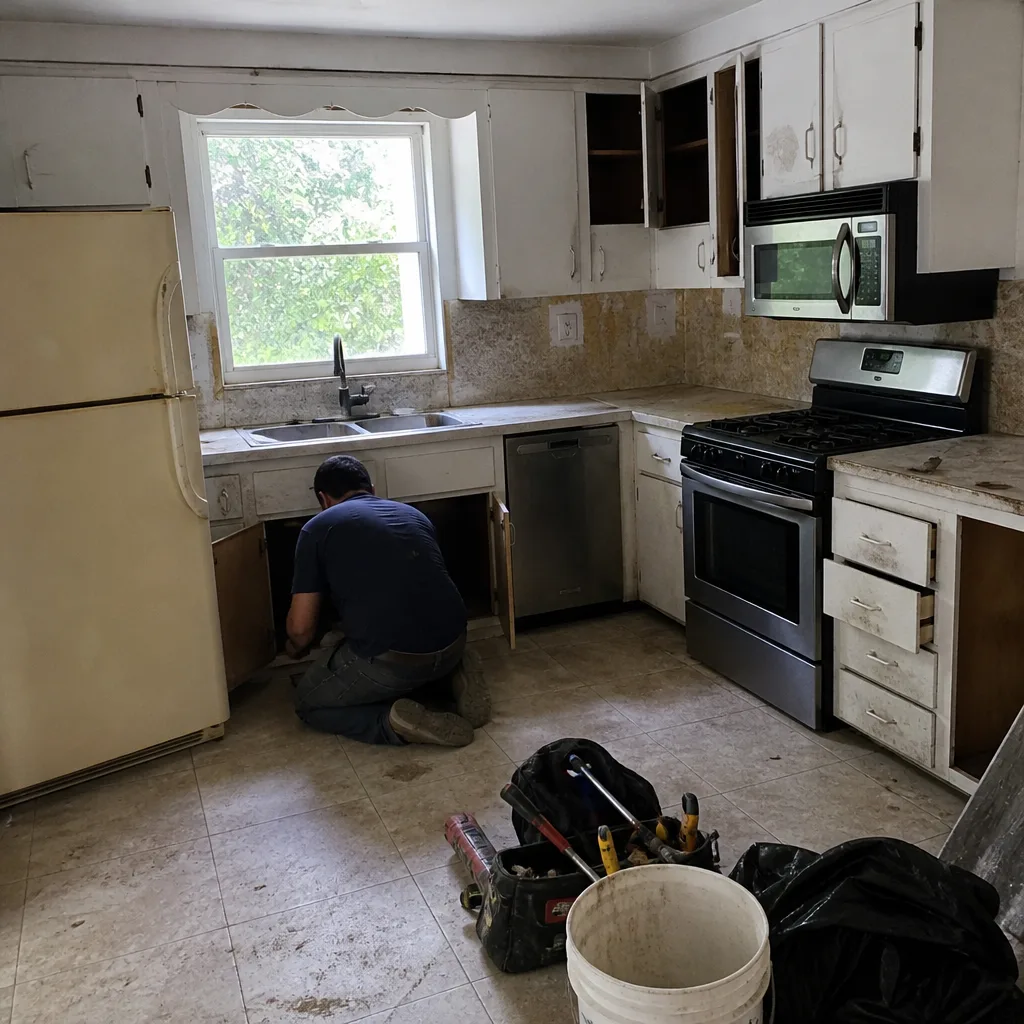 Before
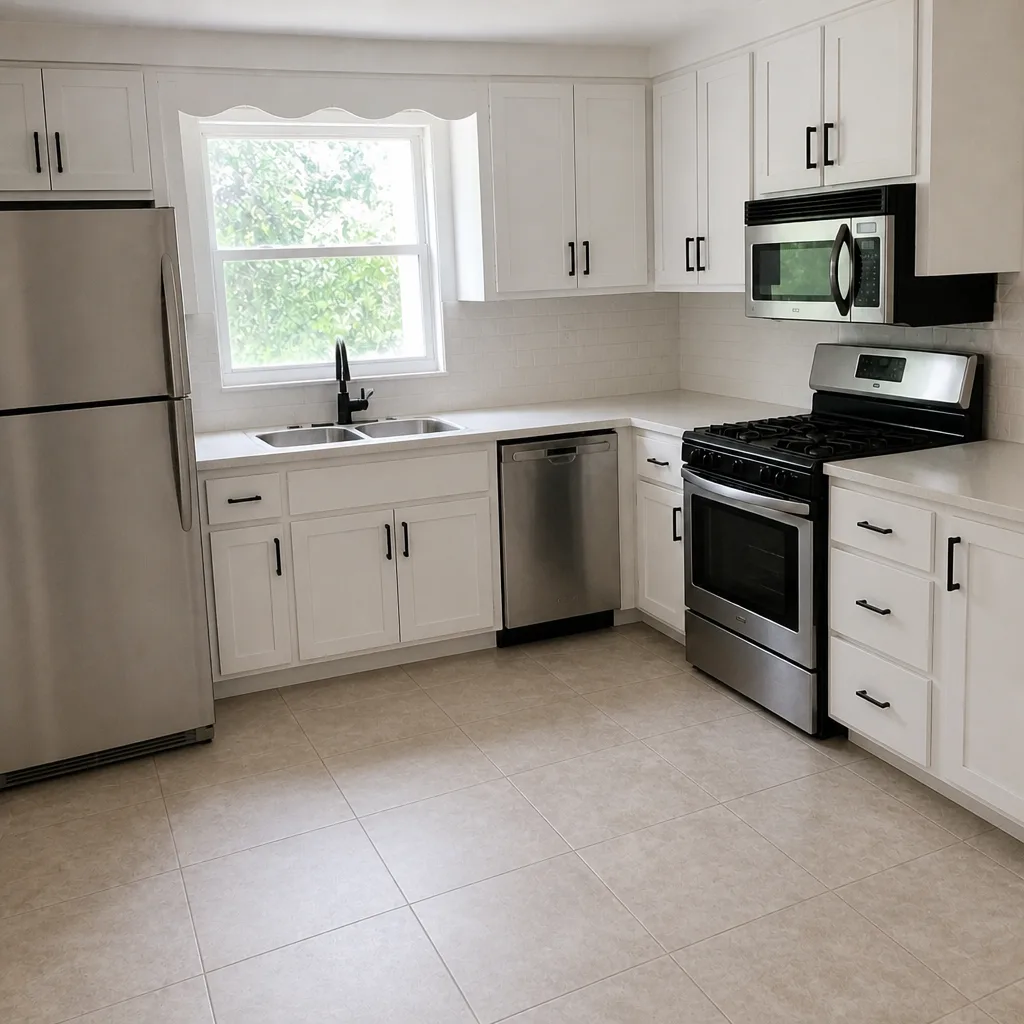 After
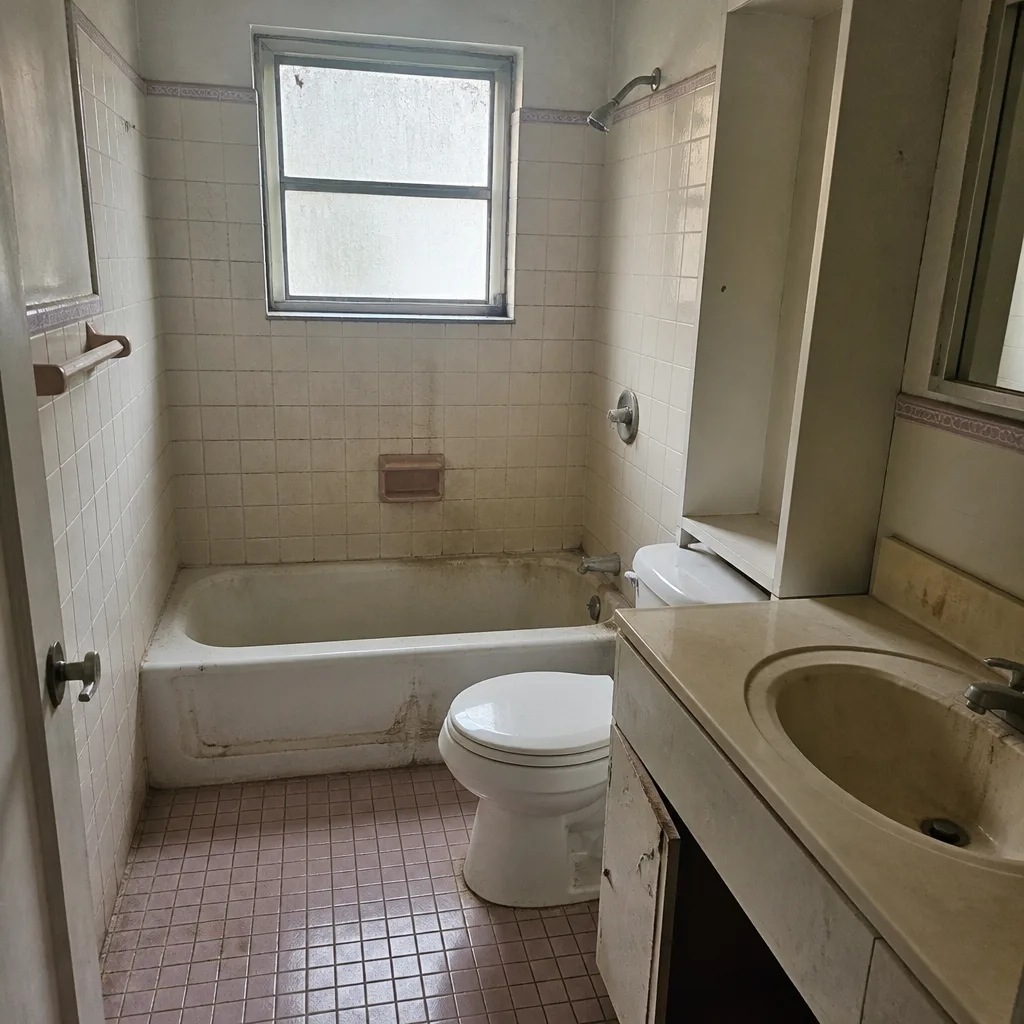 Before
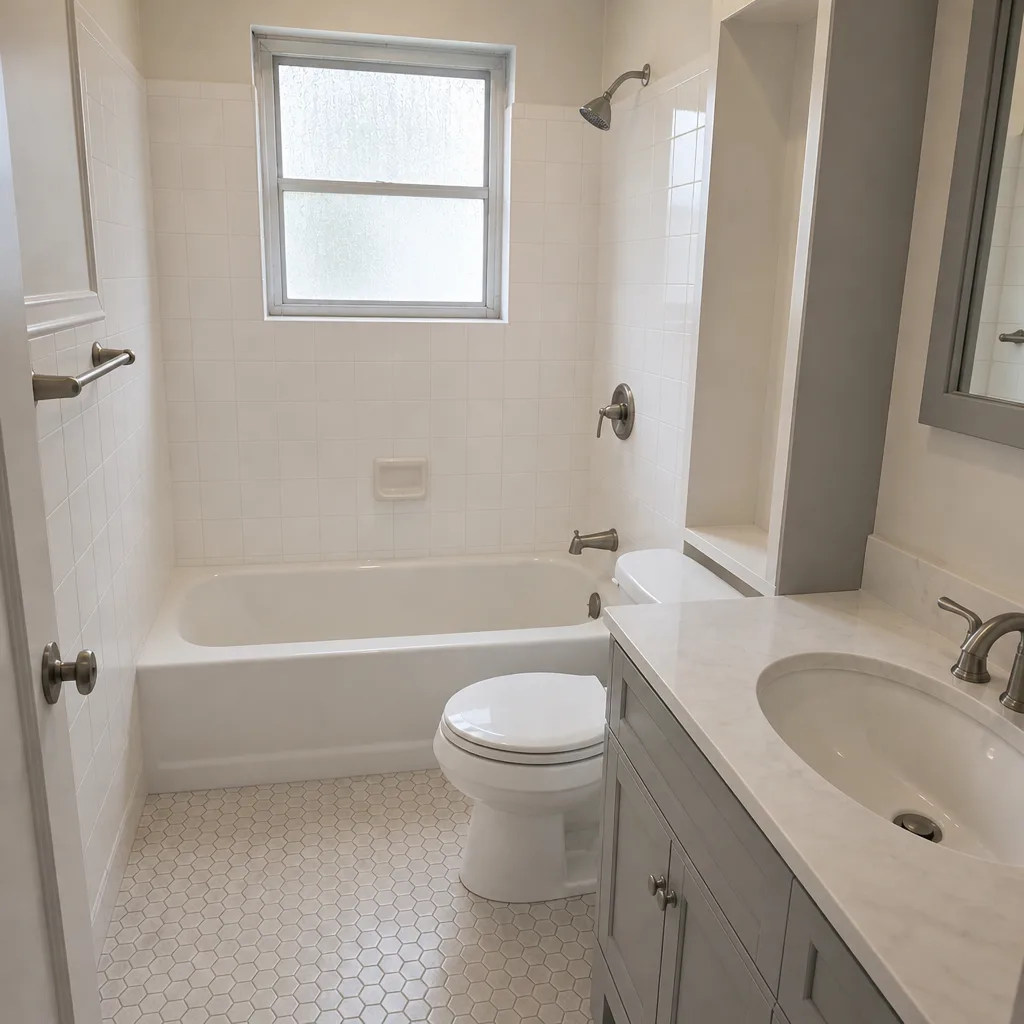 After
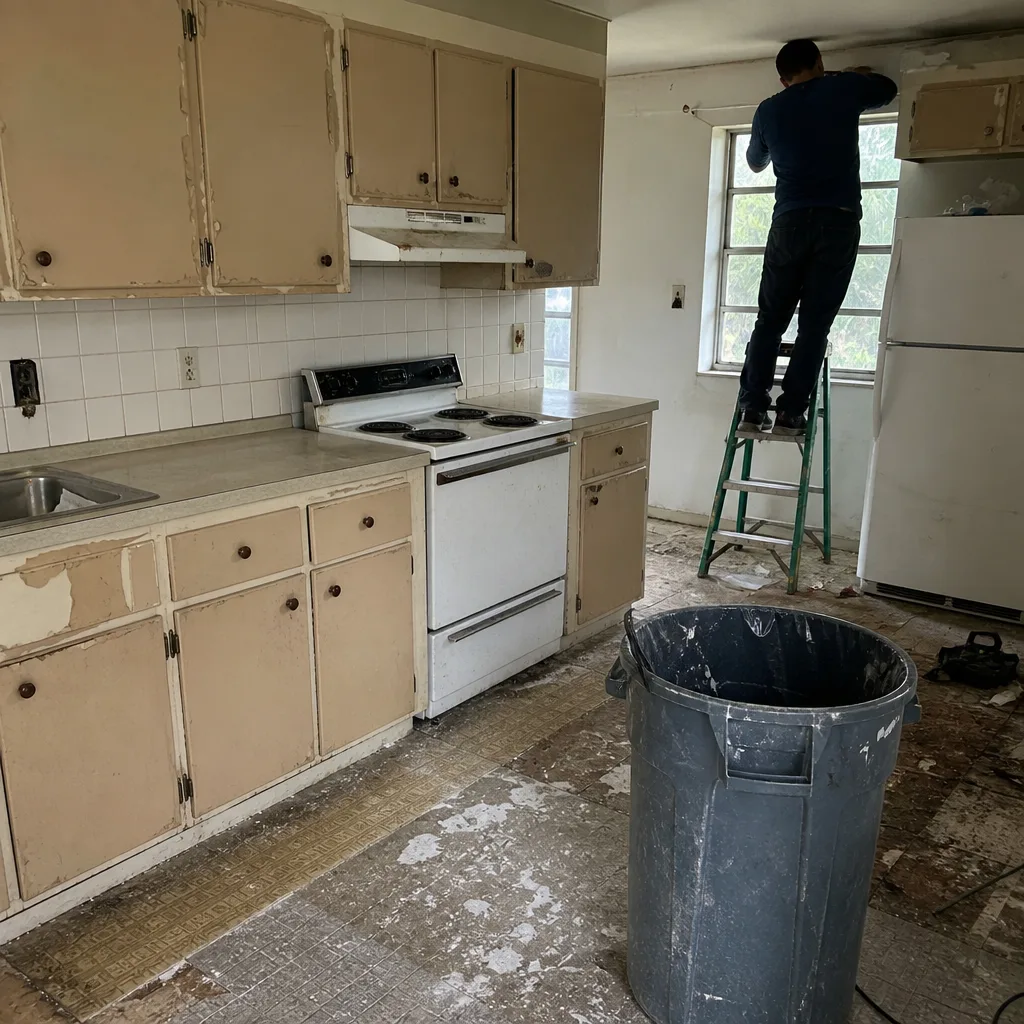 Before
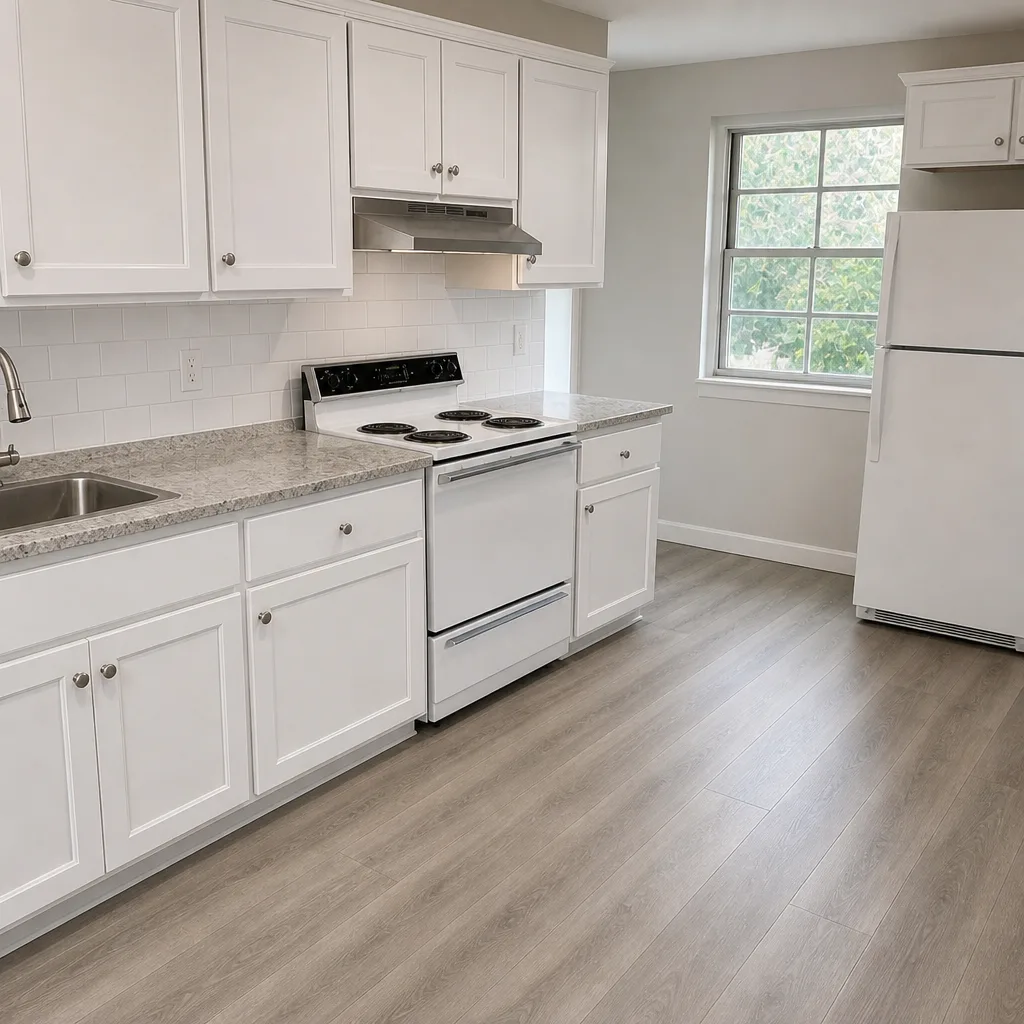 After
Common Mistakes to Avoid
- Waiting until May to call a roofer. Pre-hurricane roofing contractors fill up fast in South Florida. A May call often means a late-June inspection and a repair that waits until fall.
- Painting the exterior in July. Summer heat and humidity can make paint flash-dry before it bonds. The finish may look fine for a few months, then crack or peel. The dry season exists for a reason.
- Hanging drywall the day it’s delivered. Drywall dropped off in the July heat and hung the same afternoon can swell and shift after install. Acclimate it for at least 48 hours, and keep the AC running.
- Cleaning up storm damage before photographing it. Once the soaked drywall is in the dumpster, the adjuster can’t confirm the scope. Document first, clean up second.
- Hiring the first contractor who knocks after a storm. A legitimate contractor in Coral Gables has a backlog after a storm. The one at your door offering a cash-only deal before the adjuster even shows isn’t working from the same playbook.
- Ignoring the root zone before you pour a slab. A driveway poured over a live oak’s root system can heave within a few seasons. Have the slab plan checked against the tree canopy plan first.
- Letting the attic go without a check in the dry season. A slow roof leak soaks insulation for months before it shows on the ceiling. A dry-season attic inspection catches it while the repair is still small.
When to Call a Professional
Some of this year’s list you can handle yourself: tightening shutter wing nuts, photographing the exterior, moving patio furniture. The list that needs a licensed trade is longer than most homeowners expect. Roof repairs, impact window seal repairs, garage door springs and tracks, structural stucco repair, and full HVAC work all belong with a licensed contractor for good reason. High-tension garage door springs can injure or kill someone who isn’t trained on them, and a stucco repair that fails on the first rain puts water inside a wall cavity where you can’t see it. In Coral Gables, call for a professional the moment a ceiling stains, a window seal fails, or a roof tile lifts. Bradford Remodeling Co Coral Gables offers free estimates in Coral Gables – call (833) 510-5367. Every price is written before any work starts, and our technicians have up to 22 years of experience.
Frequently Asked Questions
The best window for exterior work in Coral Gables is the dry season, roughly November through April. Stucco, paint, roof tile, and concrete flatwork all cure best when humidity is lower and afternoon storms are rare. Book the project by October so the job lands in that window instead of being pushed back.
Yes, and earlier than most homeowners expect. Roofing contractors in South Florida are booked solid by May, so a March or early April inspection is your realistic window. An inspection catches lifted tile, failed flashing, and small leaks while the repair is still small. Call (833) 510-5367 to schedule a free estimate before the calendar fills.
Yes, and summer is a smart time for kitchens and baths in Coral Gables because the work happens indoors. The job needs HVAC planning, drywall and cabinet acclimation, and dehumidification during the dusty phases. Kitchen and bath crews are also less booked in June through October than in winter. Call for a free estimate and we’ll walk through the timeline.
The first thing is to photograph everything before moving anything. Full exterior angles, close-ups of damage, interior stains, and timestamped phone photos all count. Then call your insurance company before a general contractor. Don’t let anyone throw out wet materials until your adjuster has seen them.
Watch for the pattern: no verifiable local office, cash deposit demanded up front, a contract that isn’t itemized, and a promise to handle your insurance claim. Those are warning signs. A legitimate contractor gives you a written price before any work starts and doesn’t ask you to sign on the sidewalk. Call (833) 510-5367 for a free estimate from a contractor that puts the price in writing.
A tree’s root zone can extend one to two times the diameter of its canopy, which means a large live oak can influence soil and moisture well beyond the drip line. Before pouring a slab, driveway, or patio, have the plan checked against the tree canopy. It’s also worth booking a certified arborist in February or March to prune before hurricane season.
The Bottom Line

Coral Gables doesn’t run on four seasons. It runs on a dry season for exterior work, a hurricane prep window that fills up fast, a wet season for interior remodels, and a post-storm recovery window with its own rules. Plan the roof and exterior for November through April. Book the pre-hurricane inspection in March. Save the kitchen for summer. Document everything before anyone touches a post-storm site. That calendar will keep a Coral Gables home squared away year-round, and our bathroom remodeling in Coral Gables page walks through the interior scope that fits the wet-season window.
When you’re ready to put a project on the calendar, call Bradford Remodeling Co Coral Gables at (833) 510-5367 for a free estimate. Every price is written before any work starts, and every completed project carries the 365-Day Done Right Promise: if the work fails inside the first year, we come back and make it right at no charge. A live person answers the phone around the clock. We work only with a documented roster of name-brand materials, so your specifications are traceable and the quality isn’t left to guesswork. Let’s get your Coral Gables home squared away before the season turns.
Written by the team at Bradford Remodeling Co Coral Gables.