Last updated November 17, 2026


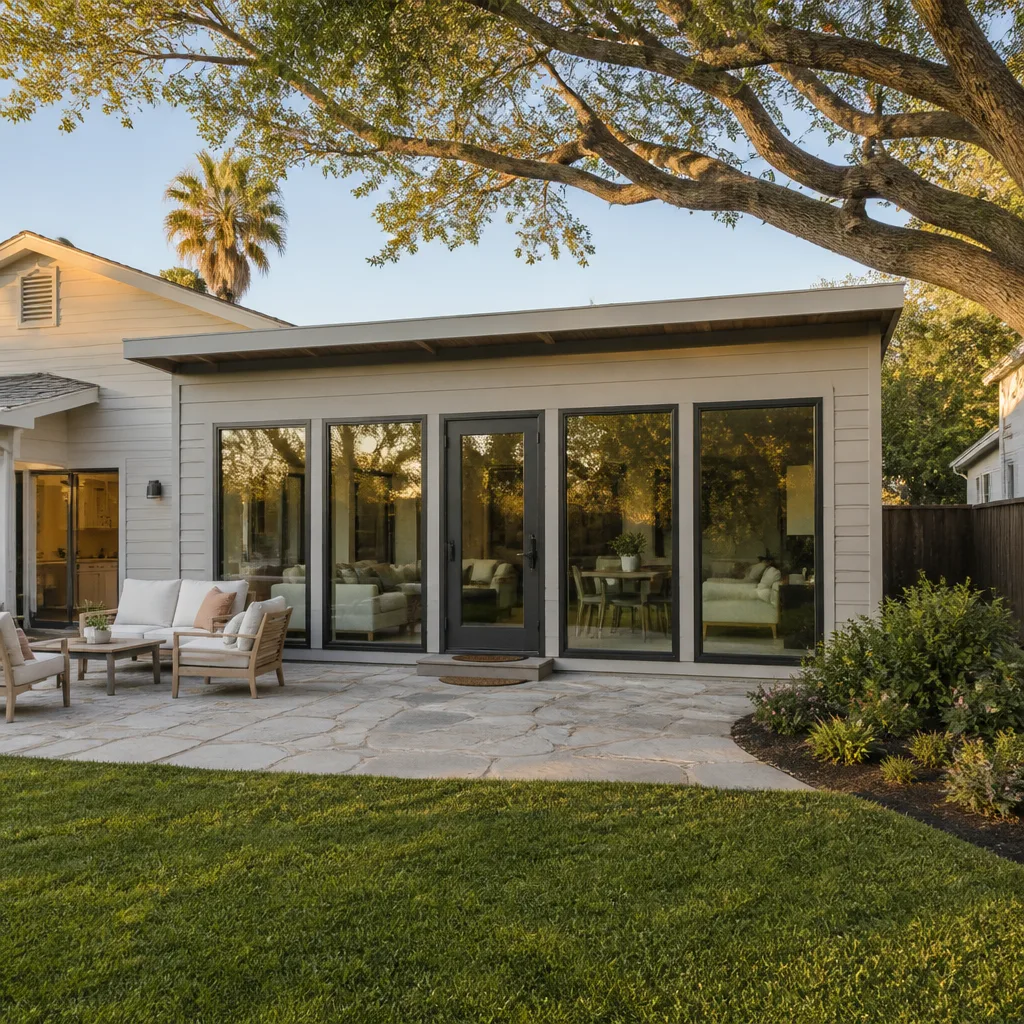

Free written scope consultation - allowances, timeline, and change-order rules on paper before a single trade is scheduled
Construction Emergency Preparedness Guide for Coral Gables Homes
If a contractor strips your roof deck for a re-roof and a tropical storm forms in the Atlantic, you need a written contingency protocol in your contract before work starts, not after the forecast drops to 48 hours. It happened in Coral Gables in September 2022, when a system spun up fast enough that half-finished roofs across the city sat open to the rain. Most preparedness guides treat storm protection and construction as separate topics. They aren’t. This guide covers both: how to protect a home while it’s mid-remodel and how to protect a finished one from the storms and infrastructure failures that come with South Florida. You’ll get contract language to insist on, triage steps for after a storm, and the fraud traps to spot when someone knocks on your door.
Quick Answer
Construction emergency preparedness in Coral Gables means writing weather contingencies, site security, and utility shutdown protocols into your remodeling contract before work begins, then knowing how to triage a post-storm home before you sign anything or file an insurance claim. The two scenarios – protecting an active job site and protecting a finished home – need separate plans, separate documentation, and in Florida, separate insurance conversations.
Styles & brands we work with
- Kitchen remodeling
- Bathroom remodeling
- Home additions & ADU
- Roofing
- Windows & doors
- Driveway & pavers
- Fence
Table of Contents
- What Your Contract Must Say About Weather Contingencies
- Job Site Security and Liability During Active Construction
- Post-Hurricane Triage for CBS Homes: Structural vs. Cosmetic
- Utility Disruption Protocols During a Remodel
- Emergency Contractor Fraud and Florida’s Assignment of Benefits Law
- Permits, Inspections, and the Temporary Certificate of Occupancy
- Building a Pre-Season Checklist for Coral Gables Homeowners
- Where Preparedness Starts: Choosing the Contractor
What Your Contract Must Say About Weather Contingencies
Florida law doesn’t require a remodeling contract to spell out what happens if a named storm hits mid-job. That means the homeowner has to demand it. In Coral Gables, where a re-roof or a second-story addition can leave a house open for two to three weeks, the gap matters. We’ve seen contracts that address the weather with one line: “Contractor not responsible for acts of God.” That line protects the contractor and leaves you holding the tarp.
Your contract should address four things in writing, before the first tool comes out:
- Temporary waterproofing standard. Name the material and the method. For an open roof deck, that means a specified underlayment or a properly weighted reinforced tarp, not a blue poly sheet stapled down. Ask what gets installed at the end of every workday when rain is in the forecast.
- Tarping trigger and timeline. Who decides when to tarp, and how fast? A workable standard is tarping within a set number of hours when a tropical storm watch is issued. Get the number in writing.
- Cost allocation for storm damage. If a named storm damages exposed framing or newly installed materials, who pays to correct it? The clean answer: the contractor’s responsibility up to the point of substantial completion, backed by their insurance, with the mechanism named in the contract.
- Schedule suspension and resumption. A storm might push the schedule a week or a month. Specify that delays are documented and that the resumption date is set in writing, not left to a phone call.
Ask for a certificate of insurance that names you as an additional insured for the duration of the project. A contractor who hesitates on that request is telling you something. Our own written price covers the full scope before work starts, and weather protocols are part of that scope, not an afterthought. You can read more about how we structure a project on our General Contractor in Coral Gables page.
Job Site Security and Liability During Active Construction
An active job site in Coral Gables is a liability exposure for the homeowner as well as the contractor. Under Florida law, the property owner can be pulled into a premises liability claim if someone is injured on an active site, even when the contractor is running the work. The protection is documentation and physical control.
Here’s what should be in place while your house is under construction:
- Permit posting. Miami-Dade County and the City of Coral Gables require the building permit to be posted visibly at the front of the property. If the permit isn’t posted, the job isn’t running by the book, and that’s your first sign of a problem.
- Temporary fencing and barricades. Open excavations for a pool, an addition foundation, or a new utility trench need physical barriers, especially in neighborhoods with children and dog walkers. Specify who supplies the fencing and who is responsible for maintaining it.
- Material staging. Lumber, cabinetry, and hardscape pallets sitting in a driveway for weeks invite theft. Ask where materials will be stored and whether anything of value stays on site overnight. A documented brand like Cambridge Pavers or Belgard arriving on a pallet needs to be secured, not left at the curb.
- Lock-up protocol. On a whole-home remodel where the house is partially occupied or fully vacant, who locks up at the end of the day, and is there a written checklist?
- Insurance coordination. The contractor’s general liability policy should cover the site. Ask for it in writing and confirm it’s active for the project duration.
We put background-checked, uniformed technicians on every job so homeowners know exactly who is walking through their door before the crew arrives. That’s part of how a site stays squared away, and it’s the kind of standard that should be written into any contract you sign.
Post-Hurricane Triage for CBS Homes: Structural vs. Cosmetic
Most Coral Gables homes are built with CBS construction: concrete block walls with a stucco exterior. That construction performs differently in a storm than wood-frame homes, and it fails in different ways. After a hurricane, the first job is telling structural damage from cosmetic before you file a claim and before any contractor touches the site.
Work through this in order:
- Photograph everything before you touch anything. Wide shots of each room, then close-ups. Timestamped photos are the backbone of an insurance claim.
- Look for stucco cracking that follows block joints. Hairline cracks in stucco are common and usually cosmetic. Cracks that run in long vertical or diagonal lines, or that open wide enough to see the block behind, suggest movement in the wall. That’s a structural question for an engineer, not a patch job.
- Check for water intrusion at window and door openings. CBS walls are solid, so water that gets past a failed seal or a broken window tends to travel inside the wall cavity and show up as staining on the interior drywall, sometimes days later. If interior drywall is soft or stained near an opening, the wall behind it needs to be opened and dried.
- Inspect the roof system and soffit. Missing shingles or tiles are obvious. Less obvious is soffit damage, where wind gets under the eave and pushes upward. Look for sagging soffit panels and gaps at the fascia.
- Do not sign anything from a contractor before an adjuster sees the site. This is the step people skip and regret. Once you sign, the claim picture can change.
If a wall, roof, or foundation element looks questionable, get a licensed structural engineer’s opinion in writing before any repairs start. That report protects both your claim and your family. A general contractor can then scope the repair against the engineer’s findings. Our Bradford Remodeling Co Coral Gables home page is a good place to start if you need a written scope after a storm.
Utility Disruption Protocols During a Remodel
A kitchen or bathroom remodel almost always involves shutting off water, gas, or power at some point. In Coral Gables, those shutoffs touch FPL for electricity, Miami-Dade Water and Sewer for water, and your gas provider for anything running on natural gas. The homeowner needs to know who coordinates each one and what documentation proves the job was done correctly.
Here’s what should be documented during any remodel that disrupts utilities:
- Shut-off log. A written record of every time a utility was shut off and turned back on, with dates and who did it. This matters if a leak or a gas smell appears later.
- Who calls FPL. Electrical service changes often require FPL to disconnect and reconnect. Clarify in the contract whether the contractor makes that call or you do, and get the confirmation number.
- Gas line work. Any work on a gas line should be done by a licensed gas contractor, permitted, and inspected. Never let an unlicensed worker touch a gas connection to save time. This is a genuine safety matter – a gas leak is not something to test yourself.
- Water shut-off and restoration. Know where your main shut-off is before work starts, and confirm the contractor knows too. After the job, run every fixture and check under every sink before you sign off.
- Temporary Certificate of Occupancy. If the remodel makes part of the home temporarily uninhabitable, or if you’re doing an addition or a major structural change, the city may require a Temporary CO (TCO) to legally occupy the space during construction. Your contractor should know whether your project needs one and should pull it. A reputable contractor doesn’t leave the homeowner to sort that out.
We pull permits and see the inspections through as part of the written scope. If you’re planning a kitchen project, our Kitchen Remodeling in Coral Gables page walks through how the utility coordination fits into a full remodel timeline.
Emergency Contractor Fraud and Florida’s Assignment of Benefits Law
After a storm, the door-knockers arrive within days. Some are legitimate local contractors; many are not. Florida’s Assignment of Benefits (AOB) law is the lever most commonly used against homeowners, and the rules changed in 2019 and again in 2022, which means a lot of outdated advice is still floating around.
Here’s what you need to know before you sign anything in the wake of a storm:
- An AOB transfers your insurance rights to the contractor. Signing one lets the contractor bill your insurer directly and, in the worst cases, sue the insurer in your name. Post-2019 Florida law restricts AOBs on residential property insurance claims, which is a good thing for homeowners, but the restriction doesn’t mean the forms disappeared. Some contractors still present them.
- Never sign a contract that includes an AOB clause without a lawyer reading it first. The same goes for any document labeled “work authorization” or “direction to pay” that gives the contractor control over your claim proceeds.
- Demand a written scope and a written price before work starts. Storm-chasers want to start work the same day and price it later. A fair contractor gives you a written number up front.
- Check the license. Verify the contractor’s license with the Florida Department of Business and Professional Regulation before signing. A legitimate contractor won’t mind the check.
- Watch for the “we’ll handle your insurance” pitch. Contractors should scope the work and price it; your public adjuster or attorney handles the claim. Mixing those roles is a red flag.
The simplest protection: a written price, a written scope, a written guarantee, and a signed contract that doesn’t hand over your insurance rights. Our written price before any work starts is non-negotiable, and every completed project carries a full-year written guarantee – the 365-Day Done Right Promise. If the work fails inside that window, we come back and correct it at no charge.
Permits, Inspections, and the Temporary Certificate of Occupancy
In Coral Gables, building permits run through the city’s Development Services Department, and the requirements are stricter than in much of Miami-Dade. The city has design review standards for many neighborhoods, and a permit that would sail through in an unincorporated area can take longer in Coral Gables because of the architecture and historic districts.
For an active remodel, here’s how permits and inspections should run:
- Permit pulled before work starts. No exceptions. A contractor who suggests starting work “while the permit is in process” is exposing you to stop-work orders, fines, and insurance problems.
- Inspections scheduled by the contractor. Rough-in, framing, insulation, and final inspections all need to happen in sequence. The contractor schedules them and the city inspects. You should get copies of every passed inspection.
- Temporary Certificate of Occupancy when required. For additions, major structural work, or remodels that leave part of the home legally uninhabitable, a TCO may be required to occupy that portion during construction. Your contractor should know whether your project triggers it and should handle the paperwork.
- Final CO at completion. The job isn’t done until the final inspection passes and the CO is issued. Close-out documents, signed guarantee, and a clean site are how a project should end.
If you’re remodeling a bathroom and utilities are being rerouted, the same permit and inspection sequence applies. Our Bathroom Remodeling in Coral Gables page covers the inspection sequence in detail.
Building a Pre-Season Checklist for Coral Gables Homeowners
Atlantic hurricane season runs June 1 through November 30, with the peak from mid-August through late October. The best time to build your preparedness file is before June. Here’s a checklist you can actually work through on a weekend.
- Photograph and document. Walk every room and photograph the interior and exterior. Store the images in the cloud, not on a phone that could be lost.
- Locate the shut-offs. Water main, gas meter, and electrical panel. Show every adult in the house. Know which panel breaker controls what.
- Review your insurance policy. Understand your hurricane deductible, your flood coverage (separate from windstorm), and what documentation your insurer wants for a claim.
- Inspect the roof and soffit before the season. Loose tiles or shingles, deteriorating soffit, and gaps at penetrations are the problems that become emergencies in a storm.
- Know your contractor. Have a written, licensed contractor’s contact information on file before a storm, not after. Our phone is answered by a live person 24/7, not a voicemail.
- Plan for a mid-remodel storm. If you’re planning work during hurricane season, insist on the tarping protocol from Section 1 in the contract before signing.
- Store documents in a waterproof container and digitally. Policies, permits, guarantees, and inspection records. If everything gets wet, the digital copy is your lifeline.
Cambridge Pavers and Belgard hardscape installations are often the exterior items most exposed to storm damage. Check edging and joint sand before the season, and document the condition with photos so any pre-existing cracks aren’t blamed on the storm.
Where Preparedness Starts: Choosing the Contractor
The most important piece of emergency preparedness in Coral Gables isn’t the checklist. It’s who you hire. A contractor who runs the job by the book – written price, pulled permits, documented brands, background-checked technicians – is a contractor whose job site won’t become an emergency in the first place.
We’re part of the Garrison Partners family, established in 2004, and each location is independently owned and operated under a shared standard. That standard, The Garrison Standard, is straightforward: every price in writing before work starts, every project covered by the 365-Day Done Right Promise, and a live person answering the phone at any hour. Our technicians have up to 22 years of experience, and our installs use documented materials – KraftMaid and Wellborn cabinetry, Cambria and Caesarstone surfaces, Kohler and Moen fixtures, GAF and James Hardie exteriors, among others – so the specs are traceable and the warranty chain holds.
We also recommend reading what real material specs and warranties look like before you sign anything, including for exterior hardscape work. Cambridge Pavers products come with a manufacturer warranty that should be documented in your contract along with the installation guarantee. If you’re planning a whole-home project, our team can walk you through the sequence of permits, inspections, and weather contingencies in a single written scope.
Common Mistakes to Avoid
- Signing an “acts of God” contract with no tarping protocol. That single line shifts all storm risk during construction to you. Insist on a written standard for temporary waterproofing and a tarping trigger tied to National Weather Service watches.
- Not photographing the job site before work starts. Coral Gables homes in older neighborhoods often have pre-existing stucco cracks and roof wear. Without baseline photos, you can’t prove what was already there before the storm or the contractor.
- Signing a contractor’s “work authorization” after a storm. These documents often hide AOB language that transfers insurance rights. Have a lawyer read anything before you sign in the week after a hurricane.
- Filing an insurance claim before a licensed engineer assesses structural damage. CBS walls can hold water inside the cavity for days. An adjuster who sees a dry interior wall may undervalue the claim, and a structural engineer’s report prevents that.
- Letting an unlicensed worker touch a gas line to save schedule time. Gas-line work needs a permit, a licensed contractor, and an inspection. This is one area where saving two days isn’t worth the risk.
- Starting work without the permit posted. In Coral Gables, the permit should be visibly posted at the front of the property. A missing permit is the first sign the job isn’t running by the book.
- Skipping the TCO conversation on an addition. If the project creates a temporarily uninhabitable area, the city may require a Temporary Certificate of Occupancy. Leaving that to sort out mid-project costs time and money.
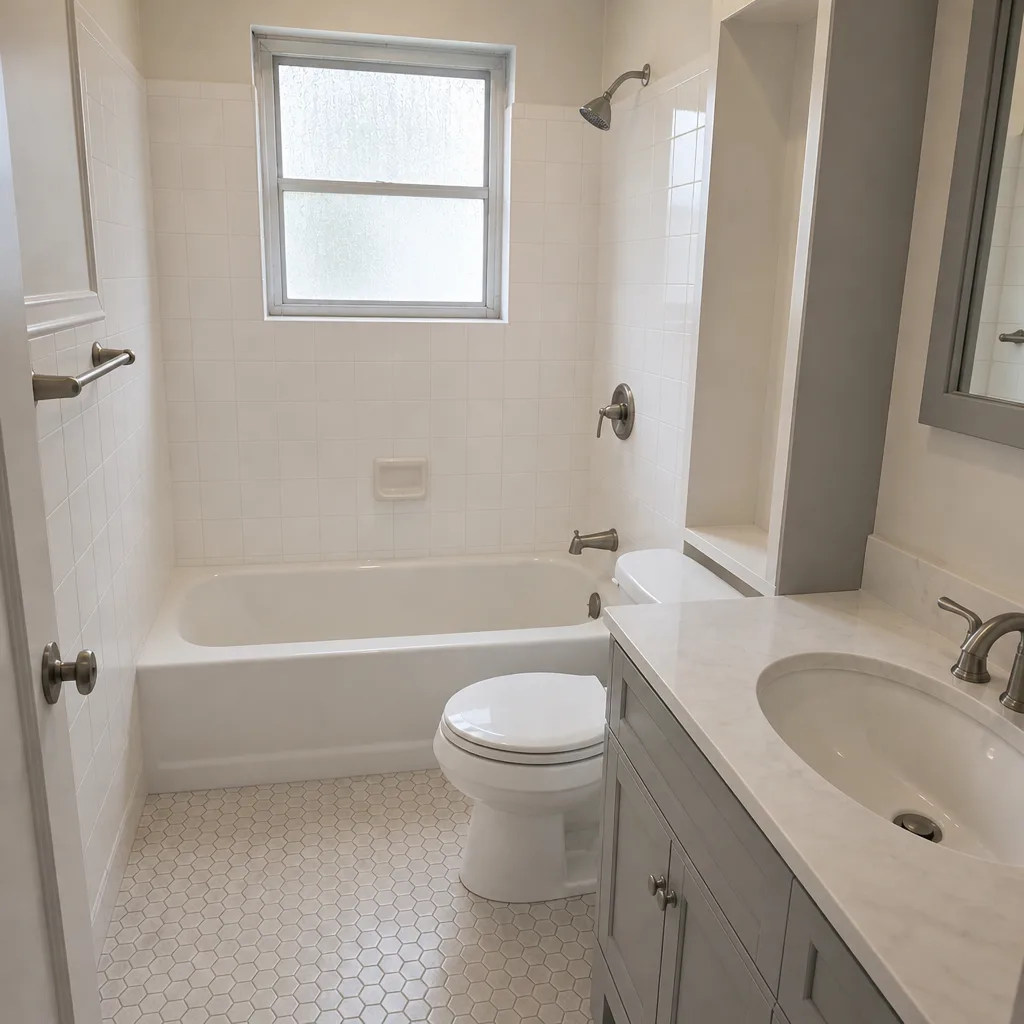
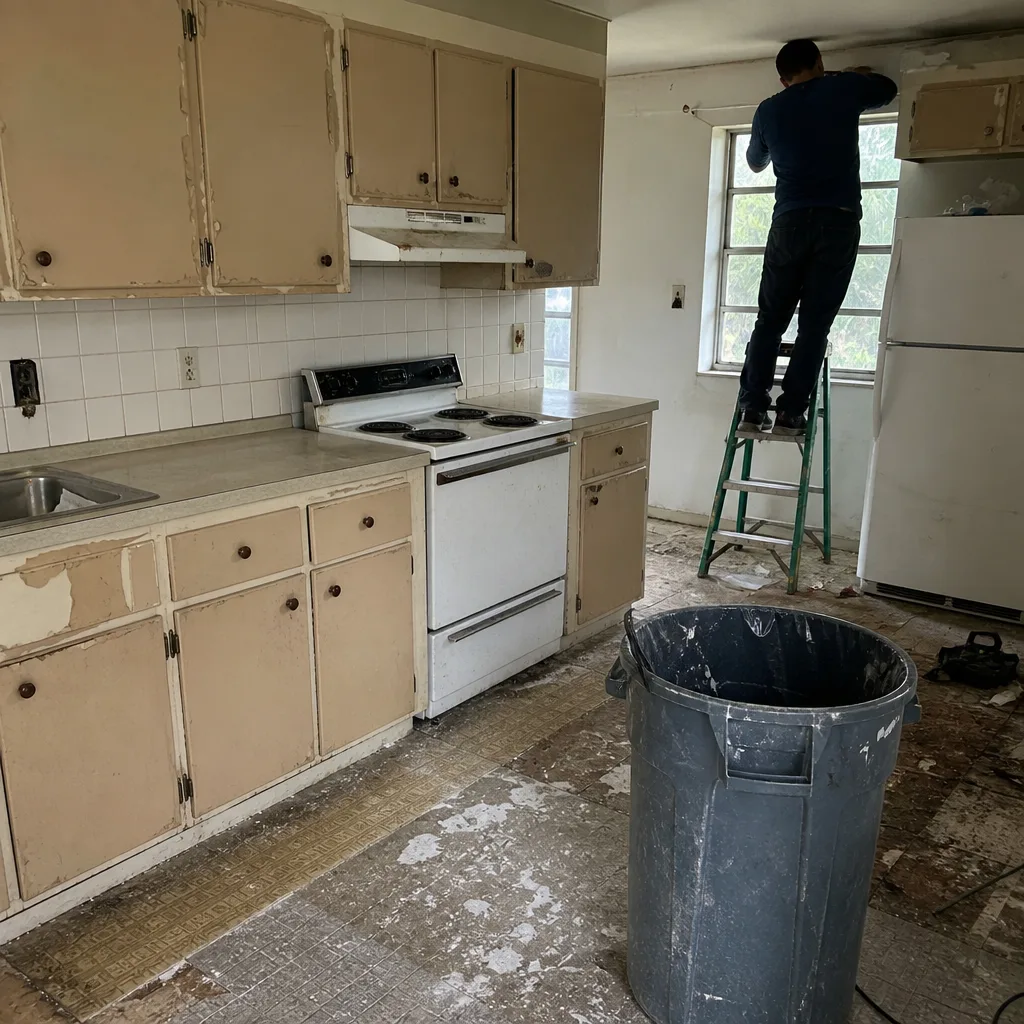
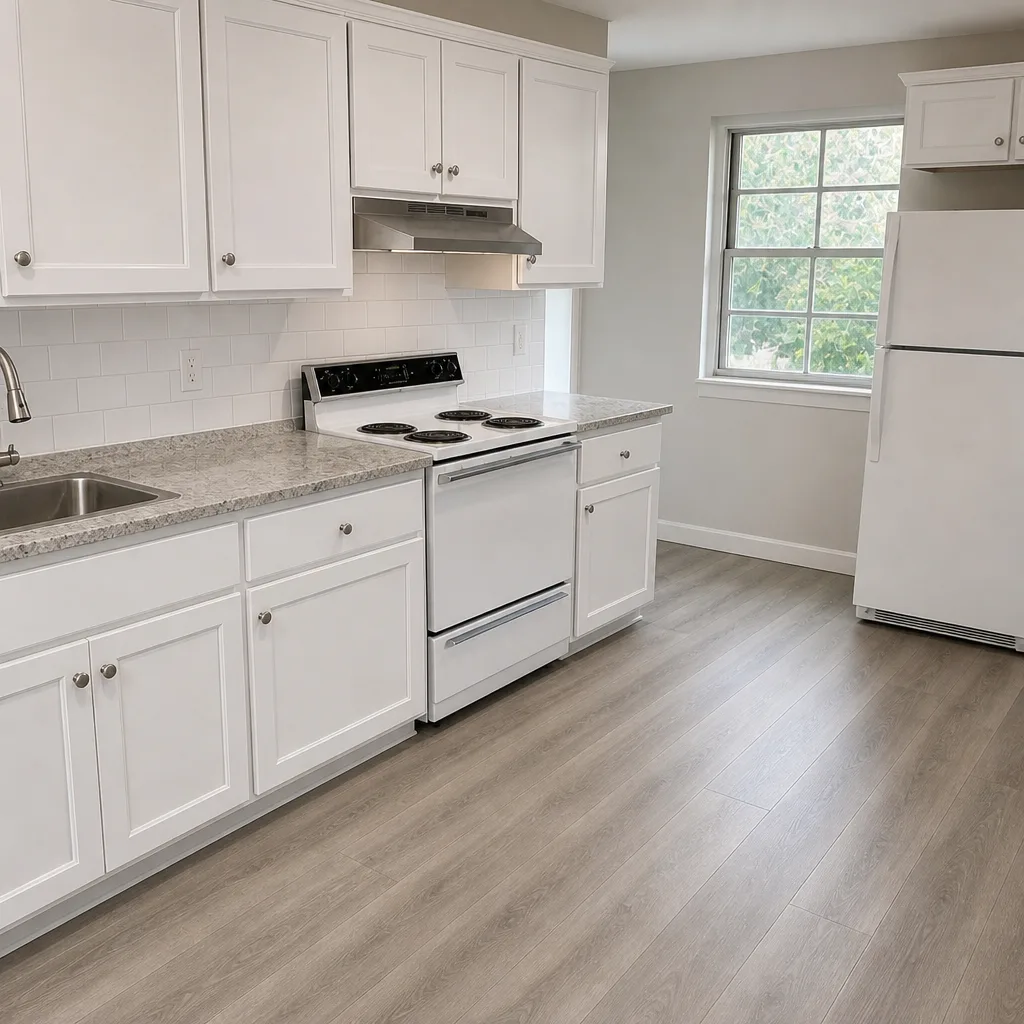
See the difference
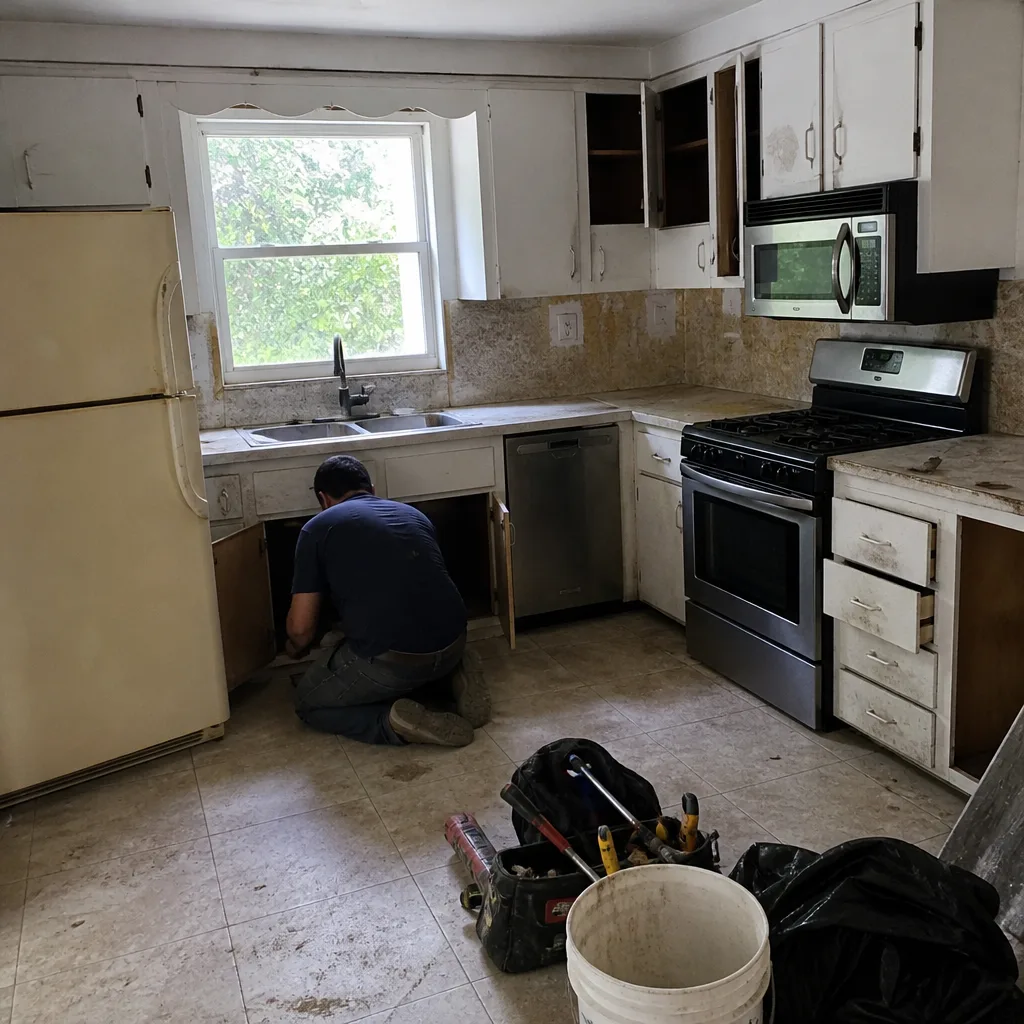 Before
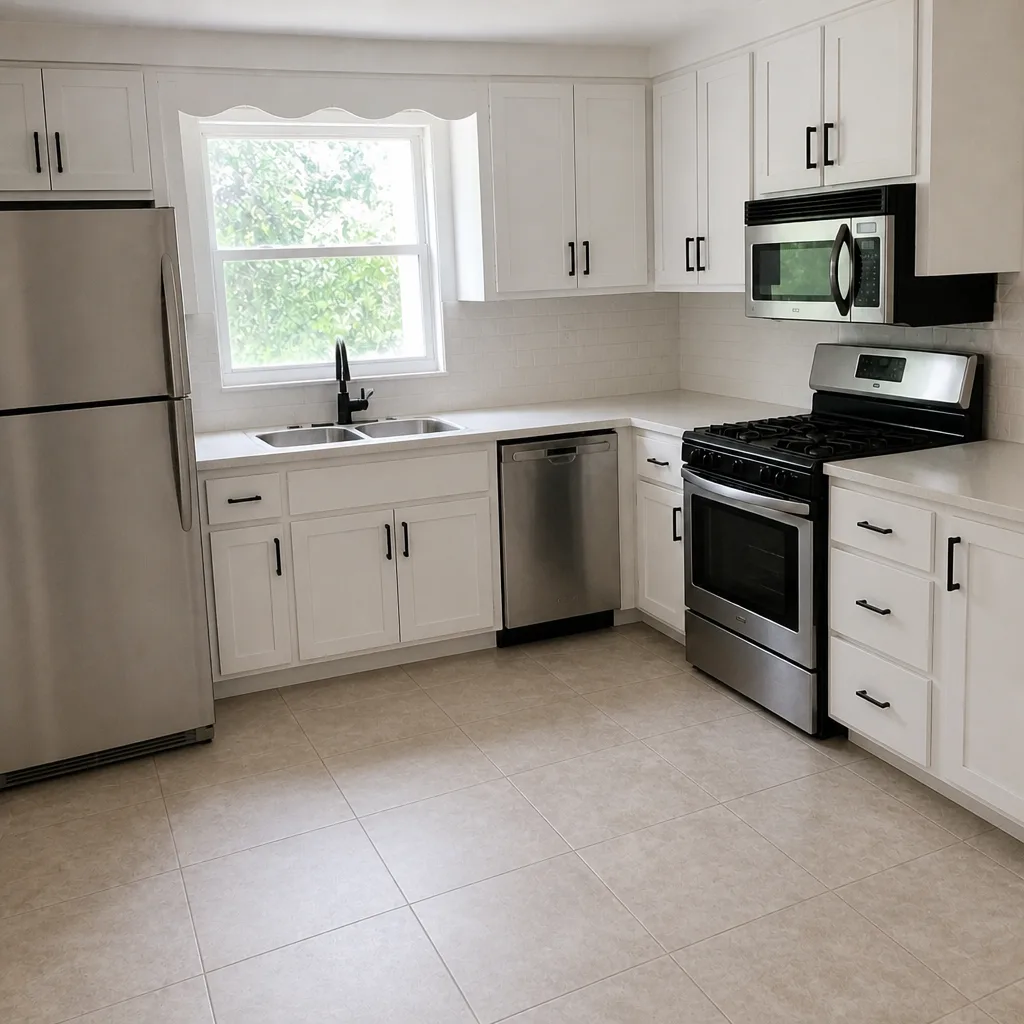 After
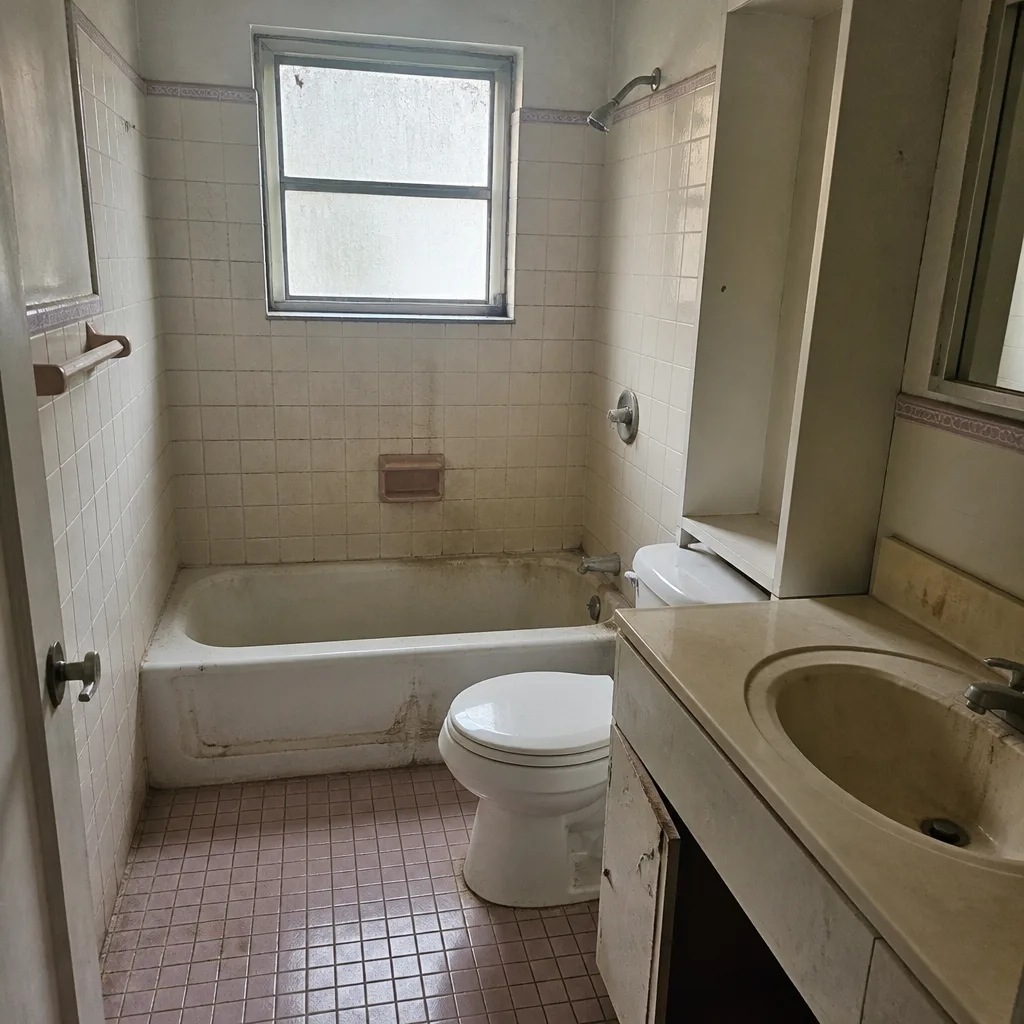 Before
 After
 Before
 After
When to Call a Professional
Call a licensed contractor before the following situations become emergencies: any roof, soffit, or wall damage after a storm that you can’t confidently call cosmetic; any gas or electrical work where the shut-off or reconnection isn’t something you’re trained to handle; any remodel where the contract doesn’t yet have written weather contingencies; and any post-storm door-knocker offering to “handle everything with your insurance.” We’ve seen too many Coral Gables homeowners lose schedule weeks and claim dollars by waiting until the damage is visible. Bradford Remodeling Co Coral Gables offers free estimates in Coral Gables – call (833) 510-5367. Every estimate is a written price before any work starts, and every completed project is covered by the 365-Day Done Right Promise.
Frequently Asked Questions
The contractor’s insurance should cover damage to exposed work up to the point of substantial completion, but only if your contract names that responsibility. The default “acts of God” clause many contractors use shifts the risk to you. Insist on written language that puts storm-damage responsibility on the contractor’s policy during active construction, and ask for a certificate of insurance naming you as additional insured. Call (833) 510-5367 for a free estimate – we put the full scope and the weather protocol in writing.
Hairline stucco cracks are typically cosmetic; long vertical or diagonal cracks that follow the block pattern suggest wall movement and need a licensed engineer’s report. Water staining on interior drywall near windows and doors usually means water traveled inside the CBS wall cavity and needs the wall opened and dried. When in doubt, get the engineer’s written opinion before you file a claim. Call (833) 510-5367 for a free estimate on the repair scope after the engineer’s report is in hand.
If the project makes part of the home legally uninhabitable during construction – a major addition, a structural remodel, or a full-kitchen replacement that removes the cooking facilities – the city may require a Temporary CO. Your contractor should know on day one whether your project triggers it and should pull it as part of the permit package. Call (833) 510-5367 to schedule a free estimate and we’ll confirm what your specific project requires.
An Assignment of Benefits transfers your insurance claim rights to the contractor, letting them bill your insurer directly and, in some cases, sue in your name. Florida law restricts residential AOBs after the 2019 reforms, but the forms still show up after storms. Never sign an AOB, a “work authorization,” or a “direction to pay” without a lawyer reading it first. Call (833) 510-5367 for a free estimate from a contractor who gives you a written price and a written scope instead of a claim transfer.
A reasonable written standard is tarping within hours of a tropical storm watch being issued, with the material and method specified in the contract. A blue poly sheet stapled down is not a proper temporary water barrier; a reinforced tarp or a specified underlayment is. Get the trigger, the material, and the timeline in writing before work starts. Call (833) 510-5367 for a free estimate – every scope we write includes the weather protocol.
A straightforward cosmetic repair might take a few weeks; a structural repair with permits and inspections often runs two to four months depending on city review times. Coral Gables has stricter design review than much of Miami-Dade, so permit timelines can stretch. The process is faster when you have an engineer’s report, photos, and a written scope before work starts. Call (833) 510-5367 for a free estimate and a written timeline before any work begins.
The Bottom Line
Preparedness for a Coral Gables homeowner comes down to two written documents: a remodeling contract that names the tarping protocol, storm-damage responsibility, and utility shut-off coordination, and a post-storm file with photos, insurance details, and a licensed contractor’s contact before the season starts. The storms are predictable in timing even when their paths aren’t. The contractors who show up with a written price, a written scope, and a written guarantee are the ones you want in your file. The 365-Day Done Right Promise covers every completed project for a full year; if the work fails inside that window, we come back and correct it at no charge. We answer the phone with a live person around the clock – call (833) 510-5367 for a free estimate. Our written price comes before any work starts, and that’s non-negotiable.
Written by the team at Bradford Remodeling Co Coral Gables.