Last updated November 17, 2026






Free written scope consultation - allowances, timeline, and change-order rules on paper before a single trade is scheduled
Construction Warning Signs: A Coral Gables Homeowner’s Reference Guide
The most expensive contractor mistake usually isn’t the no-show. It’s the signed contract with a scope that reads “allowances TBD,” because every TBD is a blank check the contractor fills in after your demo is done and you’ve lost all leverage. In Coral Gables, where Mediterranean-revival homes hide original plumbing behind coral rock walls and the city’s design review board adds months to exterior changes, a vague scope costs more than it does almost anywhere else in Miami-Dade. This guide walks through the documentation failures and scoping behaviors that experienced contractors use to build margin at your expense, without ever telling a single outright lie. By the end you’ll know how to read a COI, spot a change-order clause that bills you twice, catch a substituted crew, and check your own title for lien exposure.
Quick Answer
The biggest construction warning signs in Coral Gables are not the obvious ones like cash-only demands. They’re documentation tells: a contract that names “allowances” without a dollar figure, a contractor who can’t produce a Certificate of Insurance on the spot, change-order language that switches to time-and-material on work that should have been priced upfront, an unlicensed crew on site with no notice, and missing Notice to Owner receipts from subcontractors. Any one of those behaviors means your margin, timeline, or property title is quietly at risk.
Styles & brands we work with
- Kitchen remodeling
- Bathroom remodeling
- Home additions & ADU
- Roofing
- Windows & doors
- Driveway & pavers
- Fence
Table of Contents
- The Allowance Trap: How a Low Bid Gets Upgraded at Your Cost
- Certificate of Insurance: What It Is and How to Read It
- Change-Order Clauses Written to Favor the Contractor
- Subcontractor Substitution Without Notice
- Lien Exposure and the Notice to Owner Receipt
- Coral Gables-Specific Pressure Points
- The Red-Flag Checklist to Run Before You Sign
The Allowance Trap: How a Low Bid Gets Upgraded at Your Cost
An allowance is a placeholder number in a construction contract that stands in for a material or fixture the homeowner hasn’t picked yet. “Tile allowance: $1,800.” “Lighting allowance: $600.” Contractors use them because nobody wants to shop fixtures before signing. The problem is that the allowance figure is set by whoever writes the contract, and that person has every incentive to set it low enough that the total bid looks sharp.
Here’s how it plays out on a Coral Gables kitchen redo. A homeowner on Alhambra Circle gets three bids. Two come in around $52,000 with tile allowances of $2,500 to $3,200. The third comes in at $47,000 with a $900 tile allowance. Guess which one wins the job. Six weeks later your designer shows you a beautiful tumbled travertine at $11 per square foot, and the $900 allowance covers roughly the first 60 feet of a 400-square-foot kitchen. That gap is paid for at the price the contractor chose, not the price you negotiated, because the upgrade is billed as a change order at his rate.
Three ways to defuse it:
- Ask for allowance figures at the actual price the contractor shops. Not “mid-grade.” Ask him to name the exact tile, cabinet, or fixture he priced. If he can’t, the number is fiction.
- Require allowance overruns to be billed at documented cost plus a stated margin. A 10 to 15 percent markup on receipts you see is normal. A markup hidden inside a lump-sum change order is not.
- Name the brand at contract. At Bradford Remodeling Co Coral Gables, we work with a documented roster of name-brand materials so specifications are traceable. If you’re shopping cabinets, you’re choosing among KraftMaid, Wellborn, and a handful of comparable lines with published price sheets. Nobody upgrades your allowance because the “mid-grade” cabinet turns out to be a line you’ve never heard of.
If you’re comparing bids for a kitchen renovation in Coral Gables, the allowance line is where the sharpest difference lives. Ask for every allowance figure in writing before you sign.
Certificate of Insurance: What It Is and How to Read It
A Certificate of Insurance, or COI, is a one-page document from a contractor’s insurance carrier that confirms general liability coverage and, in Florida, workers’ compensation coverage. Florida law requires most construction employers to carry workers’ comp, and any contractor doing work on your property should be able to hand you a current COI within a day of asking. A contractor who can’t produce one on demand, or who stalls for “the office to email it,” is a red flag that skips right past a warning and lands in a genuine risk zone: if a worker is injured on your Coral Gables property and there’s no coverage, your homeowner’s policy and your equity are the fallback.
Reading the COI is as important as getting one. Four things to check:
- Verify the insured name matches the contract. If the COI names “XYZ Holdings LLC” and your contract says “ABC Construction,” you may be dealing with an uninsured subcontractor using a different entity’s paper.
- Check the expiration date. A COI expiring in three weeks is a COI you’ll have to re-verify before your job wraps.
- Look for general aggregate limits. A $300,000 general aggregate on a $200,000 remodel is thin. Ask for limits that make sense for the scope.
- Confirm you’re listed as certificate holder or additional insured. If you’re the additional insured, the carrier notifies you directly if coverage lapses or cancels. If you’re only listed as certificate holder, you get no such notice.
Pro tip: have your insurance agent look at the COI before you countersign the contract. They’ll spot the gaps in ten minutes.
Change-Order Clauses Written to Favor the Contractor
A legitimate change order prices a real change: you added a wine fridge, you switched from quartz to marble, you moved a doorway. A change-order clause written to favor the contractor uses the same form to bill you for scope it should have priced upfront. The language to watch for:
- “Any unforeseen conditions shall be billed on a time-and-material basis.” Unforeseen is undefined. A Coral Gables house from 1948 with galvanized pipe in the wall is not unforeseen – it’s expected. A competent bidder walks the house, opens a wall or two, and prices the reality. A bidder who prices the dream and bills you for the reality has just used the change-order clause as a margin mechanism.
- “Scope of work per general description only.” If the description is three sentences for a $90,000 remodel, everything unspecified is a change order waiting to happen.
- “Contractor reserves the right to adjust schedule based on availability.” Reasonable sounding, but it can mask any timeline commitment written on the estimate.
- “Owner responsible for permit expediting.” In Coral Gables, where permitting runs through the city’s Building and Zoning Department and design review can add weeks for exterior work in the historic districts, this clause pushes real labor onto you.
What to demand: a scope of work that names the quantities, the brands, and the installation steps. A written price that isn’t allowed to drift unless you sign for a documented change. And an explanation, in plain language, of every “unforeseen conditions” line before you sign. If you’re working with a general contractor in Coral Gables who can’t tell you what the worst-case unforeseen number is, keep shopping.
Subcontractor Substitution Without Notice
You vetted a licensed contractor with a strong background check and a portfolio of clean work. Two weeks in, an entirely different crew shows up, often with a different language barrier, no branded gear, and no way to confirm who they are. Subcontractor substitution is legal in Florida if the sub is properly licensed and insured for the trade, but it’s a warning sign when it happens without written notice, because your vetting just got bypassed.
How to catch it:
- Log the crew on day one. Photograph the vehicle, ask the lead to identify himself by name and by his company, and confirm that company appears on your contract or a written notice of substitution.
- Check the subcontractor’s license and COI. The Florida DBPR tracks every licensed contractor by license number. Request the sub’s COI naming you as additional insured. If they balk, that’s information.
- Insist on a written substitution clause. Reasonable language: “No substitution of named subcontractors without 72 hours’ written notice and homeowner approval.”
- Match the crew to the insurance. If the crew doesn’t match the insured party on the COI, someone is working uninsured on your job.
In our experience in Coral Gables, the crew-substitution issue shows up most on tile, drywall, and cabinetry installs, where subcontracting to lower-cost labor is common. On a Coral Gables job, the mitigation is documentation: written notices, background-checked technicians whose identity is confirmed by the contractor, and a single point of accountability. A crew that hides behind a chain of subs is a crew that will disappear when something goes wrong.
Lien Exposure and the Notice to Owner Receipt
Florida’s construction lien law is unusually homeowner-favorable if you follow it and unusually harsh if you don’t. A subcontractor or material supplier who isn’t paid by the general contractor can file a lien against your property, even if you’ve already paid the general contractor in full. The Notice to Owner, or NTO, is the sub’s written notice that they’re providing labor or materials on your property. If you never receive one, you’re not off the hook. If you receive one and don’t track it, you may be.
What to do:
- Ask for copies of every NTO the job generates. Keep them in a folder with the contract. When you get an NTO, you have the right to request a list of subs and suppliers from the general contractor, and you should.
- Request lien waivers with every payment. A conditional lien waiver from each sub and supplier at each payment checkpoint releases the lien as the check clears. It’s the single most effective lien defense a homeowner has.
- Watch for a contractor who won’t give you NTO receipts. That silence is a warning sign. It means the contractor either isn’t tracking his subs or doesn’t want you to know who they are.
- Consider a Notice of Commencement. Florida requires one for permitted work, and it must be recorded with the county. If your contractor isn’t pushing you to record it, ask why.
If a subcontractor gets unpaid and files a lien against your Coral Gables home, clearing it can mean paying twice, hiring an attorney, and delaying any future sale or refinance. The five minutes you spend asking for lien waivers per payment are worth the title protection.
Coral Gables-Specific Pressure Points
Coral Gables has its own building department, its own zoning code, and its own design review process for anything visible from the street. That combination is a real economic factor in a construction contract, and it’s where the sharpest contractors build margin that homeowners don’t see coming.
Three local realities:
- Historic and Design Review districts. The City Beautiful’s historic overlay districts – including parts of the French City, the Chinese Village, and the area around the Biltmore – can require design review for window, door, and roof changes that would be a routine permit anywhere else. A bidder who doesn’t flag that review and its timeline has either not done the work or is planning to bill you for it later.
- Coral rock and 1940s MEP systems. A Coral Gables house built before 1955 is likely on a mix of original plumbing and partially-upgraded electrical. Both surface the moment demo starts. A serious bidder prices a realistic contingency; a sharp one bills it as “unforeseen.”
- Salt air and humidity. Exterior products in Coral Gables take a harder punch than in inland Florida. A bidder who prices drywall for your whole-home remodel without specifying moisture-resistant board in bathrooms and a properly flashed Hardie exterior is pricing to a different climate. Ask, in writing, why each product was chosen.
We’ve seen Coral Gables homeowners pay $8,000 to $14,000 in allowances and change orders on jobs that were bid at $60,000 to $80,000 because none of those three realities made it into the contract. The bids that win on the number often lose on the scope. For more on how the permitting and scope details work on a whole-home remodel, our bathroom remodeling page for Coral Gables shows how a written scope translates into a written price.
The Red-Flag Checklist to Run Before You Sign
Print this. Walk through it before you sign any construction contract in Coral Gables. If a contractor balks at any of it, that’s your answer.
- Are all allowances itemized in dollars with named products or brands? Not “mid-grade tile,” not “TBD.” A specific product or a specific dollar amount per unit. If a line in the contract says “TBD,” ask for the price before you sign.
- Did the contractor hand you a current COI in your name as additional insured? Same day, no stalling. Verify the insured name matches the contract.
- Does the change-order clause define “unforeseen conditions” and cap the worst case? If the whole contract is subject to time-and-material on “unforeseen” work, you’re not buying a price, you’re buying a placeholder.
- Is the named subcontractor list part of the contract, and is substitution in writing? A chain of unnamed subs is a chain of unnamed risks.
- Is the payment schedule tied to milestones with lien waivers at each phase? Front-loaded payment schedules – 50 percent down, no lien waivers – are the most common cash-flow trap in the trade.
- Are NTO receipts and the Notice of Commencement part of the job packet? Same-day transparency on subs is part of the deal.
- Did the scope of work name quantities, brands, and installation steps? “Install kitchen” is not a scope. “Install 40 linear feet of KraftMaid base cabinet on shimmed substrate, with Cambria countertops fabricated to template” is a scope.
Common Mistakes to Avoid
- Comparing bids on the bottom line only. A $47,000 bid with a $900 tile allowance and a $52,000 bid with a $3,200 tile allowance aren’t the same number. Compare scope and material specifications column by column.
- Signing before you’ve read the change-order clause. In our experience, homeowners read the price page twice and the change-order page zero times. Read the change-order page twice.
- Accepting “we’ll work it out at the end” on permits. Coral Gables permitting is not a formality. If the contractor isn’t pulling permits, your inspections aren’t passing, and your eventual sale or refinance can be blocked by unpermitted work.
- Skipping the COI additional-insured check. A COI in the contractor’s name only leaves you outside the notice loop if coverage cancels mid-job.
- Not logging the crew. A two-minute photo plus a name-and-company check on day one catches a substitution before the tile is set.
- Paying for “mobilization” before any material lands. A deposit is fine. A deposit that covers labor the contractor hasn’t performed and can’t lien-waive isn’t.
- Letting a “free design” become the estimate. If the design is drawn by the same crew that submits the only bid, you’ve lost your ability to compare.
If you’ve been burned by a no-show, a reprice at the door, or a scope that grew after demo, you’re the reason Bradford Remodeling Co Coral Gables operates the way we do. Every project we run comes with a written price before any work starts, a documented scope with named materials, background-checked technicians on every job, and the 365-Day Done Right Promise – a written guarantee on every completed project. If the work fails within a year, we return and correct it at no charge. Calls are answered by a live person around the clock. If you’re ready to see what a squared-away estimate looks like, start with our Bradford Remodeling Co Coral Gables home page.
See the difference
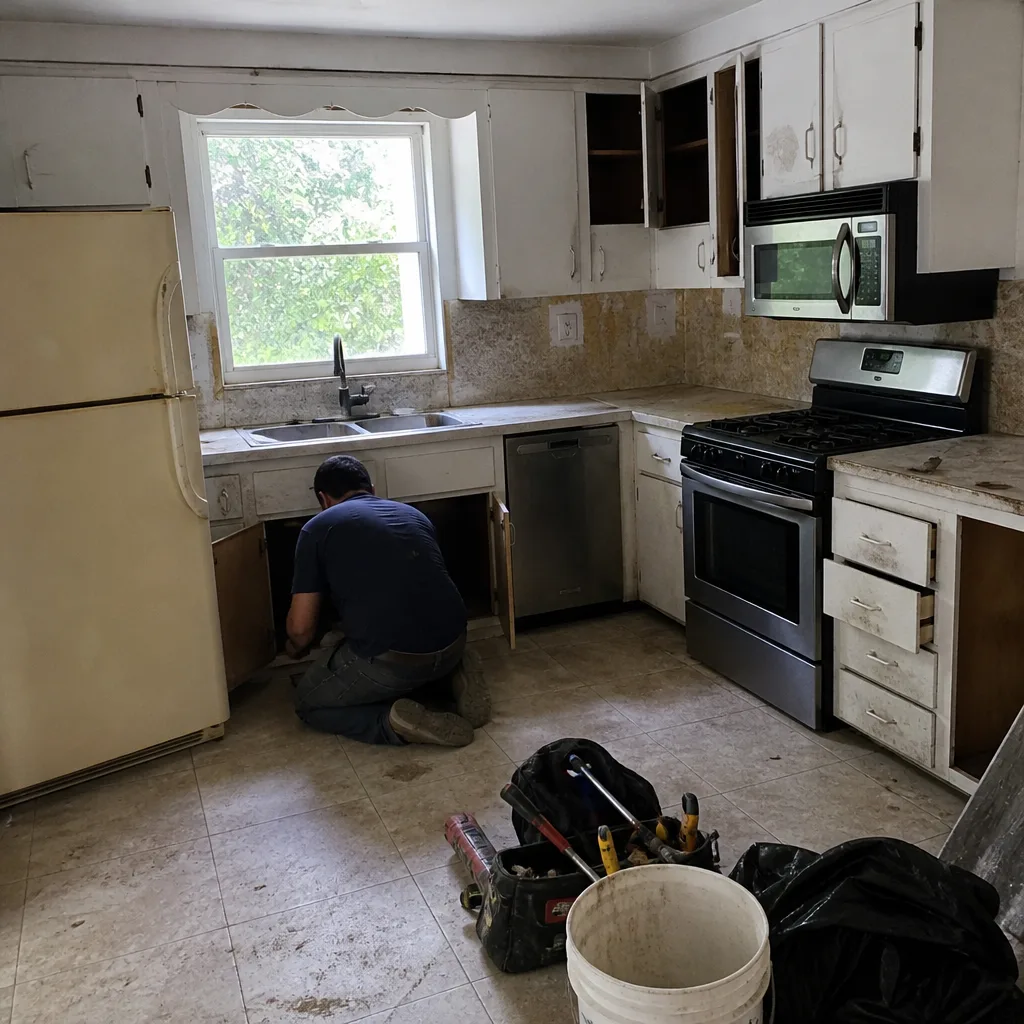 Before
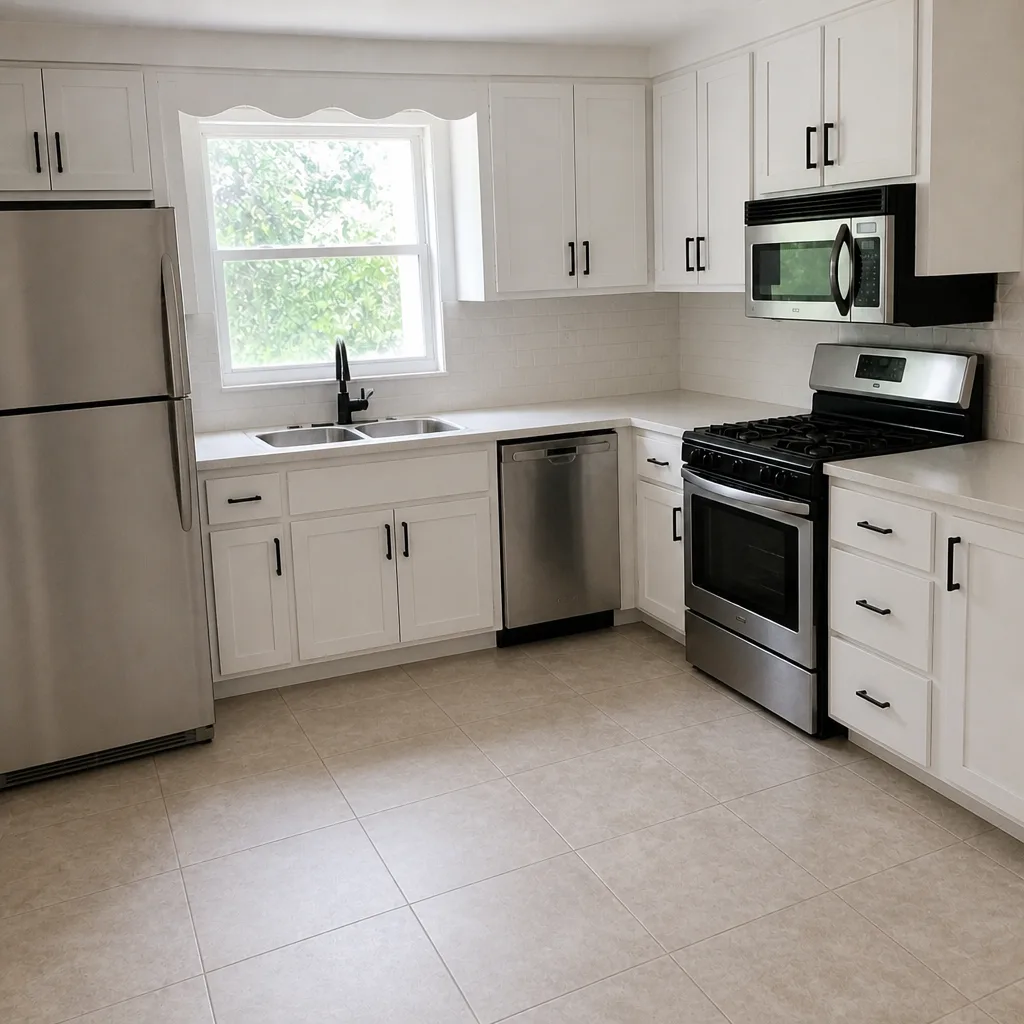 After
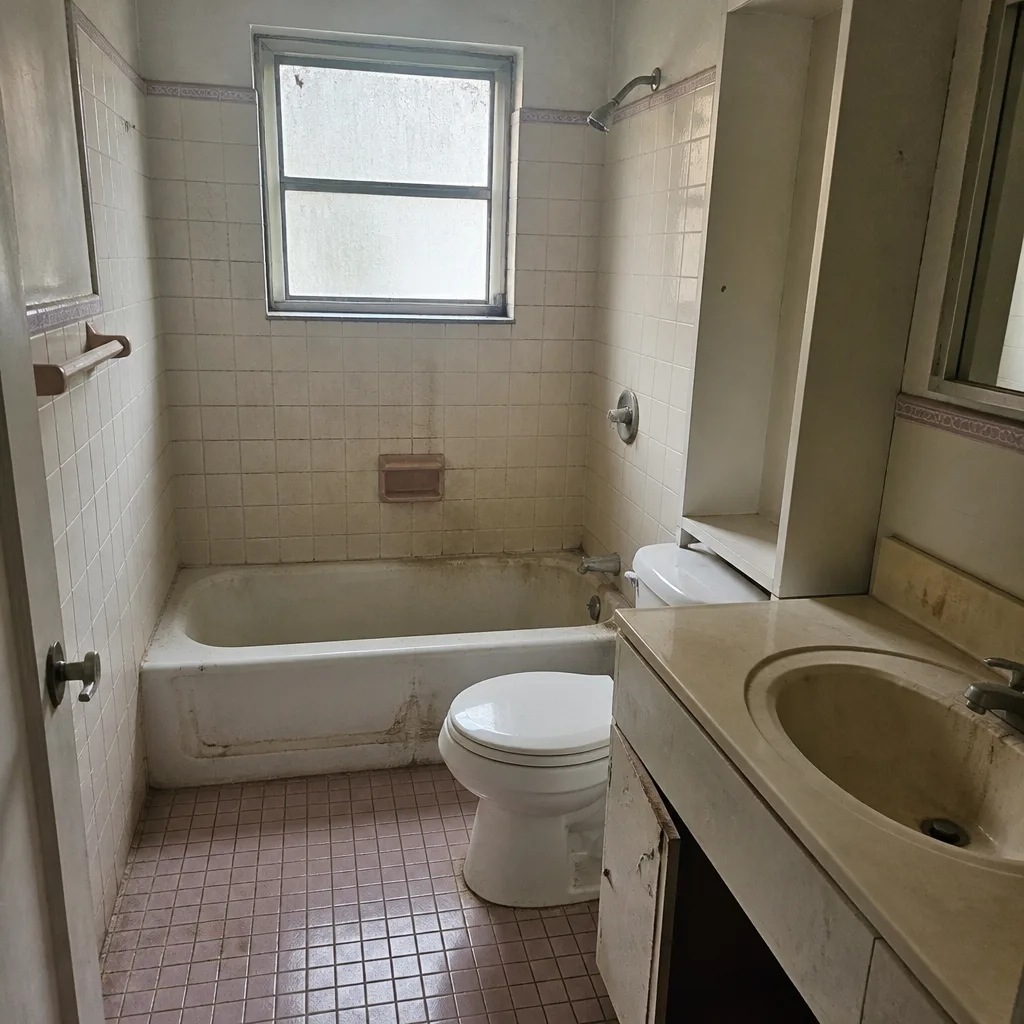 Before
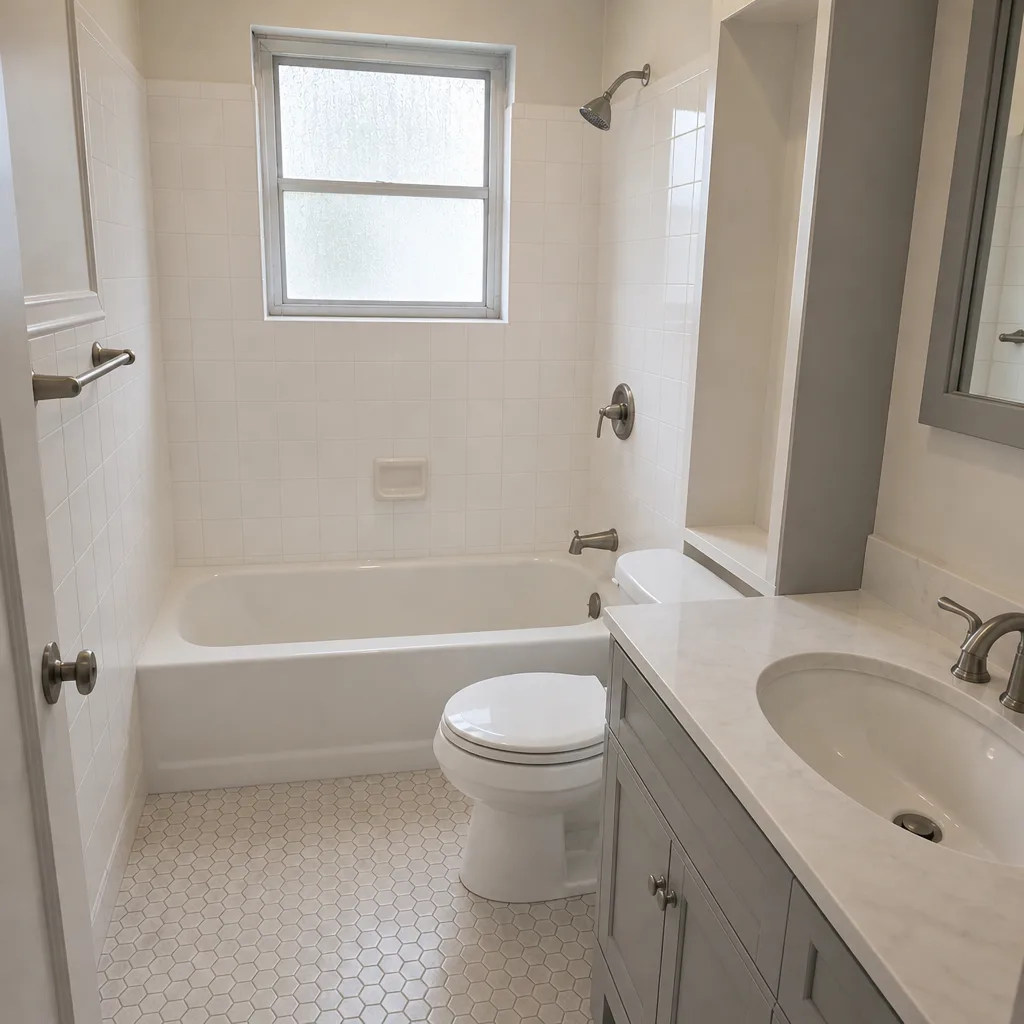 After
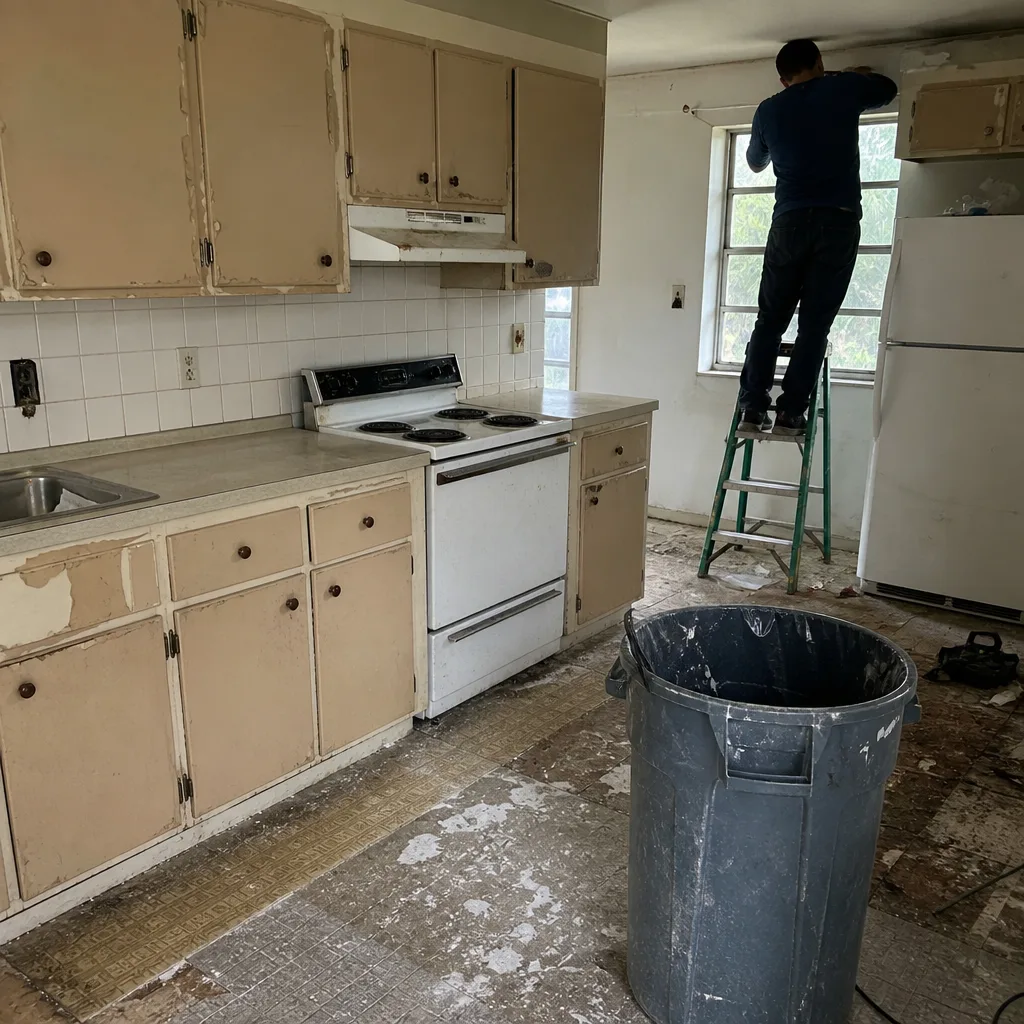 Before
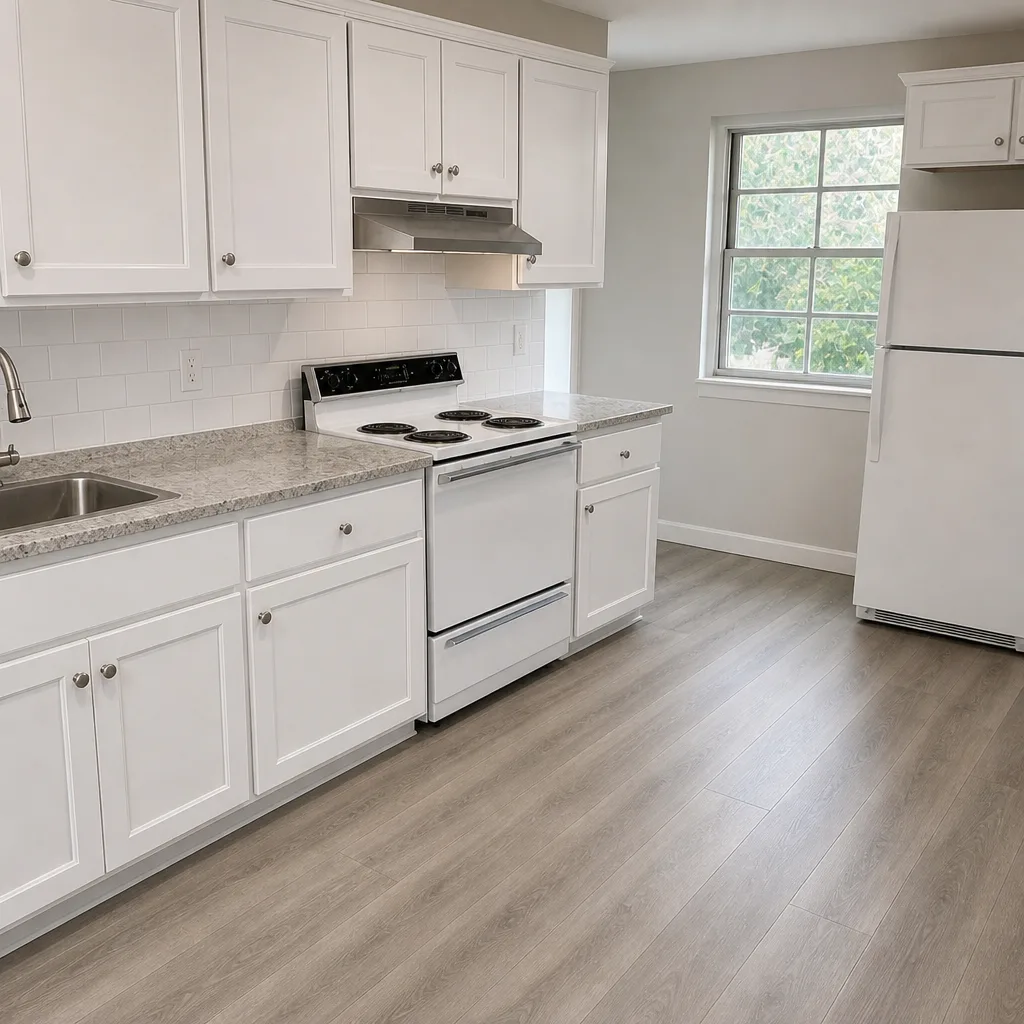 After
When to Call a Professional
Some warning signs you can read on your own: an obviously low allowance, a contract with no COI, a change-order clause in fine print. Others need a trained pair of eyes. If you’ve already signed a contract and you’re watching the change orders climb, call a professional before the next payment. If your job is mid-demo and you’re worried about a lien exposure, call before the next check clears. If you’re comparing bids for a whole-home remodel in Coral Gables and want an independent read on what the scopes actually cover, call for a written estimate you can put side-by-side with the others. Bradford Remodeling Co Coral Gables offers free estimates in Coral Gables – call (833) 510-5367. We’ll show you exactly what our scope covers and what it doesn’t, in writing, before you commit to anything.
Frequently Asked Questions

A contract that names allowances without specific dollar amounts or named products is the biggest single warning sign, because it hands the contractor a blank check on the part of the job where margin gets made. If a scope line says “allowance TBD,” that line gets filled in after demo, when you have the least leverage. Call (833) 510-5367 for a free estimate with allowances itemized in writing.
You’re looking for three things on the COI: the insured name matching the contract, a general aggregate limit that makes sense for your scope, and your property or your name listed as additional insured (not just certificate holder). Additional-insured status means the carrier notifies you if coverage lapses. Have your own insurance agent look at the COI before you countersign.
A Notice to Owner is a subcontractor’s or supplier’s written notice that they’re providing labor or materials on your property, and it preserves their right to file a construction lien if they aren’t paid. You don’t have to accept it, but you should track every NTO, request lien waivers at each payment, and keep the receipts with the contract. Missing NTOs mean your contractor either isn’t tracking subs or is hiding them.
Yes, unless your contract forbids it. Substitution is legal in Florida if the sub is properly licensed and insured, but a contractor who swaps crews without written notice is bypassing the vetting you paid for. Insist on a contract clause requiring 72 hours’ written notice and homeowner approval before any named subcontractor changes.
A well-scoped Coral Gables remodel lands within 5 percent of the signed price; a poorly scoped one lands 15 to 25 percent over, and the difference is nearly all allowances and “unforeseen” change orders. On an $80,000 kitchen that’s $12,000 to $20,000 billed after demo when you can’t compare bids anymore. Ask for a written cap on unforeseen costs before you sign.
Coral Gables runs its own building department and enforces its own historic and design-review overlay districts, and exterior changes visible from the street can require design review on top of the standard permit. That review timeline is real, it’s plannable, and a serious bidder prices it. A bidder who treats permitting as a formality is either not planning it or is planning to bill it as an extra. Call (833) 510-5367 for a free estimate that shows exactly how permitting time is priced into the schedule.
The Bottom Line
The dangerous construction warning signs in Coral Gables aren’t the loud ones. They’re the quiet documentation failures: allowances with no dollar figures, a COI request that gets a “we’ll email it,” a change-order clause that bills time-and-material on work that should have been priced, a substituted crew with no notice, NTO receipts that never arrive. Each one is a margin mechanism that works on you the moment your demo starts and your leverage disappears. The defense is written scope, itemized allowances, a COI in your name, a sub list in the contract, and lien waivers at every payment. If you’re ready to see what a squared-away bid looks like, call Bradford Remodeling Co Coral Gables at (833) 510-5367. Every estimate is free, every price is written, and every project carries the 365-Day Done Right Promise.
Written by the team at Bradford Remodeling Co Coral Gables.