Last updated November 17, 2026

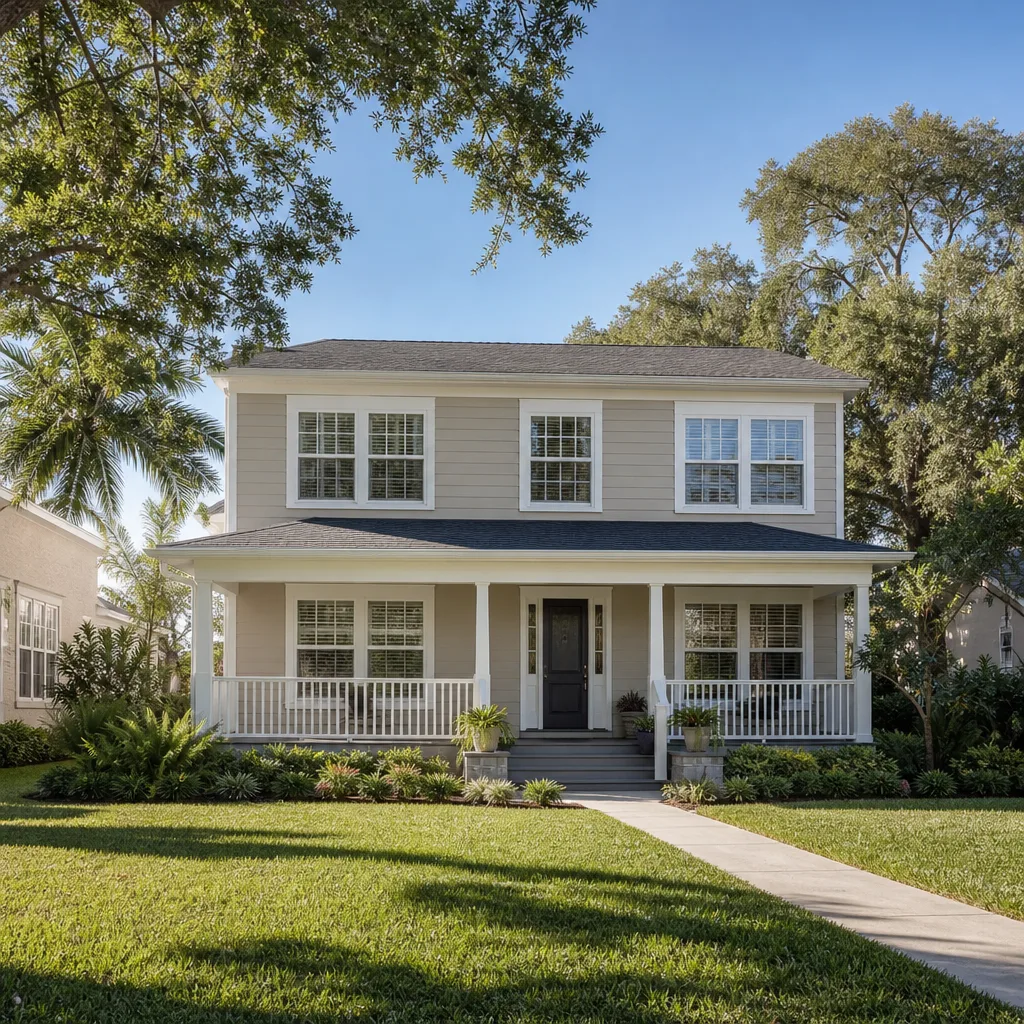
Free written scope consultation - allowances, timeline, and change-order rules on paper before a single trade is scheduled
The Complete Kitchen Remodeling Guide for Coral Gables Homeowners
Most kitchen remodeling guides assume a clean slate. Coral Gables rarely gives you one. In pre-1960 homes across the city – especially in the blocks around Granada Boulevard and the older sections of Coral Way – kitchens frequently sit on original cast-iron drain lines, clay sewer laterals, and electrical panels sized for a household that never imagined a 36-inch induction range and a wine fridge on the same circuit. That plumbing and electrical reality changes your scope, your timeline, and your budget before a single cabinet is ordered. This guide covers what a Coral Gables kitchen actually involves: historic district review, Miami-Dade product approvals, permit sequencing, trade order, and honest cost tiers for the local market.
Quick Answer
A kitchen remodel in Coral Gables typically runs $28,000 to $65,000 for a mid-scope gut (cabinets, counters, layout largely intact) and $95,000 to $180,000 or more for a full structural reconfiguration with moved walls, new plumbing runs, and upgraded electrical service. Add 6 to 12 weeks to any timeline if the home falls inside the historic district design review boundary. Every project in Coral Gables requires permits through the city’s Building and Zoning Department, and appliance circuits must carry Miami-Dade County product approval numbers.
Styles & brands we work with
- Kitchen remodeling
- Bathroom remodeling
- Home additions & ADU
- Roofing
- Windows & doors
- Driveway & pavers
- Fence
Table of Contents
- Coral Gables Kitchen Permit Requirements: What You Actually Need
- How to Sequence the Trades So Inspections Don’t Stall Your Cabinet Install
- Miami-Dade Product Approval: Range Hoods, Recessed Lights, and Panels
- Historic District Review and What It Means for Your Kitchen
- Realistic Cost Ranges for Coral Gables Kitchens by Scope Tier
- Cast-Iron Drains, Clay Laterals, and the Pre-1960 Kitchen
- What Your Kitchen Contract Must Specify
- Common Mistakes to Avoid
Coral Gables Kitchen Permit Requirements: What You Actually Need
Coral Gables issues two categories of kitchen permit, and knowing which one applies saves weeks. A cosmetic alteration permit covers surfaces only: cabinet replacement in the same footprint, countertop swap, new backsplash, paint, and flooring. If you keep the plumbing locations, keep the electrical drops where they are, and don’t touch a wall, you’re usually in this lane.
A full MEP permit package (mechanical, electrical, plumbing) kicks in the moment you move a sink, relocate a range, add a circuit, change a range hood, install a dishwasher in a new location, or open a wall that carries a rough-in. That package is a single submittal with three trade reviews, and each trade gets its own inspection card. The city won’t issue a final certificate of occupancy or close the permit until all three are signed off.
What triggers the full package in practice:
- Moving or adding a sink, dishwasher, or ice maker line
- Changing from gas to induction or vice versa
- Adding a dedicated 240V circuit or upgrading the panel
- Installing a new range hood that vents to the exterior
- Relocating any receptacle or switch more than a few feet
- Opening a wall that contains plumbing or electrical rough-in
One thing homeowners don’t expect: a permit for a kitchen alteration in Coral Gables also involves a zoning review confirming the work doesn’t change the lot’s impervious surface calculation or setback. It usually passes without comment on an interior job, but the review is part of the pathway and takes time. Budget two to four weeks for the initial permit review even on a straightforward project – longer if the city returns plans for corrections. For broader scope questions on how these permits interact with other trades, our guide on general contracting in Coral Gables lays out the full permitting landscape.
How to Sequence the Trades So Inspections Don’t Stall Your Cabinet Install
The single most common reason a Coral Gables kitchen remodel loses three weeks is out-of-order trades. Cabinets arriving before rough inspections are signed means cabinets sit in a garage absorbing humidity, and humidity in South Florida is not kind to wood boxes. Here’s the sequence that keeps the job moving and every inspection closed before finishes begin.
- Demo and dumpster. Strip to studs and subfloor. Confirm the existing conditions match the plans – especially pipe condition and framing.
- Rough plumbing. Move drains and supply lines, install new shutoffs, verify pitch on any relocated drain. Cast-iron replacement, if needed, happens here.
- Rough electrical. Pull all new circuits: dedicated appliance lines, GFCI protection, recessed can rough-ins, under-cabinet feeds. Panel work happens alongside.
- Rough mechanical. Range hood ducting, exhaust termination, any HVAC rerouting needed because a wall moved.
- Rough inspection. All three trades inspected before insulation. This is the gate – do not proceed without the signed card.
- Insulation and drywall. Insulate exterior walls to current code, hang and finish drywall, prime.
- Flooring and cabinet install. Floor goes down, then cabinet boxes, then countertop template.
- Finishes and final inspection. Tile, fixtures, trim, paint, then final MEP inspection and closeout.
Two Coral Gables-specific wrinkles. First, summer humidity means drywall mud and paint cure more slowly, and cabinet boxes need acclimation time inside the conditioned house before install – usually a full week. Second, the city inspects on a schedule, so plan for the rough inspection to consume a day or two of calendar time even when you pass first time. A disciplined contractor builds those days into the schedule instead of pretending they don’t exist. If your project touches plumbing runs beyond the kitchen, the trade sequencing in our bathroom remodeling guide follows the same logic and is worth reading for a stacked-trade project.
Miami-Dade Product Approval: Range Hoods, Recessed Lights, and Panels
Miami-Dade County operates the strictest product approval system in the country because of hurricane exposure, and that system reaches into kitchen work more than people realize. Every electrical and mechanical product installed on a permitted circuit in the county needs a Miami-Dade Notice of Acceptance (NOA) or a Florida Product Approval number, and it must be current.
Where this shows up in a kitchen:
- Range hoods. The standard hood you order online may not carry a current approval for the county. Your contractor should verify the model against the county’s approval database before ordering.
- Recessed lighting. Air-tight rated cans with current approvals; this matters especially for fixtures penetrating the building envelope into an attic.
- Electrical panels. If the project triggers a service upgrade, the panel and breakers must carry approval. In older Coral Gables homes, a 100-amp panel serving a 1960s kitchen is a common find – the appliance load on a modern kitchen usually forces the question.
- Exhaust and make-up air. A high-CFM hood venting to the exterior also touches the county’s ventilation code, which runs stricter than the state baseline on make-up air, duct sizing, and exterior termination.
This isn’t paperwork theater. A product without current approval gets rejected at inspection, and the fixture has to come out and be replaced with a compliant model – at your cost if the contract was written poorly. Bradford Remodeling works from a documented roster of major brands (KraftMaid and Wellborn cabinetry, Cambria and Caesarstone surfaces, Kohler and Moen fixtures) so specifications are traceable and the approval number is on file before the purchase order goes out. That’s the difference between a smooth final inspection and a fixture swap on your dime.
Historic District Review and What It Means for Your Kitchen
Coral Gables has a designated historic district, and if your home falls inside it, an interior kitchen remodel usually stays under the radar. The exception: any change visible from the street or affecting the roofline. That means a new window in a kitchen wall facing the front, a hood that projects through a front-facing roof plane, a rear addition that extends the footprint, or a relocated exterior door.
When a change is visible, the project needs design review before the building permit is issued. In our experience, a kitchen remodel in Coral Gables that triggers review adds four to eight weeks to the front end of the schedule. The review board meets on a set calendar, so a missed submittal deadline costs an entire month whether the change is a small window or a full rear addition.
Interior-only work inside the district rarely needs review, but two conditions send it there anyway: replacing a street-visible window with a different configuration, and any exterior equipment addition (hood, condenser, or vent) that changes the front elevation. If you’re not sure whether your home is in the district, the city’s planning department can confirm by address, and this is a phone call worth making before you sign a cabinet contract. A kitchen design that requires a plan revision after review is a much more expensive kitchen.
Realistic Cost Ranges for Coral Gables Kitchens by Scope Tier
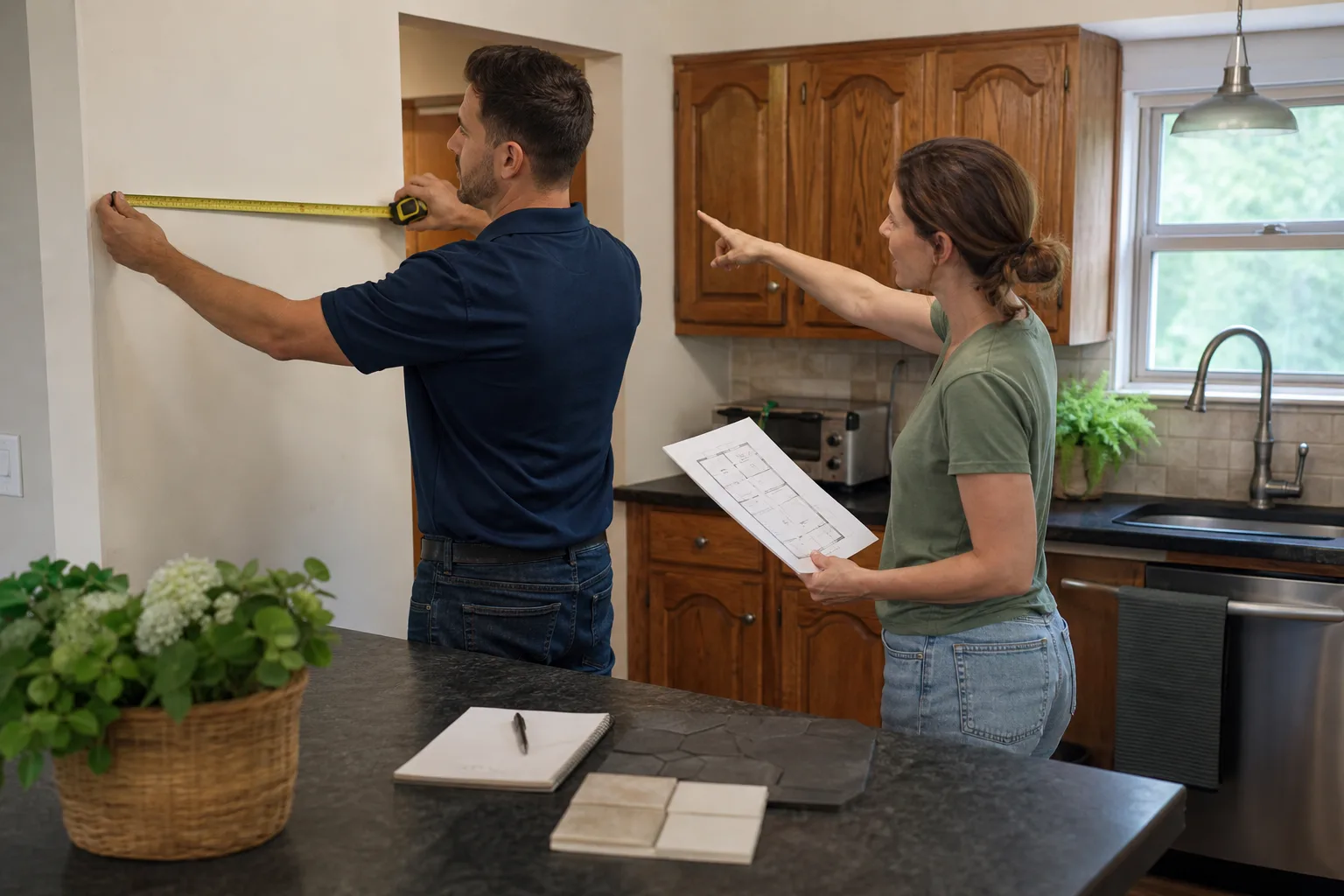
Prices below reflect current Coral Gables market rates for a kitchen in the 120 to 220 square foot range. These are ranges, not quotations – every Coral Gables kitchen is priced on its own plan and existing conditions – but they’re honest numbers instead of “call for a quote.”
- Cosmetic refresh (paint, cabinet fronts, countertops in same footprint, backsplash, no permits required): $18,000 to $35,000
- Mid-scope gut (full cabinet replacement, new counters, new flooring, no layout change, new appliances on existing circuits, alteration permit): $45,000 to $85,000
- Mid gut with trades (moving the sink, new hood vented to exterior, new dedicated circuits, full MEP permit): $70,000 to $110,000
- Full structural reconfiguration (load-bearing wall opened, plumbing relocated, panel upgrade, layout redesigned): $95,000 to $180,000+
- Historic district design review adder: $3,000 to $8,000 in design, submittal, and calendar time
- Cast-iron drain replacement: $6,000 to $18,000 depending on length and access
Where the money goes: cabinetry and installation trail most budgets, then counters, then labor for the trades. A full reconfiguration with a load-bearing wall opening is the biggest single jump in price because it involves engineering, a beam, and often a new HVAC return. Our team’s technicians have up to 22 years of experience and have watched a lot of Coral Gables kitchens come in over budget because the contract didn’t anticipate the cast-iron drain or the panel upgrade. Written pricing before work begins – with a specific allowance for each line item – is what keeps the final invoice in line with the estimate you signed. For a full kitchen quote, see kitchen remodeling in Coral Gables.
Cast-Iron Drains, Clay Laterals, and the Pre-1960 Kitchen
Here’s the condition that catches people in Coral Gables more than any other: homes built before 1960 often have original cast-iron drain lines under the kitchen and a clay sewer lateral running to the city main. Cast iron scales from the inside out. A 1953 drain line that looks fine from the outside can be 70% closed by mineral build-up, and the first time you run a new dishwasher discharge into it, it backs up.
How we handle it. Before a kitchen gut in an older Coral Gables home, we camera the drain line from the kitchen stack to the city main. The camera tells us in an hour whether the drain is sound, how much corrosion is present, and whether tree roots have invaded the clay lateral. If the line is compromised, the plumbing scope gets expanded before demolition, not after. Replacing the kitchen drain line during a gut costs far less than a mid-project surprise during cabinet install, when the floor is already down and the sink cabinet is set.
Two other conditions to anticipate. Galvanized supply lines in a pre-war home often survive the demo but fail when the new shutoffs are installed; replacing them at rough-out is the time to do it. And homes near the Granada water tower sometimes show higher mineral content, which accelerates scale on the kitchen fixtures – worth noting when you choose fixtures and when you decide whether to add a water softener at the same time as the plumbing rough.
What Your Kitchen Contract Must Specify
The written contract is where the project is won or lost. A kitchen remodel contract in Coral Gables should spell out these terms before you sign:
- Allowances per line item. Cabinetry, counters, tile, fixtures, lighting – each gets its own dollar allowance with the specific brand and model range that allowance buys (for example, a KraftMaid allowance versus a Wellborn allowance under Wellborn’s semi-custom cabinet line).
- Selections deadline. A firm date by which all material selections must be locked so orders can be placed and lead times respected. Miss the date and the schedule slides.
- What happens when a homeowner changes material mid-project. This is the clause that decides whether you get a change order or a repriced contract. It should state the process: written change order, new price agreed before the change is performed, and the schedule impact disclosed.
- Permit responsibility and inspection closeout. Who pulls the permit, who pays the permit fees, and who is responsible for closing every inspection at final.
- Written guarantee terms. Bradford Remodeling’s 365-Day Done Right Promise carries a full year from completion – if the work fails inside that window, we return and correct it at no charge. That commitment belongs in the written contract, not in a brochure.
- Closeout package. The documented scope, the signed guarantee, and the final inspection card in your hand at the end of the job.
Choose the structure that fits your project. A written price before work begins, with no numbers that move at the door, is the standard we hold to – and it’s what The Garrison Standard asks for on every project. If you haven’t planned a full remodel yet and want the home’s overall picture first, our Coral Gables remodeling overview covers how kitchen, bath, and whole-home scope interact.
Common Mistakes to Avoid
- Ordering cabinets before the rough inspection. Cabinets delivered to a Coral Gables garage in July sit in 90% humidity for weeks while the inspector clears the rough. Acclimation becomes warping, and warped cabinets get rejected at install.
- Assuming the existing panel can carry the new appliances. A 100-amp panel that served a 1960s kitchen usually can’t serve an induction range, a wall oven, a dishwasher, and a wine fridge at once. Confirm capacity at rough-in, not at final.
- Skipping the camera inspection on an older drain. Coral Gables pre-1960 homes have cast-iron and clay lines that look fine until they’re loaded. Camera the line before demo.
- Signing a contract with vague allowances. An “allowance for cabinetry” that doesn’t name the brand and cabinet line is not an allowance, it’s a placeholder that becomes a change order.
- Forgetting the historic district question. A street-visible window or exterior hood can send an interior remodel into review. Confirm district status before the design is frozen.
- Using a product without a current Miami-Dade approval. Range hoods, recessed lights, and panels need approved models. A rejected fixture at inspection means a swap you pay for.
- Booking trades out of order to “save time.” Every shortcut ahead of the rough inspection costs more time at the gate than it saved. Sequence: demo, roughs, inspection, finishes.
See the difference
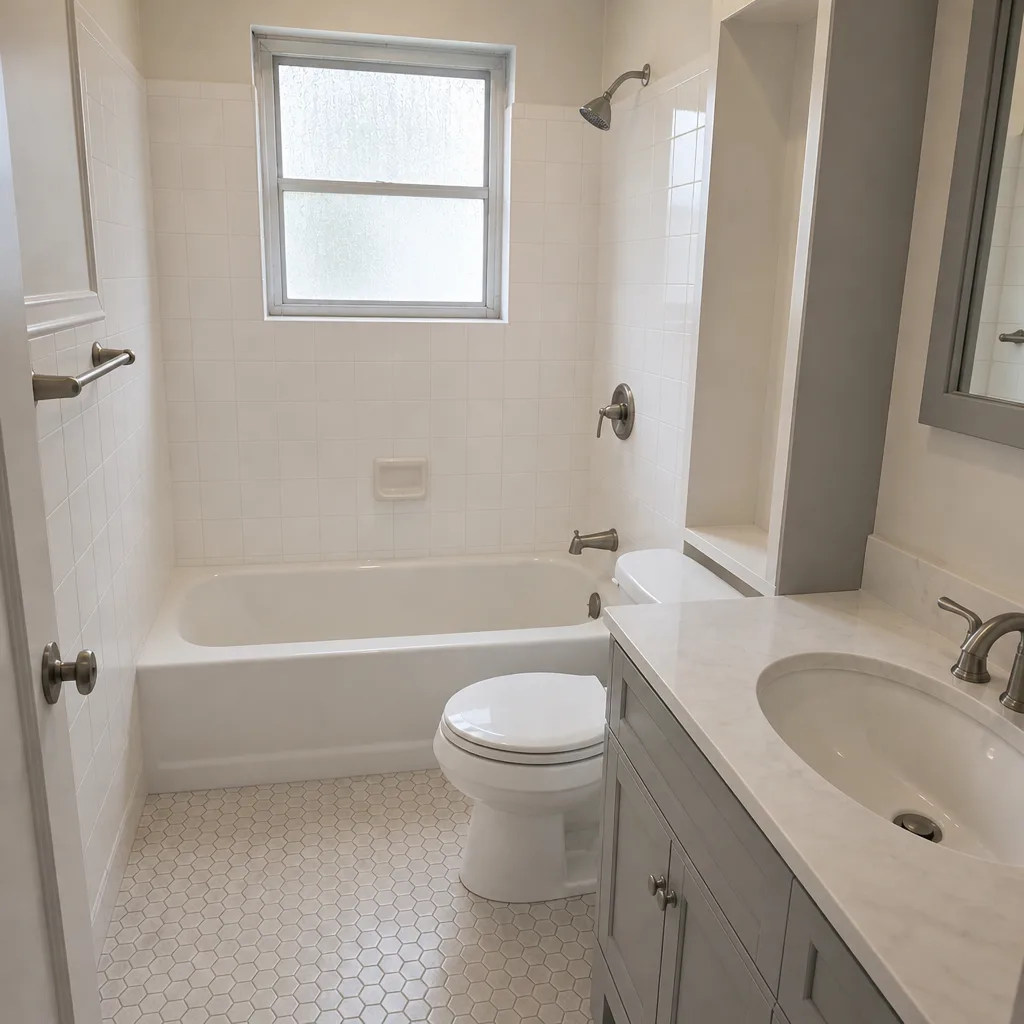
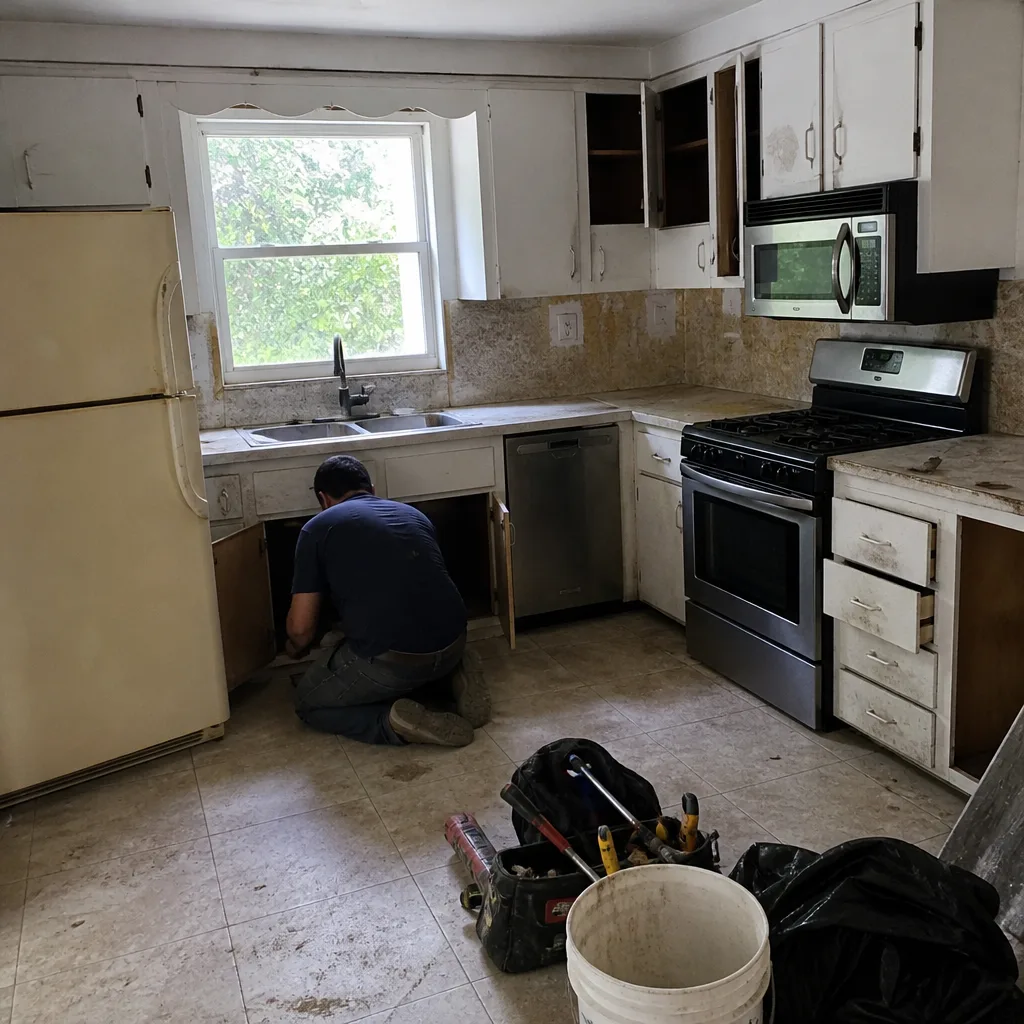 Before
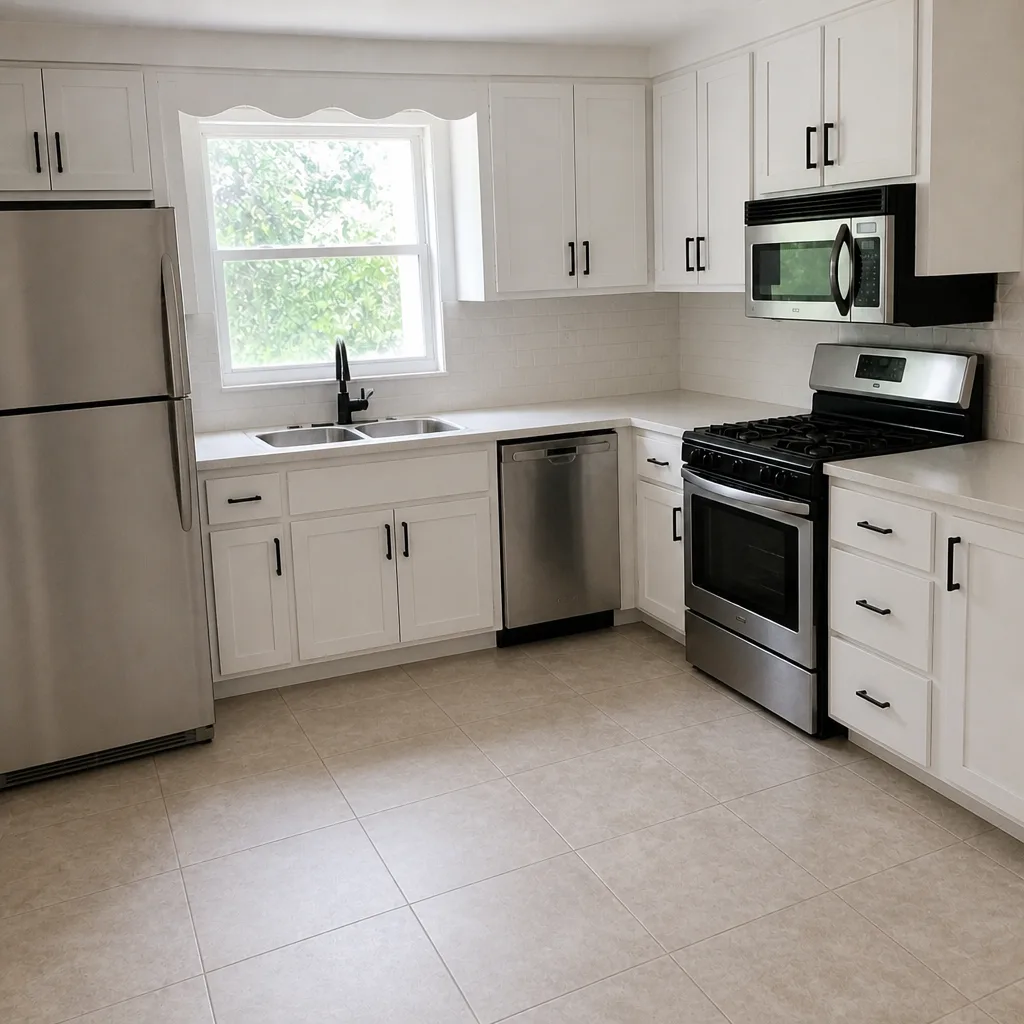 After
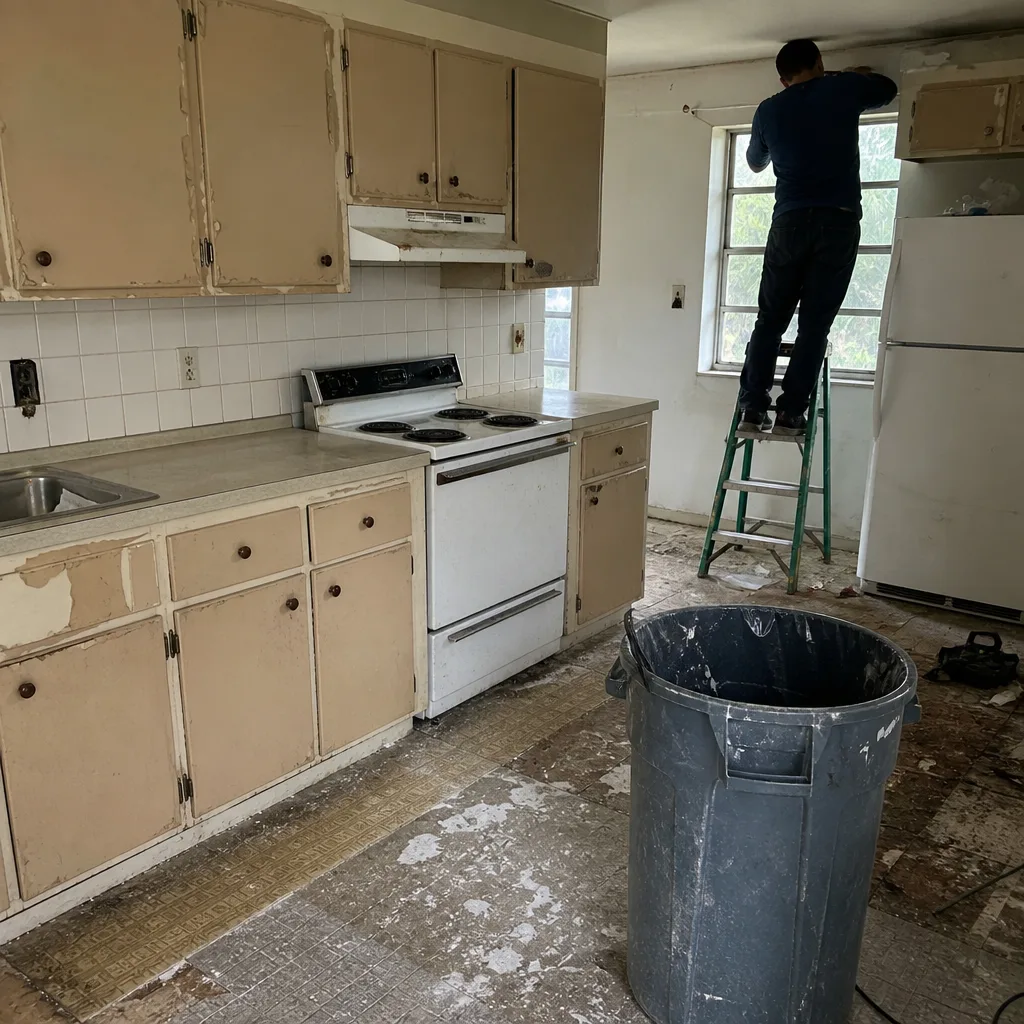
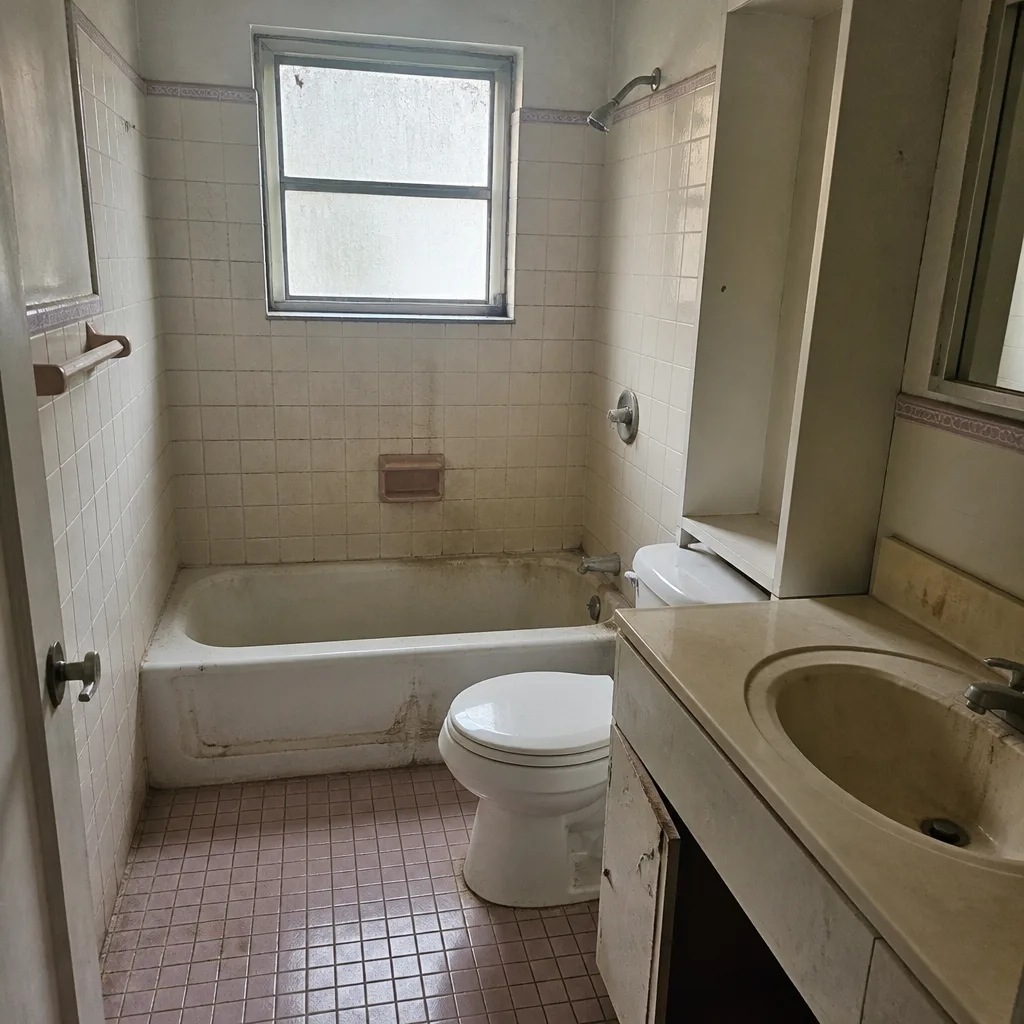 Before
 After
 Before
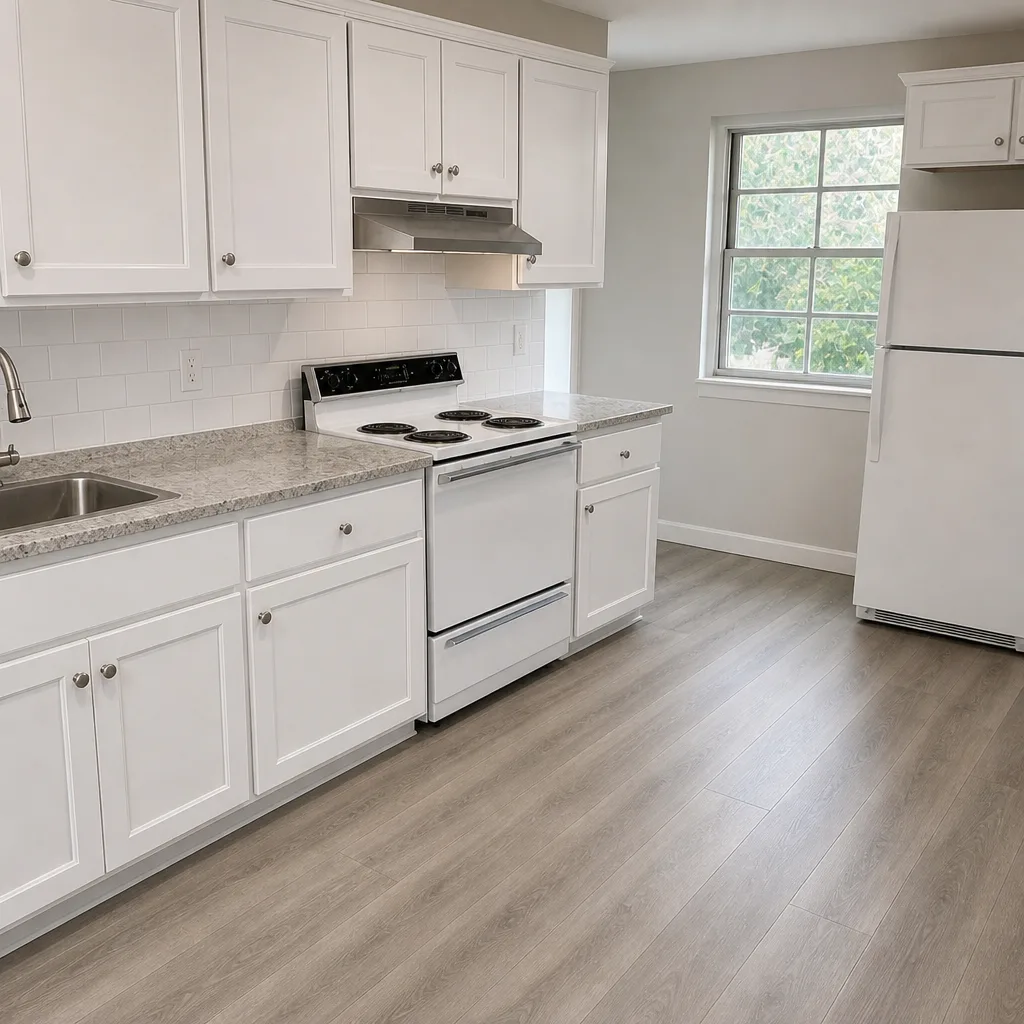 After
When to Call a Professional
Call a licensed contractor when the project moves a sink, adds or relocates an appliance circuit, opens a load-bearing wall, or involves a pre-1960 home with original plumbing. Those four conditions are where code obligations, structural risk, and permit complexity converge, and doing the work without a permit is both risky and hard to unwind when you sell. High-tension work like panel upgrades, gas line changes, and structural wall openings should always be performed by a trained professional – we don’t recommend weekend-DIY versions of any of these, and a real inspection will typically require them to be redone by a licensed trade anyway. Bradford Remodeling Co Coral Gables offers free estimates in Coral Gables – call (833) 510-5367.
Frequently Asked Questions
A mid-scope kitchen gut in Coral Gables typically costs $45,000 to $85,000, while a full structural reconfiguration runs $95,000 to $180,000 or more. The biggest cost swing usually comes from what’s under the floor – cast-iron drain replacement and panel upgrades are the two conditions that move the number most. Call (833) 510-5367 for an exact quote – estimates are free.
Yes – almost always. Cosmetic surface work without layout or trade changes can go under a simple alteration permit, but the moment you move a sink, add a circuit, or change a range hood, you need the full MEP permit package with plumbing, electrical, and mechanical inspections. Unpermitted kitchen work in Coral Gables can become a problem at resale or when a future permit is pulled. Call (833) 510-5367 to confirm what your project requires.
Plan on 8 to 12 weeks for a mid-scope gut from permit issue to final inspection, and 14 to 20 weeks for a full reconfiguration. Historic district design review can add four to eight weeks to the front end if your home is in the district and the work is street-visible. Material lead times, especially for semi-custom cabinetry, are a real variable – confirm them before the schedule is set.
Not if the contract is written correctly. Bradford Remodeling provides a written price before any work begins, with per-line allowances and a change-order process for any material change mid-project. Genuine concealed conditions – a failed drain line, a rotted subfloor – are handled through a written change order agreed before the extra work is performed. Call (833) 510-5367 to see a sample written estimate.
We pull the permits and manage the inspection process on every project, including the full MEP package when the scope requires it. That includes the final inspection and giving you the signed inspection card at closeout. Call (833) 510-5367 to talk through your project’s permit path.
A cosmetic refresh keeps the layout, plumbing, and electrical where they are – new cabinet fronts, counters, backsplash, paint – and often runs on a simple alteration permit. A gut opens the walls, replaces cabinetry and flooring, and typically triggers the full MEP package because trades get touched. The refresh is faster and cheaper, but a gut is the only way to fix the drain line, panel, and insulation issues an older Coral Gables kitchen usually has. Call (833) 510-5367 for a free estimate and a straight answer on which tier your kitchen needs.
The Bottom Line

A Coral Gables kitchen remodel is a compliance project as much as a design project. Permits run through the city’s Building and Zoning Department, appliance circuits need current Miami-Dade product approvals, pre-1960 homes demand a plumbing and electrical reality check before demo, and the historic district can add weeks to the front end if the work touches a street-visible element. Get the trade sequence right – demo, roughs, inspection, finishes – and the project stays on schedule. Get the contract right, with per-line allowances and written change-order terms, and the price stays where you signed it. Every Bradford Remodeling project carries the 365-Day Done Right Promise, in writing, because a one-year guarantee is what “done right” actually means. Call (833) 510-5367 for a free estimate.
Written by the team at Bradford Remodeling Co Coral Gables.