Last updated November 17, 2026
Free written scope consultation - allowances, timeline, and change-order rules on paper before a single trade is scheduled
The Complete Guide to Construction in Coral Gables
Coral Gables has its own municipal building department, separate from Miami-Dade County, and that single fact catches more first-time remodelers than any other detail in the city. A contractor who pulls county paperwork for a project inside the city limits can lose two to four weeks to a rejected submittal before the first trench is dug. Coral Gables runs its own review process, its own historic district rules, and its own design overlay standards. This guide maps every layer of construction in Coral Gables: permitting jurisdictions, Board of Architects review, Mediterranean Revival exterior rules, older underground infrastructure, and the Notice of Commencement that protects your money. We’ll show you what to check before you sign anything.
Quick Answer
Construction in Coral Gables is regulated primarily by the City of Coral Gables Building Division, not Miami-Dade County, and any exterior alteration in a designated historic section also passes through the city’s Board of Architects review before a building permit issues. Expect the permit phase alone to run 6 to 12 weeks on a substantial remodel, longer if historic review is triggered, and expect underground conditions like clay sewer laterals or root-clogged irrigation lines to add inspection cycles on older properties. The city sits inside a Mediterranean Revival design overlay that governs rooflines, window profiles, and visible materials on many streets.
Styles & brands we work with
- Kitchen remodeling
- Bathroom remodeling
- Home additions & ADU
- Roofing
- Windows & doors
- Driveway & pavers
- Fence
Table of Contents
- City of Coral Gables vs. Miami-Dade County: Which Department Reviews Your Project?
- Mediterranean Revival Overlay Rules: What They Mean for Exterior Work
- When Does Your Project Trigger Board of Architects Review?
- Underground Infrastructure Problems Unique to Coral Gables
- How the Coral Gables Permit Process Actually Moves, Step by Step
- How to Read a Notice of Commencement (And Why It Protects You)
- What Construction Costs in Coral Gables in 2026
- How to Choose a Contractor for Coral Gables Work
City of Coral Gables vs. Miami-Dade County: Which Department Reviews Your Project?
The City of Coral Gables operates its own building department, issues its own permits, and conducts its own inspections. Miami-Dade County has no permitting authority over work done inside the city limits. That distinction determines where your paperwork goes, which inspector shows up, and how long the approval takes.
When you’re planning a project, one of the first questions to settle is which jurisdiction has authority. For nearly all work inside Coral Gables city limits, the answer is the city. County permitting comes into play only on specific categories, such as certain utility connections or work in unincorporated pockets, and the city’s Building Division will tell you if a county signoff is also required.
Why does this matter for your timeline? Because a contractor who files with the county on a Coral Gables job wastes weeks. The submittal comes back rejected, the trades aren’t scheduled, and the homeowner hears “the permit’s held up.” We’ve seen projects lose three to five weeks this way before a single nail was driven.
- Permit issuance: City of Coral Gables Building Division handles it for in-city work.
- Inspections: City inspectors, not county, verify each phase.
- Historic review: The city’s own Board of Architects, when applicable.
- Fire, zoning, and right-of-way: Also administered at the city level for in-city properties.
Before you sign a construction contract, ask the contractor to state in writing which jurisdiction will review the project and who is pulling the permits. A by-the-book contractor will answer this immediately because it’s the first item on their project checklist. If they hedge, that’s your signal. For a deeper look at how our team handles permitting on this side of the county, see our page on general contractor services in Coral Gables.
Mediterranean Revival Overlay Rules: What They Mean for Exterior Work
Coral Gables is built around a Mediterranean Revival design identity, and the city enforces that identity through design overlay rules on many streets, especially in the historic residential districts south of Bird Road and around the older downtown blocks. These rules govern what the street-facing exterior of your home is allowed to look like after construction. They don’t stop you from remodeling. They dictate how.
What actually gets reviewed:
- Roof pitch and material. Barrel tile profiles, terracotta color tone, and eave depth are often specified. A flat modern roofline on a visible elevation can be rejected outright.
- Window and door profiles. Replacement windows need to match the historic profile, including muntin pattern, frame depth, and sill projection. A vinyl double-hung with a flush frame is a common rejection.
- Visible exterior materials. Stucco finish, stone, and trim profiles on street-facing walls are scrutinized. Side and rear elevations usually get more latitude but not unlimited.
- Additions and massing. Second-story additions on small lots often trigger a massing review to make sure the new volume reads as subordinate, not dominant.
Practical takeaway: if you’re replacing windows or doors, or adding any square footage with a visible exterior wall or roofline, budget 3 to 5 extra weeks for design review and expect at least one round of revision. For window-heavy interior projects, our kitchen remodeling work in Coral Gables routinely crosses this path because kitchen window replacements touch the exterior envelope.
When Does Your Project Trigger Board of Architects Review?
The Coral Gables Board of Architects reviews exterior alterations in designated historic and design-review districts. The board meets on a published schedule, and its agenda determines when your project can move. Not every project lands on it. Here’s how to know whether yours will.
Projects that typically require Board of Architects review:
- Any exterior alteration on a property inside a designated historic district
- New construction of any size on a design-review parcel
- Roof replacement that changes the roof profile or visible material
- Window or door replacement on street-facing elevations
- Additions or new structures visible from a public street
- Fences, walls, or hedges above a certain height on corner or visible lots
Projects that usually skip it:
- Interior-only remodels that don’t touch the envelope
- Bathroom or kitchen work with no window or door changes on the exterior
- Mechanical, electrical, or plumbing work contained inside the wall
When historic review applies, the sequence runs roughly like this: pre-application meeting with city staff, design documents submitted to the Board of Architects, review at a scheduled meeting, and then normal building permit review once design approval is in hand. That can add 4 to 8 weeks on top of standard permit time. For a detailed look at how the interior side fits into this picture when only bathrooms are affected, our bathroom remodeling team in Coral Gables handles the review coordination alongside the build.
Underground Infrastructure Problems Unique to Coral Gables
Beneath the tree-canopied streets of Coral Gables sits a century of infrastructure. Older properties, particularly those built before the 1970s, often still have original clay sewer laterals running from the house to the city main. Clay tolerates decades of service, then fails quietly. When a remodel adds a bathroom or relocates a fixture, the increase in load can push those laterals past their limit, and you find out mid-project with sewage backing up through a floor drain.
Other underground realities that affect construction here:
- Tree-root intrusion. The city’s mature live oaks and ficus send roots into irrigation lines, sewer laterals, and even shallow electrical conduit. Utility trenching often collides with root systems, and excavation near protected trees may need arborist review.
- Irrigation conflicts. Many Coral Gables lots have decades of irrigation lines running at shallow depth, and no reliable map exists. A simple footing pour can slice a line nobody knew was there.
- Aging electrical service. Many homes still run overhead service from original utility poles. Panel upgrades and service changes may need coordination with the utility provider before the city will inspect.
- Underground utilities in tree-canopied streets. On some blocks, the utility service is underground and the right-of-way is tight. Trenching permits and utility locates take additional cycles.
What we tell every homeowner before excavation begins: budget a sewer scope and utility locate up front. A camera inspection of the lateral costs a fraction of what a failed line costs to repair mid-remodel. It also tells you whether the project should include the lateral now or defer it.
How the Coral Gables Permit Process Actually Moves, Step by Step
A Coral Gables permit follows a defined path. Understanding the steps lets you track progress and spot a stalled project early.
- Pre-application. For any project in a historic district or design overlay, meet with city staff before drawing the plans. This surfaces design issues early and saves revision rounds.
- Contractor and jurisdiction check. Confirm the contractor is properly licensed for the scope, and confirm the project is filed with the City of Coral Gables Building Division, not the county.
- Plan and design submission. For historic or overlay projects, submit to the Board of Architects first. For interior work, submit directly to Building Division.
- Review cycles. Expect at least one round of comments. Plan reviews typically require responses within the city’s stated window. Each response adds calendar days.
- Permit issuance. Once approved and fees are paid, the permit issues. The Notice of Commencement gets recorded and posted at the job site.
- Inspections by phase. Footing, foundation, framing, rough-in (electrical, plumbing, mechanical), insulation, and final inspection. Each must pass before the next phase can proceed.
- Certificate of Occupancy or Completion. The final inspection passes and the city issues the closing document. Only then is the job legally complete.
Realistic timelines for Coral Gables in 2026: an interior-only kitchen remodel runs roughly 3 to 5 weeks in permitting. A bathroom-only project runs 2 to 4. Any project touching the exterior envelope in a historic district runs 8 to 14 weeks with Board of Architects involvement. Additions and new construction run 12 to 20 weeks depending on scope and review rounds.
How to Read a Notice of Commencement (And Why It Protects You)
A Notice of Commencement is a one-page document recorded with Miami-Dade County and posted at the job site before construction begins. It names the owner, the contractor, the lender if any, the property description, and the party who has authority to make changes. It is not red tape. It is a legal switch that controls who has claim to your money if a subcontractor goes unpaid.
What to actually look for on the Notice of Commencement:
- Correct property description. The legal description on the NOC must match your deed and the permit address. Mismatches create lien complications.
- Correct owner name. Must match the title. If you hold the property in a trust or LLC, the trust or entity name goes on the line.
- Correct contractor name and license. The named contractor matches the one on the permit.
- Lender information. If a construction loan funds the project, the lender is named, because lenders have their own claim priorities.
- Authority for change orders. Only the party named on the NOC can lawfully authorize change orders that bind the owner.
Why it protects the homeowner, not just the contractor: if a subcontractor isn’t paid and the NOC was never recorded, the sub can file a lien on your property even if you paid the general contractor in full. A properly recorded NOC triggers a strict timeline that forces subcontractors to notify you of unpaid amounts before they can lien you. That notice period is your window to intervene. If your contractor isn’t issuing and posting an NOC at the start of the job, the project isn’t squared away.
What Construction Costs in Coral Gables in 2026
These ranges reflect what we see on Coral Gables projects in 2026, driven by the city’s permit overhead, historic review where applicable, and South Florida material pricing. Your written scope and written price will be specific to your house, but these bands help you plan.
- Interior-only kitchen remodel: $75,000 to $180,000, driven by cabinetry square footage, surface selections, and whether plumbing or electrical layouts move. Cambria or Caesarstone surfaces, KraftMaid or Wellborn cabinetry, and Kohler or Moen fixtures land in the middle of that range.
- Bathroom remodel: $35,000 to $110,000 per bath. Full gut with tile substrate rebuild and Schluter waterproofing at the top end, Toto or American Standard fixture refresh toward the bottom.
- Whole-home interior remodel: $300,000 to $900,000 depending on square footage, existing conditions, and how much plumbing and electrical gets replaced.
- Exterior alteration with Board of Architects review: Add $15,000 to $40,000 for the design and review coordination portion before build costs.
- Second-story addition: $350,000 to $750,000, most of it structural work and envelope coordination.
- Roof replacement: $45,000 to $120,000 depending on square footage and material – GAF and CertainTeed shingle systems on permitted replacements, tile restored with matching profiles where the overlay rules require it.
- Sewer lateral replacement: $8,000 to $22,000 if the scope reveals a failed clay line during excavation.
One Coral Gables-specific cost driver that catches out-of-area budgets: permit overhead. Between city plan review fees, Board of Architects review fees, and the extra weeks of project management, permitting runs 3 to 6 percent of total project cost on a remodel, higher on small projects. A contractor quoting you a county-market price is quoting a price they’ll have to walk back when the real permit costs surface. A written price up front is the only way to prevent that surprise.
How to Choose a Contractor for Coral Gables Work
The right contractor for a Coral Gables project knows the city’s review path without being told. Here’s the checklist our homeowners tell us they wish every contractor had answered on the first call.
- Which jurisdiction do you file with on this address? The correct answer is the City of Coral Gables Building Division.
- Does this address sit inside a design overlay or historic district? A good contractor will look it up before quoting.
- Will Board of Architects review be triggered? If they don’t know, they haven’t read your property.
- Who pulls the permits in your name? The contractor’s license should appear on the submittal.
- Do you issue and post a Notice of Commencement on day one? Anything other than an immediate yes is a problem.
- Is the price written, or is it a number on a handshake? We put our price in writing before any work begins, every time.
- What does your guarantee cover, and for how long? Every completed project we hand over carries a 365-Day Done Right Promise. If the work fails within that year, we return and correct it at no charge.
- Who comes to the house? At Bradford, technicians are background-checked and uniformed, so you know who is walking through the door before the crew arrives.
- What brand systems do you install? Documented materials with traceable manufacturer specs mean quality is verified, not guessed. Our roster includes KraftMaid and Wellborn cabinetry, Cambria and Caesarstone surfaces, Kohler and Moen fixtures, GAF and James Hardie exterior products, and Therma-Tru doors.
Our technicians have up to 22 years of experience, and every Bradford project runs under The Garrison Standard: written price before work begins, written guarantee at close, live person on the phone 24/7. If you want a sense of how we operate in this market, start with our Bradford Remodeling Co Coral Gables home page.
Common Mistakes to Avoid
- Filing with Miami-Dade County for a Coral Gables project. The submittal comes back rejected and the timeline slides three to five weeks before any work starts.
- Replacing windows without checking the overlay profile. A flush-frame vinyl replacement on a historic street-facing elevation is a rejection, and you’ve already paid for the windows.
- Skipping the sewer scope before excavation. A failed clay lateral discovered mid-remodel turns a $35,000 bathroom into a $55,000 project.
- Adding a second-story addition on a small lot without a massing pre-check. The Board of Architects can require a redesign that costs 6 to 10 weeks of schedule.
- Not recording or verifying the Notice of Commencement. If it’s missing, you lose lien protection and any chance to intervene before a subcontractor files a claim.
- Accepting a verbal price. A contractor who quotes you a number without a written scope in hand has hedged the number to protect themselves, not you.
- Ignoring irrigation line locations. Coral Gables yards often have decades-old irrigation at shallow depth, and a footing dig without a utility locate takes out a system in ten minutes.
See the difference
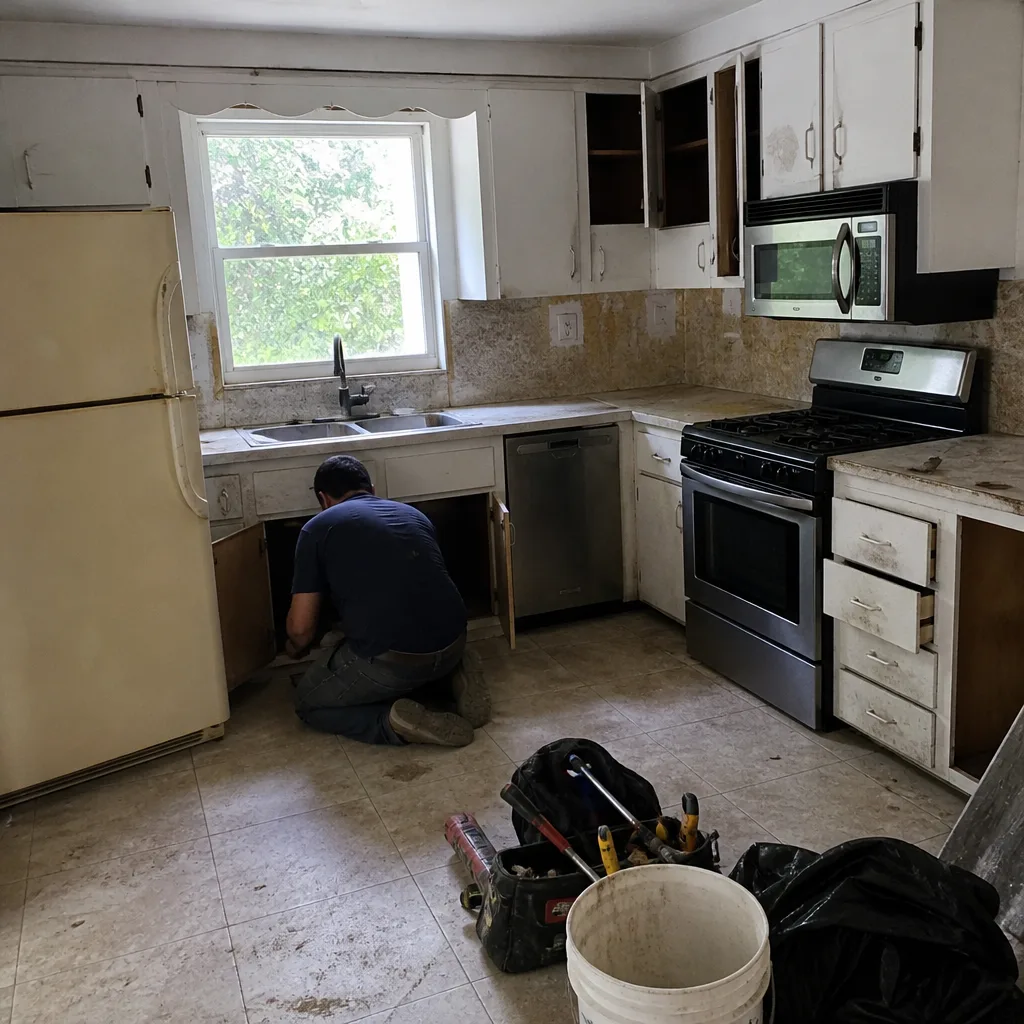 Before
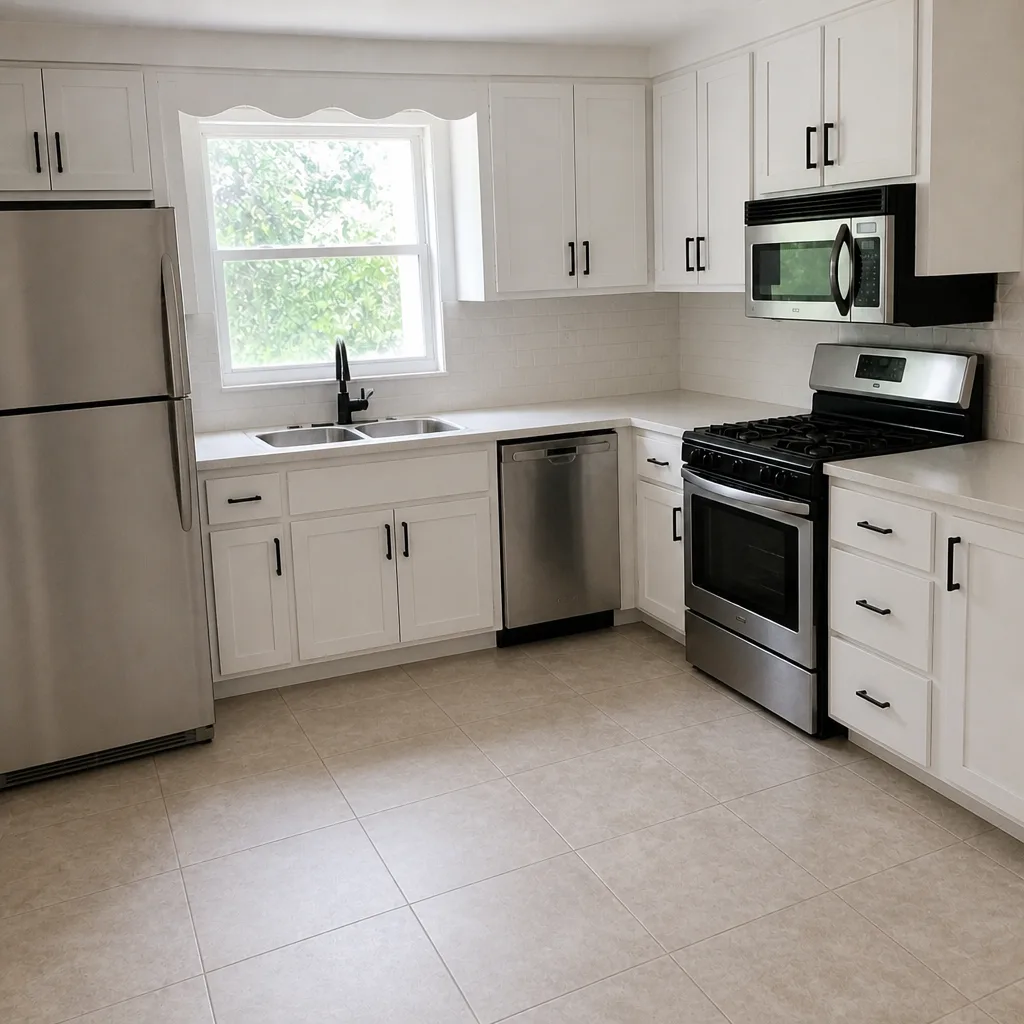 After
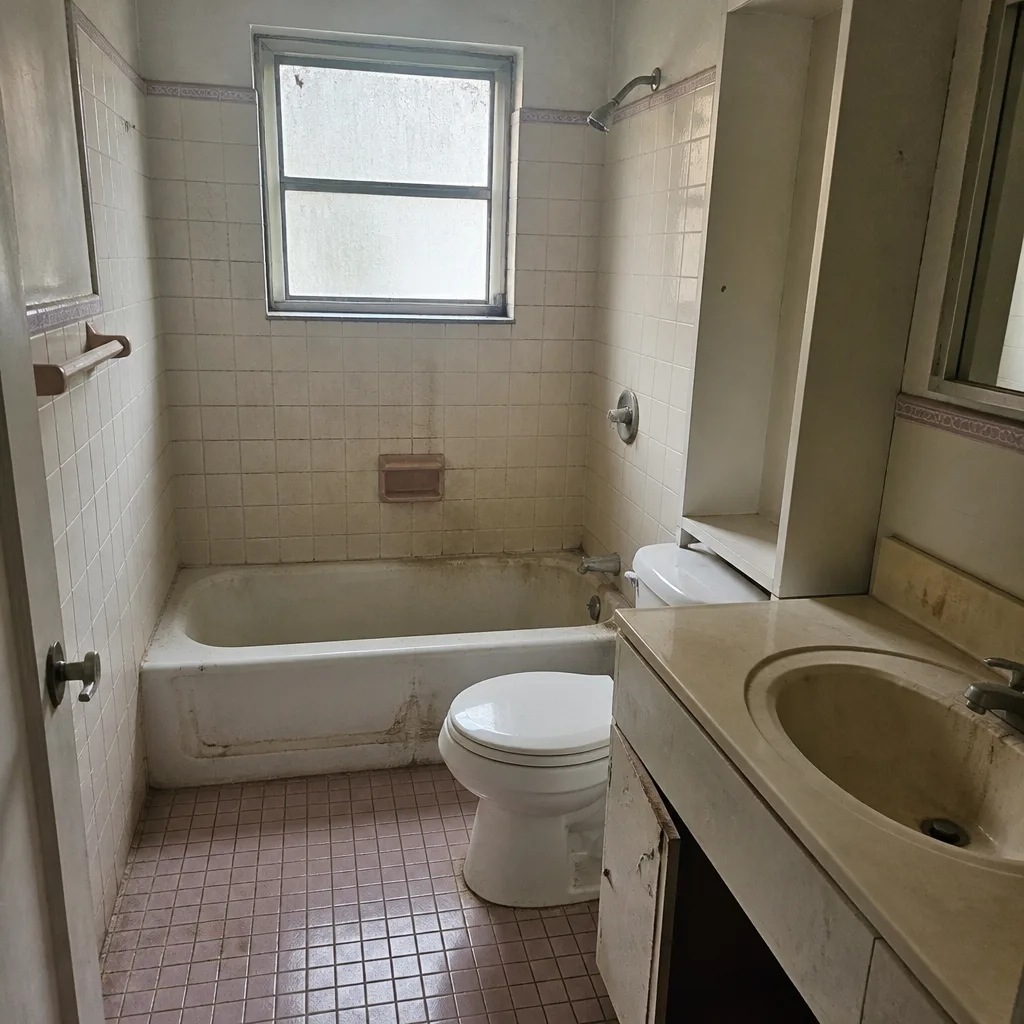 Before
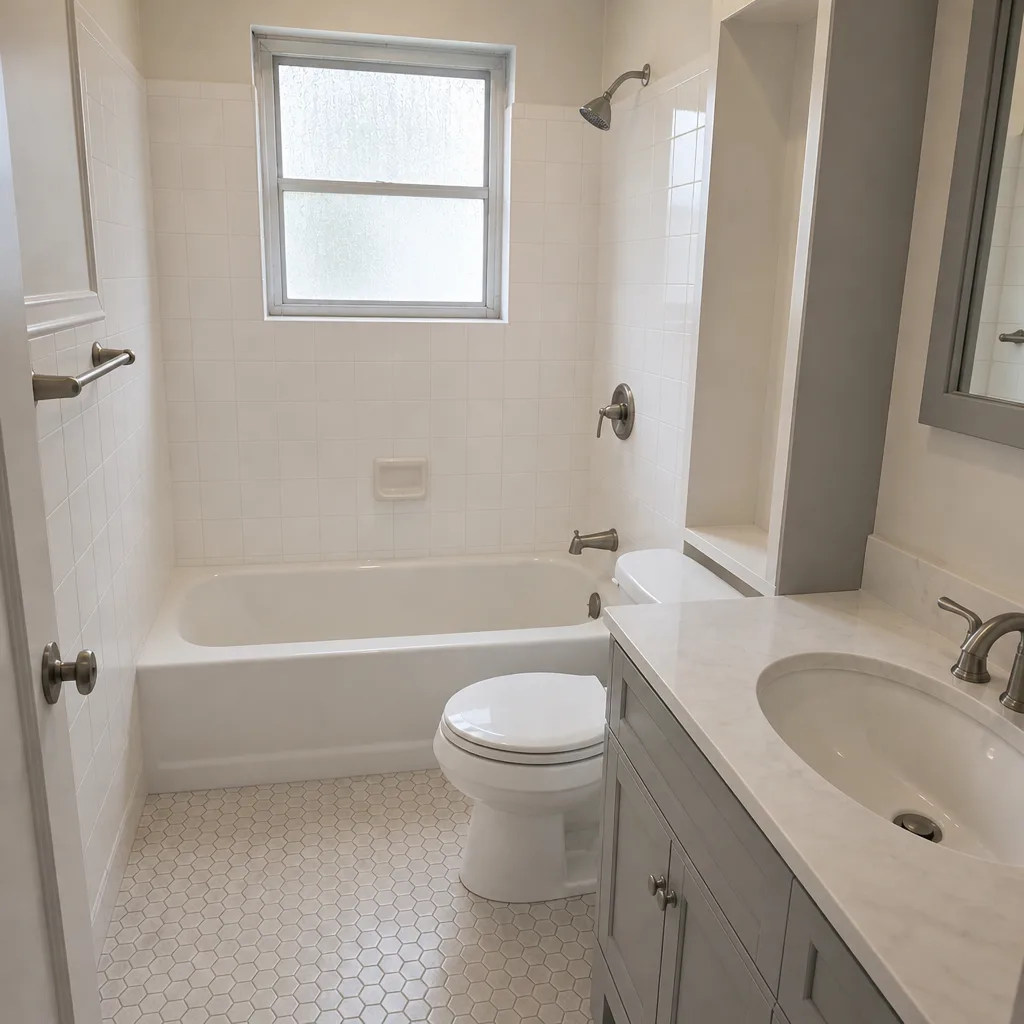 After
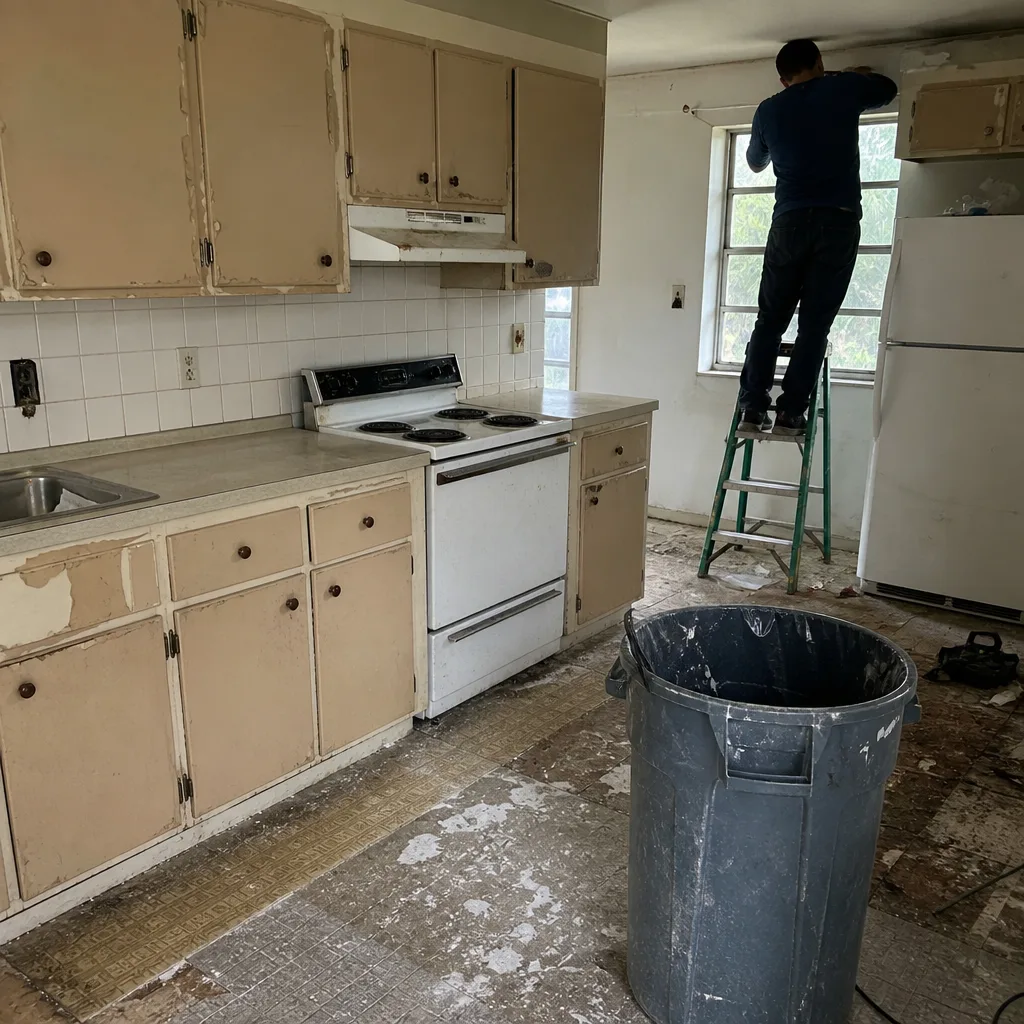 Before
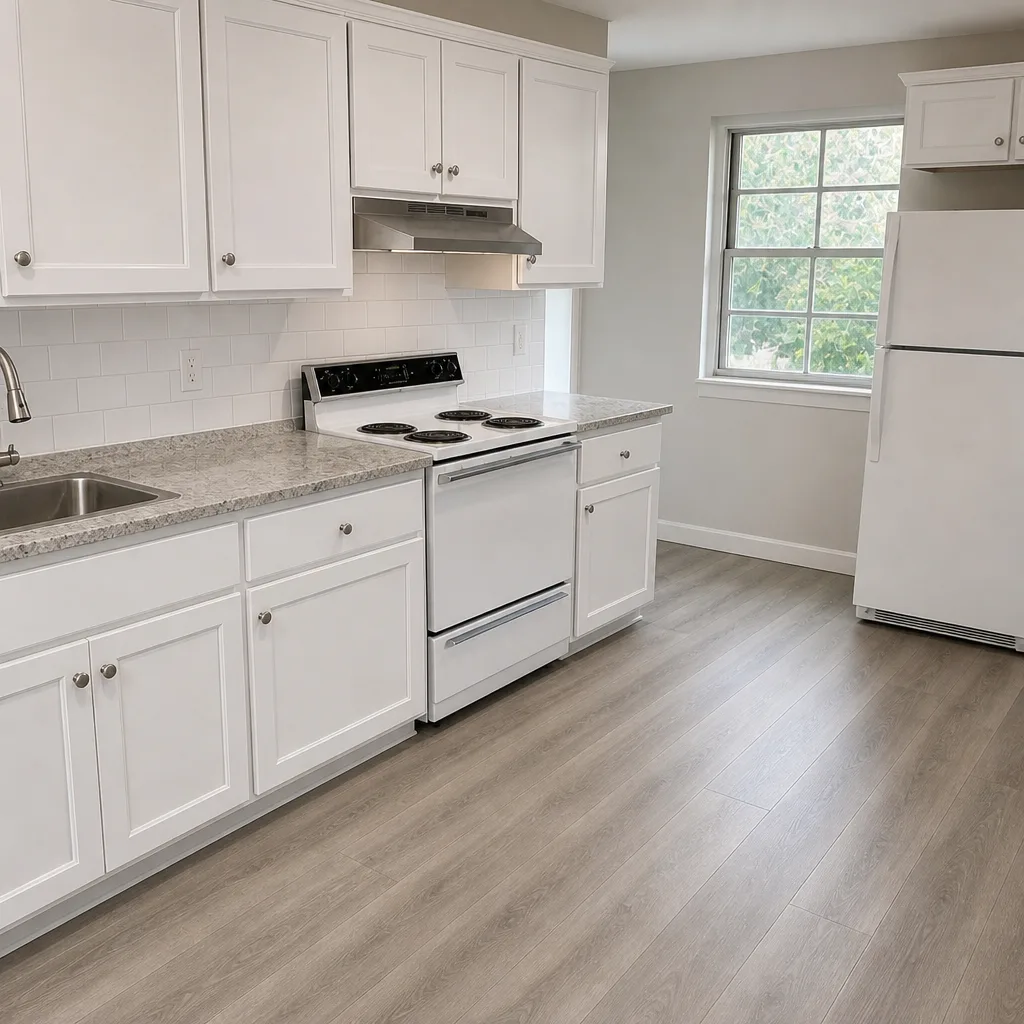 After
When to Call a Professional
Some Coral Gables construction work needs a professional crew, not a homeowner with a plan. Call us when your project crosses into any of these: any exterior change in a historic district or design overlay, any addition or structural alteration, any plumbing or electrical work that touches the permit path, a sewer lateral of unknown age or condition that your remodel adds load to, a kitchen or bathroom rebuild with fixture relocations, or a whole-home scope where a general contractor needs to sequence trades and inspections. Jobs like these require a licensed contractor, recorded permits, and inspected phases. Bradford Remodeling Co Coral Gables offers free estimates in Coral Gables – call (833) 510-5367. Every estimate comes with a written price and a written scope before any work begins.
Frequently Asked Questions
Yes. The City of Coral Gables Building Division issues permits and conducts inspections for work inside the city limits. Miami-Dade County does not have permitting authority over in-city projects. Confirming jurisdiction before submittal matters because a county filing on a Coral Gables project will be rejected and cost two to four weeks. Call (833) 510-5367 for a free estimate and we’ll confirm jurisdiction for your address.
A kitchen or bathroom remodel permit runs 2 to 5 weeks in Coral Gables. Any project touching windows, doors, rooflines, or exterior walls in a historic district runs 8 to 14 weeks because it includes Board of Architects review. Additions run 12 to 20 weeks. Your estimate includes a written schedule so you know what to plan around. Call (833) 510-5367 to schedule a free estimate.
The Board of Architects is the city body that reviews exterior alterations in designated historic and design-review districts. You need their approval any time your project changes the visible exterior of a property inside one of those districts – roof profiles, window profiles, additions, fences, and new construction. Interior-only work usually skips the review entirely. If you’re not sure whether your project triggers it, call (833) 510-5367 for a free estimate and we’ll check your address.
The Notice of Commencement is the legal switch that controls lien priority on your property. If it’s recorded properly, subcontractors must notify you before filing a lien, which gives you a window to intervene. If it isn’t recorded, an unpaid subcontractor may be able to lien your house even after you’ve paid the general contractor in full. We issue and post it at the start of every project. Call (833) 510-5367 for a free estimate.
Kitchens run $75,000 to $180,000. Bathrooms run $35,000 to $110,000 per bath. Whole-home interior remodels run $300,000 to $900,000. Add 3 to 6 percent for Coral Gables permit overhead and additional weeks for Board of Architects review if the exterior envelope is touched. Call (833) 510-5367 for an exact quote – estimates are free and every price is written.
Written price, written scope, no numbers that move at the door. That’s the rule on every Bradford project. If scope changes during the build, the change order is written and signed before the work proceeds. The 365-Day Done Right Promise backs every completed project for a full year: if the work fails within that window, we return and correct it at no charge. Call (833) 510-5367 to start with a free written estimate.
The Bottom Line
Construction in Coral Gables is regulated by the City of Coral Gables, layered with Mediterranean Revival design overlay rules, subject to Board of Architects review on exterior work in historic districts, complicated by aging underground infrastructure beneath the tree-canopied streets, and bound at the money end by the Notice of Commencement. None of this is a reason to avoid building here. It’s a reason to work with a contractor who already knows the map. Get the jurisdiction right, get the review path right, get the NOC recorded, get the price in writing, and the project moves. Every Coral Gables project we run carries a written price before work begins and a 365-Day Done Right Promise at close. Bradford Remodeling Co Coral Gables offers free estimates – call (833) 510-5367 to schedule yours.
Written by the team at Bradford Remodeling Co Coral Gables.