Last updated November 17, 2026
Free written scope consultation - allowances, timeline, and change-order rules on paper before a single trade is scheduled
The Complete Bathroom Remodeling Guide for Coral Gables Homeowners
A tile and fixture swap that takes three weeks in Phoenix can take eight weeks in Coral Gables, and the difference is almost entirely permitting. That gap surprises homeowners after demo has already started, when the dumpster is sitting in the driveway and the schedule is already sliding. Coral Gables has its own building department, its own architectural review overlay for many neighborhoods, and a subtropical climate that punishes the wrong material choices within a few seasons. This guide walks through the real rules: Miami-Dade permit requirements, humidity and salt-air material decisions, HOA architectural review, honest cost ranges by scope tier, and how to structure a contract that holds all the way to close.
Quick Answer
Bathroom remodeling in Coral Gables typically runs $12,000 to $28,000 for a mid-range gut renovation, $6,000 to $12,000 for a cosmetic refresh, and $35,000 to $65,000 or more for a full reconfiguration that moves plumbing. Timeline is usually 5 to 10 weeks once permits are issued, but plan for 4 to 8 extra weeks of permitting and architectural review before demo begins. Miami-Dade County requires a building permit for nearly all bathroom work beyond surface finishes, and a Notice of Commencement is required when the job value exceeds $2,500.
Styles & brands we work with
- Kitchen remodeling
- Bathroom remodeling
- Home additions & ADU
- Roofing
- Windows & doors
- Driveway & pavers
- Fence
Table of Contents
- Miami-Dade Permits: What Triggers Review
- Materials That Survive Coral Gables Humidity
- Coral Gables HOA and Architectural Review
- Real Cost Ranges by Scope Tier
- How to Structure the Contract
- Common Mistakes to Avoid
- When to Call a Professional
- Frequently Asked Questions
Miami-Dade Permits: What Triggers Review in Coral Gables
In Coral Gables, the building department operates independently from Miami-Dade County’s main permitting system, and that distinction matters. A permit pulled through the county for a Miami address does not automatically satisfy Coral Gables requirements. Most bathroom work that touches plumbing, electrical, structural framing, or the waterproofing membrane requires a local building permit.
Here’s what typically triggers permitting:
- Relocating or adding a drain, supply line, or vent stack (plumbing rough-in permit)
- Adding, moving, or upgrading any electrical circuit, including GFCI protected outlets near water
- Removing or altering a load-bearing wall
- Installing a new shower pan or relocating a tub where the waterproofing system changes
- Changing a window or door in the bathroom envelope
Cosmetic work – painting, tiling over an existing substrate, replacing a vanity top, swapping a toilet or pedestal sink in the same location – usually does not require a permit. The line is drawn at the systems behind the wall.
Notice of Commencement
Florida Statute 713.13 requires a Notice of Commencement be recorded with Miami-Dade County before any work begins when the contract value exceeds $2,500. A bathroom remodel almost always crosses that threshold. The document protects the homeowner’s title by naming the contractor and confirming the project is underway; it also triggers the contractor’s obligation to provide a final affidavit and release of liens at close. A contractor who does not bring up a Notice of Commencement before demo is either unfamiliar with the requirement or cutting a corner. That’s a warning sign before the first tile comes off the wall.
Work without a permit in Coral Gables is not a quiet shortcut. It’s a title problem that surfaces at resale, when a buyer’s inspector finds unpermitted plumbing and the closing stalls until it’s corrected and inspected retroactively, often at a higher cost than doing it right the first time.
Materials That Survive Coral Gables Humidity and Salt Air
Coral Gables averages around 60 inches of rain a year and sits close enough to Biscayne Bay that salt-air exposure affects every home east of US-1. That combination changes which bathroom materials fail fast and which last. The wrong choices do not look wrong on day one – they show up two or three years later as a swollen cabinet box, a rusted hinge, a creeping line of mold along a shower curb.
What fails fast in a Coral Gables bathroom:
- Particleboard cabinet boxes. Humidity finds the seams first, and the box swells from the inside. KraftMaid and Wellborn both offer plywood-construction boxes and finishes rated for high-humidity environments; that specification is worth confirming in writing.
- Standard drywall behind the shower tile. Miami-Dade code requires a cementitious backer board or a bonded waterproofing membrane system, and inspectors do check.
- Unevaluated “water-resistant” MDF trim. It holds up longer than particleboard but still swells near the tub edge.
- Standard chrome plated brass fixtures in a salt-air bathroom with poor ventilation. Moen and Kohler both offer PVD finishes (physical vapor deposition) that hold a finish far longer than traditional chrome plating. Worth the upgrade near the coast.
What holds a decade or more:
- Plywood-construction vanity boxes with a factory finish, sealed on the wet side
- Cement or foam backer systems with a bonded waterproofing membrane (Schluter, Wedi, or a comparable manufacturer system)
- Porcelain tile over the shower floor; natural stone, if used, sealed and re-sealed on a 12 to 18-month schedule
- Quartz surfaces. Cambria and Caesarstone both engineer their quartz to be non-porous, which matters in a bathroom where standing water is part of the daily routine
- A properly sized exhaust fan ducted to the exterior. Not into the attic – out of the building envelope. A bath fan running for 20 minutes after every shower is the cheapest moisture defense in the house.
The point is that material choice in Coral Gables needs to survive the climate, not just look right in the showroom. When our team walks a Coral Gables project, the questions we ask first are about ventilation and substrate, not tile pattern.
Coral Gables HOA and Architectural Review
Many Coral Gables neighborhoods carry architectural review overlays through the city’s Board of Architects, and many more have HOA deed restrictions that run alongside city rules. Both layers apply. A building permit does not override an HOA design covenant, and an HOA approval does not replace a building permit. Homeowners who learn this after ordering materials end up reordering.
Documentation to gather before you submit for review:
- Existing floor plan and the proposed floor plan, drawn to scale. Most reviewers will not consider a hand sketch.
- Elevations of the affected wall, including fixture locations, window and door openings, and finished ceiling height.
- Site plan showing window and door locations relative to neighbors, especially on the exterior wall side if any window changes.
- Material specification sheet with photo representations of tile, fixtures, cabinetry finish, and door style. Manufacturer cut sheets from KraftMaid or Wellborn save a round of back-and-forth.
- Contractor information: license number, insurance certificate, and a signed contract or letter of authorization.
- For homes in a historically designated overlay, a photographic survey of existing conditions before any removal.
Typical review cycles in a Coral Gables HOA or the city architectural board run two to six weeks per submission, and a revision can double that. The most common reason for a rejection is incomplete elevation drawings, not a design objection. Submitting a complete package the first time is the single biggest timeline saver on a Coral Gables bathroom project.
Real Cost Ranges by Scope Tier
Prices below reflect Coral Gables market conditions for 2025-2026, including Miami-Dade permit fees and the finish specifications that hold up in local humidity. Coral Gables sits at the higher end of South Florida pricing – the permitting timeline and the older housing stock both push cost up compared to newer subdivisions in Broward.
| Scope | Typical Cost Range | Timeline |
|---|---|---|
| Cosmetic refresh (paint, new vanity top, fixtures, mirror, light fixture) | $6,000 – $12,000 | 2 – 3 weeks |
| Mid-range gut (full tile replacement, new fixtures, new vanity, new toilet, new shower tile, new exhaust fan, permit) | $12,000 – $28,000 | 5 – 8 weeks |
| Gut plus layout change (moving a shower or vanity, relocating plumbing) | $28,000 – $45,000 | 8 – 12 weeks |
| Full reconfiguration (expanding footprint, moving plumbing wall, structural changes) | $35,000 – $65,000+ | 10 – 16 weeks |
Where a Coral Gables project pushes past the top of a range: older homes in neighborhoods like Gables by the Sea or the Riviera section often have outdated plumbing behind the wall – original 1950s cast iron or galvanized lines. Once the tile is off and the plumber opens the wall, that is the moment to decide whether to replace the drain and supply lines. Adding cast iron replacement runs $2,500 to $6,000 on a typical Coral Gables bathroom, but doing it during a remodel is far less expensive than doing it after.
Tile selection swings the total by several thousand dollars. A porcelain through-body tile is $4 to $9 per square foot installed. Marble-look porcelain runs $8 to $14. Natural stone – Carrara marble, travertine – runs $15 to $30 per square foot plus sealing maintenance. In Coral Gables, natural stone in a shower with poor ventilation is a mistake; in a well-ventilated shower, it’s a beautiful and historically appropriate material.
How to Structure the Contract So Scope, Price, and Warranty Hold
A bathroom remodel lives or dies on the contract. Most of the horror stories homeowners bring to us start with a one-page proposal that left out the substrate, the exhaust fan, the permit fee, and the disposal. Then items appear as change orders once demo reveals what’s behind the wall.
What a properly structured Coral Gables bathroom contract includes:
- Written line-item scope. Every line, every fixture, every substrate called out by name. Not “tile shower” – “cement backer board over studs, Schluter waterproofing membrane, 12×24 porcelain tile to ceiling on three walls.” An ambiguous line is the most likely change order.
- Fixed written price. The number does not move at the door. Contingency is a separate, agreed line, not a vague cushion. At Bradford Remodeling Co Coral Gables, every price is written before work begins – the Garrison Standard behind our operation requires it.
- Permit responsibility. State clearly who pulls the permit, who pays the fee, and who coordinates the inspection. If the contractor pulls it, the homeowner’s name still appears on the permit; know what that means for insurance.
- Schedule and milestones. Date ranges for demo, rough-in, inspection, tile, fixture install, and close. A reasonable buffer around the permit and inspection dates.
- Material specifications with brand names. KraftMaid or Wellborn cabinetry, Cambria or Caesarstone countertops, Kohler or Moen fixtures. Manufacturer name and model on the contract means the specification is traceable. Substitutions require a signed written approval.
- Change order process. How changes get priced, who signs, and what constitutes authorization. A change order signed after the work is done is a dispute waiting to happen.
- Warranty language. Every Bradford Remodeling Co Coral Gables project carries the 365-Day Done Right Promise: if the work fails within one year of completion, we return and make it right at no charge. Get that guarantee in writing on the contract, not in a brochure.
- Lien releases and final affidavit. Florida law gives subcontractors and material suppliers lien rights. The contract should require the contractor to collect and deliver lien releases before the final payment.
For broader context on how Tampa Bay’s humidity drives similar material decisions, see our sister location’s guide. For the full general contracting approach behind a Bathroom Remodeling in Coral Gables project, that pillar page lays out the trades and inspections step by step.
Common Mistakes to Avoid
- Starting demolition before the permit is in hand. In Coral Gables, an inspector can stop work and require a correction plan. The two-week shortcut becomes a four-week setback at the worst possible moment.
- Skipping the Notice of Commencement. When a Coral Gables project crosses the $2,500 threshold and the document is never recorded, the homeowner’s title carries an open question at resale. Get it filed before demo, not after.
- Choosing particleboard vanities for a Coral Gables bathroom. Humidity destroys the seams in two to three years. Pay for the plywood, specify it on the contract, and confirm it arrives on site.
- Venting the bath fan into the attic. We see this regularly in older Coral Gables homes. The fan runs, moisture piles into the attic decking, and the wood begins to rot above the bath. Duct to the exterior, every time.
- Underestimating HOA and architectural review timelines. A Coral Gables review cycle that runs four weeks is not slow; it’s normal. Budget for it and use the permit and inspection back-and-forth as one window, not two.
- Choosing a contractor on lowest bid. The lowest Coral Gables bathroom bid is almost always the one with the shortest line-item scope. Price the specs, not the address book.
- Skipping the written warranty. A warranty is not a promise, it’s a document. Get the terms in writing – length of coverage, what’s included, and how a return visit gets scheduled.
When to Call a Professional
Many cosmetic changes are within reach: repaint the room, swap a vanity top, change out the mirror and light fixture, replace the toilet or faucet. But the moment the job touches plumbing, electrical, substrate, waterproofing, structural framing, or a layout change, the DIY window closes. The two areas to never open up on your own: electrical work near water (shock hazard) and the waterproofing membrane behind a shower (a failed membrane shows up as mold behind the wall, not as a visible leak, and it is expensive to correct).
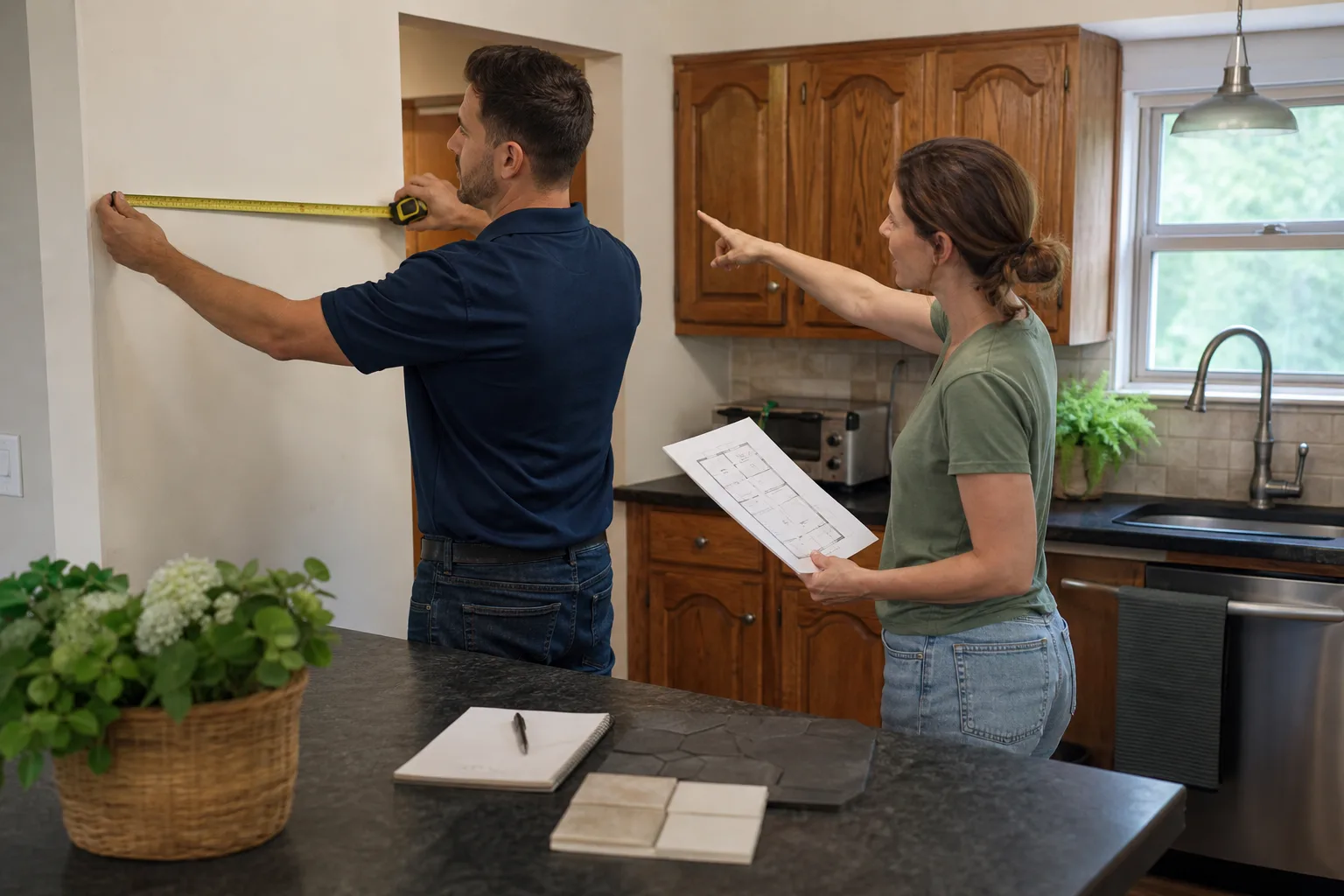
Bradford Remodeling Co Coral Gables offers free estimates for bathroom remodeling in Coral Gables and the surrounding area. Every estimate is a written line-item scope with a fixed price, permit responsibility, and warranty spelled out before demo begins. Background-checked, uniformed technicians on every job. A live person answers the phone at any hour. Call (833) 510-5367 for a free estimate, and we’ll walk the bathroom with you.
Frequently Asked Questions
A mid-range bathroom gutter renovation in Coral Gables typically runs $12,000 to $28,000. A cosmetic refresh – paint, vanity top, fixtures – is $6,000 to $12,000, and a full reconfiguration that moves plumbing runs $35,000 to $65,000 or more. Coral Gables sits at the higher end of South Florida pricing because of local permitting and older plumbing in many homes. Call (833) 510-5367 for a written estimate – estimates are free.
Yes, if the work touches plumbing, electrical, structural framing, or a shower membrane. Cosmetic finishes usually do not require a permit. Coral Gables issues its own permits through the city building department, separate from Miami-Dade County, and a Notice of Commencement is required when the contract value exceeds $2,500. Confirm permit responsibility in writing on the contract.
The construction duration for a mid-range gut is usually 5 to 8 weeks once the permit is issued. Permitting and any HOA or architectural review add another 4 to 12 weeks on top. Most Coral Gables homeowners should plan 3 to 5 months from signed contract to final inspection, with a full reconfiguration pushing toward 5 or 6.
Plywood-construction vanities over particleboard, cement or foam backer board with a bonded waterproofing membrane, porcelain tile, and quartz surfaces from brand manufacturers like Cambria or Caesarstone. PVD finishes on fixtures last far longer in salt air than standard chrome plating. The most important material choice is the exhaust fan: sized correctly and vented to the exterior, it protects every other material in the room.
Many Coral Gables neighborhoods do require it, and city architectural review overlays add a second layer in certain historic districts. Both apply. HOA review does not replace a building permit, and a permit does not satisfy HOA design covenants. Submitting a complete package – floor plans, elevations, material specs, contractor information – on the first submission saves weeks.
At minimum, a written warranty that covers labor and specifies what happens if the work fails. Bradford Remodeling Co Coral Gables carries the 365-Day Done Right Promise: every completed project is covered by a full-year written guarantee, and if the work fails inside that window, we return and correct it at no charge. The written warranty should be in the homeowner’s hand at job close, along with the signed contract and final inspection record.
The Bottom Line
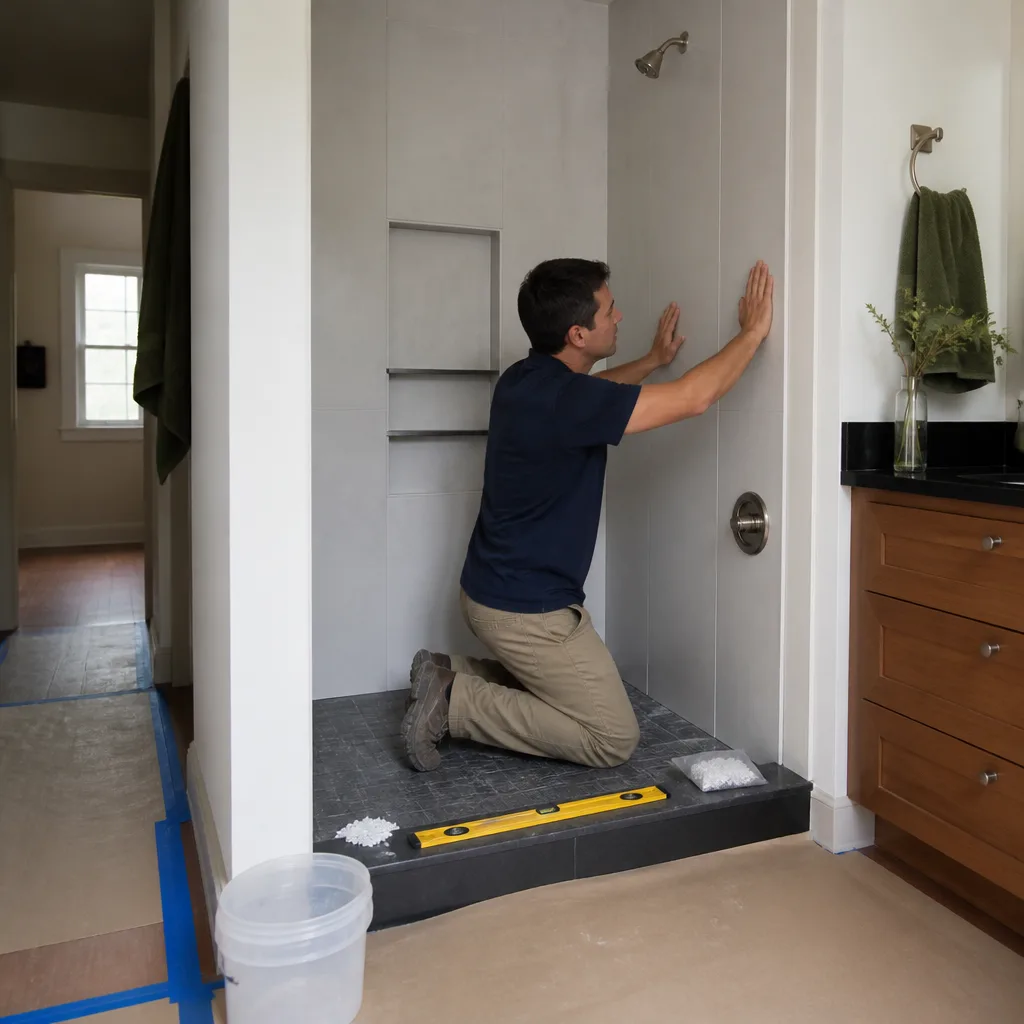
Coral Gables bathrooms almost always take longer than the national timeline, and the reason is not the tile: it’s permitting, architectural review, and the fact that many Coral Gables homes carry plumbing decades past its service life. Plan for it. Budget for cast iron replacement alongside the visible finishes. Specify material brands on the contract so the specification is traceable. Make the fan vent to the exterior. And get the price, scope, and warranty in writing before demo starts. A Coral Gables bathroom done this way survives the next fifteen years of humidity without a callback. Done the other way, it may not survive the first salt-air rainy season.
Written by the team at Bradford Remodeling Co Coral Gables.
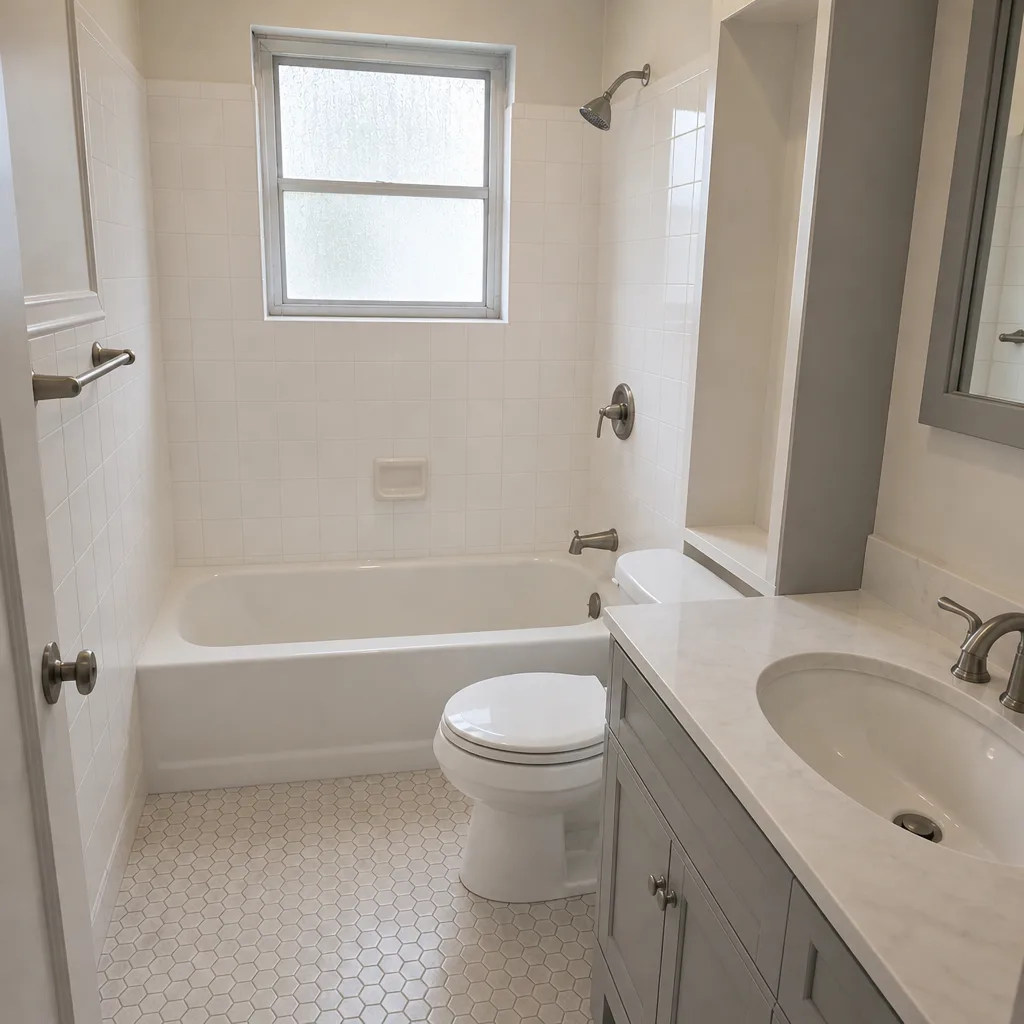
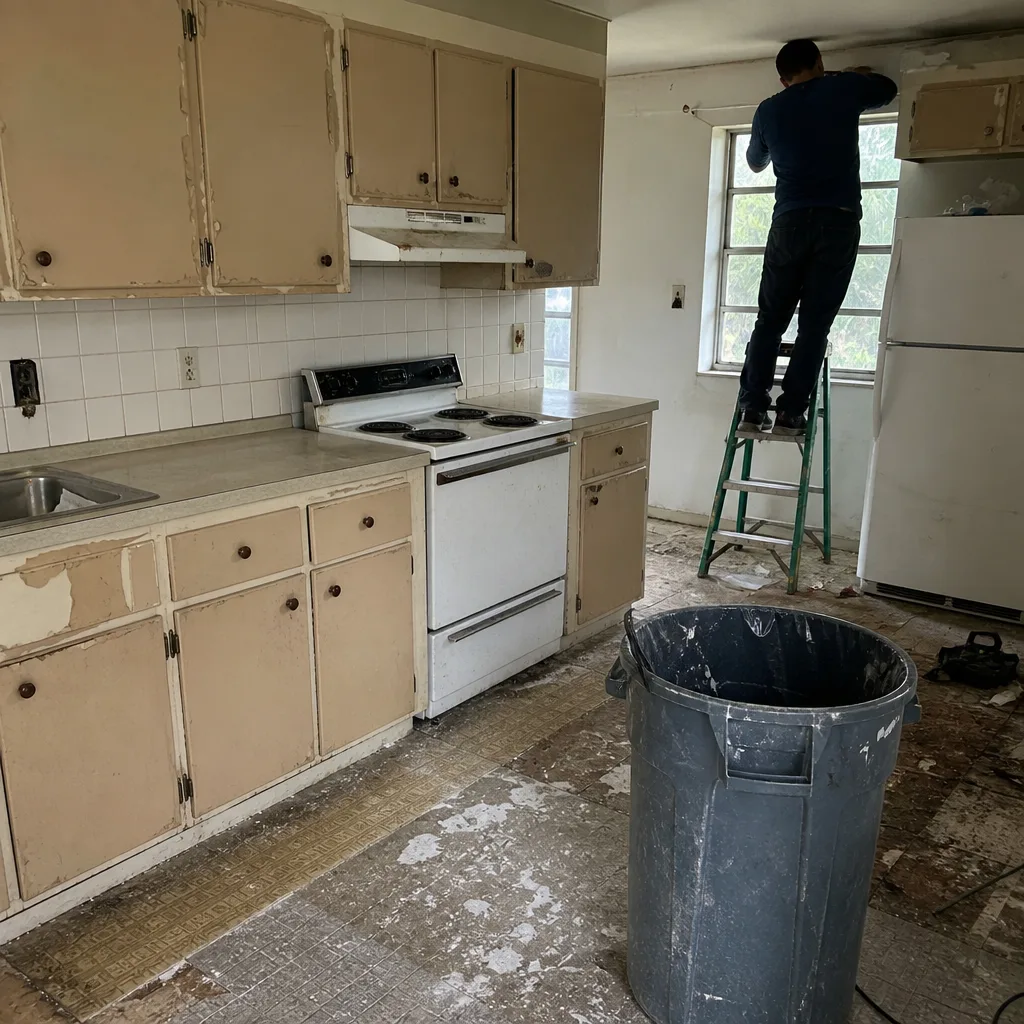
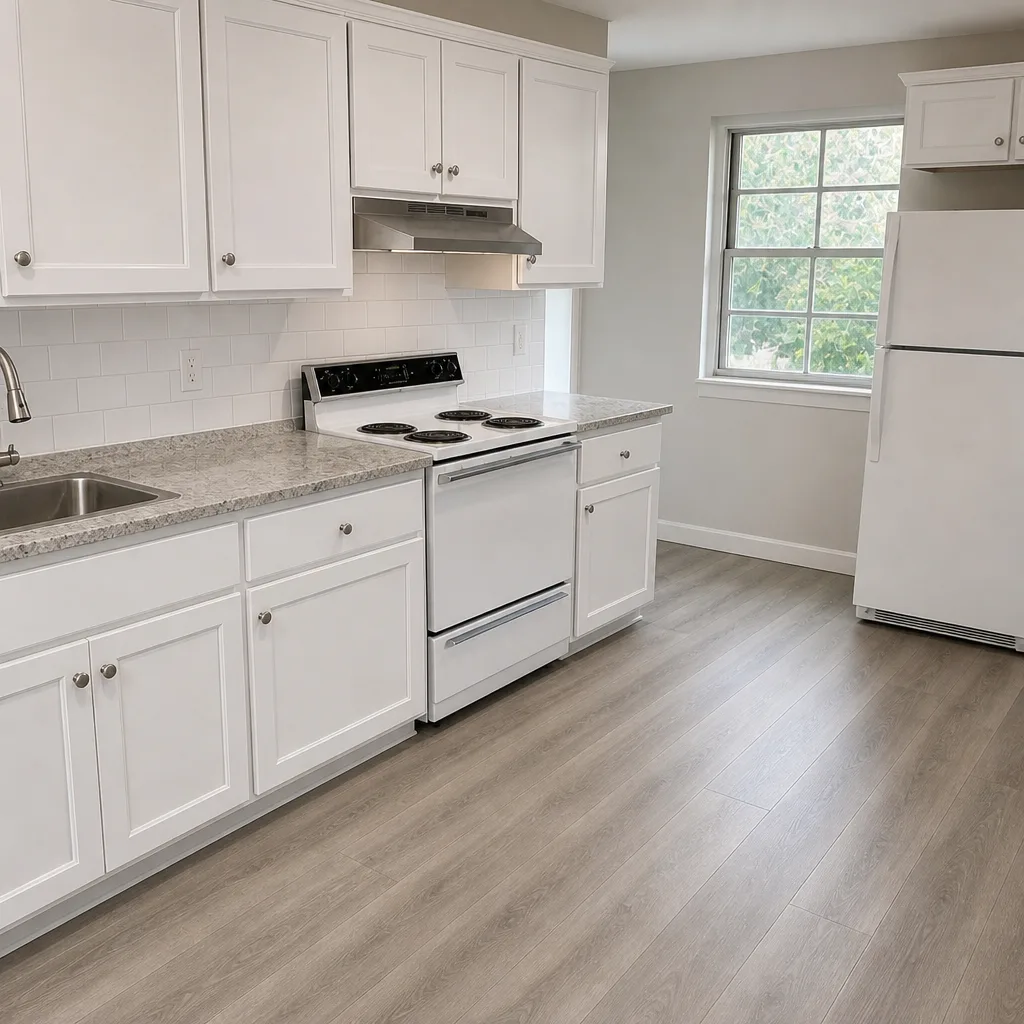
See the difference
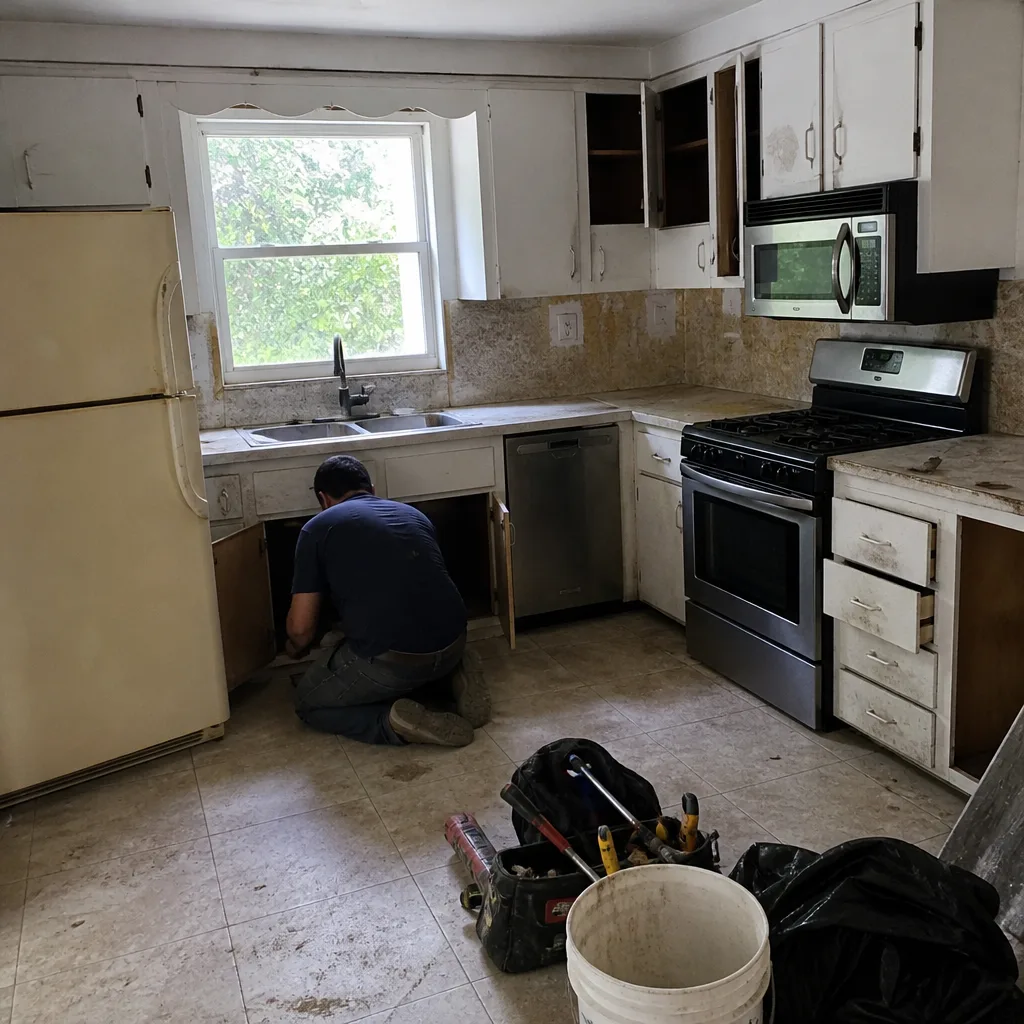 Before
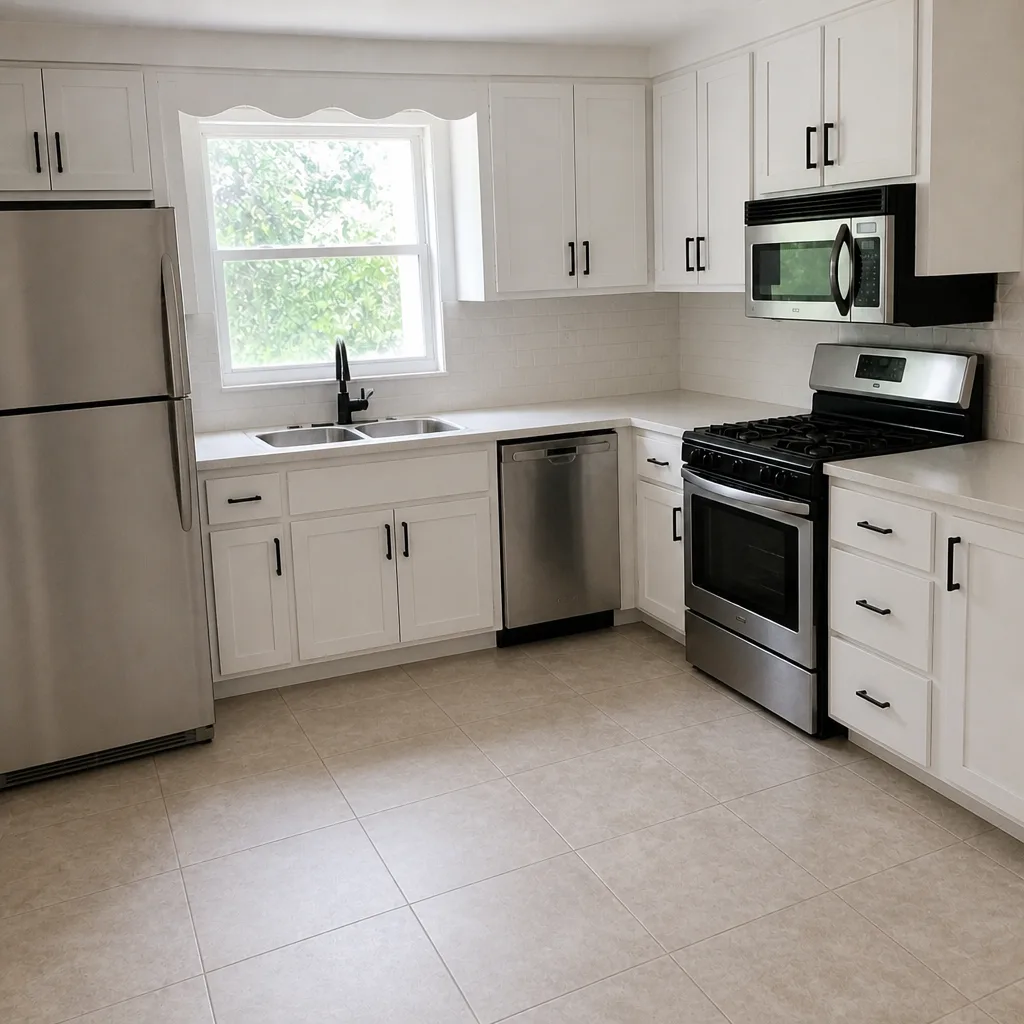 After
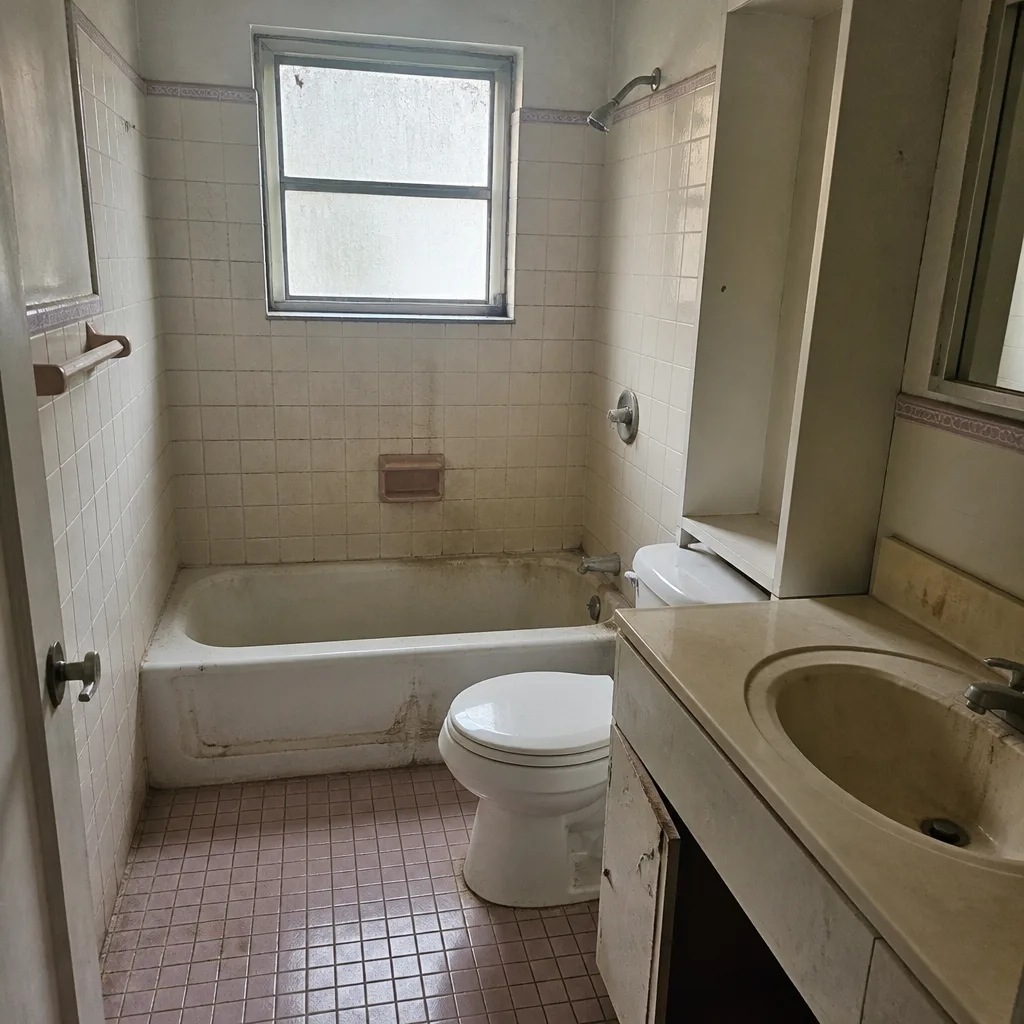 Before
 After
 Before
 After