Last updated November 17, 2026






Free written scope consultation - allowances, timeline, and change-order rules on paper before a single trade is scheduled
Home Remodeling Warning Signs Every Homeowner Should Know
The contractor who ghosts you in week three almost always showed one of seven specific behaviors before the first invoice, and homeowners who knew them would have walked away at the estimate. The signs show up in the paperwork, the payment schedule, and the way the price gets quoted long before a single cabinet comes off the wall. This guide teaches you to read them at the kitchen table, before you sign anything. It’s written for Coral Gables homeowners who’ve been burned once and refuse to be burned again.
Quick Answer
Most remodeling disasters are set up before the contract is signed, not during the build. The seven pre-hire warning signs are: a ballpark price instead of a written scope of work, a license you can’t verify on Florida’s DBPR portal, front-loaded deposits, no lien waiver, cash-only terms, “we’ll figure it out as we go” change orders, and pressure to sign before you’ve read anything. Catch any two and you should stop.
Styles & brands we work with
- Kitchen remodeling
- Bathroom remodeling
- Home additions & ADU
- Roofing
- Windows & doors
- Driveway & pavers
- Fence
Table of Contents
- Ballpark Estimate vs. Scope of Work: The Difference That Decides Everything
- How to Check a Contractor’s License on Florida’s DBPR Portal in Under 90 Seconds
- What a Lien Waiver Is and Why Florida Law Makes It Your Shield
- Payment Schedule Red Flags: Front-Loading, Cash-Only, and Invoices That Arrive Early
- What “We’ll Figure It Out As We Go” Actually Costs in Dollars
- Coral Gables Climate and Code: The Remodeling Traps Nobody Warns You About
- The Seven Questions to Ask Before You Sign Anything
- What a Real Written Guarantee Looks Like
Ballpark Estimate vs. Scope of Work: The Difference That Decides Everything
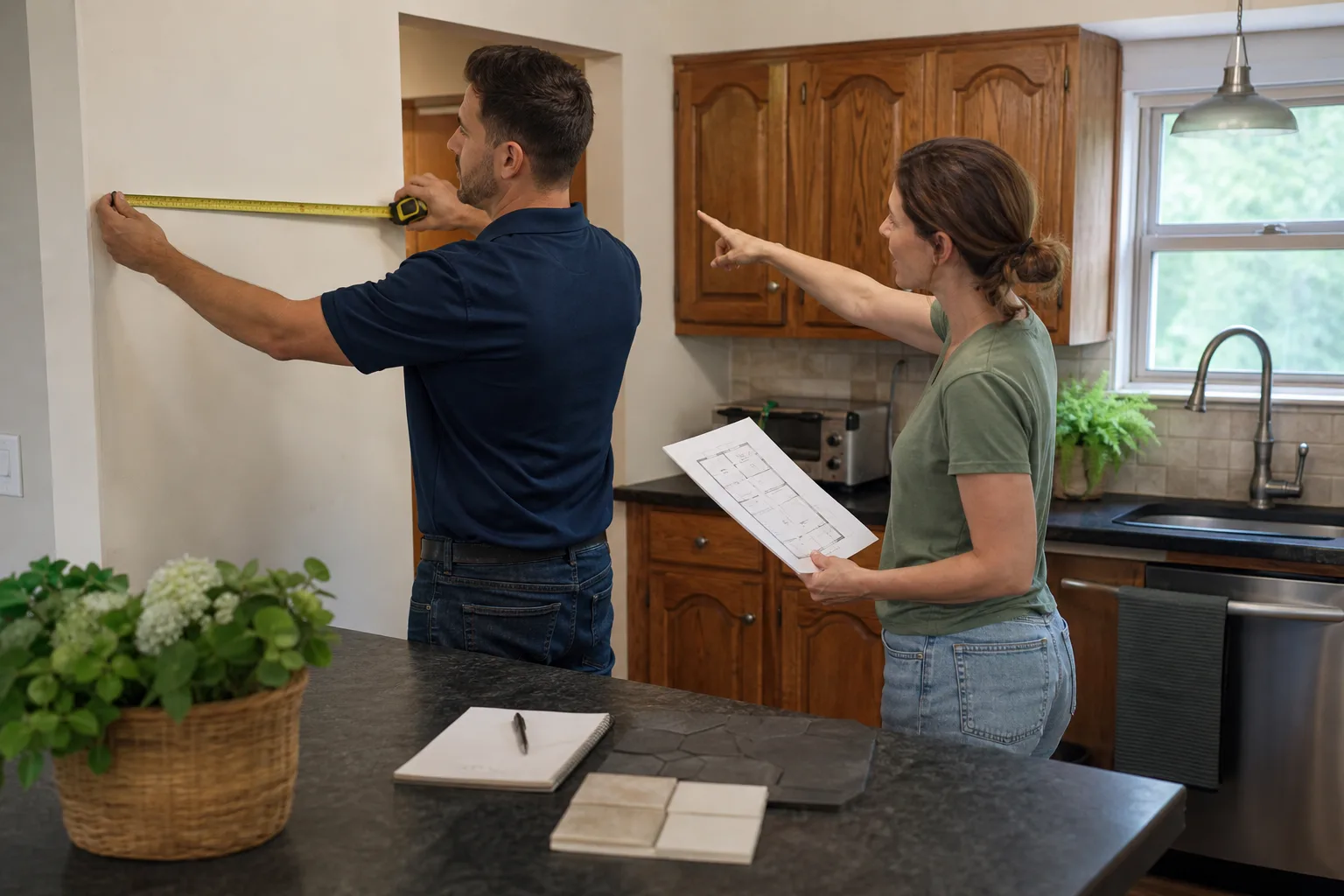
A ballpark estimate is a single number on a text message or a napkin. A scope of work document is a page that tells you exactly what will be installed, what will be removed, what’s included, what isn’t, and what each line costs. The ballpark is a guess dressed up as a commitment. The scope is a commitment. When a Coral Gables contractor hands you a round number with no breakdown, you have no way to hold them to anything – and no way to know what the number is actually covering.
A real scope of work answers five questions in writing:
- What’s the product? Not “quartz counters” but “Cambria Britannica, 3cm, fabricated and installed, two slabs.” Brand and spec locked.
- What’s excluded? Appliance allowance, permits, dumpster, drywall repair, paint – named or the price isn’t real.
- What’s the allowance? If there’s a $4,000 cabinet allowance, what happens when the chosen line runs $6,200?
- Who pulls permits? The answer must be “we do” and the permit number appears on the job.
- What’s the warranty? The specific term in months, and what triggers a callback.
When we quote a kitchen remodeling in Coral Gables, the written price arrives before any work begins, and the line items don’t move unless the homeowner asks for a change. That’s not a luxury. That’s the difference between a project that closes on schedule and one that slides into a weekly renegotiation. If a contractor flinches when you ask for a line-item scope, that flinch is your answer. Walk.
How to Check a Contractor’s License on Florida’s DBPR Portal in Under 90 Seconds
Florida’s Department of Business and Professional Regulation runs a public license lookup at myfloridalicense.com. Pulling a license status takes less than two minutes and surfaces more than most homeowners realize.
- Get the license number in writing. Ask for the state license number, not a business license or a local registration. For general or residential contracting it starts with “CGC,” “CRC,” or “CBC.” If they can’t produce a number, stop.
- Open the DBPR “Verify a Licensee” search. Enter the number, not the name. Names can have multiple spellings; numbers can’t.
- Confirm four things: the license status says “Current, Active”; the license type matches the work; the qualifying individual’s name matches who you’re hiring; and there are no public disciplinary actions listed.
- Screenshot the page. Save it. If the status changes mid-project, you have proof of what you saw on day one.
Two things catch people in Coral Gables specifically. First, a contractor may hold a statewide license but still need to register with the City of Coral Gables Building Division before pulling permits here – ask whether the local registration is in place. Second, a “handyman” with no state license can’t legally take a job over the statutory dollar threshold on a residential structure. It happens in older neighborhoods like Coral Way and the Gables by the Sea area more often than the market admits. Verify the number before the estimate, not after the demolition.
What a Lien Waiver Is and Why Florida Law Makes It Your Shield
A lien waiver is a signed document from a contractor or supplier saying they’ve been paid for their portion of the work and give up the right to place a mechanics lien on your property. In Florida, mechanics lien law under Chapter 713 is unforgiving: if a subcontractor or supplier doesn’t get paid by the general contractor, they can file a lien against your home even though you paid the GC in full. The lien follows the property, not the checkbook.
What good looks like on a Coral Gables remodel:
- A Notice to Owner at the start. Subcontractors and material suppliers send these by certified mail. Don’t panic – it’s normal, and it’s how you learn who’s working on your job. Keep every one.
- Conditional waivers with each draw. When you pay a progress draw, the GC provides waivers from subs and suppliers covering the work covered by that payment.
- A final unconditional waiver at close. Signed by the GC and every major sub and supplier, dated the day of final payment.
- A Notice of Commencement recorded with Miami-Dade County. Required on larger jobs, and it puts the world on notice of who’s responsible.
When a contractor has never heard of a lien waiver, or waves it off as “unnecessary paperwork,” they’re telling you they either don’t run jobs by the book or don’t intend to. Either answer ends the conversation. A written guarantee and a clean lien trail travel together – you don’t get one without the other on a job run to standard.
Payment Schedule Red Flags: Front-Loading, Cash-Only, and Invoices That Arrive Early
A payment schedule is a map of who trusts whom. The standard, safe structure is a modest deposit for materials and mobilization, then progress draws tied to completed milestones, then a final payment held until punch list is signed off. Any deviation from that shape is a warning sign.
Red flag: front-loaded deposits
When a contractor asks for 50%, 60%, or “half down plus materials” before any tools are on site, they’re using your money to fund the previous job or their overhead. The industry norm for a residential remodel deposit runs in the 10-15% range, with the balance drawn against completed milestones. Paying half the job before demo starts removes every incentive to finish.
Red flag: cash-only terms
Cash-only means no paper trail, no receipt tied to an invoice, no way to prove what you paid for. It also means no bank record exists if a dispute lands in court. A legitimate Coral Gables contractor takes checks or cards and issues a numbered invoice for every draw.
Red flag: invoices before milestones
If the invoice for “framing complete” arrives before framing is complete, the schedule is fiction. Tie every payment to a specific, photographed milestone: demo complete, rough-in inspected, cabinets set, counters templated and installed, final punch signed.
Red flag: a “convenience fee” for using a card
Some fee is normal – processors charge for card use. What’s not normal is a fee that pushes you toward cash or a wire to a personal account. Money goes to the business, always, never to an individual’s Venmo.
What “We’ll Figure It Out As We Go” Actually Costs in Dollars
A change order is a written amendment to the scope and price of the job. A well-run project has a few. A project run on “we’ll figure it out as we go” has dozens. That’s where budgets die.
Here’s the arithmetic almost no homeowner sees coming. A line-item scope catches the work in advance at the planning price. A change order catches it mid-job at the emergency price – materials at retail, labor at overtime, and the schedule extends so the crew has to move other jobs.
- Moving a wall after demo: planned at design stage, roughly $800-$1,600 depending on the wall. Discovered mid-demo, roughly $2,200-$4,200 plus drywall repair, plus the electrical relocate, plus the schedule slip.
- Adding a second bath tile selection after the first was ordered: planned, one selection visit. Discovered after order, a restock fee, a reorder lead time, and a delay that pushes the vanity install back three weeks.
- Relocating an outlet mid-drywall: planned, maybe $180. Mid-job, drywall already closed, the drywaller returns, the electrician returns, the painter returns, and you eat all three trip charges.
The math is simple: every decision that migrates from the scope to a change order costs an average of $400-$1,800 more than it would have at the plan stage. On a Coral Gables kitchen remodel that routinely means $8,000-$15,000 of avoidable spend across a job. A written scope freezes those decisions before demo. That’s the whole point of it.
Coral Gables Climate and Code: The Remodeling Traps Nobody Warns You About
Coral Gables has two remodeling complications specific to this city that most estimators from outside the area don’t account for. The first is climate. The second is code.
Climate
Salt air and high humidity eat exterior caulk joints and shorten the life of certain exterior trim materials. James Hardie fiber cement and GAF roofing assemblies hold up here when installed to spec and detailed properly – but a contractor who hasn’t worked Coral Gables jobs will spec the same cheap exterior products that do fine inland and fail in five years. The kitchen and bath side of the same problem is moisture. Bathroom remodels in Coral Gables need a proper waterproofing membrane behind tile, not just cement board and thinset. When a contractor waves off the waterproofing as overkill, walk.
Code
The City of Coral Gables has its own building division with its own review timelines and its own approach to historic neighborhoods. If you’re in a designated historic district – and much of the older core is – exterior changes go through additional review. A contractor who doesn’t know this will price the job as if the layout change is a one-week permit and watch it stretch to five. That gap gets billed back to you through schedule or change order every time. Ask the contractor to name the permit types they’ll need and who reviews them. The answer should be immediate and specific.
Remodeling anywhere in Coral Gables also touches Florida’s wind mitigation requirements on structural changes and openings. A proper quote specifies impact-rated products and certifies installation. If the quote says “impact windows, brand TBD,” that’s not a spec. That’s a placeholder.
The Seven Questions to Ask Before You Sign Anything
These are the questions quiet, competent contractors answer without flinching – and the ones bad ones dodge. Ask all seven. Write the answers down.
- “Show me a written scope of work with line-item prices.” Not a ballpark. A document.
- “Give me your license number so I can verify it on the DBPR portal.” They should produce it without a pause.
- “Who pulls permits and who’s the named qualifier on the permit?” The contractor’s name goes on the permit, not yours.
- “What’s the payment schedule?” If the answer starts above 20%, ask why.
- “Will you provide lien waivers with each draw and a final unconditional waiver at close?” Yes is the only correct answer.
- “What does your warranty cover, for how long, and what triggers a callback?” Twelve months is the floor. Anything less is a warning.
- “Who’s on my site and how do I know?” Background-checked, uniformed technicians with names you can verify before day one – that’s the standard.
Two other quick checks that separate the disciplined from the chaotic: ask who answers the phone at 8 p.m. on a Saturday, and ask what happens if a cabinet arrives damaged from the manufacturer. A contractor with a process answers both without thinking about it. One without one goes quiet.
What a Real Written Guarantee Looks Like
“We stand behind our work” is a slogan. A written guarantee is a document with a term, a scope, and a remedy. When a contractor tells you they guarantee the work but can’t tell you for how long, in writing, on the contract, you have no guarantee at all.
Our 365-Day Done Right Promise works like this: every completed project carries a full-year written guarantee. If the work fails inside that window – a tile lifting, a cabinet door not closing, a seam opening, a fixture leaking at a properly installed connection – we come back and correct it at no charge. The term is one year. It’s in writing. It’s signed on close. That’s what “squared away” looks like: a clean site, a documented scope with line-item prices, and a signed guarantee in the homeowner’s hand.
As part of the Garrison Partners family, we hold to The Garrison Standard – a set of operating rules that require a written price before work begins and a written guarantee at close. It applies to every job, no exceptions. When you interview any contractor, Coral Gables or otherwise, ask to see the guarantee language before you sign. If it’s not in the contract, it doesn’t exist.
Common Mistakes to Avoid
- Hiring on the lowest bid alone. The cheapest number is almost always a stripped scope. The contractor who didn’t include permits or drywall repair didn’t forget – they’re hoping you don’t notice before the “change order” arrives.
- Skipping the DBPR check because the contractor seemed trustworthy. Trust is earned after verification, not before. Pull the license number. It takes 90 seconds.
- Paying more than 20% up front. A front-loaded deposit removes the contractor’s incentive to finish on schedule. If they need half the job in advance, their cash flow problem is now your cash flow problem.
- Not requiring a lien waiver with each draw. In Florida, unpaid subs and suppliers can lien your home through no fault of yours. Ask for conditional waivers with every draw and a final unconditional waiver at close.
- Approving a change order “to keep things moving.” Every verbal yes becomes a signed $1,200 invoice. Get the price in writing before the crew moves a wall.
- Not checking whether the job is in a Coral Gables historic district. Exterior changes in the older core require additional review. Ask before the design phase, not after.
- Accepting “we stand behind it” without a term. A written guarantee specifies months and remedy. “We’ll take care of you” is not a warranty.
See the difference
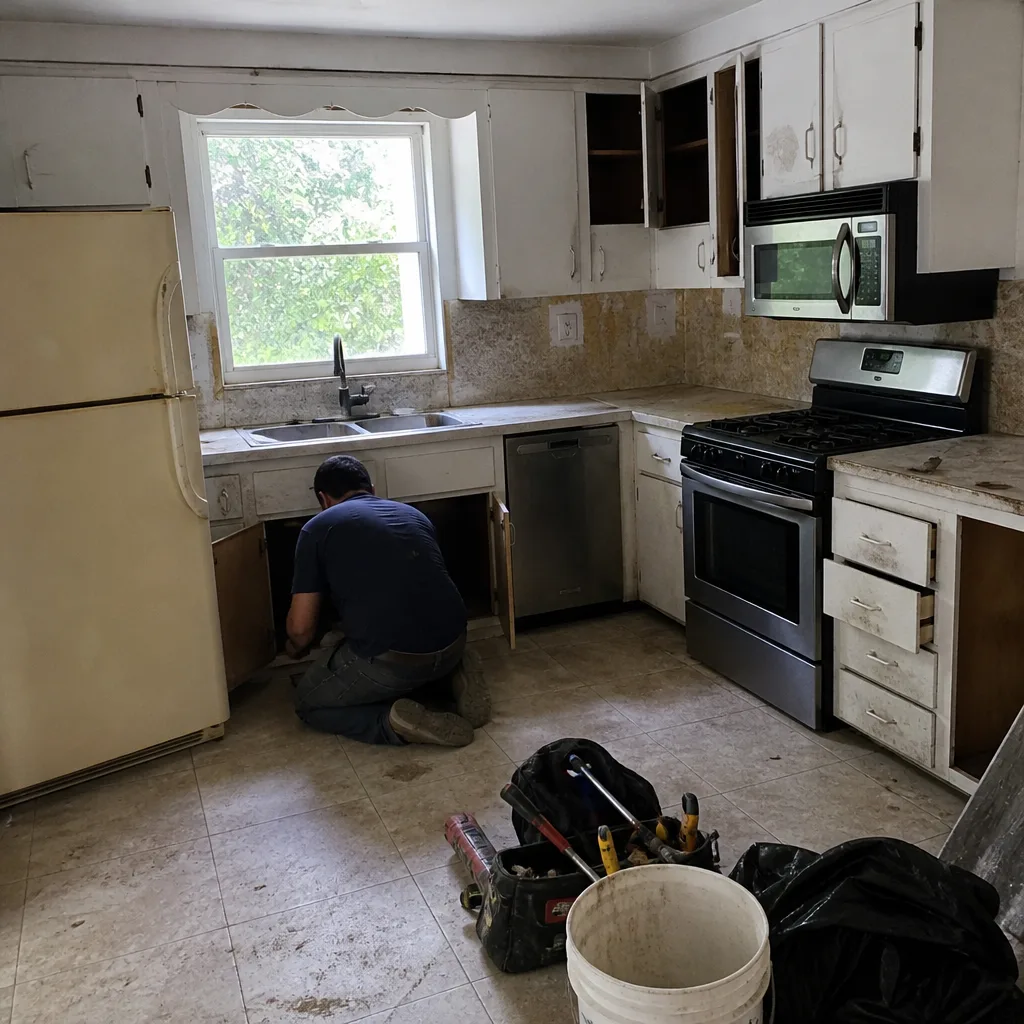 Before
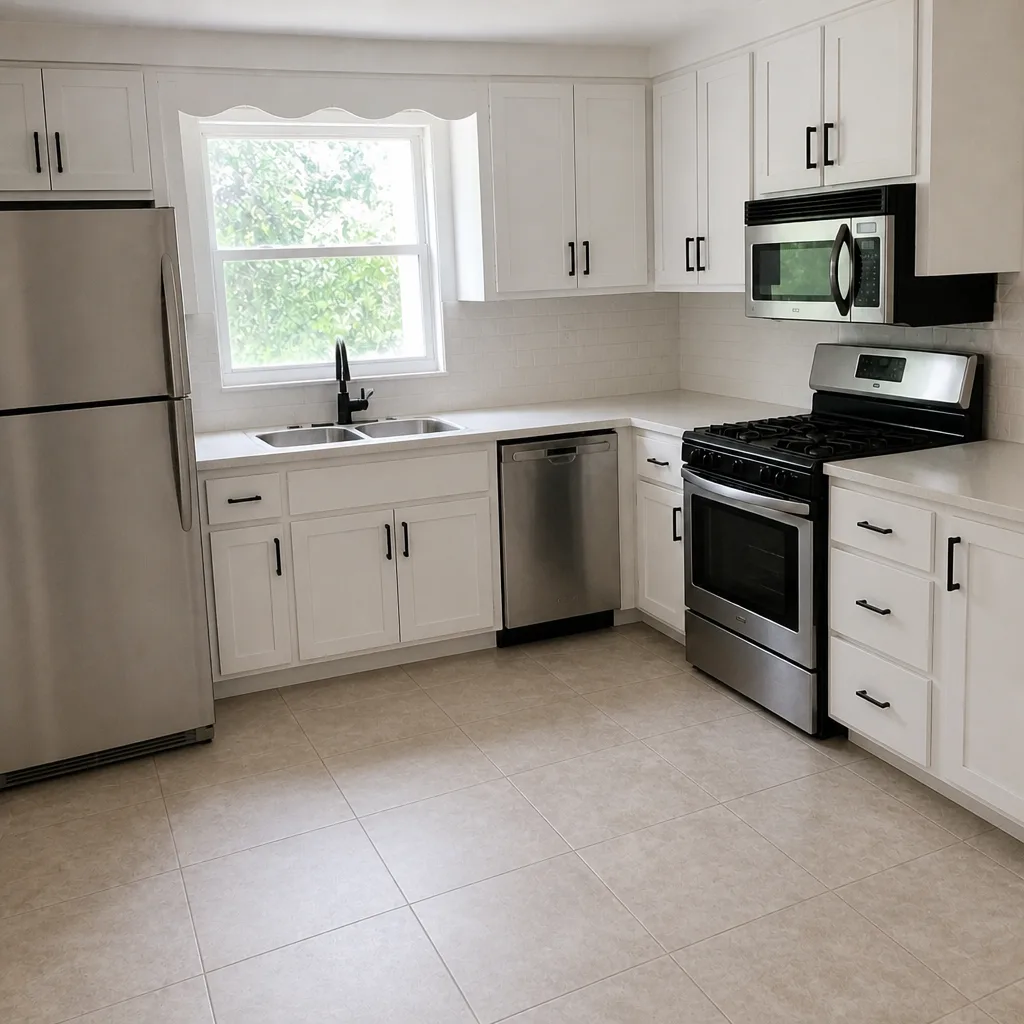 After
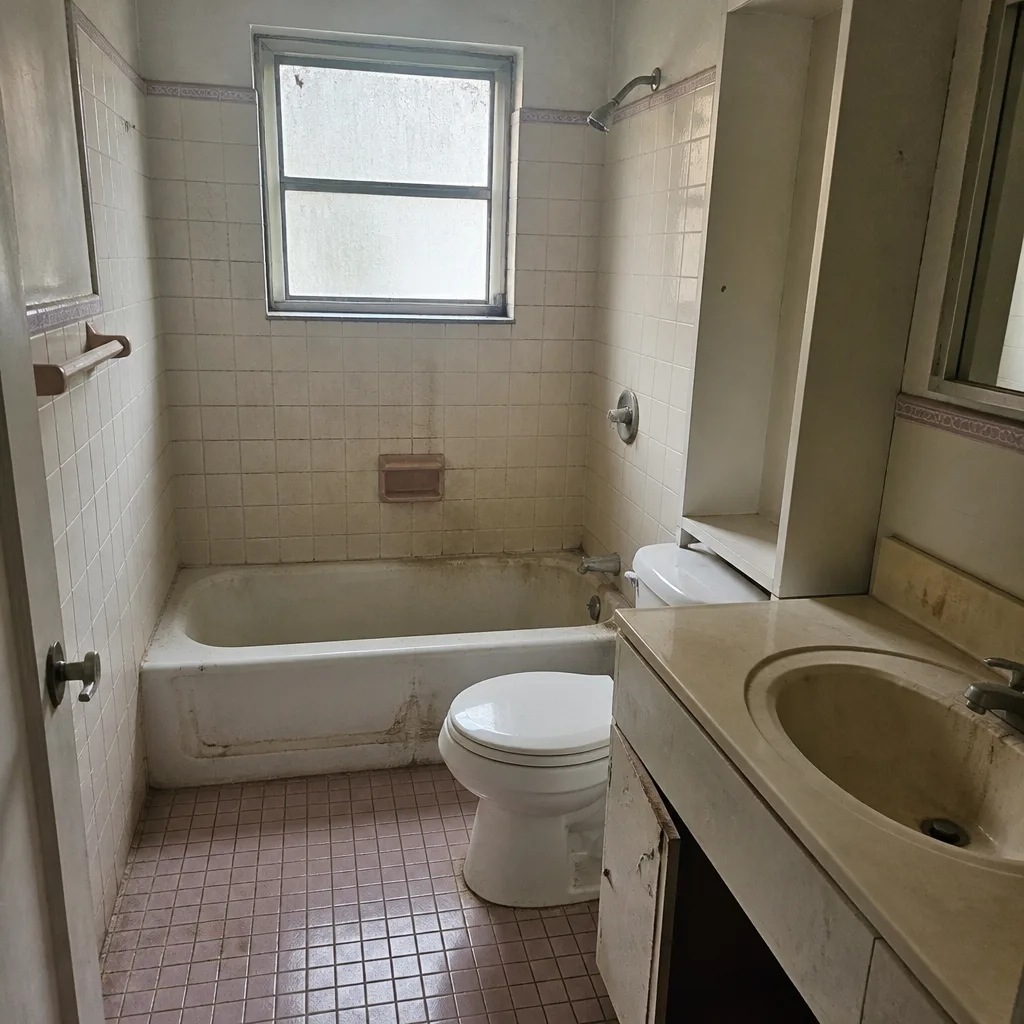 Before
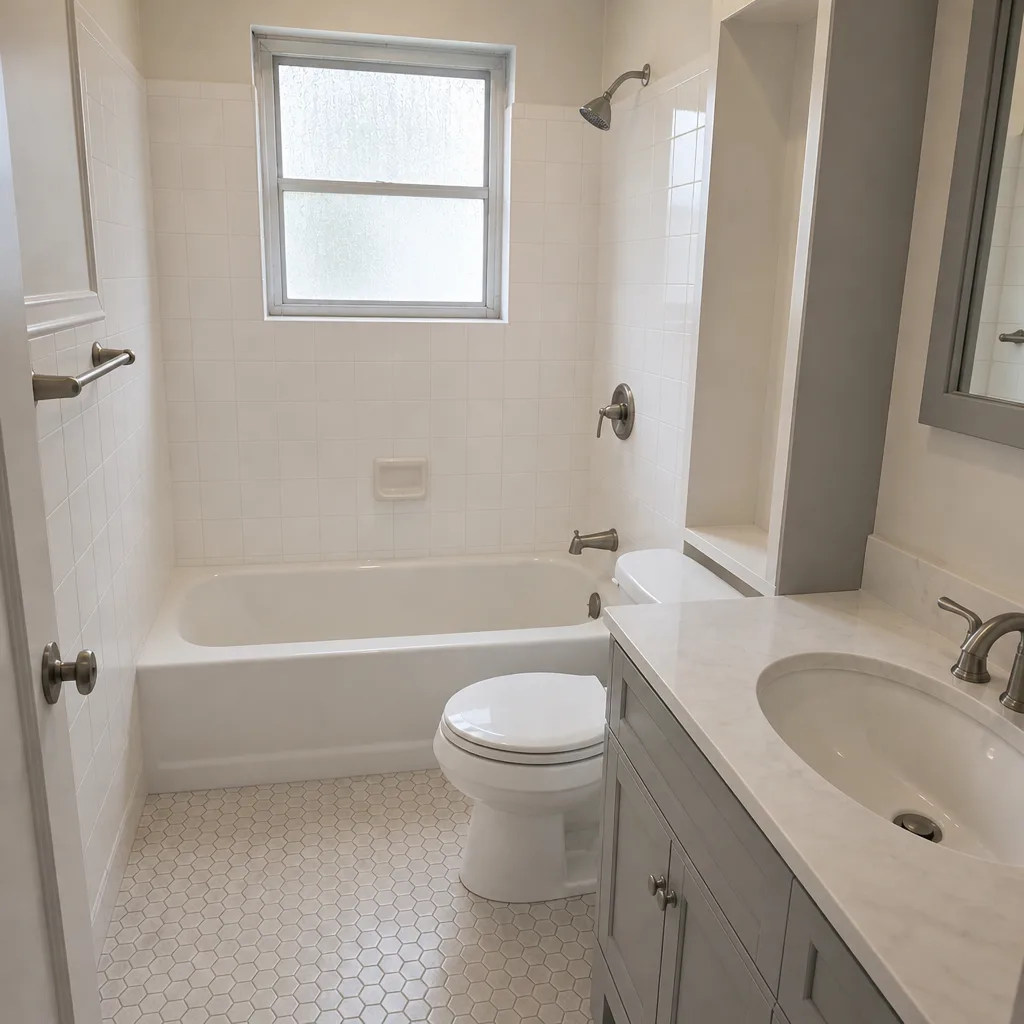 After
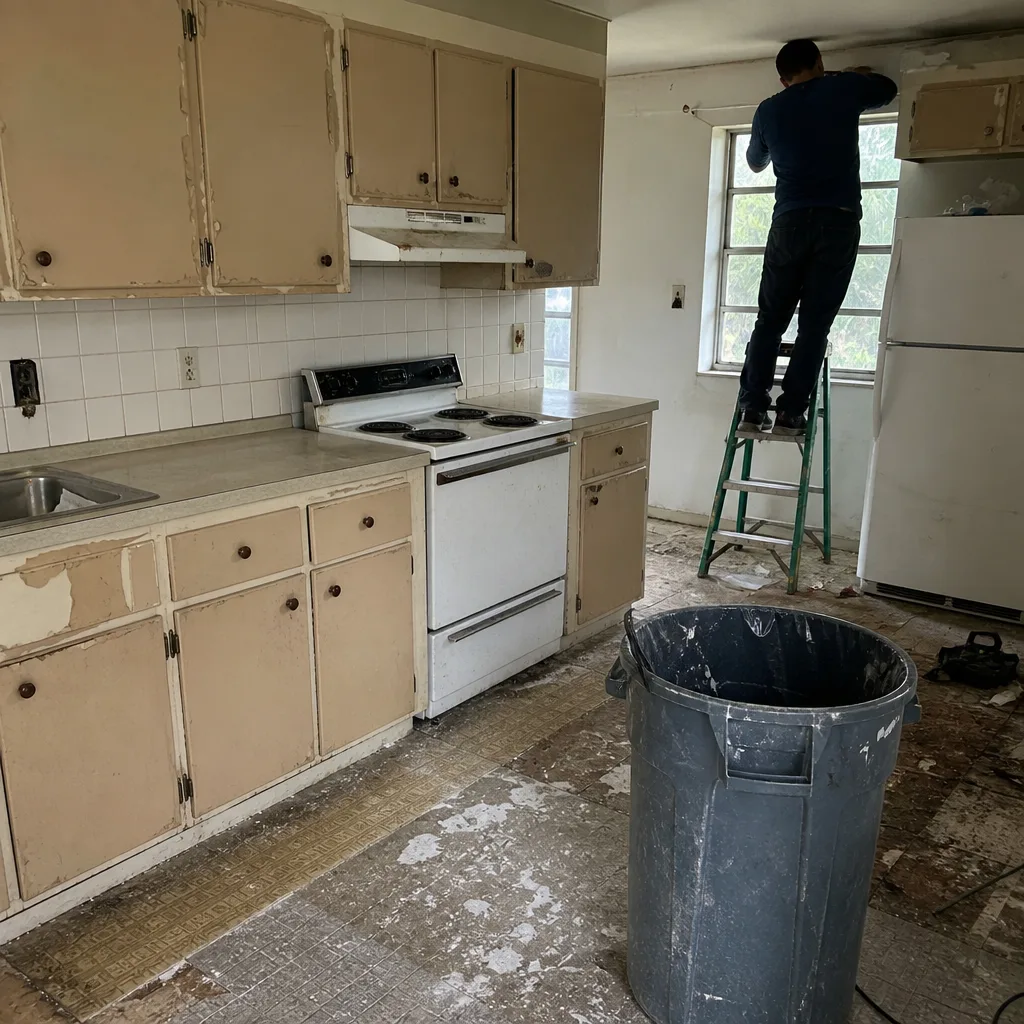 Before
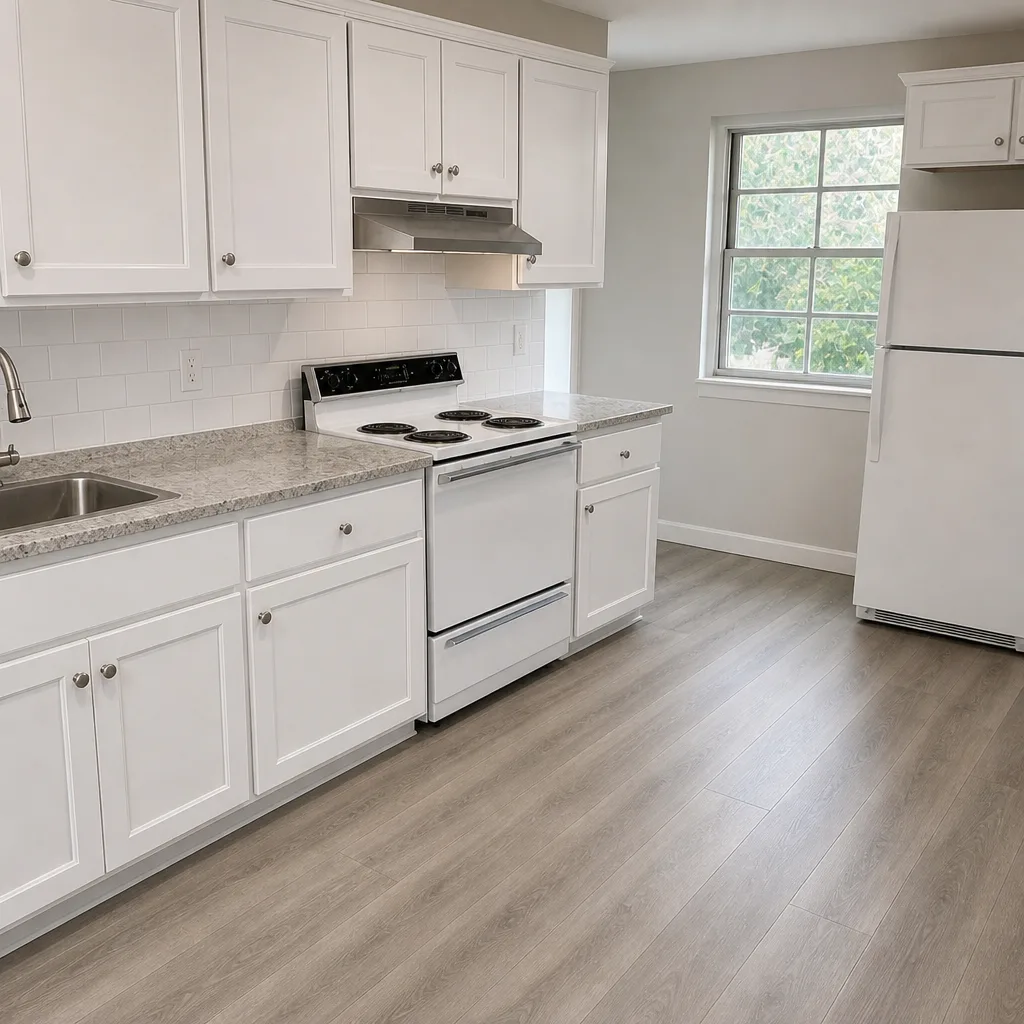 After
When to Call a Professional
If you’re staring at a bid you don’t quite trust and can’t name what’s wrong with it, that’s the right moment to get a second quote with a written scope and line-item prices. Do the same when a change order feels larger than the work it describes, when a suspiciously low deposit request arrives unexpectedly, or when a project has stalled and you need an honest read on how to finish it. An experienced contractor can spot the red flags in someone else’s paperwork in minutes. Our technicians have up to 22 years of experience spotting those flags on both sides of the contract. If you’re planning a bathroom remodeling in Coral Gables or putting together a general contractor in Coral Gables bid comparison, a second written quote is free and usually changes the entire conversation. Bradford Remodeling Co Coral Gables offers free estimates in Coral Gables – call (833) 510-5367.
Frequently Asked Questions
A ballpark price with no line-item scope of work is the biggest warning sign, because it removes every lever you’d use to hold a contractor to the number. When the price isn’t broken into product, labor, and exclusions, every change becomes a renegotiation. Ask for the scope in writing before you sign, and if it doesn’t come, walk. Call (833) 510-5367 if you want to see what a properly built scope looks like.
Visit myfloridalicense.com and use the DBPR “Verify a Licensee” search with the contractor’s state license number. Confirm four things: status is Current/Active, license type matches the work, the qualifying individual matches who you’re hiring, and there are no public disciplinary actions. Ask for the number in writing, not over the phone. Call (833) 510-5367 if you’d like us to walk you through verifying a bid you’re holding.
A residential remodel deposit typically runs 10-15% of the total, paid for materials and mobilization, with the balance drawn against completed milestones and a final payment held through punch-list sign-off. Deposits above 20% up front are a front-loading red flag. Get the payment schedule in writing before you sign – free estimates at (833) 510-5367.
Yes, and it’s not optional in Florida because Chapter 713 lien law allows unpaid subcontractors and suppliers to place a mechanics lien on your property even if you paid the general contractor in full. Require conditional waivers with each draw and a final unconditional waiver at close. Anyone who shrugs off lien waivers hasn’t run jobs by the book. Call (833) 510-5367 for a written-quote walk-through.
On a typical Coral Gables kitchen remodel, change orders that migrate work out of the initial scope add $8,000-$15,000 over the life of the job. Each migrated decision – moving an outlet mid-drywall, adding a tile selection after a first one was ordered, reworking a wall after demo – costs an average of $400-$1,800 more than planning it upfront. Call (833) 510-5367 to bake the decisions into the written scope before demo.
A written guarantee names a term in months, a scope of what’s covered, and a remedy – usually a free return visit and correction. Our 365-Day Done Right Promise covers every completed project for a full year in writing; if the work fails in that window, we come back and correct it at no charge. Ask every contractor to show the guarantee in writing before you sign. Estimates are free at (833) 510-5367.
The Bottom Line
Most remodeling disasters are visible before the contract is signed. A written scope of work, a verified state license, a fair payment schedule, a lien waiver with each draw, and a written guarantee covering a stated term are the five levers you have as a homeowner – use them at the estimate, and you’ll almost never need them mid-build. The contractors who flinch at these requests aren’t being modest. They’re showing you their process. If you’re planning a remodel in Coral Gables and want to see what a written price, a documented scope, and a signed 365-Day Done Right Promise look like on paper, Bradford Remodeling Co Coral Gables is one call away.
Ready to Price Your Coral Gables Remodel?

Call Bradford Remodeling Co Coral Gables at (833) 510-5367 for a free estimate. We answer the phone with a live person around the clock, put every price in writing before work starts, and back each completed project with the 365-Day Done Right Promise – if the work fails inside a year, we come back and fix it at no charge. No surprise invoices, no moving numbers at the door. Start with a call, get a written scope, and hold us to it. For a full look at how we work across the city, see Kitchen Remodeling in Coral Gables and Bathroom Remodeling in Coral Gables.
Written by the team at Bradford Remodeling Co Coral Gables.