Last updated November 17, 2026







Free written scope consultation - allowances, timeline, and change-order rules on paper before a single trade is scheduled
Kitchen Remodeling Warning Signs Every Homeowner Should Know
The contractor who showed up on time and handed you the lowest bid is statistically the most likely source of an abandoned kitchen job. That combination feels backward, because we’ve been trained to reward punctuality and price. But in remodeling, a low bid paired with perfect punctuality often means the number is incomplete on purpose, or the contractor is buying your job to keep a crew busy this month. The red flags that actually predict a bad kitchen remodel never show up in the showroom or on a polished website. They show up in how a contractor handles the quote, the contract, and the first week on site. This guide teaches you to read those signals before money changes hands, written from our vantage point as a Coral Gables remodeling business that has walked into plenty of half-finished kitchens.
Quick Answer

The three strongest warning signs of a bad kitchen remodeling contractor are: a lump-sum quote that doesn’t itemize materials and labor, a payment schedule that asks for a large deposit before any work begins, and a refusal to put the 365-Day Done Right Promise – or any written warranty – in the contract.
If a contractor can’t produce a written, line-item price and a milestone-based payment schedule before you sign, treat that as a disqualifying signal regardless of how good the bid looks. A written price before work starts is not a courtesy. It’s the entire basis of trust in this trade.
Styles & brands we work with
- Kitchen remodeling
- Bathroom remodeling
- Home additions & ADU
- Roofing
- Windows & doors
- Driveway & pavers
- Fence
Table of Contents
- Warning Sign #1: The Quote That Hides Its Numbers
- Warning Sign #2: The Contract Clauses That Matter
- Warning Sign #3: What the First Week on Site Tells You
- How to Verify a Contractor Through Florida DBPR
- What “We’ll Figure It Out As We Go” Really Costs in Coral Gables
- Reading Change-Order Patterns Before They Bite
- Common Mistakes to Avoid
- When to Call a Professional
Warning Sign #1: The Quote That Hides Its Numbers
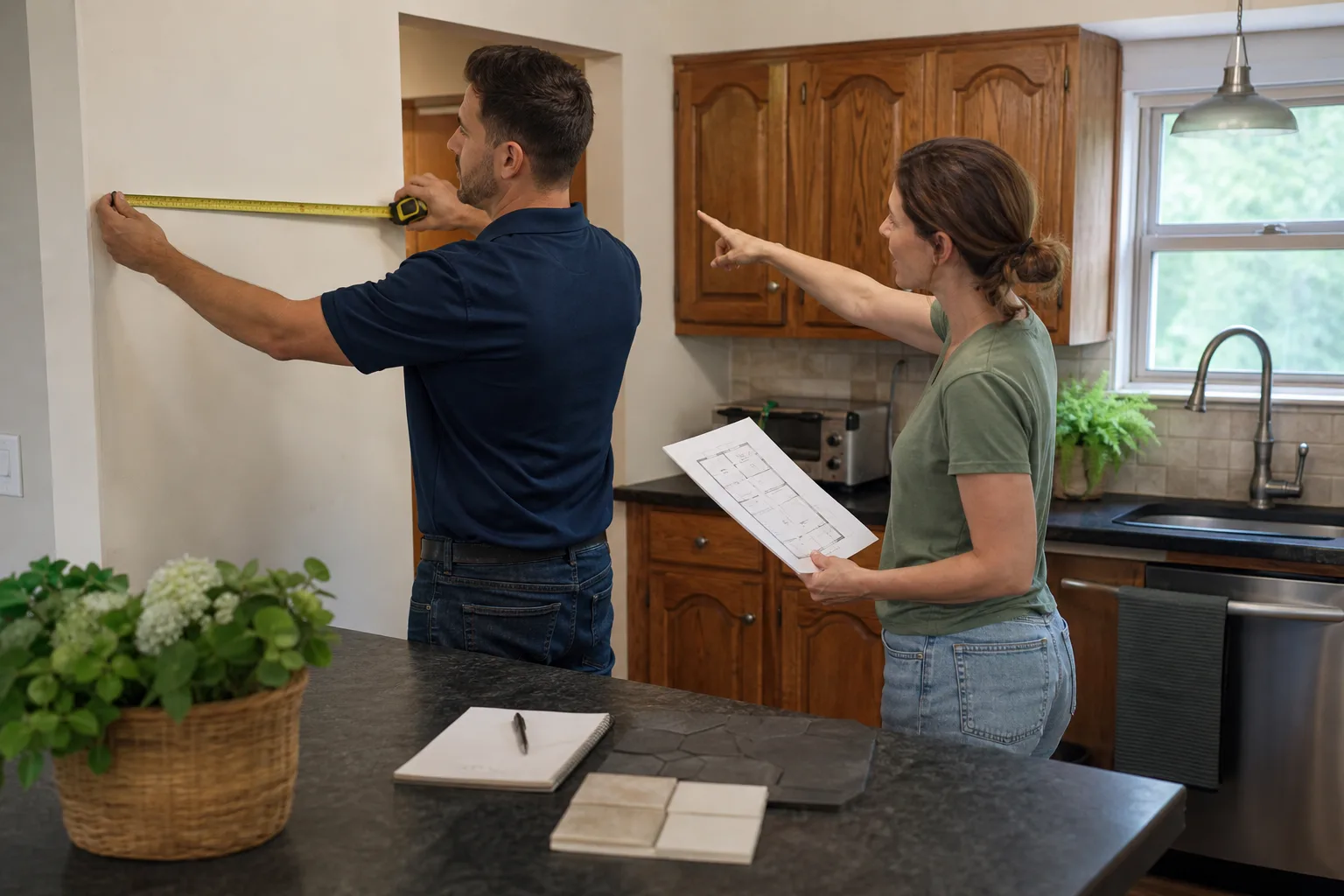
A legitimate kitchen quote is a document you can audit. It lists cabinet brands and door styles, countertop material and thickness, fixture models, labor by phase, permit fees, and a contingency line stated in dollars. A lump-sum quote does the opposite: one number, maybe three vague categories, no brand names, no model numbers. That single figure is designed to hide the future change order.
Here’s a rough way to think about it. A standard Coral Gables kitchen remodel in the mid-size range – roughly 100 to 200 square feet, semi-custom cabinets, mid-tier quartz – will land in a broad range that depends heavily on cabinetry and surfaces. What you cannot accept is a quote that doesn’t tell you which brands and which surfaces the number includes. When a contractor installs KraftMaid or Wellborn cabinetry, Cambria or Caesarstone surfaces, Kohler or Moen fixtures, those names come with manufacturer specs and warranties. Traceable specifications are the difference between a quote and a guess.
Ask yourself three questions about any quote you receive:
- Can I name the brand and model of every major component in this kitchen?
- Is labor broken out by phase, or rolled into one number I can’t separate?
- Is the permit fee listed, or will it appear later as a surprise?
If you can’t answer yes to all three, the quote is incomplete. An incomplete quote is not a bargain. It’s a placeholder that gets filled in after the cabinets are ordered and you have no leverage left. If you want to see what an itemized scope looks like on a real kitchen page, this is a fair benchmark: Kitchen Remodeling in Coral Gables.
Warning Sign #2: The Contract Clauses That Matter
Most homeowners read the price and skip the rest. The rest is where problem contractors hide. Three clauses separate professionals from problem operators: the payment schedule, the change-order process, and the written guarantee.
Payment tied to milestones, not dates. A professional schedule reads something like: deposit at signing, second payment when demolition and rough-in are complete, third when cabinets are set, final payment at walkthrough. A problem schedule reads: 50% at signing, balance at mid-point, final before punch list. Dates create pressure to pay whether or not work happened. Milestones tie money to completed, inspected work.
The change-order clause needs a written process. Every change gets a written description, a fixed price, and your signature before the work moves. No verbal agreements, no “we’ll settle up at the end.” That last phrase is the single most expensive sentence in remodeling.
The written guarantee must be in the contract, not promised verbally. Take a hard look at the 365-Day Done Right Promise: if the work fails within the guarantee period, the contractor returns and corrects it at no charge. That is a full-year, written commitment, and it should be spelled out in the document you sign.
- Deposit requested: more than about 30% at signing is a flag
- Payment triggered by dates rather than completed milestones: a flag
- No written, fixed-price change-order process: a flag
- No written warranty with a stated term: a disqualifier
If you’re comparing contractors across the broader picture, our General Contractor in Coral Gables page lays out how a squared-away scope gets built from the first walkthrough.
Warning Sign #3: What the First Week on Site Tells You
The first week is a live reading of how a company operates. Watch the site, not the sales pitch. Four things should be true by day five.
- The permit is posted and visible. In Coral Gables, kitchen work that touches plumbing, electrical, or structural elements requires permits and inspections. No posted permit means no inspection, which means you own the liability.
- Every sub on site is known to the contractor by name. If a crew arrives that the lead can’t identify, you’re watching unvetted labor walk through your home.
- Work is sequenced to inspection points. Rough-in should stop for inspection before drywall closes it up. A contractor who skips inspection to save a week is trading your safety for their schedule.
- The site gets cleaned at day’s end. A crew that leaves debris and cutoffs everywhere is telling you what the punch list will look like.
Background-checked, uniformed technicians matter here. You should know exactly who is walking through your door before the crew arrives. In our experience, the Coral Gables homes we work in – from the older blocks near the Granada golf course to the tight lots off Miracle Mile – leave no room for a contractor working loose. Small rooms, expensive finishes, and neighbors close by punish sloppy sequencing fast. The same discipline applies on our Bathroom Remodeling in Coral Gables work, where a missed rough-in inspection is even harder to unwind.
How to Verify a Contractor Through Florida DBPR Before Signing
Verifying a contractor takes about ten minutes and eliminates half the risk in this guide. The Florida Department of Business and Professional Regulation (DBPR) maintains a public license database. Here’s the process, step by step.
- Get the contractor’s license type and license number in writing before you sign anything.
- Go to the DBPR license lookup on the state’s website and search by license number or business name.
- Confirm the license status is “Current, Active” – not “Delinquent,” “Suspended,” or “Null and Void.”
- Confirm the license type matches the work. Residential and general contracting licenses are not interchangeable.
- Ask for a current certificate of insurance showing general liability and workers’ compensation, and call the insurer to confirm the policy is active and the named insured matches the contracting entity.
- Confirm the license number on the DBPR record matches the number on the contract you’re being asked to sign.
That last step catches a common problem: a valid license belonging to some other entity gets quoted to you while an unlicensed affiliate does the work. Insured and bonded is a claim that must be verified, not assumed. A contractor confident in their paperwork will hand you the license number and insurance certificate without hesitation. Reluctance to provide either is itself the answer. Every page here starts from Bradford Remodeling Co Coral Gables home, and the same standard applies from the first call.
What “We’ll Figure It Out As We Go” Really Costs in Coral Gables
“We’ll figure it out as we go” is the polite version of “we don’t have a scope.” In remodeling, scope gaps translate directly into change-order dollars, and the older the home, the more gaps there are. Coral Gables has a lot of homes built between the 1920s and 1960s with plaster walls, cast-iron drain lines, and wiring that predates modern code. Open a kitchen wall in a 1948 house off Ponce de Leon Boulevard and you can find plumbing that has to be rerouted before the cabinets go up.
That discovery is normal. What separates professionals is how it’s handled. A contractor working from a written scope has a contingency line and a fixed change-order process: written description, fixed price, signature. A contractor working from a lump sum handles the same discovery by adding a number to the final invoice with no documentation.
Three Coral Gables-specific realities drive most surprise change orders:
- Concrete-block construction with interior furring strips means moving a wall can mean structural work you didn’t budget.
- Hurricane-zone window and door codes can push a kitchen renovation into exterior openings if you’re already touching that elevation.
- Aging plumbing behind the walls is the single most common mid-project discovery in homes near the Coral Gables business district.
If you’re planning around window or door changes in the same project, ask which systems your contractor specifies – ES Windows and ECO Window Systems are common in South Florida for a reason – and get those numbers into the scope before you sign. The full-home picture on how we approach sequencing lives on our general contractor page, and it’s worth reading before your first estimate call.
Reading Change-Order Patterns Before They Bite
Change orders aren’t inherently bad. Real change orders happen when you change your mind or when something hidden gets found. What you’re looking for is the pattern over the first two weeks. A professional contractor’s change orders are rare, written, and signature-bound. A problem contractor’s change orders cluster at the moments you have the least leverage: after the cabinets are ordered, after demolition reveals “extra work,” after the countertop template.
Watch for these patterns in a quote or a pitch:
- The “allowance” shotgun. The quote lists low allowances for cabinets, counters, and fixtures, then the real selections blow the allowances apart. An allowance of a few thousand for cabinets is not a real number – cabinetry is the single largest line in most kitchens.
- The scope gap. Plumbing, electrical, permit fees, and debris haul-away simply aren’t in the quote. They show up later as “additional.”
- The soft date. Start dates move and payment terms don’t, so the contractor collects on their schedule regardless of when work actually starts.
- The verbal add-on. “Don’t worry about a change order, we’ll settle up at the end.” This is the largest cost driver we see in homes where a previous contractor walked.
Ask for a written change-order policy at the estimate, before you commit. Fixed pricing with no change orders beyond signed, written agreements is a normal standard. If a contractor bristles at it, that’s a signal you should take seriously.
Common Mistakes to Avoid
- Choosing the lowest bid. A low bid with no itemization is a number, not a price. It gets corrected somewhere, usually toward you.
- Paying a large deposit up front. A deposit larger than 30% at signing gives the contractor your leverage before the first cabinet leaves the warehouse. Tie payments to milestones, not dates.
- Skipping the DBPR lookup. Ten minutes on the state database would prevent most of the abandoned jobs we see in Coral Gables. Verify license and insurance before signing, every time.
- Not getting the warranty in writing. “We stand behind our work” means nothing without a stated term and a correction process. Ask what the 365-Day Done Right Promise covers and get it in the contract.
- Letting work start without a posted permit. In Coral Gables, unpermitted kitchen work can complicate resale and insurance. The permit gets posted or the work doesn’t start.
- Accepting verbal change orders. Every change goes in writing, with a fixed price and your signature. No exceptions, no “we’ll settle up at the end.”
- Ignoring the first week. If the crew is unidentified, the permit isn’t posted, or the site isn’t cleaned at day’s end, the rest of the job will follow the same pattern.
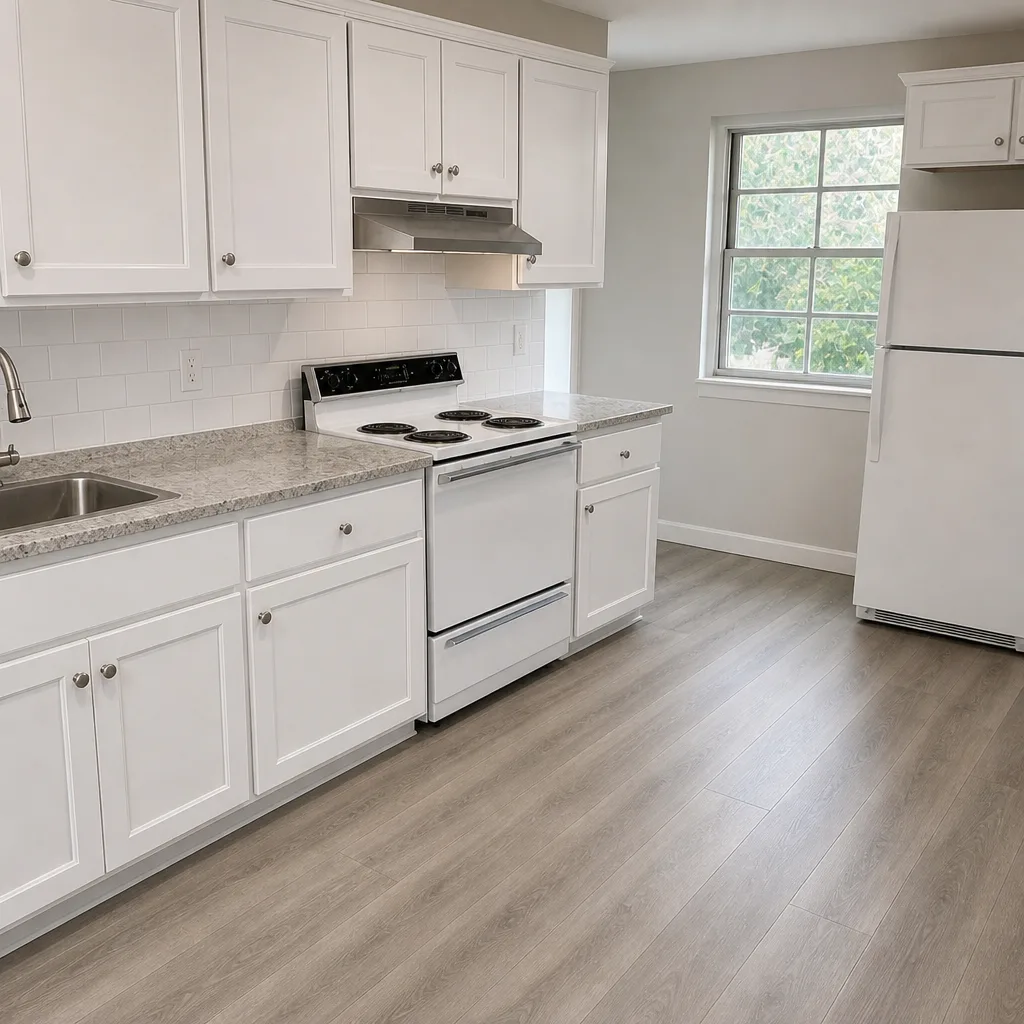
See the difference
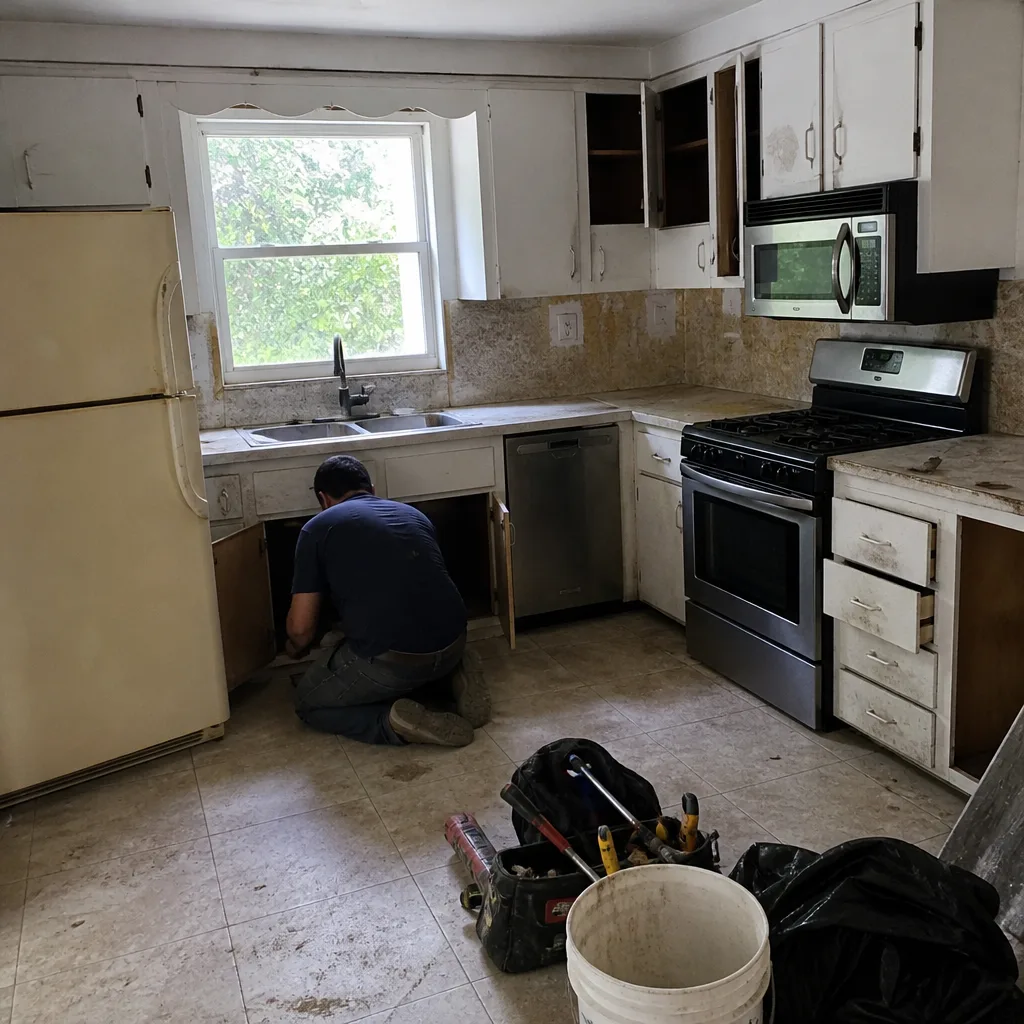 Before
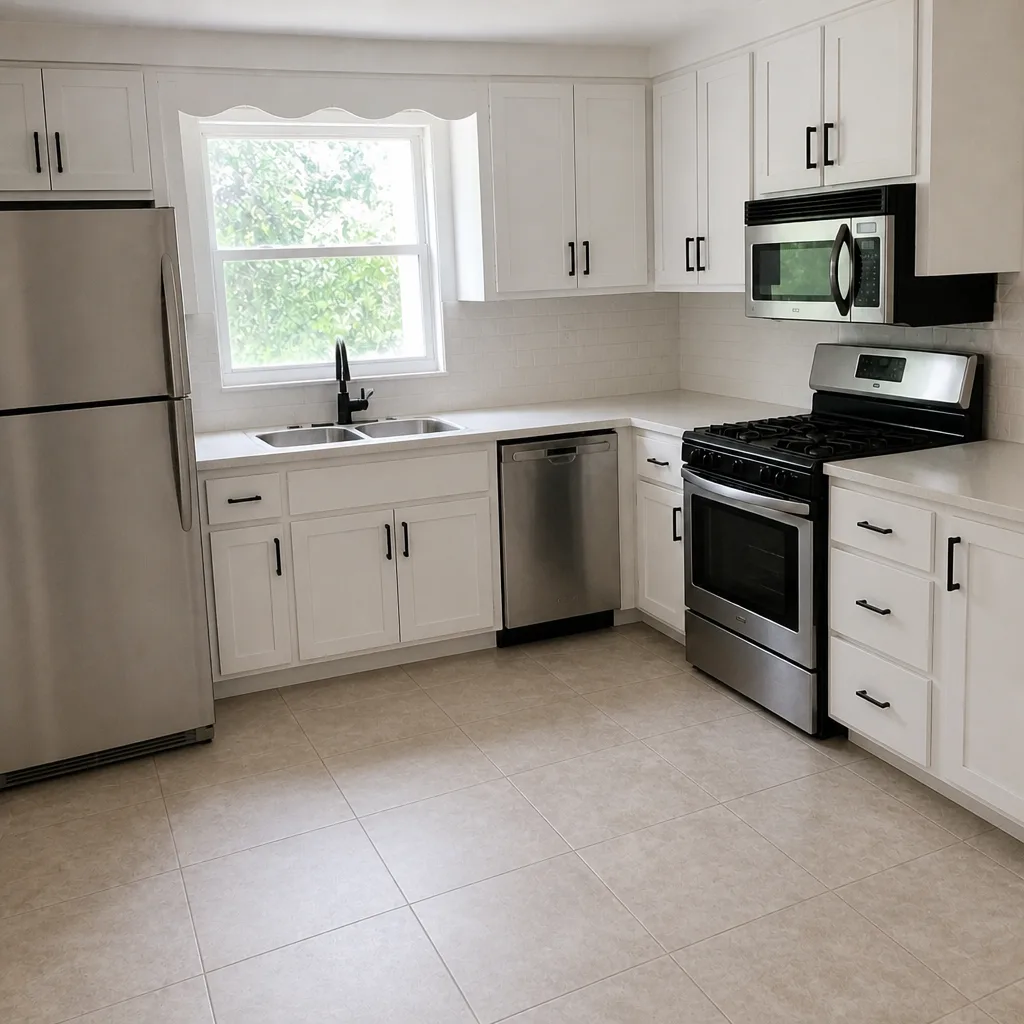 After
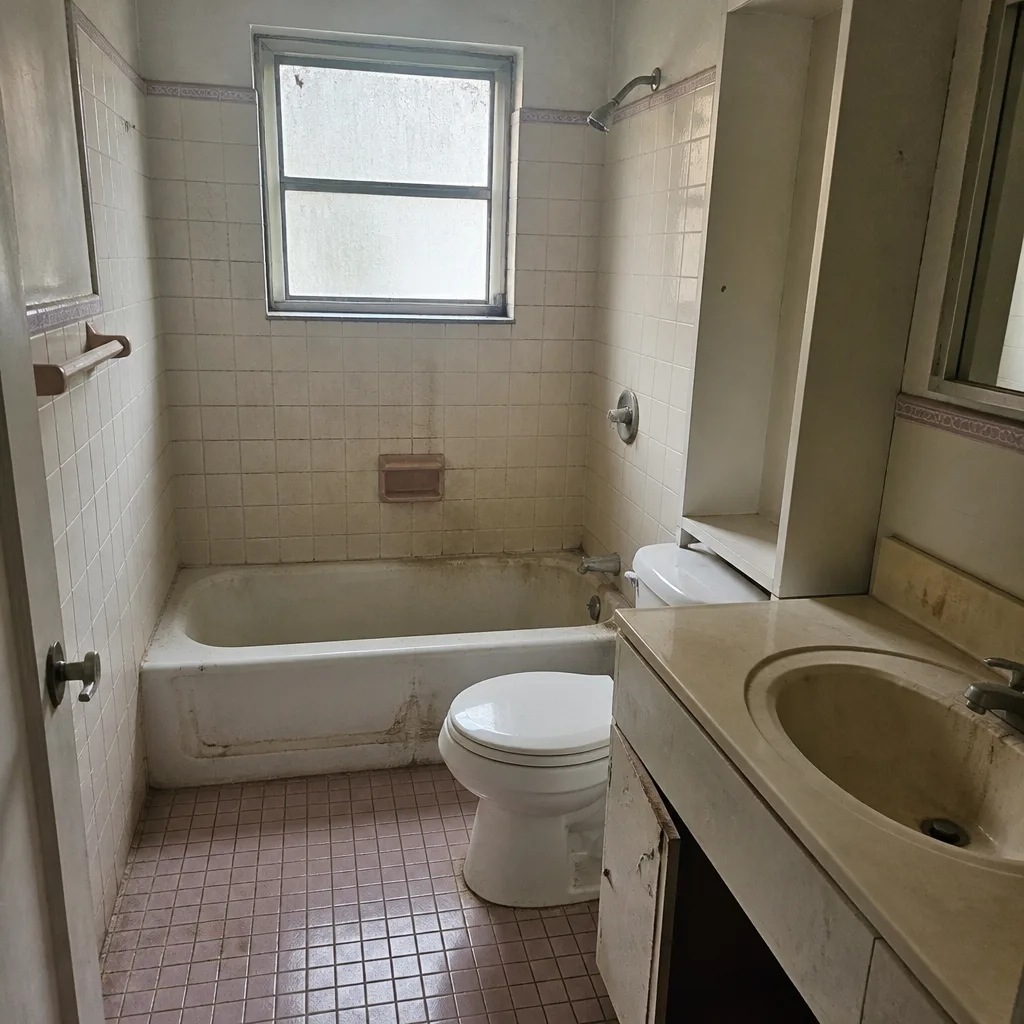 Before
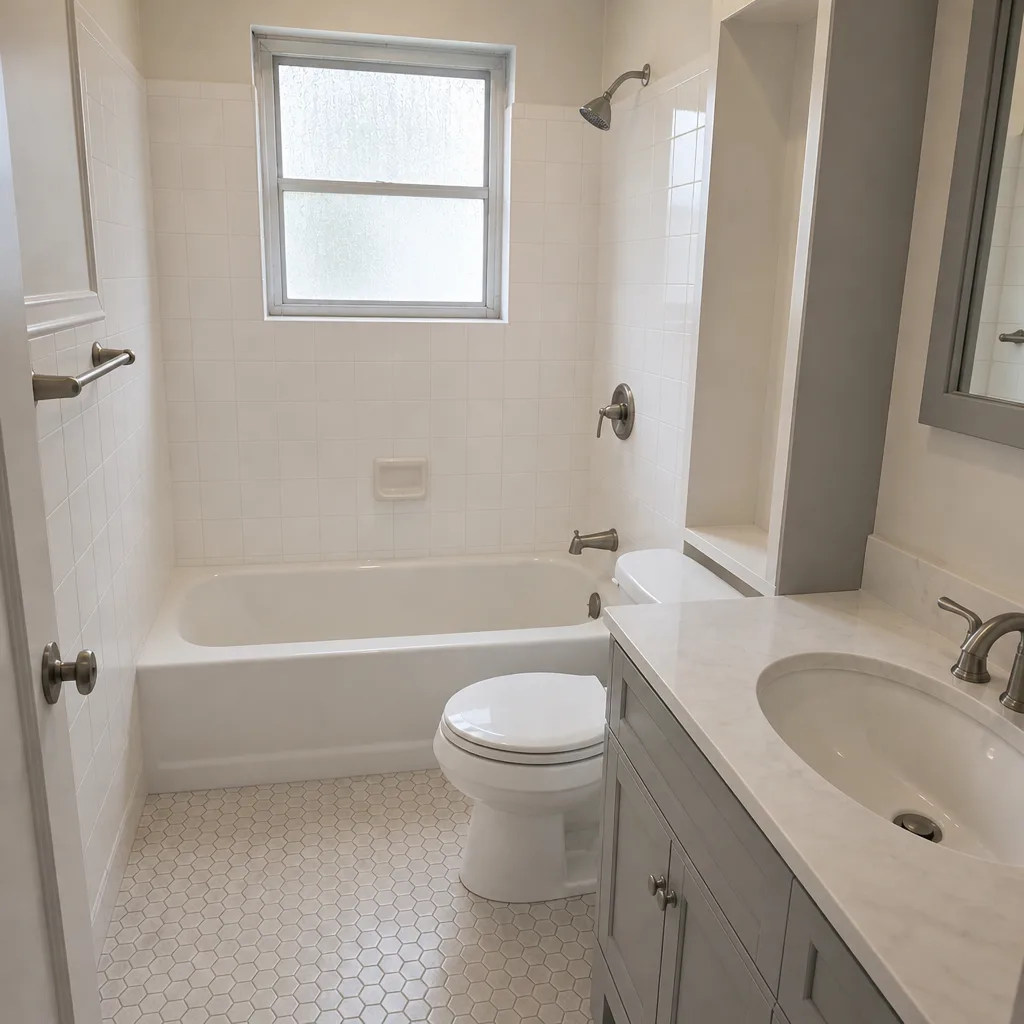 After
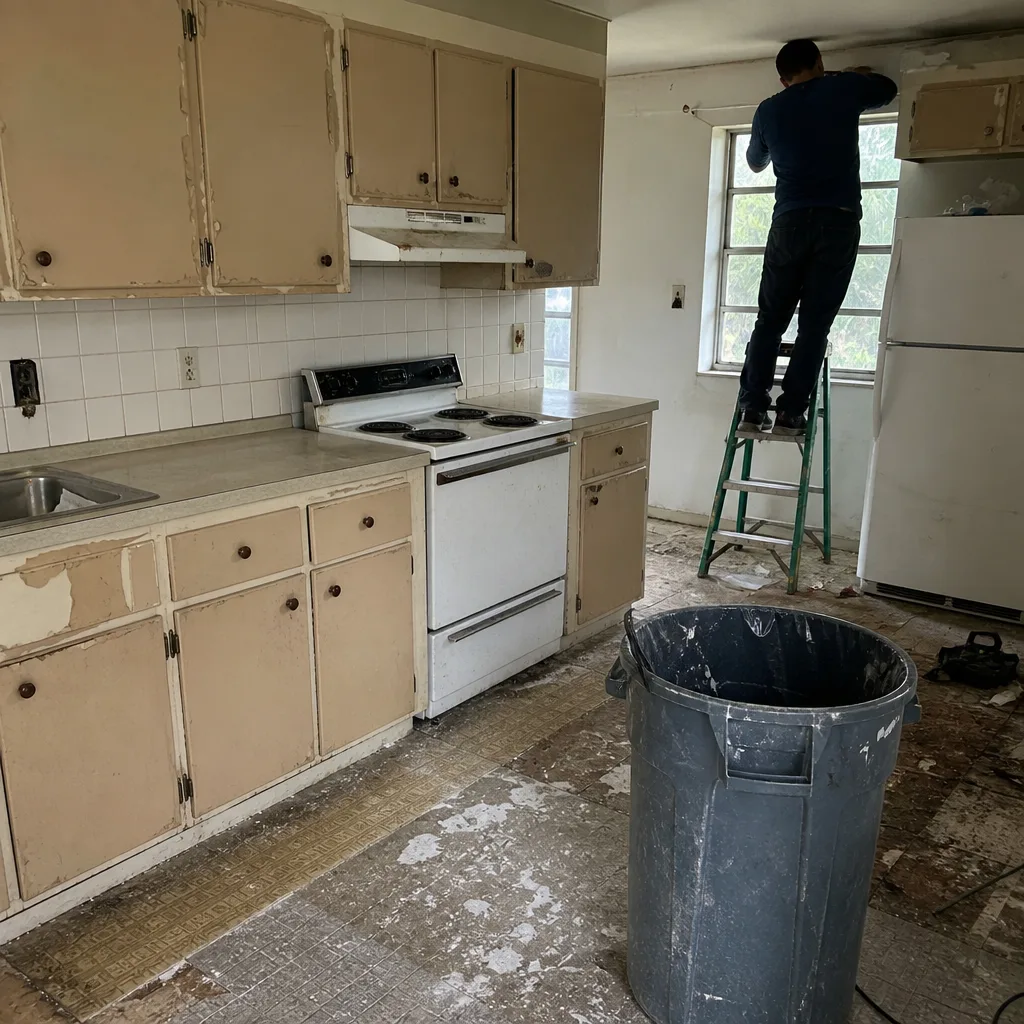 Before
 After
When to Call a Professional
Call a professional contractor when the project touches plumbing, electrical, structural walls, gas appliances, or permitted work of any kind. Kitchen remodeling in Coral Gables sits squarely in that category. Do not attempt to open a wall, reroute a supply line, or move a gas range hookup on your own. These are safety-critical systems, and the consequences of getting them wrong range from failed inspection to injury. Hire licensed, insured professionals and verify their credentials through DBPR before signing. If you’re unsure where your project stands after an aborted job or a quote you don’t trust, that’s exactly the conversation to have now. Bradford Remodeling Co Coral Gables offers free estimates in Coral Gables – call (833) 510-5367 and a live person answers, any hour. Every estimate comes with a written price before work starts.
Frequently Asked Questions

Kitchen remodels in Coral Gables typically span a wide range, and the biggest variables are cabinetry, countertops, and whether the project exposes hidden plumbing or electrical that needs correction. A written, line-item quote is the only way to get an accurate number for your specific kitchen. Call (833) 510-5367 for an exact quote – estimates are free.
Look up the contractor’s license number through the Florida DBPR public database and confirm the status reads “Current, Active.” Confirm the license type matches residential or general contracting work, and call the insurer directly to confirm the liability and workers’ compensation policies are active. Reluctance to share the license number and insurance certificate is a disqualifying signal.
A kitchen remodeling contract should include a written line-item price, a payment schedule tied to completed milestones, a written change-order process with fixed prices and your signature, the permit fee, the start and completion terms, and a written warranty with a stated term. The 365-Day Done Right Promise is a full-year written guarantee and belongs in that contract explicitly. If any of those pieces are missing, ask for them before you sign or walk away.
No posted permit, unidentified subcontractors on site, work that skips inspection before drywall goes up, and debris left at day’s end. Any one of those is worth a direct conversation with the lead. Two or more together are typically the pattern the rest of the job will follow. Call (833) 510-5367 if you want a second opinion on a job already underway in Coral Gables.
It shouldn’t. A written price before work starts is a fixed commitment. Real change orders happen when you change the scope or when hidden conditions get discovered, and both should be handled through a written, fixed-price change order you sign. If your contractor’s price “adjusts” without a signed change order, that’s a warning sign. Call (833) 510-5367 for a straight answer on your job.
Bradford Remodeling’s 365-Day Done Right Promise is a full-year written guarantee on every completed project. If the completed work fails within the guarantee period, Bradford returns and corrects the work at no charge. The scope of the guarantee is documented in writing before the work starts, so there’s no ambiguity later. Call (833) 510-5367 for a free estimate and a copy of the written guarantee.
The Bottom Line
The red flags that predict a bad kitchen remodel are visible before money changes hands, if you know where to look. A lump-sum quote hiding its numbers, a payment schedule weighted toward dates rather than milestones, a warranty that exists only in conversation, unidentified subs on site, and no posted permit – those are the signals. Squared-away contractors look different: written line-item pricing, milestone-based payment, DBPR-verified license and insurance, a written change-order process, and the 365-Day Done Right Promise in the contract. Read those signals before you sign. Bradford Remodeling Co Coral Gables offers free estimates for Coral Gables kitchens. Call (833) 510-5367 to schedule yours.
Written by the team at Bradford Remodeling Co Coral Gables.