Last updated November 17, 2026
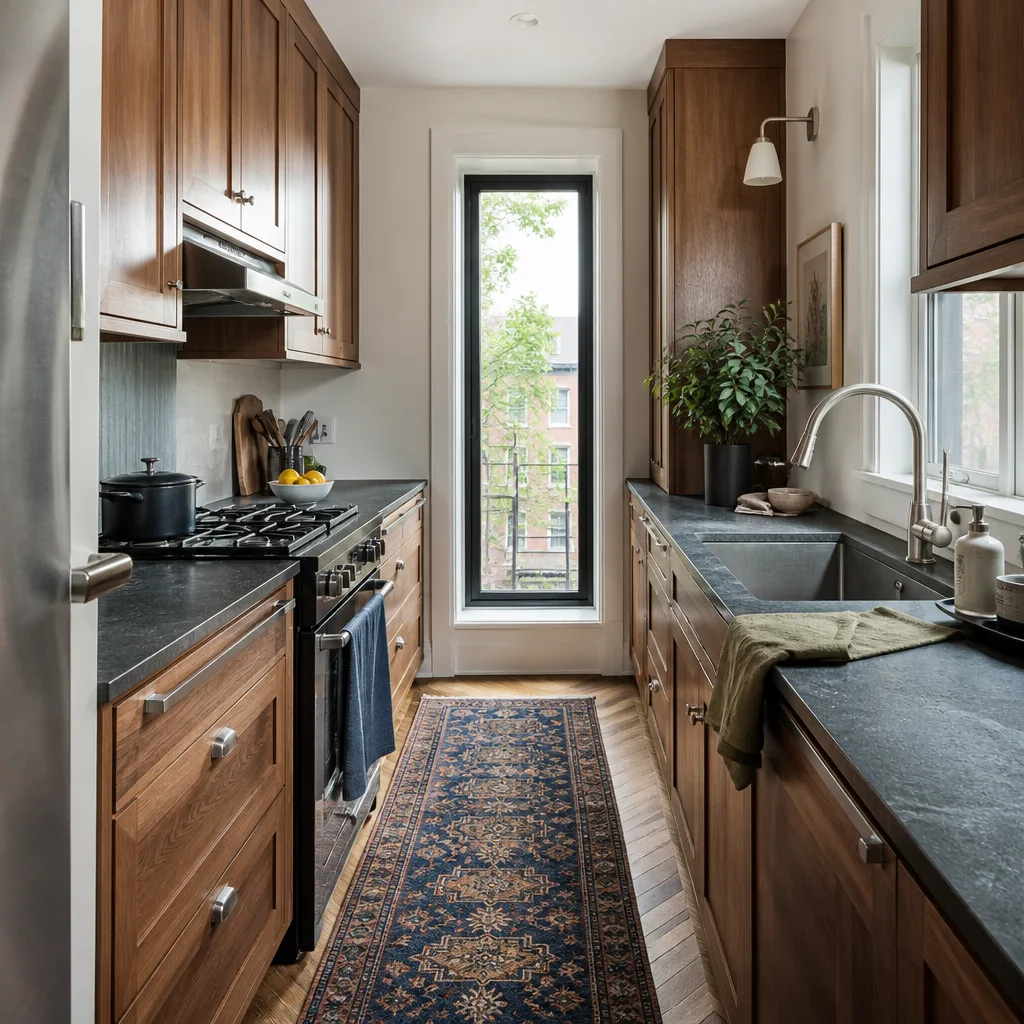

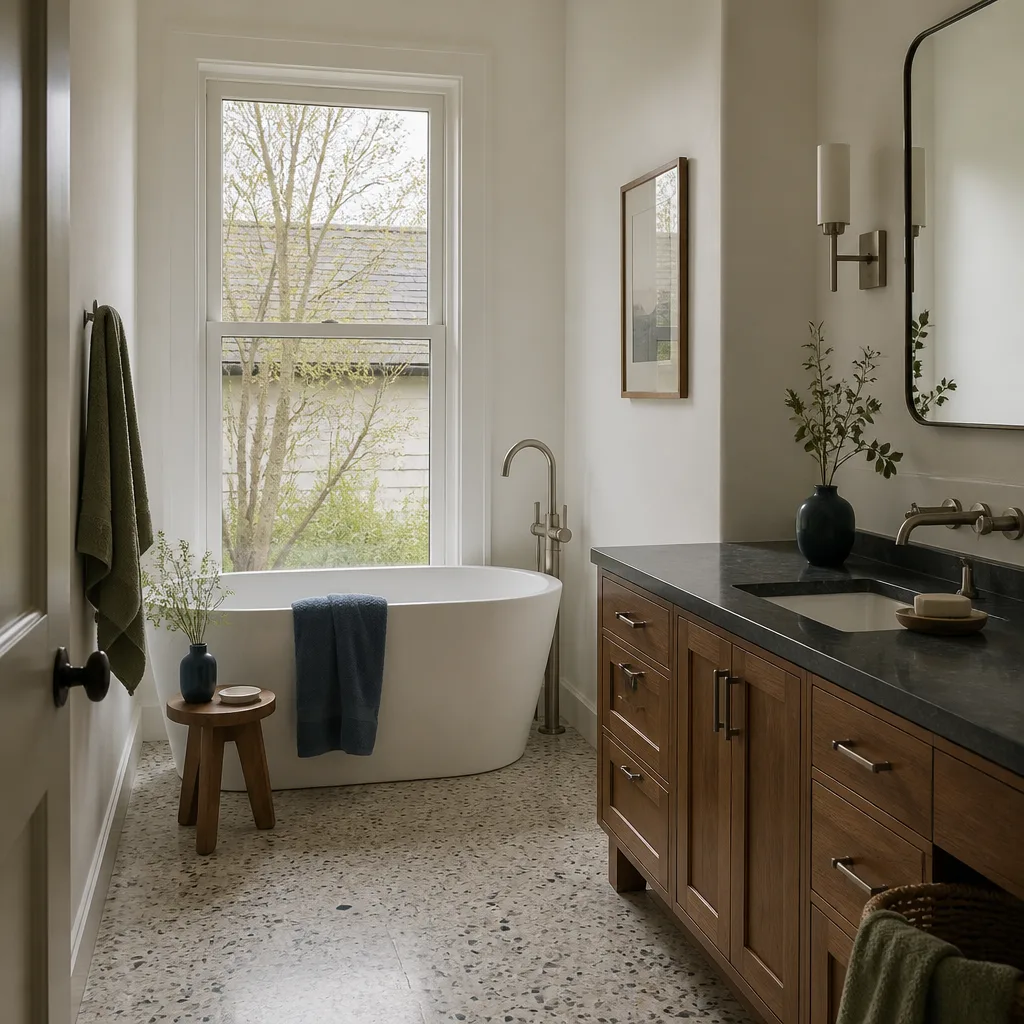
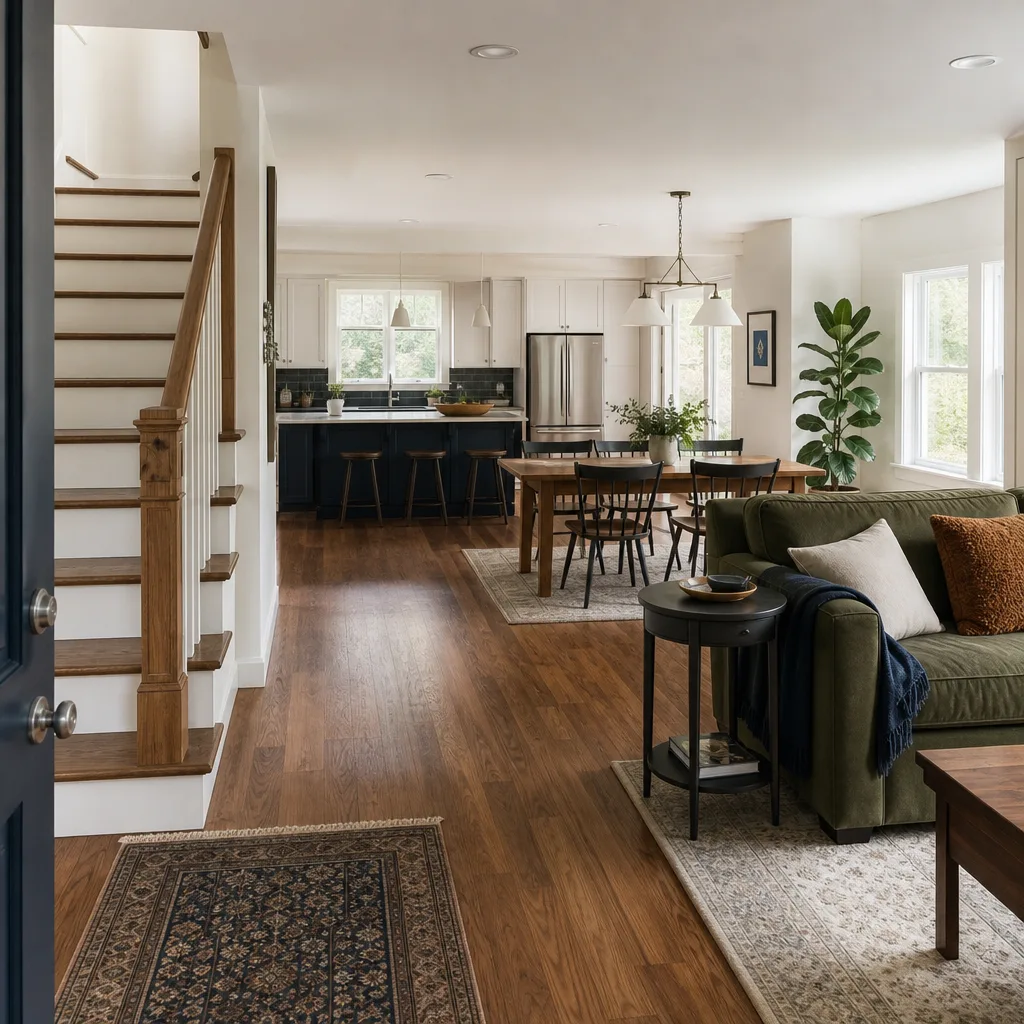
Free written scope consultation - allowances, timeline, and change-order rules on paper before a single trade is scheduled
DIY vs Professional Kitchen Remodeling: What’s Safe to Do Yourself
Installing a kitchen faucet is legal do-it-yourself work in Florida. Connecting the dishwasher drain to the disposal and running the dedicated electrical circuit for it is not. That one distinction decides whether your remodel passes final inspection and gets a certificate of occupancy, or stalls for weeks while you chase licensed trades back to the site. Most videos about kitchen DIY skip the permit map entirely, and that gap is where budgets die. This guide lays out which kitchen tasks a homeowner can legally and safely do in Coral Gables, which require a licensed trade, and how the safe finish work has to wait until the rough trades are inspected and closed. You’ll get a task-by-task breakdown, honest cost numbers, and the sequence that keeps you out of trouble.
Quick Answer
In Florida, homeowners can legally self-perform cosmetic and finish work: painting, cabinet hardware, open shelving, backsplash tile in many jurisdictions, and appliance swaps that use existing connections. Anything touching electrical circuits, plumbing lines, or gas requires a licensed contractor and a permit, and the work must be inspected before you close the wall. The DIY-safe list is shorter than YouTube suggests, and the safe tasks usually come after the licensed work is signed off.
Styles & brands we work with
- Kitchen remodeling
- Bathroom remodeling
- Home additions & ADU
- Roofing
- Windows & doors
- Driveway & pavers
- Fence
Table of Contents
- What Florida Law Actually Lets You Do in a Kitchen
- The Task Map: DIY, Licensed, or Gray Area
- Cabinet Installation: The Real Cost of DIY Gone Wrong
- How to Sequence Finish Work After Rough Trades Are Inspected
- What Happens to Your Insurance Claim If a DIY Connection Leaks
- Three Tasks That Look Simple but Carry Code Consequences
- When to Call a Professional
What Florida Law Actually Lets You Do in a Kitchen
Florida law separates kitchen work into two piles. The first pile is anything tied to a building system: electrical, plumbing, mechanical, and gas. Those trades are licensed at the state level and regulated through the Florida Building Code, which means a permit and an inspection for any work that alters them. The second pile is finish work and surface work, which a homeowner can usually handle without a permit or a license. That covers paint, cabinetry hardware, shelving, and in many cases backsplash tile.
The state does allow homeowners to pull “owner-builder” permits for some residential work on their own primary residence, but the permit carries a real catch: you take on the liability, the inspections, and the responsibility to hire licensed subs for the licensed portions. If the work is ever part of a sale or an insurance claim, the owner-builder trail becomes evidence. We’ve watched this get messy in Coral Gables, where a large share of homes near the Granada and Sunset corridors sit in historic districts that add design review on top of the standard building permit. A Coral Gables kitchen renovation shortcut that flies in Kendall can stall in a historic overlay because the exterior footprint or window change requires a board sign-off.
Here’s the part most guides skip: in a kitchen, almost every trade you interact with is a licensed trade. The electrical circuit for counter outlets, the plumbing rough-in for a relocated sink, and any gas line to a range all sit in pile one. The honest framing is that DIY is the small ring around a core of licensed work, not the other way around.
The Task Map: DIY, Licensed, or Gray Area
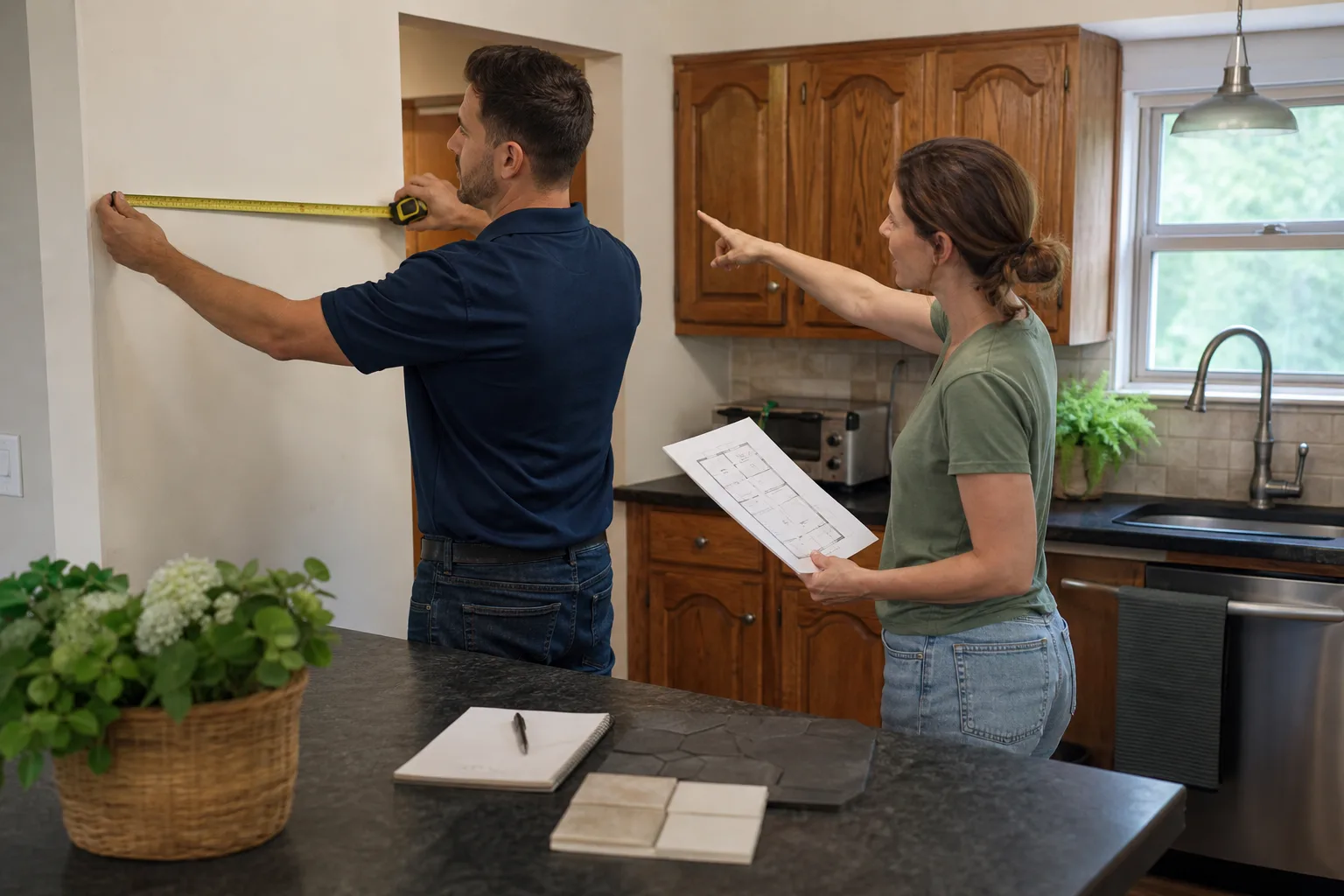
The cleanest way to plan a Coral Gables kitchen is to sort every line item before you buy a single cabinet. Here’s the map we use on our own projects, and it holds regardless of who does the work.
- Legal DIY in most cases: interior painting, cabinet knobs and pulls, open shelving on existing studs, cabinet liner and organization, appliance swaps on existing connections, backsplash tile (check local permit thresholds).
- Requires a licensed electrician and a permit: new or moved outlets, dedicated circuits for the microwave, dishwasher, or disposal, under-cabinet lighting circuits, GFCI protection, range hood wiring, panel changes.
- Requires a licensed plumber and a permit: moving a sink drain or supply, relocation of the dishwasher or ice maker line, gas line connections to a range, rerouting any supply or waste line inside the wall.
- Requires a licensed gas contractor: any connection or extension of a gas line, including the flexible connector at the range if the shutoff is being moved.
- Depends on the scope: replacing a faucet on existing, approved connections is generally allowed for a homeowner; running a new drain line to a relocated sink is not. Cabinet installation is unregulated but rarely DIY-friendly once boxes are out of square.
One more local detail matters. Coral Gables has its own building department and its own inspection cadence, separate from Miami-Dade County. That means a Coral Gables kitchen remodel can move faster on simple permits but slower on anything requiring a plan review or historic approval. If you’re planning a whole-home renovation along the same timeline, our guide to general contractor services in Coral Gables covers how the permitting sequence stacks against multiple scopes.
Cabinet Installation: The Real Cost of DIY Gone Wrong
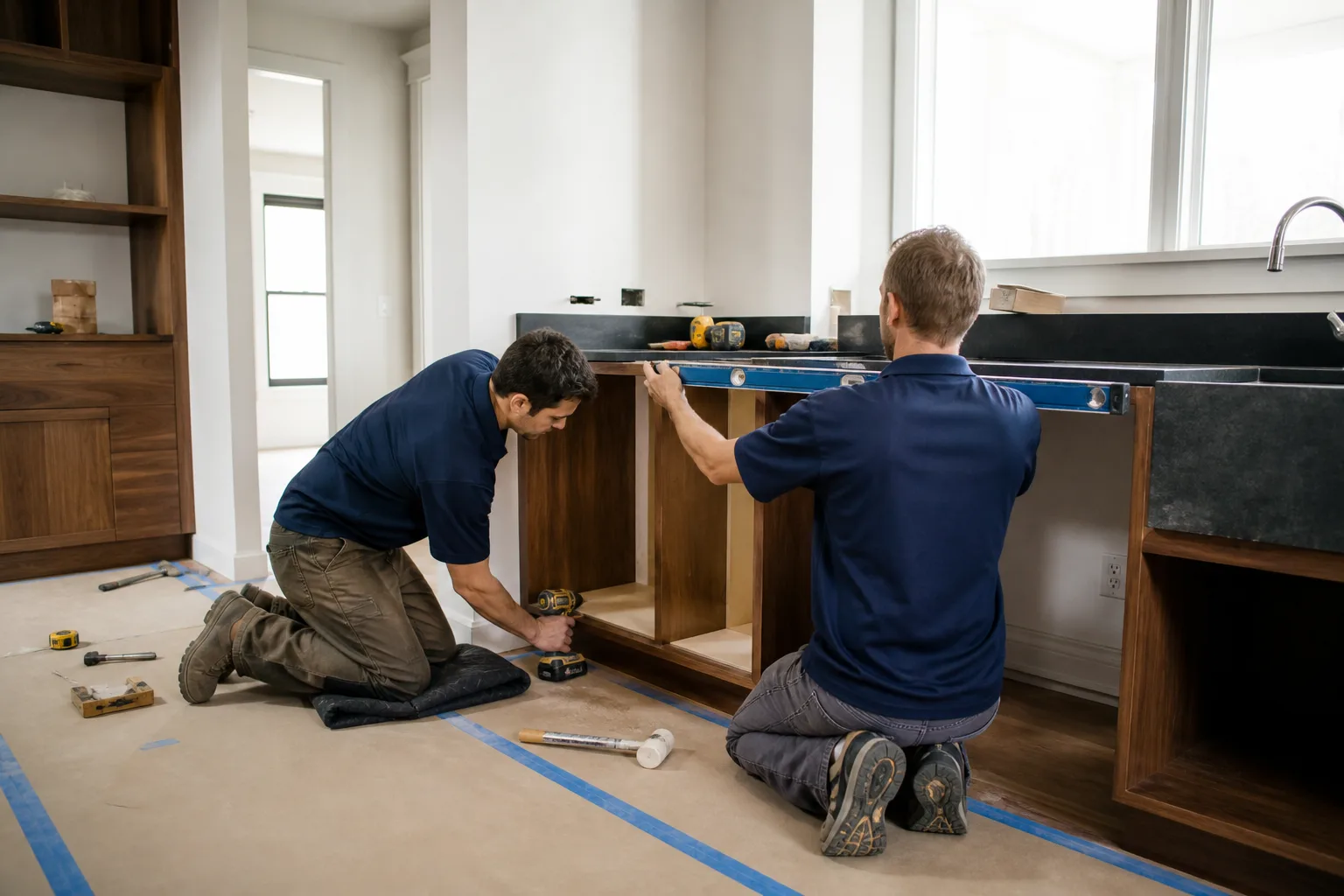
Cabinets are the largest single line item in most kitchens, which is why they’re also the most common DIY target. The problem isn’t that cabinet installation is regulated. It’s that cabinet boxes depend on a level wall, a square corner, and a straight run. A high percentage of older Coral Gables homes have walls that are out of plumb by as much as half an inch over eight feet, and floor transitions that were never level. Cabinets installed on an unlevel run will look acceptable on day one and start showing gaps, drawer misalignment, and door rubbing within a year.
Here’s what correction actually costs. A pro installation on a standard L-shaped kitchen with KraftMaid or Wellborn cabinets typically runs $2,000 to $4,500 in the Coral Gables area for labor, more if the walls need furring or leveling work. Fitting a correction after a DIY install gone wrong usually means removing the cabinets, repairing holes, re-plumbing and re-wiring anything you cut to make the boxes fit, and then paying for a professional install anyway. That math rarely lands in your favor. We’ve seen homeowners spend more on correction than they would have spent on the install.
A few specifics we look for that homeowners often miss:
- Stud alignment. Cabinet boxes have to hit studs at multiple points along the top and bottom. A stud finder on plaster walls returns false readings often enough that we use a physical probe.
- Plumb check. Uppers should sit plumb within 1/8 inch over their height. Anything beyond that and doors will fight the hinges.
- Run check. Bases should sit level end to end. A laser level across the run is the only reliable method.
- Wall condition. Plaster over lath behaves differently from drywall when you fasten cabinets. Your anchors and shims have to match the substrate, not the manufacturer’s suggestion.
When the cabinet plan is anchored by documented brands, the spec matters too. KraftMaid and Wellborn both publish installation guides and warranty terms that require a level, plumb install; warranty claims have been denied on installations that skipped the leveling step. If you’re pulling your kitchen apart, you can see the full scope of a managed project on our Coral Gables kitchen remodeling page, and any project touching a second bath should also account for tile and waterproofing sequence, which we cover under bathroom remodeling in Coral Gables.
How to Sequence Finish Work After Rough Trades Are Inspected
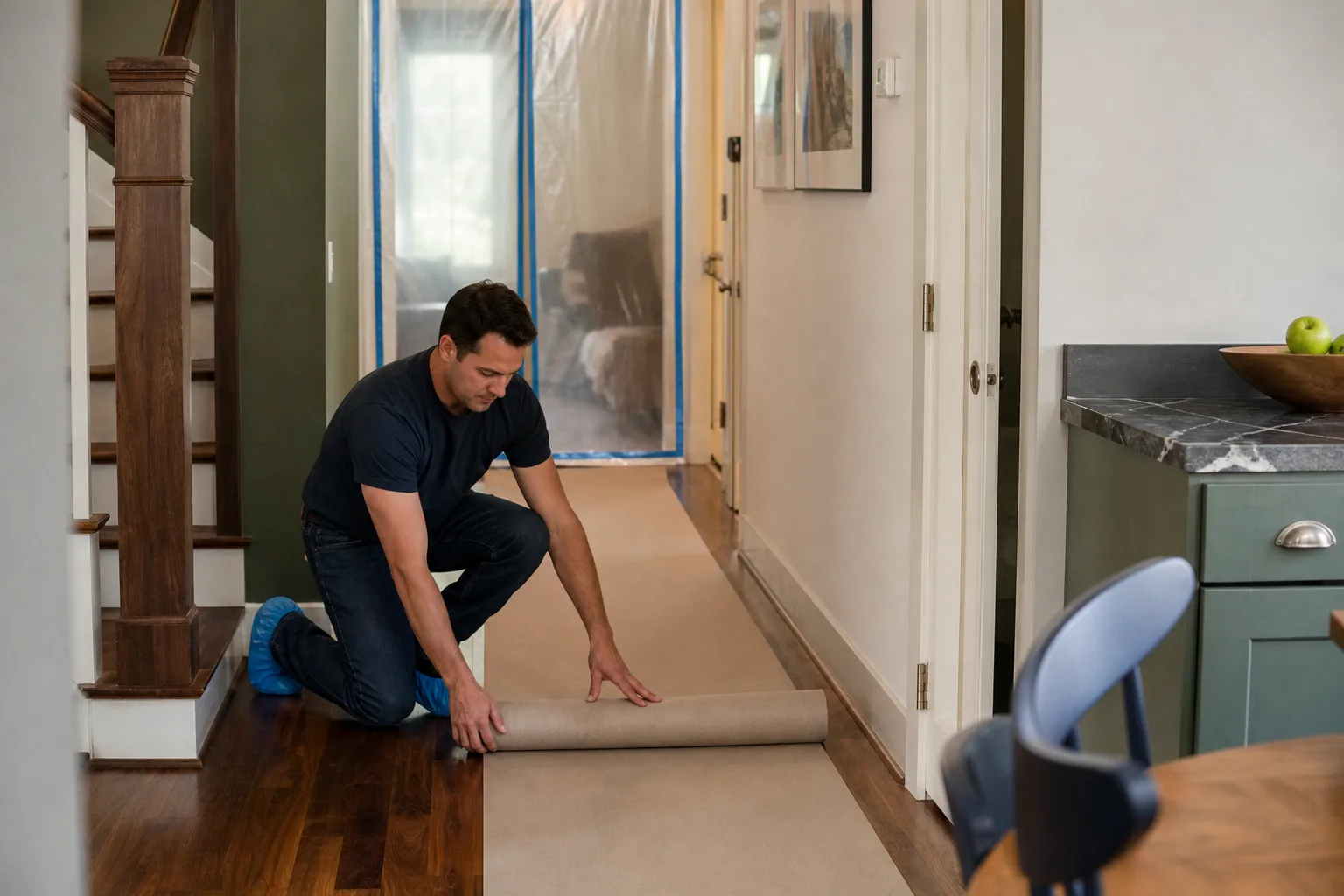
The most common sequencing mistake we see on Coral Gables DIY kitchens is finishing too early. Homeowners paint and tile before the electrical and plumbing inspections have been signed off, and then a correction opens the wall back up. The right order is fixed by code, not preference, and it’s the same order every licensed project follows.
- Demolition and rough framing. Remove old cabinets, appliances, and any wall the plan opens. Verify what’s inside the wall before you cut.
- Rough electrical and plumbing. Licensed electrician and plumber run new circuits, relocate drains, and install the rough-in. Nothing is closed up yet.
- Rough inspections. The building department inspects rough electrical, plumbing, and mechanical before wall close-up. This is the checkpoint that determines whether you get a final C of O.
- Insulation, drywall, and patching. Now the walls can close, because the licensed work is verified.
- Cabinet and countertop installation. Cabinets go in level and plumb, then templated surfaces (Caesarstone and Cambria both template after cabinets are set) get measured.
- Finish work you can do yourself. Painting, backsplash tile, hardware, shelving, and caulking. This is where DIY saves real money with no code exposure.
- Final inspection and sign-off. Fixtures connected by licensed trades, then the final inspection that produces the certificate of occupancy.
That’s the sequence. Paint, hardware, and shelving live inside step six. If your plan puts any of them earlier, the schedule will push back on you. It’s the same discipline we write down for every project on the Bradford Remodeling Co Coral Gables home page, where the written scope sets each of these steps before any hammer swings.
What Happens to Your Insurance Claim If a DIY Connection Leaks
A slow leak under the sink is a small problem for a few days. A slow leak that runs behind the cabinet base, wicks into the subfloor, and drips into the unit below is a five-figure problem and a claim investigation. Here’s where homeowners get blindsided: most homeowners policies cover sudden and accidental water damage, but carriers can reduce or deny a claim when the damage traces to work that was unpermitted or that required a licensed trade and didn’t have one. That’s not a scare tactic. It’s a coverage question a claims adjuster will actually ask.
The secondary-damage piece matters even more than the direct repair. If a DIY supply line to the dishwasher fails and water reaches the unit below your Coral Gables condo, your neighbor’s claim comes to your carrier, and the paperwork trail starts with “who installed this work.” An unpermitted plumbing modification becomes a fact in that file, and Florida carriers increasingly ask for permit records on water-damage claims over a certain threshold. A permitted, licensed install gives you a paper trail with a name and a license attached. A DIY connection gives you a question.
Two practical steps protect you regardless of what you decide:
- Take dated photos of every step before you close a wall, including any rough plumbing or electrical you did not install yourself.
- Keep the permit records and inspection sign-offs in a folder you’ll find in two years if a claim comes up. Carriers ask.
If you’ve already had a leak event and want the repair done through a documented process, our bathroom remodeling service often handles the secondary damage from kitchen water events, since moisture travels through shared walls.
Three Tasks That Look Simple but Carry Code Consequences
These three come up on every Coral Gables kitchen project we’re involved in, usually after a homeowner has already tried them. They look easy in a video and turn into inspection failures in real life.
1. Range Hood Venting
A range hood has to terminate outside the building envelope, and in Coral Gables that means through a wall or roof assembly designed to handle wind-driven rain and hurricane wind loads. Flexible duct in the attic sags, collects grease, and can fail an inspection. The duct termination has to include a proper damper and a hood cap rated for the wind zone. We’ve seen DIY venting routed into an attic, which pushes moisture and grease into the unconditioned space and creates a fire risk nobody sees until it’s a problem. This is a licensed mechanical task on most scopes.
2. Under-Cabinet Lighting Circuits
Low-voltage LED strip looks simple until you realize the 12-volt transformer has to be on a dedicated circuit with the right GFCI protection, and the wiring has to be protected inside the wall or behind a rated cover. Exposed low-voltage wiring above a counter is a code violation in Florida. The transformer has to live somewhere accessible and inspected. This is an electrician task, not a homeowner task, no matter how friendly the kit is.
3. Garbage Disposal Wiring
The disposal needs a dedicated 20-amp circuit with GFCI protection, and the switch location and the box behind the disposal all have to be per code. Connecting the disposal to the same circuit as the dishwasher will trip every time both run, and inspectors flag it. The wiring has to be done before the wall closes for inspection, which is why the disposal gets planned at the rough-in stage even though the appliance goes in last.
None of these are worth risking a failed inspection or a fire. A licensed electrician handles all three for less than most homeowners expect, and the work passes review the first time.
Common Mistakes to Avoid
- Pulling an owner-builder permit without a plan for the licensed trades. The permit leaves you responsible for hiring and coordinating the electrician and plumber, and the inspections don’t clear without their sign-off.
- Installing cabinets on out-of-plumb walls. In older Coral Gables homes off Granada and Alhambra, walls can be off by half an inch over an eight-foot run. Level, shim, and check before you hang a box, or you’ll pay for correction later.
- Painting or tiling before rough inspections. If the electrical or plumbing fails rough inspection, the wall comes open again. Order matters more than enthusiasm.
- Skipping the permit to “save time.” In Coral Gables, the building department cross-references permits against the sale records. An unpermitted kitchen becomes a line item at closing.
- Ignoring the historic overlay. Coral Gables has historic districts that require design review before certain exterior changes. A backyard vent termination or window swap can trigger it.
- Connecting the dishwasher drain to the disposal without a licensed plumber. The drain line and the high loop and the air gap all have code requirements. A leak here damages the cabinet base and gets into the floor.
- Using appliance pigtails that don’t match the circuit. A 20-amp circuit with a 15-amp receptacle is a fail, and a range on the wrong cord is a fire risk.
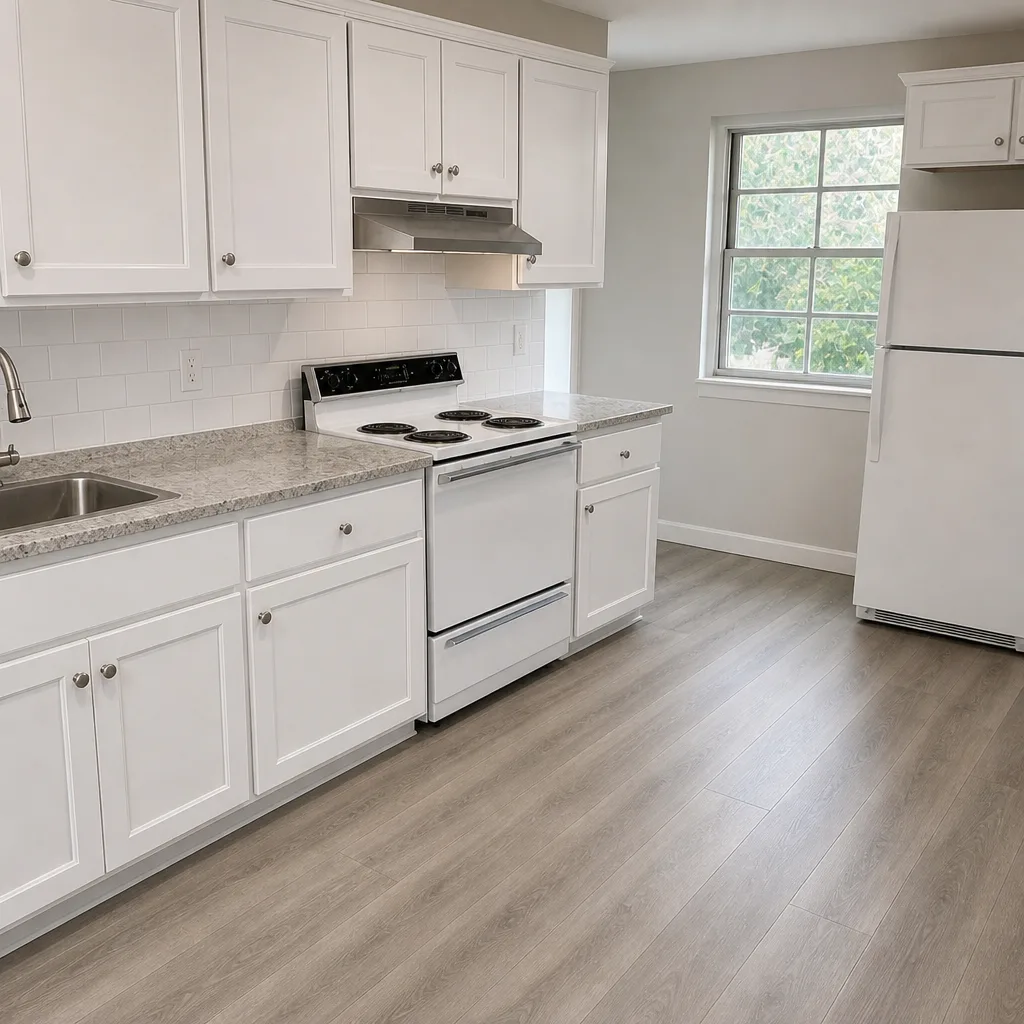
See the difference
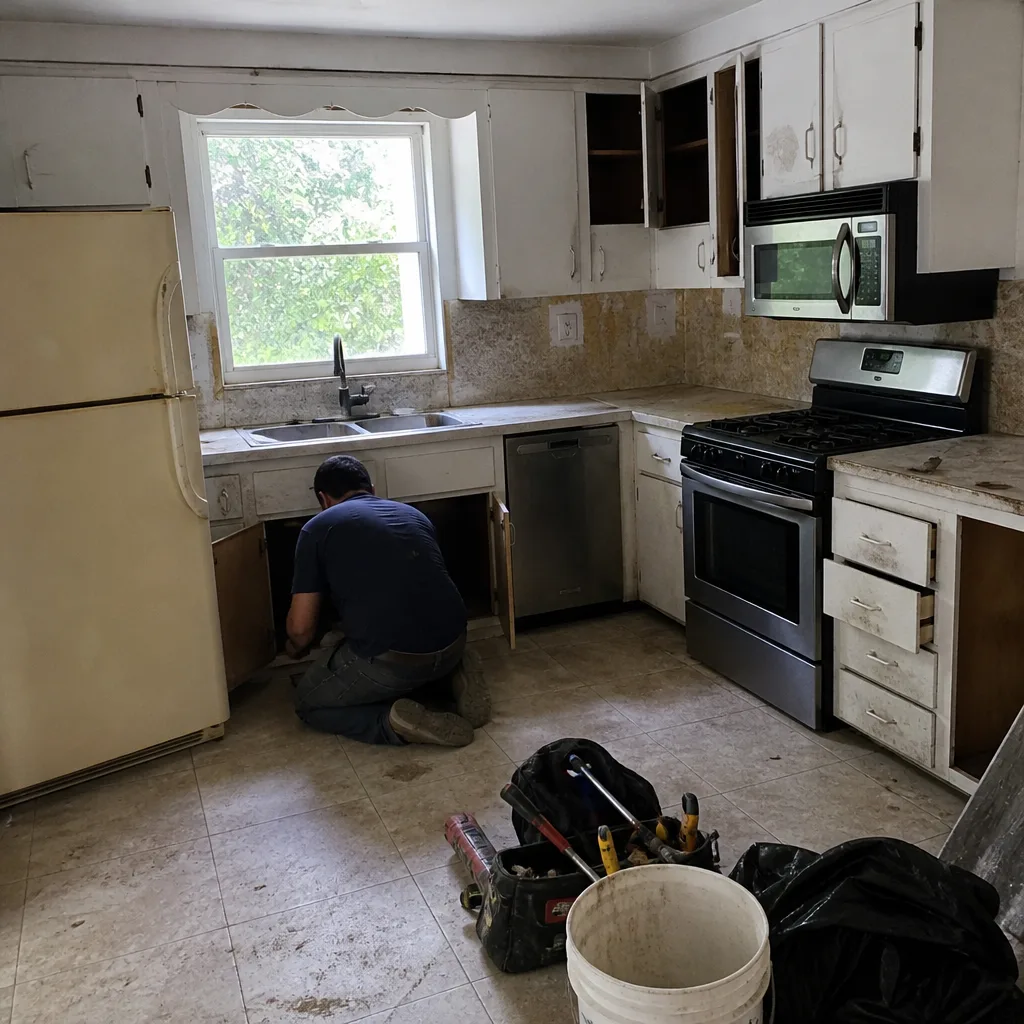 Before
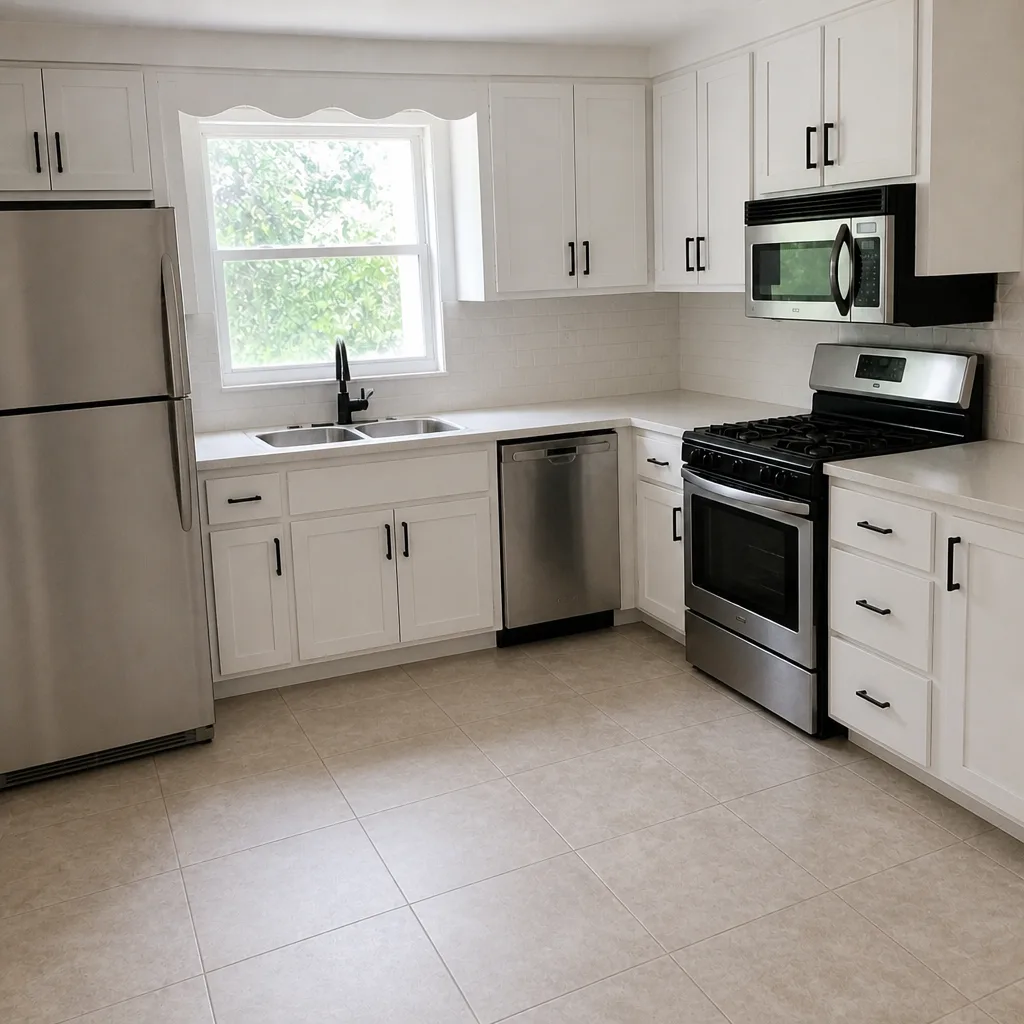 After
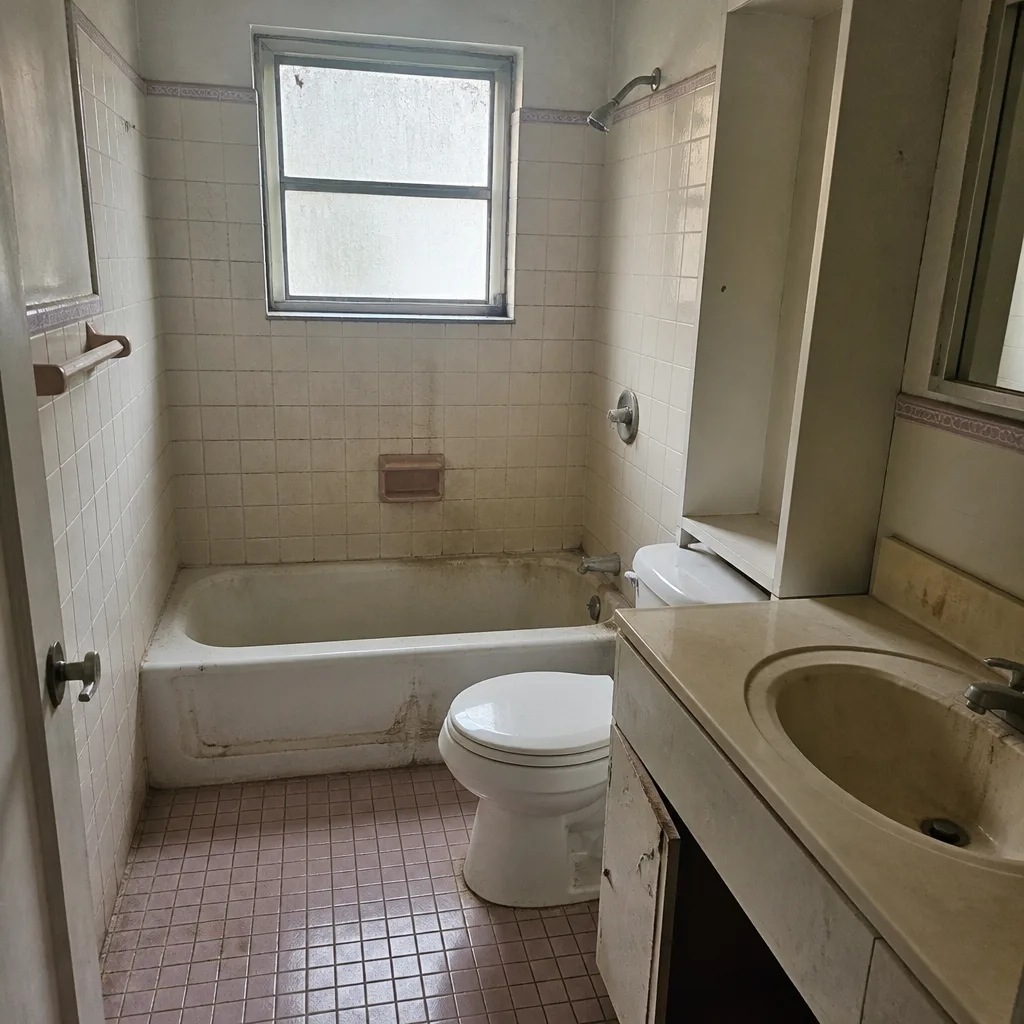 Before
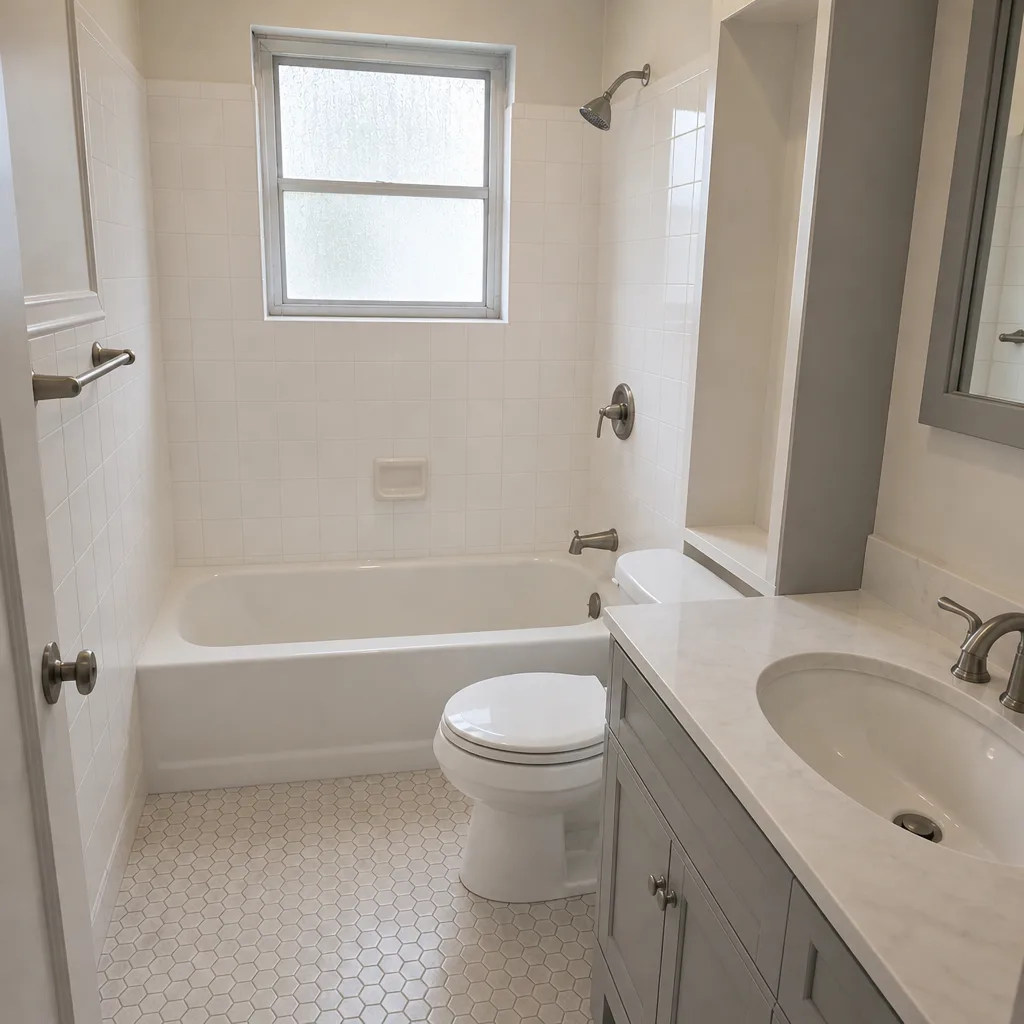 After
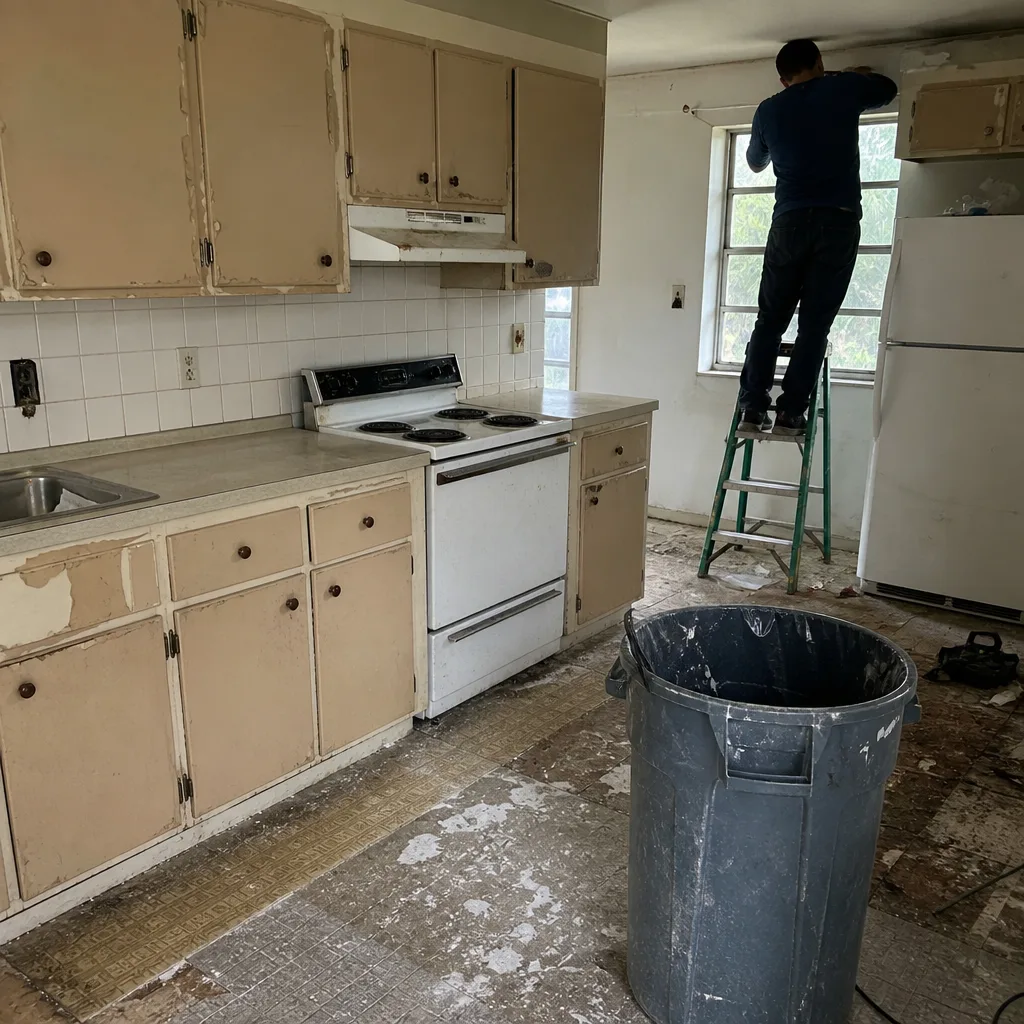 Before
 After
When to Call a Professional
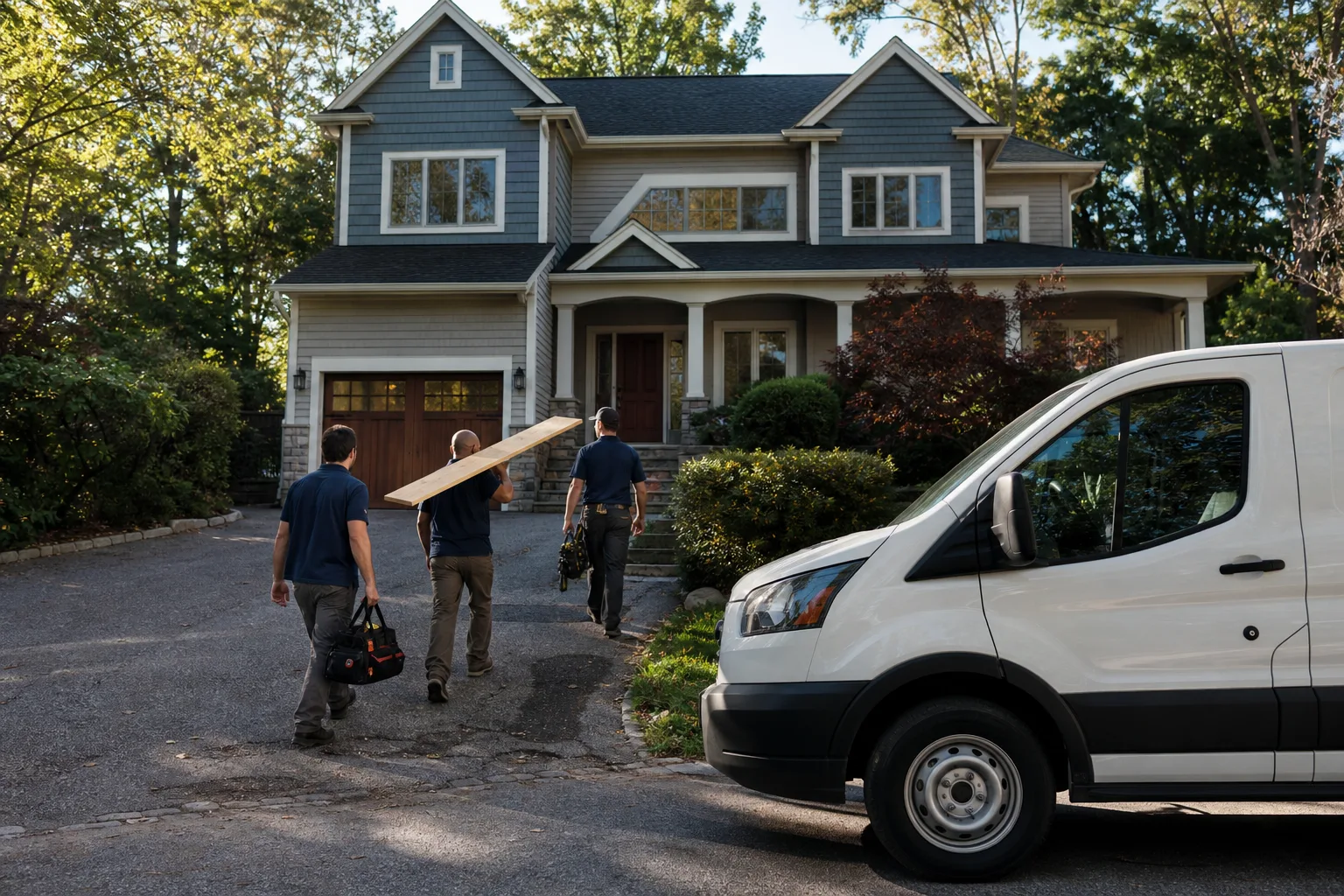
Call a professional when the task touches electrical, plumbing, gas, or mechanical, and when the work requires a permit that must be inspected before wall close-up. That covers the electrical circuits, the plumbing rough-in, any gas connection, range hood venting, and cabinet installation where the walls aren’t square. Also call when a DIY correction would cost more than a professional install from the start, and when your homeowner’s insurance claim depends on a paper trail of licensed work. Bradford Remodeling Co Coral Gables offers free estimates in Coral Gables, with a written price before any work starts and a full-year written guarantee behind every completed project. Call (833) 510-5367 to schedule your free estimate.
Frequently Asked Questions
You can legally self-perform cosmetic and finish work in Florida: interior painting, cabinet hardware, open shelving on existing studs, appliance swaps on existing connections, and typically backsplash tile if the local permit threshold allows. Electrical, plumbing, gas, and mechanical work require a licensed contractor and an inspection. The DIY-safe list is smaller than most online tutorials suggest.
Cabinet replacement alone usually does not require a building permit, but the project often triggers one indirectly. If you’re moving any plumbing or electrical connection to accommodate the new layout, you need permits for those trades, and the inspections have to be signed off before the walls close. Coral Gables has its own building department, so confirm the scope early in the planning process.
Professional cabinet installation in the Coral Gables area typically runs $2,000 to $4,500 in labor for a standard L-shaped kitchen, more if walls need leveling or specific wall types need different fastening. Correction of a DIY install gone wrong often costs more than the original professional install, since cabinets get removed, walls repaired, and utilities re-worked before the correct install begins.
No. The disposal needs a dedicated 20-amp circuit with GFCI protection, and both the wiring and the switch location have to meet code. You also need the plumbing connection to code, including the high loop or air gap for the dishwasher drain. This is a licensed electrician and plumber task from start to finish.
It depends on the specifics, and it’s not a safe assumption. Many policies cover sudden and accidental water damage but can reduce or deny a claim when the damage traces to unpermitted or unlicensed work. A permitted install gives you a documented paper trail. A DIY connection gives the adjuster a question, and the answer affects coverage.
Finish work comes after rough electrical and plumbing are inspected and the walls are closed. That means cabinets and counters go in first, then painting, tile, hardware, and shelving. Painting or tiling before rough inspection risks opening the wall back up if the inspection fails. Call (833) 510-5367 for a free estimate on any scope you’d rather have managed.
The Bottom Line
The DIY-safe zone in a Florida kitchen is narrower than the internet suggests. Finish work you can legally and safely do yourself: paint, hardware, shelving, appliance swaps on existing connections, and sometimes tile. Everything tied to electrical, plumbing, gas, or mechanical requires a licensed trade and an inspection, and the finish work has to wait until the rough inspections are signed off. The cabinet install math usually works against DIY, and the insurance question is real. If your project touches any of the licensed trades, the smartest move is a written plan, a permit trail, and a crew that closes the job with a signed guarantee in your hand. Start with a free estimate: call (833) 510-5367.
Written by the team at Bradford Remodeling Co Coral Gables.