Last updated November 17, 2026






Free written scope consultation - allowances, timeline, and change-order rules on paper before a single trade is scheduled
General Contractor Warning Signs Every Homeowner Should Know
Here’s what surprises homeowners most: a contractor with a clean DBPR license record can still have three active liens filed against them by unpaid suppliers. That information is public, sitting in Miami-Dade County records right now, but almost nobody looks it up before signing. The warning signs most guides list (no license, cash-only, high-pressure sales) catch only the worst actors. The contractors who actually burn Coral Gables homeowners look professional right up until the draw schedule runs out of money. This guide covers the second-tier signals that take a little digging to spot, and how to dig.
Quick Answer
The warning signs that matter most are the ones buried in paperwork: a front-loaded draw schedule, active supplier liens on past jobs, subcontractors named but not licensed, and contract clauses like “unforeseen conditions” that let a contractor disclaim responsibility later. A contractor who can’t name your permit number and inspection schedule by week two is already behind on compliance. Check the public records before you sign, not after the money moves.
Styles & brands we work with
- Kitchen remodeling
- Bathroom remodeling
- Home additions & ADU
- Roofing
- Windows & doors
- Driveway & pavers
- Fence
Table of Contents
- How to run a Miami-Dade lien search before you sign
- What a front-loaded draw schedule looks like
- Verifying that subcontractors are actually licensed in Florida
- The contract clauses that shift responsibility off the contractor
- Why the permit number and inspection schedule matter by week two
- The meetings and site habits that separate disciplined crews
- Common mistakes to avoid
- Frequently asked questions
How to Run a Miami-Dade Lien Search Before You Sign
A lien is a legal claim against a property for unpaid work or materials. If a general contractor doesn’t pay a supplier, that supplier can file a mechanics lien against your home, even though you paid the contractor in full. When you’re planning a general contractor project in Coral Gables, the lien search is the single most useful check you can run, and it takes about twenty minutes.
Here’s how we walk homeowners through it:
- Ask the contractor for three recent job addresses, ideally completed within the last 18 months.
- Search the Miami-Dade County Clerk of Courts records for mechanics liens filed against those addresses.
- Look at the dates. A lien filed and released quickly on an active job is usually routine. Multiple liens still open on finished jobs is a pattern.
- Cross-check the contractor’s business name against the Sunbiz corporate record to confirm it matches the entity on the contract.
- Search the Florida DBPR database for the qualifying agent’s license status and any disciplinary history.
In our experience, this one check separates disciplined operations from ones living job to job. A contractor with a strong local reputation will hand over those addresses without hesitation. One who dodges the request, or offers “confidential client” as a reason, has told you something in the dodge itself. Coral Gables has a lot of long-tenured contractors and a few who change entity names every couple of years. The Sunbiz record reveals that history faster than any conversation will.
What a Front-Loaded Draw Schedule Looks Like
A draw schedule is the payment calendar: how much you pay at each stage of the job. A front-loaded draw asks for a large share of the total before the work that justifies it is done. That’s a warning sign because it often means the contractor is using your money to fund a different job, and your project stalls when the cash runs thin.
A normal progression for a mid-size kitchen looks roughly like this:
- Deposit and mobilization: a modest percentage up front, tied to ordering materials.
- Demolition and rough-in: paid when that stage is inspected or verified.
- Cabinetry and surfaces: paid on delivery and installation milestones.
- Final payment: held until punch list and final inspection pass.
A contractor who wants 50 percent or more before demolition has even started is telling you where their cash flow stands. Small deposits fund material orders; giant deposits fund someone else’s payroll. Ask for the draw schedule in writing before signing, broken down by stage, and compare the payment percentages against the actual order of work. A written price with stage payments tied to real milestones is what kitchen remodeling in Coral Gables looks like when it’s squared away. If the schedule doesn’t match the construction sequence, ask why in writing. The answer, or lack of one, is your signal.
Verifying That Subcontractors Are Actually Licensed in Florida
A name on a proposal is not a license. Many homeowners assume the plumber or electrician listed under “subcontractors” is credentialed because the general contractor put them there. In Florida, subcontractors need their own state or local license for their trade, and verifying it takes two minutes on the DBPR site.
Here’s the pattern to check before any work starts:
- Get the legal business name of every subcontractor on the proposal, not just a first name or a nickname.
- Search the Florida DBPR licensing database for that exact business name and license type.
- Confirm the license is current, not suspended or expired, and matches the trade they’ll perform.
- Ask the general contractor for the certificate of insurance that covers that subcontractor. General liability and workers’ comp both matter.
- Match the names on the insurance certificates to the names on the proposal. Mismatches are a real problem.
Why it matters in Coral Gables specifically: older homes near the Granada and Country Club Prado corridors often have plaster walls, older wiring, and original plumbing lines. Those conditions call for licensed trades who know what’s behind the substrate. An unlicensed helper cutting into a 1950s wall without permits or coverage is a risk you carry, not the contractor. The bathroom remodeling in Coral Gables we handle almost always involves this verification because older plumbing rough-in is where the real work hides.
The Contract Clauses That Shift Responsibility Off the Contractor
Read the contract for three phrases before you sign. These are the disclaimers that quietly move risk from the contractor to you, and they appear in contracts that otherwise look clean. “Unforeseen conditions” lets a contractor bill you extra for anything below the surface they claim they couldn’t anticipate. “Owner-furnished materials” shifts the warranty and the liability for whatever you supply. And open-ended change order language (“changes billed at the contractor’s standard rate”) leaves pricing to the contractor’s discretion after work has begun.
None of these clauses is automatically a reason to walk, but each one should come with a written cap, procedure, or defined price. A disciplined contractor will define what counts as unforeseen and how change orders get priced and approved in writing before the change happens. Bradford Remodeling writes the price into the contract before any work starts – it’s part of The Garrison Standard, and it’s non-negotiable. The 365-Day Done Right Promise then backs the finished work for a full year. Look for the equivalent in writing from any contractor: written price before the work, a defined change order process, and a warranty that says exactly what it covers and for how long. If a contract has none of those, the question is what the contractor is actually protecting.
Why the Permit Number and Inspection Schedule Matter by Week Two
By the second week, a compliant contractor should be able to name your permit number and the inspection schedule. That’s the compliance baseline. A contractor who can’t give you a permit number, or who says “we’ll pull it when we’re ready,” is either working without one (which puts the risk on you) or is disorganized enough that the schedule will slip.
Here’s the Coral Gables context. The city has specific permitting requirements and inspections separate from Miami-Dade’s county-level process, and older homes near the Mediterranean-style neighborhoods often trigger additional review when walls or structural elements change. A contractor who knows the local process will be able to tell you which inspections apply, when they’re scheduled, and how the permitting timeline interfaces with the job sequence. That’s the level of detail we expect from a crew chief on a Coral Gables homeowner’s project, and it’s the level of detail you should expect from any contractor before signing.
A short list of what a compliant contractor should hand you by week two:
- The permit number and the jurisdiction it was pulled under.
- The inspection sequence and the planned dates for each.
- Who is responsible for calling in each inspection and confirming the result.
- The signed permit card posted at the site where the inspector can find it.
If any of those details is missing, that’s a significant warning sign. Missing compliance early rarely gets better later.
The Meetings and Site Habits That Separate Disciplined Crews
Site behavior tells you a lot before a single wall comes down. A crew that is background-checked and uniformed shows up with the same people on day one and day five, not a rotating cast of unfamiliar faces. A crew chief is on site with the schedule, not calling in from a different job. The site is cleaned at the end of each workday, and the homeowners know who’s going to be there that week. That’s what “squared away” looks like at the start of a job, and the same discipline should appear at close.
At job close, the picture should be specific: the site is clean, the scope is documented against the original written plan, the inspection record is complete, and you have a signed written guarantee in hand. Any contractor who treats close-out as a rushed handoff or who wants final payment before the punch list is done is telling you they consider the job over, whatever the paperwork says. We’ve seen Coral Gables homeowners get stuck with a contractor who was finished with the project, just not with the punch list. Use close-out discipline as a test of the whole job. If a contractor can’t describe what clean completion looks like in detail, they probably haven’t done it consistently.
See the difference
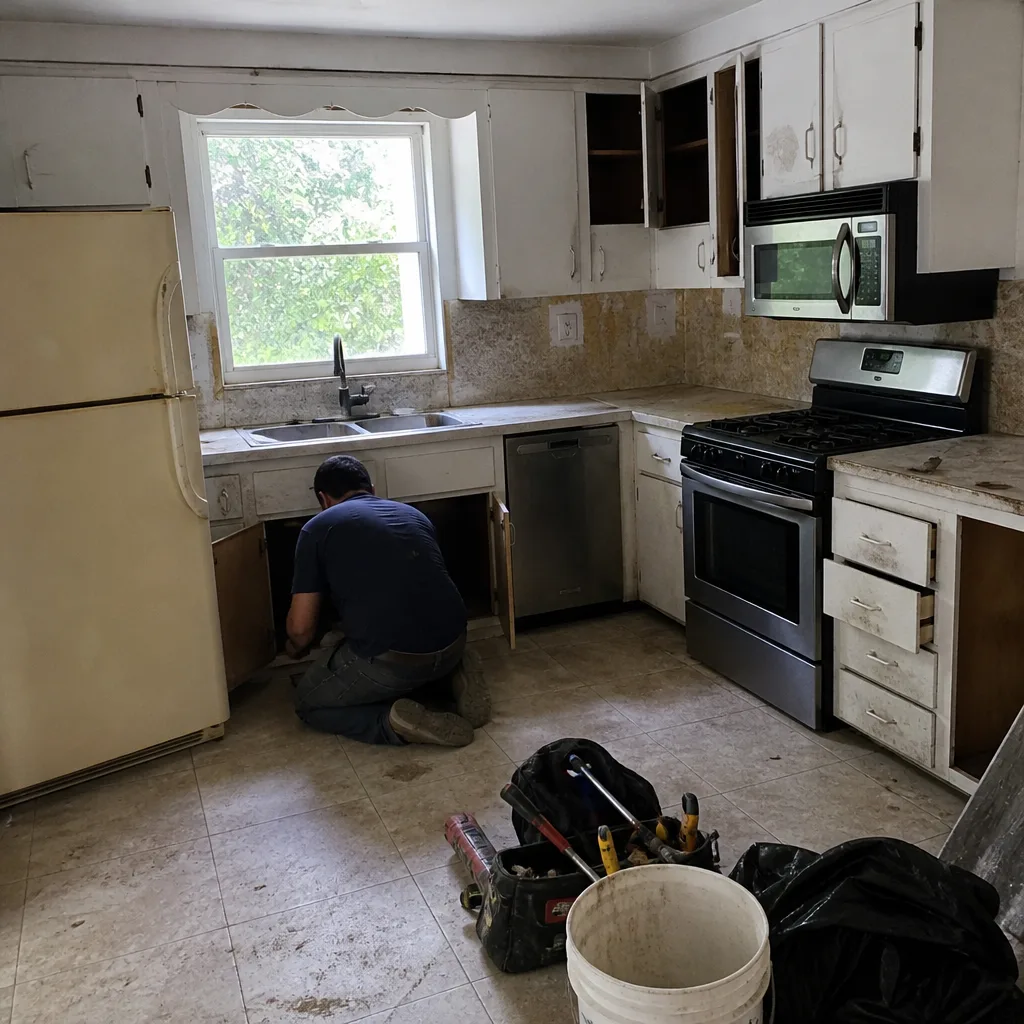 Before
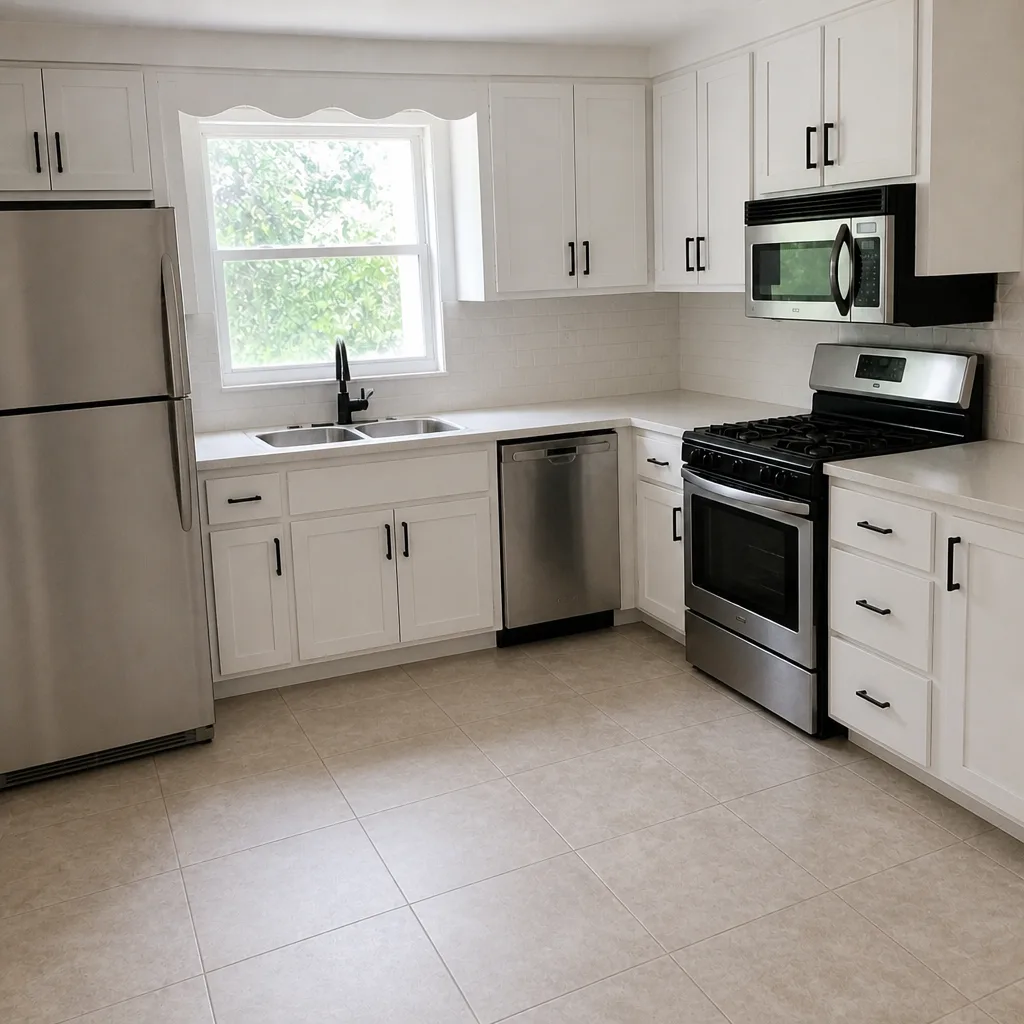 After
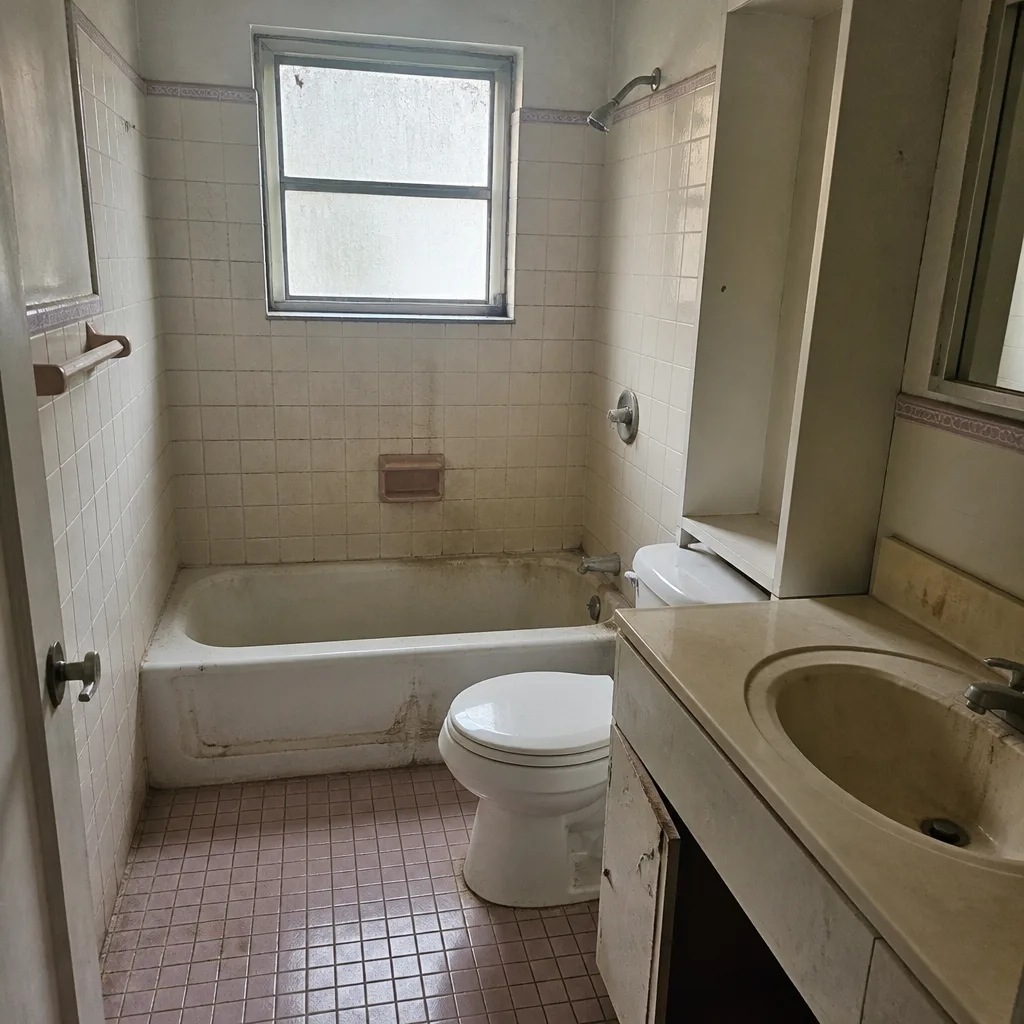 Before
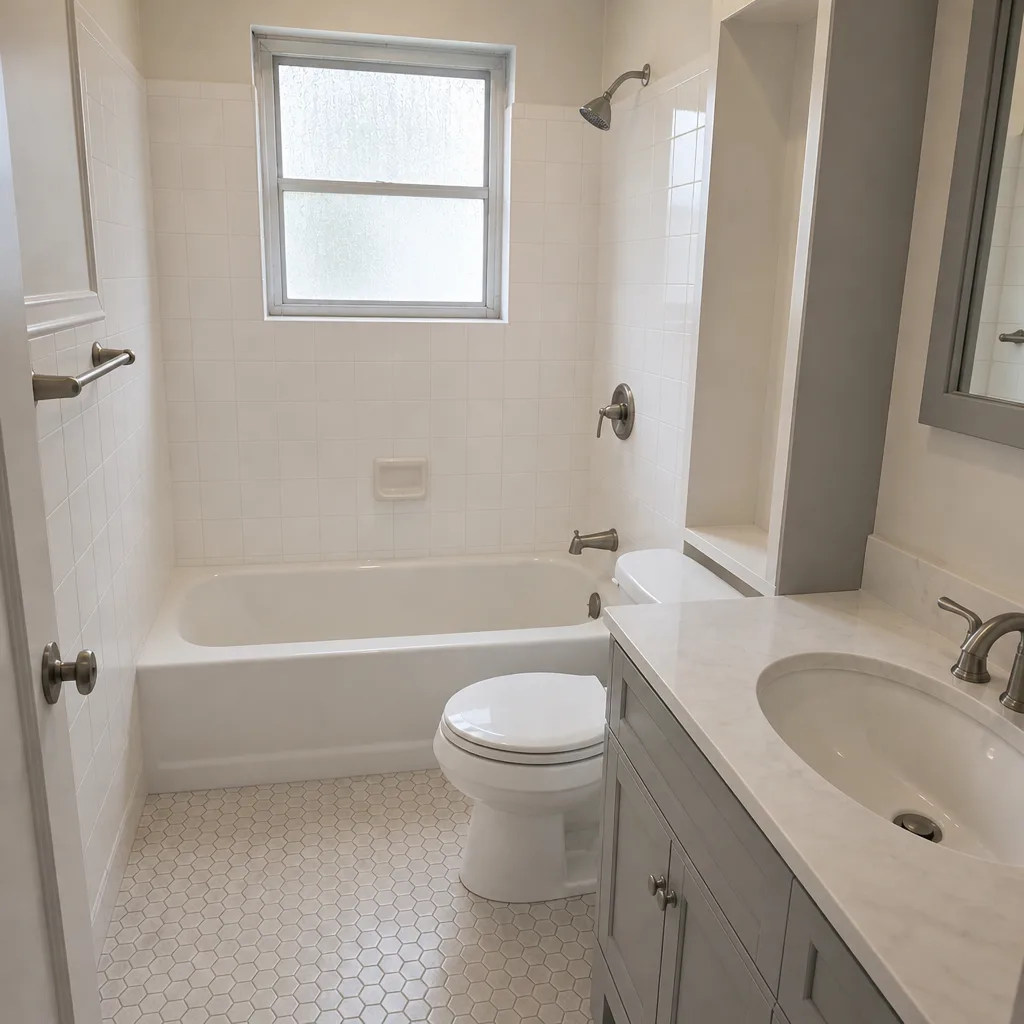 After
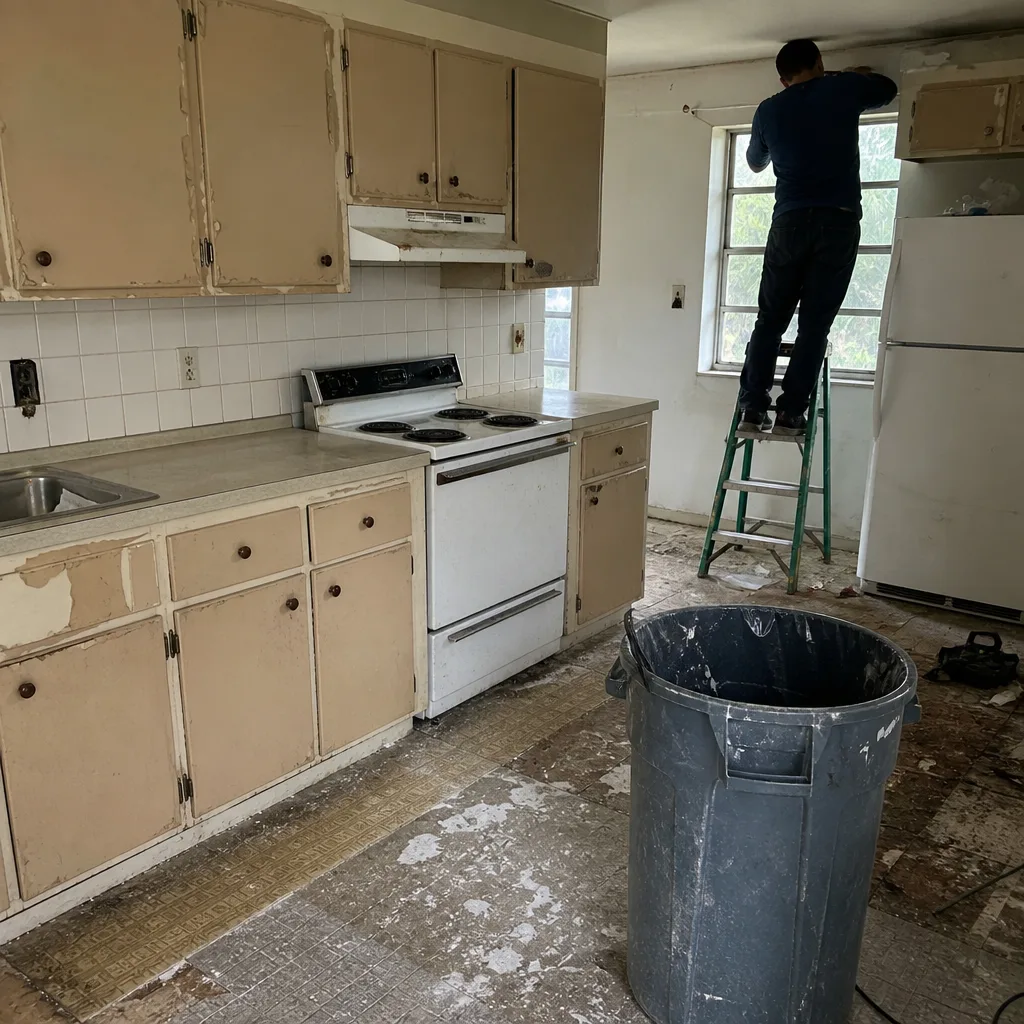 Before
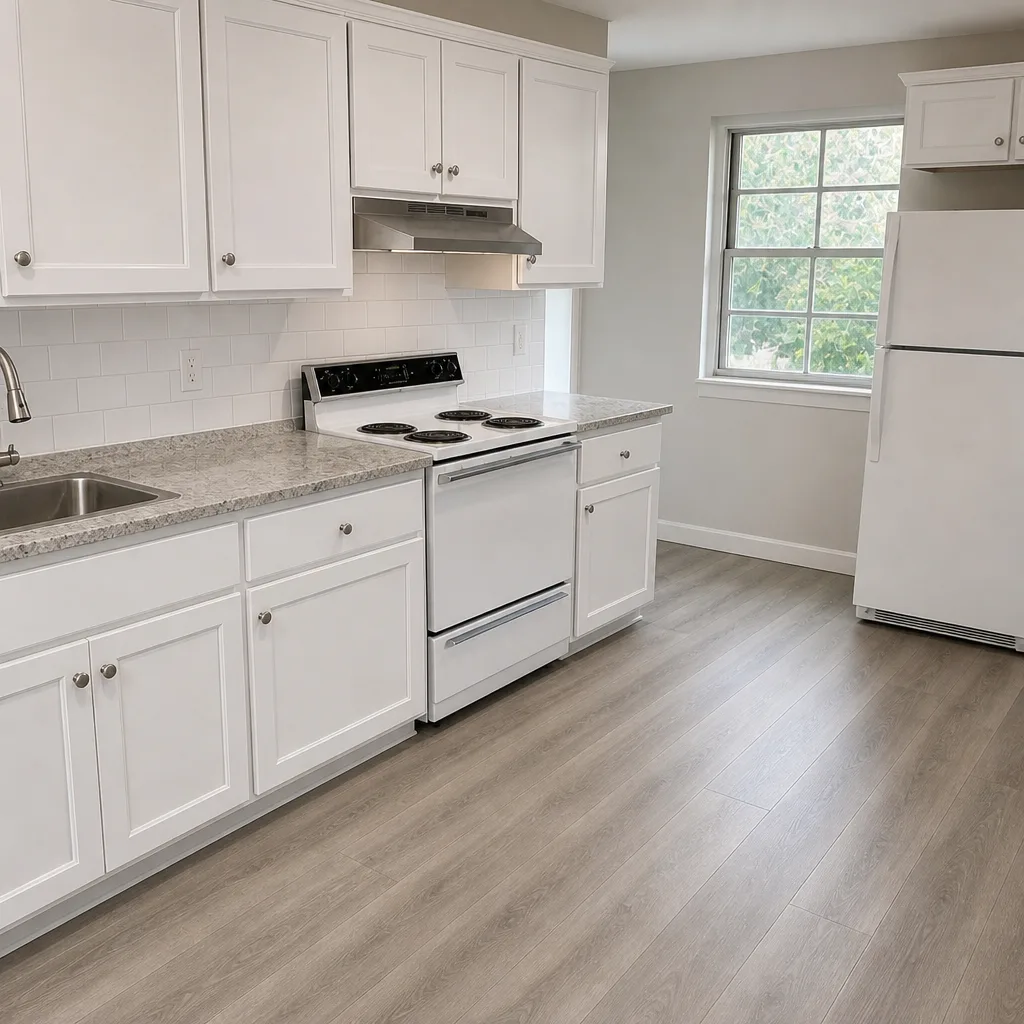 After
Common Mistakes to Avoid
- Skipping the lien search. A clean license doesn’t mean clean payment history. Run the search on three recent job addresses before signing anything, whether the project is in Coral Gables or anywhere else in the county.
- Paying a large deposit without a written draw schedule. Any deposit should map to a specific stage of work. Large up-front deposits tied to nothing concrete often mean the money goes to someone else’s job.
- Trusting the subcontractor names without verifying the licenses. Every trade on a Coral Gables project should be verifiable on the Florida DBPR site. “We always use the same plumber” is not a license check.
- Accepting vague change order language. If the contract doesn’t say how changes are priced and approved, every change becomes a negotiation you’re likely to lose.
- Ignoring the permit status for the first two weeks. If there’s no permit number by week two, the contractor is already behind on compliance and you’re carrying the risk.
- Not checking the entity name against Sunbiz. A contractor operating under a different entity than the one on the contract can leave you with no practical recourse if something goes wrong.
- Failing to get the warranty terms in writing. A verbal “we’ll take care of it” is not a guarantee. Get the duration, the scope, and the return-visit terms in writing before signing.
When to Call a Professional
Some problems need a trained trade, not a homeowner with a YouTube tutorial. High-tension garage door springs and cables can cause serious injury, so call a specialist. Electrical panel work, gas line modifications, and structural changes fall into that category and require Florida-licensed trades and permits. If you’re planning a remodel in Coral Gables and any of the warning signs above showed up during the bidding process, getting a second opinion is worth the call. Bradford Remodeling Co Coral Gables offers free estimates in Coral Gables – call (833) 510-5367 to schedule a written, line-item quote. Every price is written before work starts, every job carries the 365-Day Done Right Promise, and a live person answers the phone around the clock.
Frequently Asked Questions
Search the Miami-Dade County Clerk of Courts records for mechanics liens filed against recent job addresses the contractor gives you, and cross-check the business name on Sunbiz. Ask for three addresses from jobs completed in the last 18 months. If the contractor hesitates to provide them, that hesitation is itself a warning sign.
A front-loaded draw schedule asks for a large percentage of the total payment before the work that justifies it is done. A deposit of 50 percent or more before demolition is a serious warning sign, because it often means the contractor is using your money to fund another job. Ask for the schedule in writing before signing and confirm the percentages match the order of work. Call (833) 510-5367 for a free written estimate in Coral Gables.
No. In Florida, each subcontractor needs their own state or local license for their trade, and that license can be verified on the DBPR site. A general contractor’s license does not transfer coverage to an unlicensed plumber or electrician. Get the legal names and verify each trade separately before work starts.
“Unforeseen conditions” without a defined cap, “owner-furnished materials” without clear liability terms, and open-ended change order language are the three that most often shift risk to the homeowner. None is automatically disqualifying, but each should come with a written procedure or a defined price before signing. Call (833) 510-5367 for a free written estimate in Coral Gables.
A compliant contractor should be able to name the permit number and the inspection schedule by the second week of the job. Missing that timeline means either the work is unpermitted or the project is already disorganized. In a city like Coral Gables with its own permitting requirements, a contractor who knows the local process will have that information ready.
A real written guarantee states the duration, the scope, and the return-visit terms in writing before you sign the contract. Verbal “we’ll take care of it” promises don’t hold. Bradford Remodeling’s 365-Day Done Right Promise covers every completed project for a full year, and the company returns to correct the work at no charge if it fails inside the window.
The Bottom Line
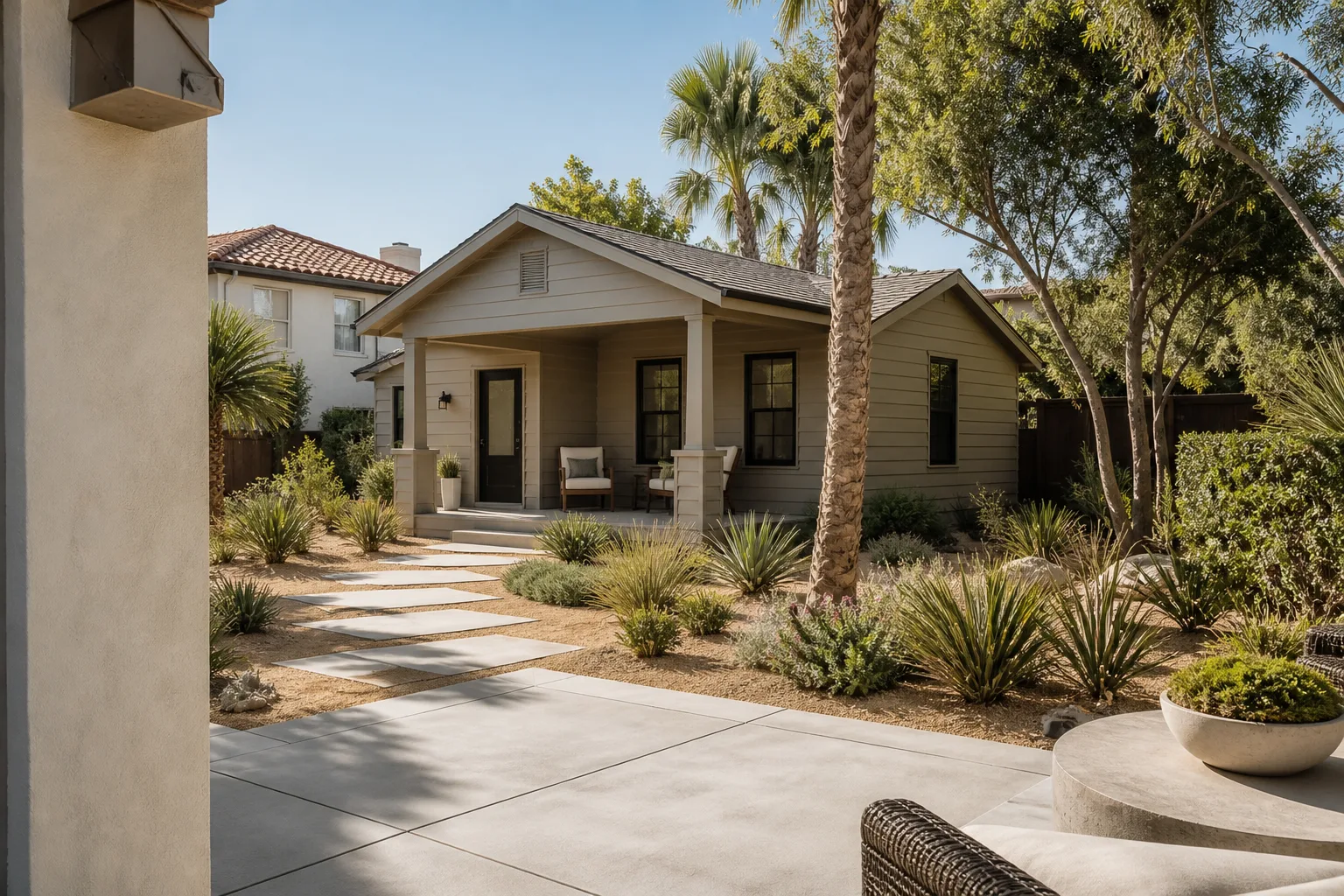
The contractors who burn homeowners rarely fail the obvious tests. They pass the license check, show a clean website, and answer the phone. But they fail on the checks that need a little more work: the lien search on past job addresses, the draw schedule hidden in the paperwork, the subcontractor names without verifiable licenses, and the permit number that never shows up. Do those checks before you sign. Get the price, the guarantee, and the schedule in writing. If you’re planning a remodel in Coral Gables and want a written price in hand before anything starts, call Bradford Remodeling Co Coral Gables at (833) 510-5367 for a free estimate. Every project comes with a written price, a documented scope, and the 365-Day Done Right Promise, so you have something to hold the crew to.
Written by the team at Bradford Remodeling Co Coral Gables.