Last updated November 17, 2026





Free written scope consultation - allowances, timeline, and change-order rules on paper before a single trade is scheduled
Home Remodeling Troubleshooting: Common Problems and How to Fix Them
Homeowners who end up in contractor disputes almost always have the same thing in common: a contract that described the job in adjectives instead of dimensions. “Premium finish.” “Quality materials.” “Done right.” None of those words hold up when a tile edge is lipping by a quarter inch or a cabinet run is off-plumb. The frustrating part is that most of what goes wrong on a remodel isn’t bad carpentry. It’s a missing definition of “done.” This guide is built to help you sort a genuine workmanship defect from a scope dispute from a contract problem, because each one needs a completely different response. If you’re remodeling in Coral Gables, the local code and climate add a few twists of their own.
Quick Answer
Most remodel problems fall into three buckets: workmanship defects (the work doesn’t meet trade standards), scope disputes (the contract didn’t clearly say what was included), and payment or lien problems (money moved between the general contractor and a subcontractor). Fixing them depends entirely on which bucket you’re in. A defect gets a written notice and a cure period. A scope dispute gets resolved against the contract language. A lien gets handled through Florida’s statutory notice process, quickly. Knowing which one you’re facing is the whole game.
Styles & brands we work with
- Kitchen remodeling
- Bathroom remodeling
- Home additions & ADU
- Roofing
- Windows & doors
- Driveway & pavers
- Fence
Table of Contents
- Workmanship Defect or Scope Dispute? How to Tell the Difference
- What Florida Law Actually Requires Contractors to Warranty
- How to Send a Formal Written Notice of Defect
- What to Do When a Subcontractor Files a Lien
- Coral Gables Climate Problems: Moisture, Mildew, and Movement
- Permit and Inspection Problems
- When to Escalate: DBPR, Small Claims, or an Attorney
- How to Prevent These Problems Before They Start
Workmanship Defect or Scope Dispute? How to Tell the Difference
This is the first question to settle, and it changes everything about how you respond. A workmanship defect means the work was performed below the accepted trade standard. A scope dispute means the work was performed correctly, but what got built isn’t what you thought you were buying. The distinction matters because a defect triggers your contractor’s warranty obligation, while a scope dispute gets decided by the contract language, period.
Here’s how to test which one you have:
- Ask: does it fail a measurable standard? A tile joint that’s supposed to be 1/8 inch and is actually 3/16 inch is a defect. A tile you picked that looks different than the showroom sample is a scope problem.
- Ask: would a licensed inspector write this up? If a building inspector or a trade-specific inspector would flag it, you have a defect. If they’d shrug and say “that’s what was specified,” you have a scope problem.
- Ask: does the contract name a specific product, dimension, or finish? If it names a KraftMaid cabinet line and you got a different one, that’s a scope issue with a paper trail. If it just says “quality cabinetry,” you have an uphill fight.
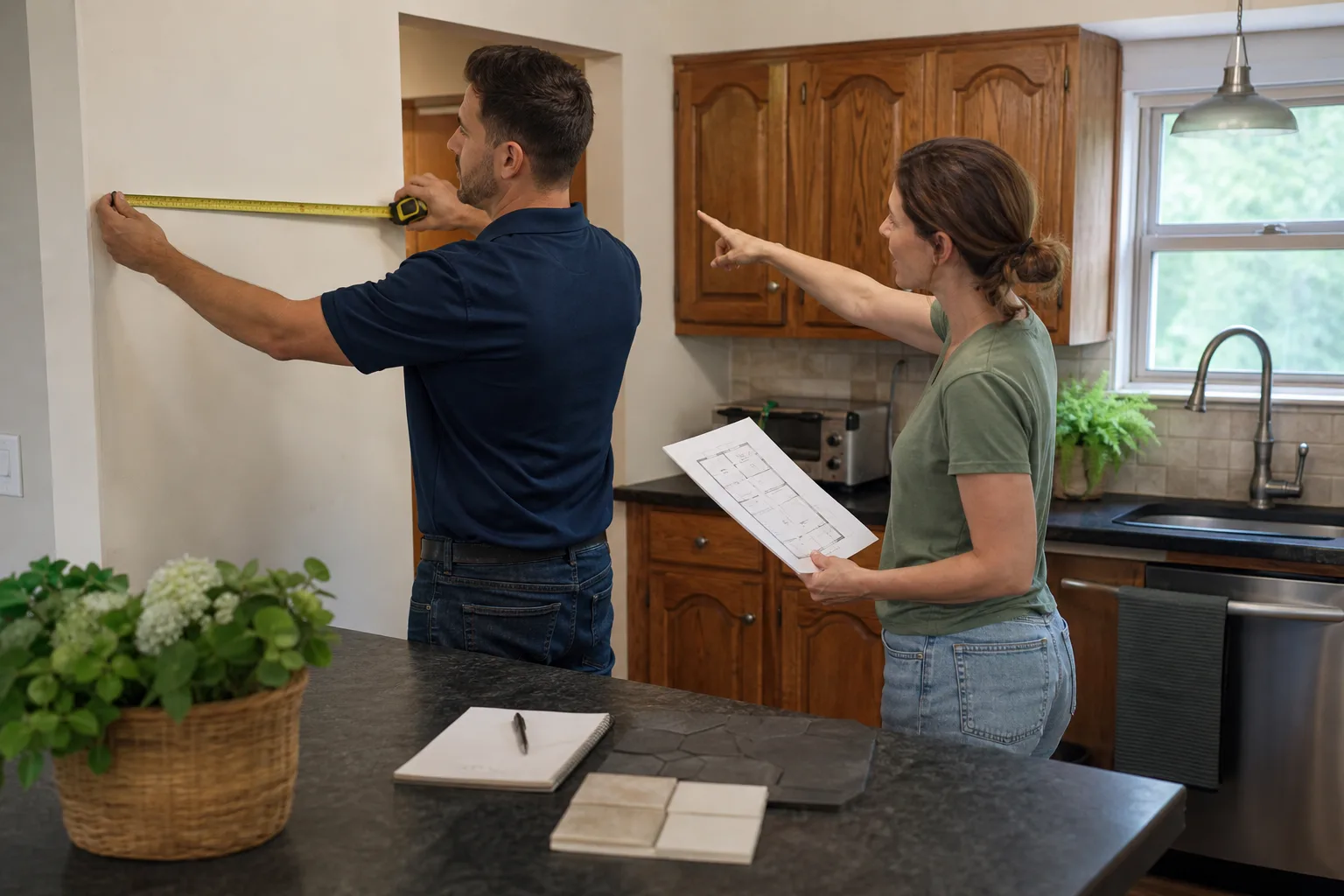
In our experience across Coral Gables remodels, most disputes we’re called in to correct are actually scope problems wearing a defect costume. The work wasn’t wrong. It just wasn’t defined. That’s why the written price before work starts matters so much. A line-item scope is the difference between arguing about intent and pointing at a document.
What Florida Law Actually Requires Contractors to Warranty
Florida Statute 489 is the state’s construction contracting law, and it sets some specific warranty expectations that homeowners often don’t know they have. Under Florida law, contractors are generally required to warrant their work against defects in workmanship for a period after completion. For most standard residential work, the expectation is a one-year warranty on workmanship. The statute also creates a notice-and-cure process: before you can bring certain claims against a contractor, you generally have to give them written notice of the defect and a reasonable opportunity to fix it.
That cure right cuts both ways. If you give notice and the contractor fixes the problem, the matter is closed. If they don’t respond or the fix fails, you have a documented record for the next step. This is exactly why a written notice is so important: it starts the clock and creates evidence.
Compare that to The Garrison Standard, which we operate under. Every Bradford Remodeling project in Coral Gables carries the 365-Day Done Right Promise: if the work fails within a full year of completion, we come back and correct it at no charge. No argument about whether the warranty applies, no waiting for a statute to sort it out. The guarantee is in writing, in your hand, at job close. That’s a different posture than the legal minimum. It’s the difference between “we’re legally on the hook” and “we put it in writing before we started.”
How to Send a Formal Written Notice of Defect
A written notice isn’t a nastygram. It’s a document. Done right, it does three things: states the specific defect in trade terms, references your contract, and sets a deadline for a response. It also protects you if you end up filing with the DBPR or in court. Here’s the sequence we recommend:
- Document everything with photos and dates. Photograph the defect from multiple angles. Note when it appeared, whether it’s growing, and any damage it’s caused. Keep a running log.
- Reference the contract scope line or spec that the work fails. Quote the exact clause if you can. “Per section 4, cabinet installation to be plumb within 1/8 inch per running foot,” then state the measured variance.
- State the defect in plain trade language. “Grout cracking at the joints in the master shower floor,” not “the tile looks bad.” Specificity is what makes the letter useful later.
- Request a written cure plan and a date. Give a reasonable window, generally 10 to 30 days depending on urgency. If it’s a water intrusion issue, be faster.
- Send it via certified mail or email with a read receipt, and keep copies. Florida’s notice requirements are strict about proof of delivery. If you can’t prove the contractor received it, the clock hasn’t started.
- Log the response, or the silence. If the contractor doesn’t reply within your window, that silence becomes part of your record for the DBPR or small claims.
This is one place where the relationship you chose at the start matters. A contractor who answers the phone will engage with your letter. A contractor who runs on voicemail won’t. Bradford Remodeling answers the phone 24 hours a day because a defect noted at 8pm on a Saturday still needs a real answer, not a queue.
What to Do When a Subcontractor Files a Lien
A construction lien on your home is serious, but it doesn’t automatically mean you owe money to the person who filed it. It usually means the general contractor didn’t pay the subcontractor, and the subcontractor is protecting their right to get paid. Under Florida’s construction lien law, a subcontractor or supplier can file a lien against your property even though you never hired them and already paid the general contractor.
Here’s what actually protects you:
- Get lien releases with every payment. When you make a payment to your general contractor, get a partial or final release of lien from each subcontractor and supplier who worked in that billing cycle. This is the single most important habit. It’s not optional paperwork.
- Collect a Notice to Owner or similar notices if they’re sent. These are the subcontractor’s early warning. If you get one, check with your general contractor that the sub is being paid.
- Request a Notice of Commencement be filed and posted before work starts. This is a recorded document that tells everyone on the job who to serve notices on, and it’s often required for permitted work in Miami-Dade County. A professional contractor files it as a matter of course.
- Respond fast when a lien appears. Florida has specific deadlines for contesting a lien. If you ignore it, it can attach to the property and complicate a sale or refinance. This is one place where a construction attorney is worth paying for quickly.
- Call the general contractor before you pay anyone directly. Sometimes a lien filing is a clerical error, and a phone call to the contractor reveals a check that got lost in the mail. Get it confirmed in writing.
We’ve seen Coral Gables homeowners get caught in lien disputes on jobs where they’d already paid in full. Every dollar released in Bradford’s projects goes out with a release, and the file is closed with a documented clean lien record. That’s what squared away looks like at job close: clean site, documented scope, signed written guarantee in your hand, and no surprises on title.
Coral Gables Climate Problems: Moisture, Mildew, and Movement
Home remodels in Coral Gables run into a specific set of problems that builders in drier climates rarely see. The humidity here sits in the 80s through much of the year. Salt air moves in from the coast. The rainy season dumps four to six inches in a bad week, and older homes in the city’s historic districts, particularly in the area around the Granada Golf Course and on the streets just off Ponce de Leon Boulevard, have framing and subfloors that have been exposed to that humidity for decades. When you remodel, you’re often opening walls that have been coping for years.
The problems we see most often in Coral Gables:
- Grout and caulk failure in wet areas. Showers and backsplashes crack because the substrate behind them moved or absorbed moisture. It’s a workmanship issue when the waterproofing wasn’t installed correctly. It’s a scope issue when it wasn’t specified.
- Cabinet swelling at the toe kick and near the base. MDF and particle-board substrates don’t tolerate the humidity. This is why the brand roster matters: KraftMaid and Wellborn both publish moisture performance specs, and a contractor who can point to those specs can actually warrant the installation.
- Mildew appearing behind furniture-grade paint on interior walls. Usually a ventilation or vapor barrier problem, not a paint problem. In older Coral Gables homes, an exterior wall remodel is the moment to check that the vapor barrier and the insulation are correct, not just the drywall.
- Sticking doors and windows late in the rainy season. Tropical wood framing moves. It’s often normal. If it’s severe, get it evaluated before assuming it’s a defect, because in older Coral Gables homes it sometimes is.
- Pavers settling after heavy rain. Belgard and Unilock installations need the right base depth and compaction for our soil conditions. Paver settling in Coral Gables is often a base-prep issue, not a paver defect.
If you’re still in the planning phase and want to avoid these on the front end, the kitchen remodeling in Coral Gables guide is a good place to start, since wet areas and cabinets are where humidity does the most damage.
Permit and Inspection Problems
A remodel problem that’s actually a permit problem is a specific kind of headache. If your contractor pulled permits, inspections were scheduled and passed, and the certificate of occupancy or final approval is on file, you’re protected. If the work was done without a permit, or the contractor pulled permits and never closed them out, you get problems at resale, at insurance renewal, and if a later issue turns into a claim.
Signs you have a permit problem:
- The work was completed but you never saw an inspector on site.
- The project closed but you don’t have a copy of the final inspection approval on file.
- You can’t log into the local permit portal and see a closed permit for your address.
- A kitchen or bathroom was converted in a way that changed the number of bedrooms, bathrooms, or habitable square footage and there’s no record of it.
What to do: contact the permitting authority directly and request the permit history for your address. If the permit is open and the original contractor is unresponsive, the path forward is usually a new permit and a new contractor who’ll document the scope and take responsibility for finishing the closeout. If the work was never permitted, a licensed general contractor can typically help you get the work legalized through the local process, but it costs more to fix than to do it right the first time.
The prevention point is simple: put permit responsibility in the contract, in writing, before work starts. Our general contractor in Coral Gables page walks through what a properly permitted and inspected scope looks like.
When to Escalate: DBPR, Small Claims, or an Attorney
Once the notice period has passed and the contractor hasn’t cured the defect, you have three main escalation paths. Which one you choose depends on the size of the claim, the complexity of the problem, and whether you need a legal remedy or just a resolution.
- Small claims court is for claims under the Florida county-level limit (varies by county; commonly $8,000 in many Florida counties, sometimes higher). It’s faster, cheaper, and no attorney is required. Good fit for a single defective installation, a repair that fell short, or a deposit that was never returned. Bring your written contract, your written notice, photos, and any expert opinion you’ve collected.
- The Florida Department of Business and Professional Regulation (DBPR) handles licensing complaints and unlicensed activity. If your contractor was unlicensed, or their license was inactive during your project, DBPR is the agency that matters. Filing a complaint is free. It won’t get you money back directly, but it creates a formal record that can support a later legal claim.
- A construction attorney enters the picture for anything over the small claims threshold, any lien dispute, any claim involving structural damage, or any case where the contractor is unresponsive and you need an injunction or a lawsuit to recover. Florida’s construction defect process has notice requirements and deadlines that an experienced attorney handles routinely. Hoping it resolves itself is the wrong strategy here.
The clearest threshold we can give you: start with the written notice. Escalate to small claims if the amount is modest and the record is strong. Go to an attorney if the claim is large, involves a lien, or involves so-called structural problems that need expert evaluation. Go to DBPR if licensing is the issue. Keep the record tight through every step.
How to Prevent These Problems Before They Start
The best fix for every one of these problems is a contract that described the job in dimensions instead of adjectives. Here’s what that looks like, and it’s the same standard we apply under The Garrison Standard on every Bradford Remodeling project in Coral Gables:
- Line-item scope, not adjectives. Every material named. Every dimension specified. Every finish referenced to a manufacturer and model.
- Written price before work starts. A real number, not a range, not a “we’ll figure it out.” No change orders unless the scope changes, in writing, signed by both sides.
- Permit responsibility in writing. Who pulls the permits. Who schedules inspections. Who closes them out. In the contract.
- Payment schedule tied to completed work, with lien releases. Not a big check up front. Payments release against documented progress, and every payment gets a lien release.
- A written warranty term, spelled out. What it covers, for how long, and how to invoke it. The 365-Day Done Right Promise is ours: if it’s not done right in the first year, we make it right, at no charge.
- Background-checked, uniformed technicians and a live person on the phone. You know who’s walking through your door, and you know who picks up when you call. Bradford Remodeling answers the phone 24/7 because problems don’t keep business hours.
Bradford Remodeling is part of the Garrison Partners family, and each location is independently owned and operated under The Garrison Standard. That standard is why we put everything in writing before work starts, and why our technicians, who have up to 22 years of experience, follow documented specifications rather than figuring it out on-site. If you want to see how this looks in practice, our bathroom remodeling in Coral Gables guide covers the wet-area work where a lot of these disputes begin, and the Bradford Remodeling Co Coral Gables home page lays out the process end to end.
Common Mistakes to Avoid
- Signing a contract that describes finishes in adjectives. “High-quality cabinetry” and “premium tile” are not scope. If the contract doesn’t name a manufacturer and a model, you don’t have a right to any specific product. Insist on named brands like KraftMaid, Wellborn, Cambria, or Kohler, with specs attached.
- Paying in full before the work closes out. Final payment should release against final inspection approval and a clean lien record. Once you’ve paid in full, your only leverage is a lawsuit.
- Not getting lien releases with payments. This is the single most common way Coral Gables homeowners end up with a lien on a project they fully paid for. Collect releases every payment cycle, no exceptions.
- Assuming a verbal promise survives the job. A phone call that says “we’ll fix it” doesn’t start the warranty clock and doesn’t create a record. Put it in writing, even if it’s just a confirming email.
- Skipping the written notice of defect and going straight to an attorney. Florida’s notice-and-cure process is a prerequisite for many claims. Skipping it can delay your case and cost you leverage.
- Letting a permit stay open. An open permit shows up at resale, at insurance renewal, and if you ever file a claim. Verify the permit is closed before the final payment clears.
- Choosing a contractor on phone coverage or price alone. A contractor who answers the phone and quotes a written price is doing the basics. Confirm they’re background-checked, uniformed, and warranty their work in writing, or you’re gambling on the project with no paper trail.
See the difference
 Before
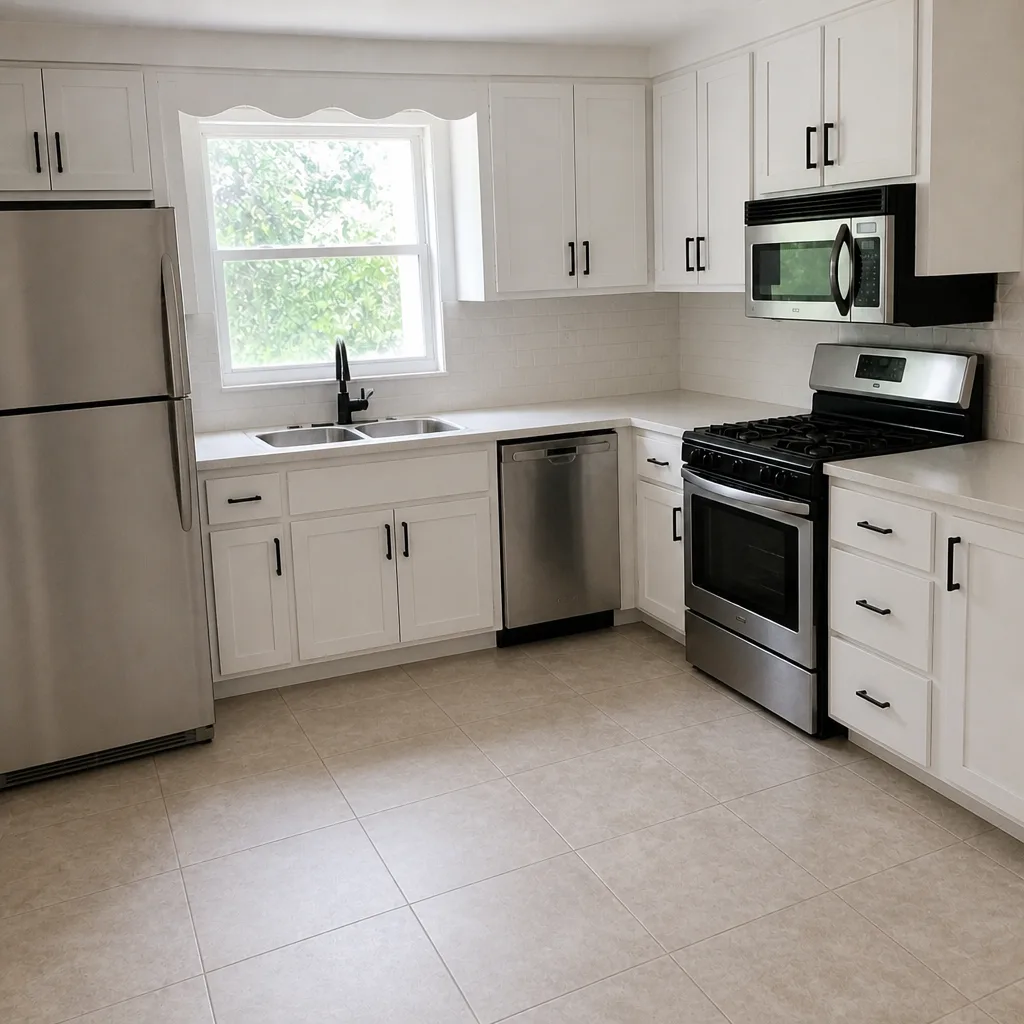 After
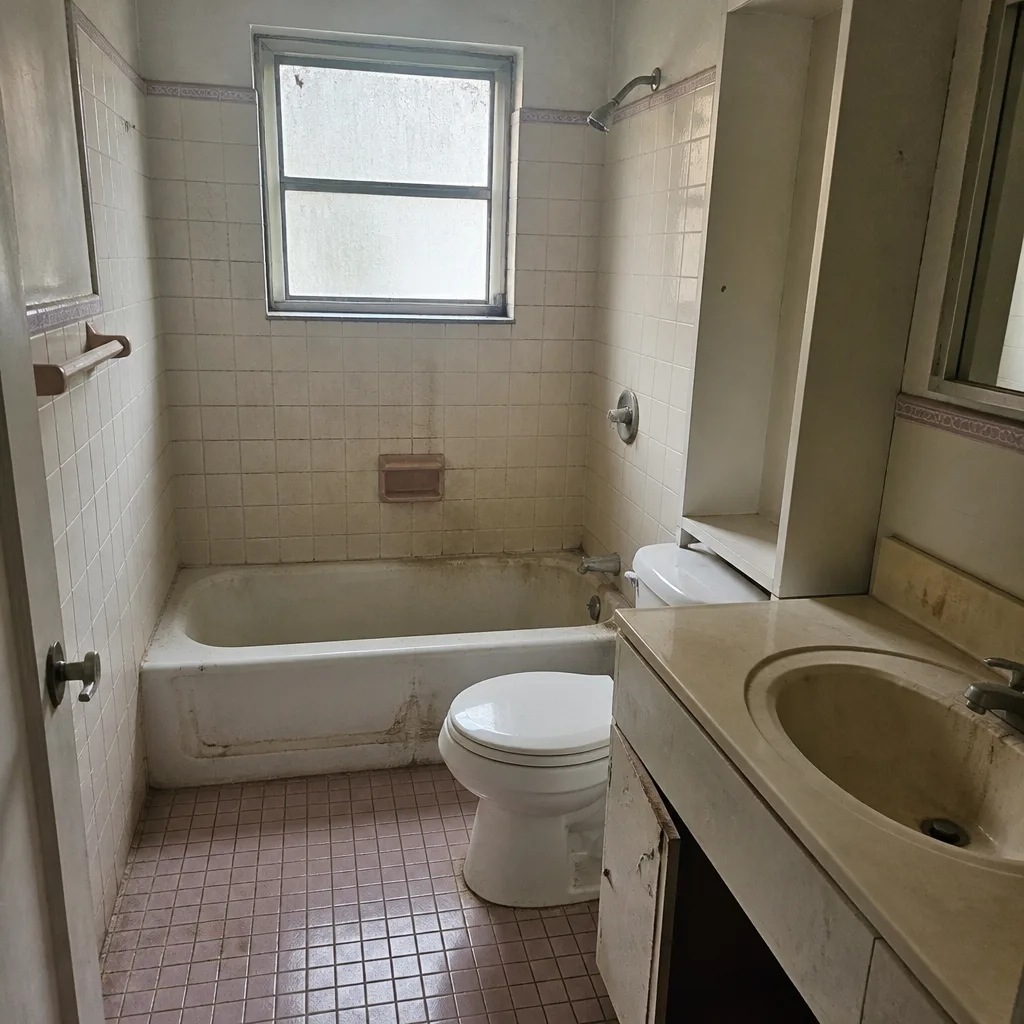 Before
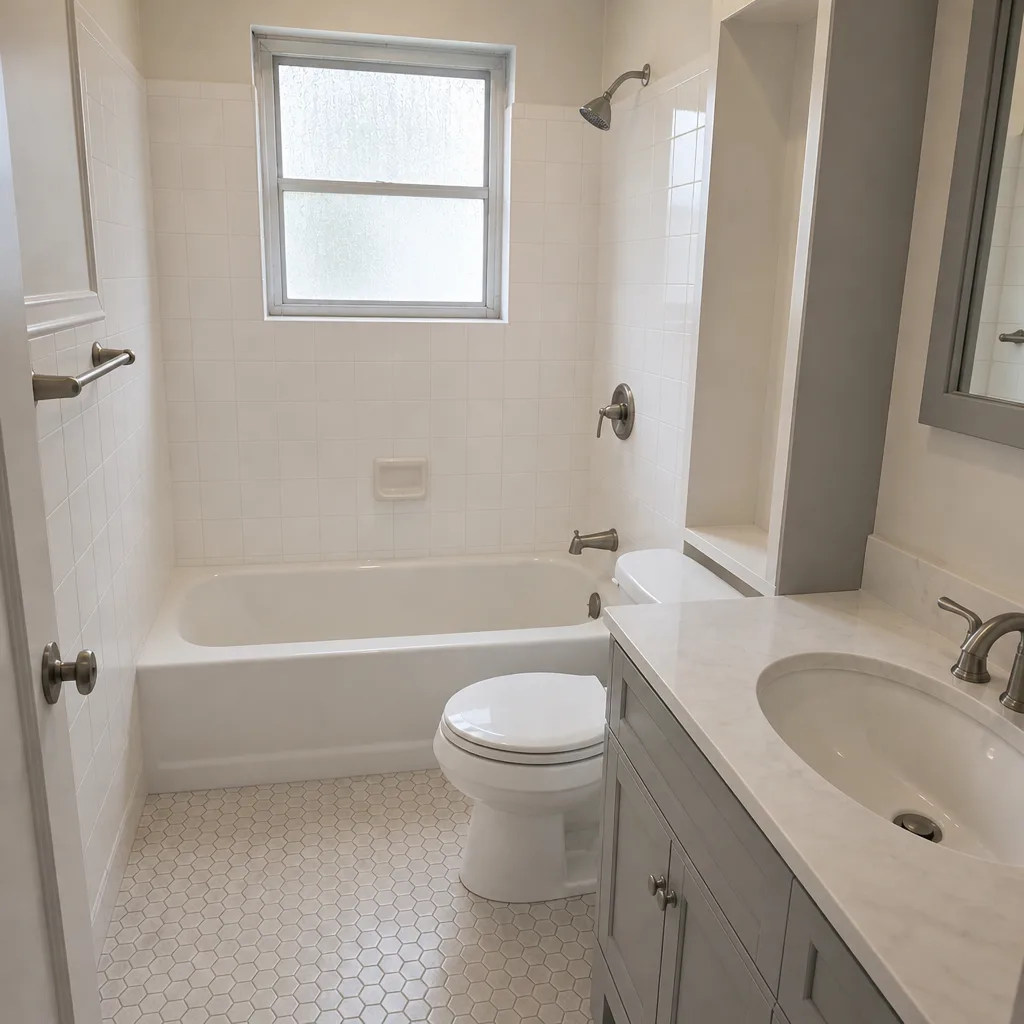 After
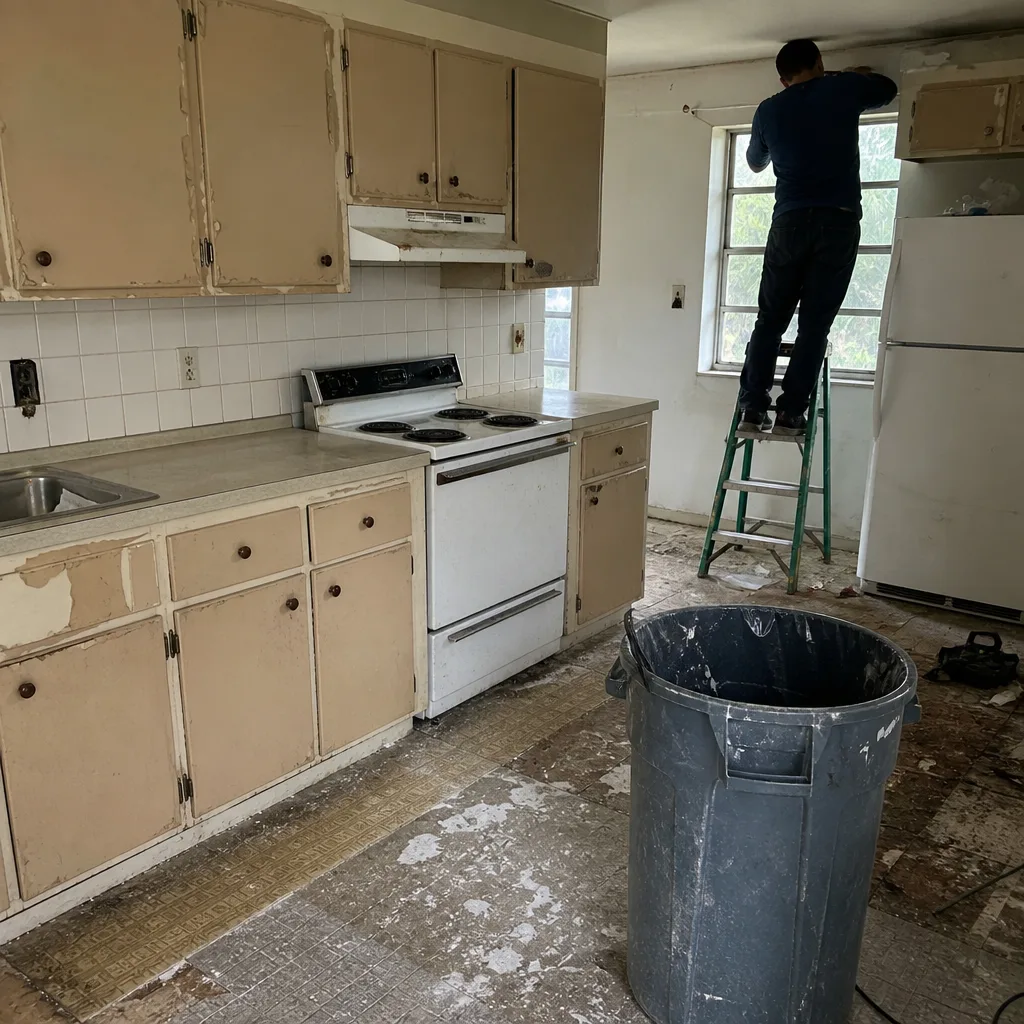 Before
 After
When to Call a Professional
Some problems can be handled by a homeowner with a good written notice and patience. Others genuinely need a licensed professional on the job. Call a professional when the problem involves structural movement (doors that won’t close, cracks that are growing), water intrusion from anywhere except the fixture itself, any roof or framing issue, electrical or gas work, or any permit that’s open without a contractor willing to close it. Call a construction attorney if a lien is filed or if the defect value is above small claims threshold. And call a licensed contractor for any repair that touches systems work: in Florida, that’s not a place to improvise. Bradford Remodeling Co Coral Gables offers free estimates in Coral Gables, and we’ll tell you plainly whether the issue is repair-worthy or warranty-worthy. Call (833) 510-5367 to schedule a free estimate.
Frequently Asked Questions

Start with the contract. If the contract named a specific product, dimension, or finish and the work doesn’t match, it’s a scope issue. If the work fails the accepted trade standard regardless of what the contract said, it’s a workmanship defect. The difference matters because a defect triggers the contractor’s warranty obligation and a scope issue gets decided by the contract language. If you’re unsure which one you have, call (833) 510-5367 for a free estimate and we’ll walk you through which category applies before we quote a repair.
Florida Statute 489 generally requires contractors to warrant their work against workmanship defects for a period after completion, commonly one year for most residential work. The statute also creates a notice-and-cure process: you generally need to give the contractor written notice of the defect before certain claims can proceed. The 365-Day Done Right Promise is our own written guarantee, which goes beyond the legal minimum. Call (833) 510-5367 to talk through your specific situation; estimates are free.
Send a written notice via certified mail or email with a read receipt that specifically names the defect, quotes the contract clause it fails, states the trade standard and any measured variance, and requests a written cure plan within a reasonable deadline (usually 10 to 30 days). Keep copies of both what you sent and proof of delivery. Without proof of delivery, the notice period hasn’t actually started. Call (833) 510-5367 if you want help putting the notice in trade language.
A lien usually means your general contractor didn’t pay the subcontractor, not that you owe them directly. The best protection is to collect lien releases with every payment you make to the general contractor, starting with the first one. If a lien has already been filed, contact a construction attorney quickly because Florida has strict deadlines for contesting it. Call (833) 510-5367 for an estimate on any repair or completion work that’s still needed; estimates are free.
Most interior remodels in Coral Gables that touch plumbing, electrical, structural, or change the layout of a kitchen or bathroom require a permit through Miami-Dade County or the City of Coral Gables. Exterior work, particularly in historic districts, gets additional review. The best practice is to have permit responsibility written into the contract and to verify that the permit is closed out at the end of the job. Call (833) 510-5367 for an estimate that includes permit scope; estimates are free.
Go to DBPR if the contractor was unlicensed or their license was inactive during your project; filing a complaint is free. Go to small claims if the claim is modest (the Florida county limit applies, commonly $8,000 in many counties) and the record is strong. Go to an attorney if the claim is large, involves a lien, or involves structural damage. Call (833) 510-5367 if you want a second opinion on a repair estimate before you escalate; estimates are free.
The Bottom Line
Most remodel disputes aren’t about bad carpentry. They’re about a contract that described the job in adjectives instead of dimensions, and a homeowner left without a way to measure whether the work was done right. The fix is to know which category your problem falls into: a defect, a scope issue, a lien, or a permit problem. Each has a specific response, a specific timeline, and a specific escalation path. The prevention is the same standard every time: written price before work starts, line-item scope, named brands, lien releases with every payment, permits closed out, and a written warranty term. If you want that in writing on your next Coral Gables project, Bradford Remodeling Co Coral Gables is here to put it there. Call (833) 510-5367 to schedule your free estimate.
Written by the team at Bradford Remodeling Co Coral Gables.