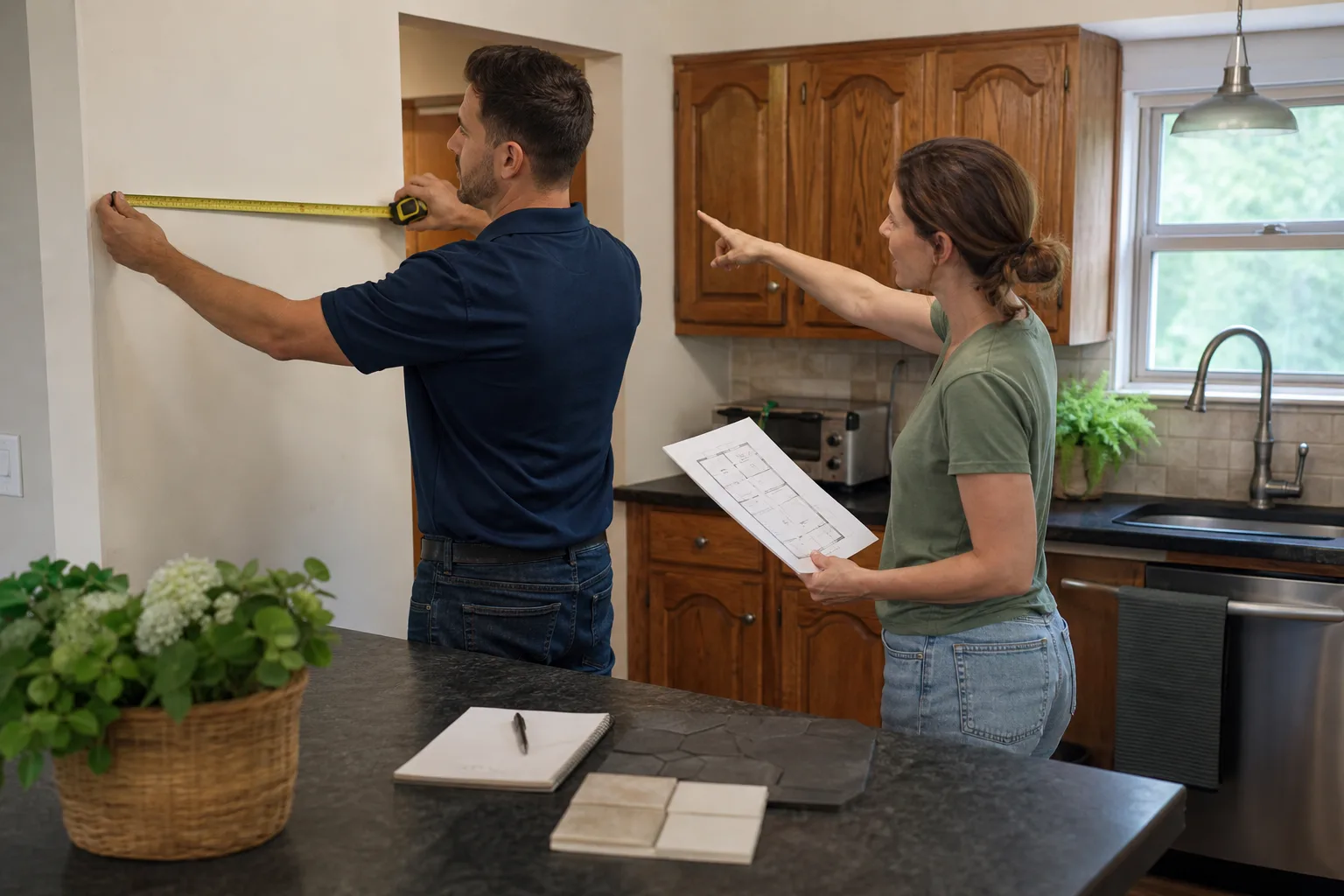
Last updated November 17, 2026








Free written scope consultation - allowances, timeline, and change-order rules on paper before a single trade is scheduled
General Contractor Troubleshooting: Common Problems and How to Fix Them
The most common complaint filed with the Florida Department of Business and Professional Regulation against contractors isn’t shoddy work. It’s abandonment after partial payment. A homeowner hands over a draw, the crew stops showing up, and the only thing left in the driveway is a half-finished addition and a phone that goes to voicemail. In our experience across Coral Gables, the projects that go sideways almost always share the same root cause: thin documentation. This guide treats troubleshooting as a paperwork and communication problem first, a construction problem second. You’ll learn how to document issues so they’re enforceable, issue a written cure notice, read a lien waiver, handle a failed inspection, and pause or terminate a contract without losing your deposit.
Quick Answer
When a remodeling project runs into trouble, the fix is almost never a phone argument. It’s a written record: a dated, specific complaint in writing, delivered the way your contract requires, with a cure notice giving the contractor a defined window to correct the work. Florida law gives you room to pause or terminate, but only if you’ve documented the breach and protected your payments. The construction problem comes second. The paper trail comes first.
Styles & brands we work with
- Kitchen remodeling
- Bathroom remodeling
- Home additions & ADU
- Roofing
- Windows & doors
- Driveway & pavers
- Fence
Table of Contents
- How do you document a mid-project problem so it’s enforceable?
- How do you write a cure notice to a contractor in Florida?
- How do you read a lien waiver at each draw payment?
- What happens when work fails inspection, and who pays?
- How do you pause or terminate a contract without forfeiting your deposit?
- What do you do when the schedule keeps slipping?
- How do you stop change orders from ballooning the price?
How Do You Document a Mid-Project Problem So It’s Enforceable?
A verbal complaint is not a record. It’s a conversation the contractor can describe however they like later. If you want a problem corrected – or you want your money back when it isn’t – you need a document with a date, a specific description, and proof it was received. In Coral Gables, where plenty of homes are pre-1950s Mediterranean revival with plaster walls and non-standard framing, “the wall looks wrong” won’t cut it. “The new furring strips on the north wall of the second bedroom are 16 inches on center but the plan specifies 12, and the drywall is already showing deflection” is a record.
Here’s how to build one:
- Photograph with context. A close-up of a crack tells nobody anything. Take one wide shot showing the room and the plan, then a close shot of the defect. Date-stamp every photo.
- Write it down in neutral language. Describe what the plan or contract specifies, what was actually installed, and where the two diverge. No adjectives. No “unacceptable.” Just facts.
- Send it the way the contract says. Most Florida contracts specify written notice by email or certified mail. A text message may not count. Read the notice clause before you send anything.
- Keep a project log. A running document with dates, who was on site, what was discussed, and what was promised. When a dispute escalates, this log is worth more than any single photo.
If your contractor hands you a written price before work starts – which is how Bradford Remodeling Co Coral Gables operates on every job – you already have the baseline document you need. The written scope becomes the ruler you measure every problem against. Without it, you’re arguing about a memory.
How Do You Write a Cure Notice to a Contractor in Florida?
A cure notice is a formal written demand that the contractor correct a specific breach within a set time, or face the consequences spelled out in the contract. It’s the single most useful document a homeowner can send, and almost nobody sends one. The reason matters: once you’ve issued a proper cure notice and the contractor fails to respond, you’ve established a documented breach that supports pausing work, withholding a draw, or terminating. Without it, a termination can look like you walked away and owe the contractor.
The language should be plain and specific. A workable template reads roughly like this:
- Reference the contract. “This notice concerns the remodeling agreement dated [date] for the property at [address].”
- Identify the breach. “Section 4 of the scope specifies James Hardie siding on the rear elevation. The material installed on [date] is [describe]. This does not match the specified product.”
- State the standard. Reference the plan, the permit drawings, or the manufacturer’s installation instructions – all of which are objective documents, not your opinion.
- Demand cure with a deadline. “Please correct this within ten (10) business days of receipt of this notice.” Ten days is common; your contract may specify a different window.
- State the consequence. “If the work is not corrected within this period, we will exercise our rights under Section [X] of the agreement, which may include pausing work and withholding further payment until the item is resolved.”
- Send it traceably. Certified mail with return receipt, plus email if the contract allows. Keep both.
Send one cure notice per issue, not one omnibus letter. It’s easier for a contractor to respond to, and it’s cleaner if the dispute ever lands in front of a mediator or the DBPR. In Coral Gables, where many homes sit inside historic districts and exterior work has to match approved drawings, a cure notice tied to the permit set carries extra weight. The city has already signed off on what the work should look like.
How Do You Read a Lien Waiver at Each Draw Payment?
A lien waiver is a document where a contractor or subcontractor gives up the right to file a mechanics lien against your property in exchange for payment. In Florida, liens are powerful: an unpaid subcontractor can place a lien on your home even if you paid the general contractor in full. The waiver is your proof that the money actually reached the people who did the work.
There are two types, and the difference matters:
- Conditional waiver. The sub gives up lien rights only once the check actually clears. This is what you want at each draw, because it protects you if a payment bounces.
- Unconditional waiver. The sub gives up lien rights immediately, whether or not the money arrives. Only accept this after you have confirmation the funds cleared.
At every draw payment, collect a waiver from the general contractor and from each subcontractor and supplier who worked during that period. Match the waiver amount to the payment. If a sub worked $9,000 worth of labor and hands you a waiver for $6,000, ask why. In our experience, the gap is where liens get filed six months later, usually right when you’re trying to sell or refinance.
Keep every waiver in one folder alongside the draw request it corresponds to. If a supplier ever files a lien, that folder is your defense. It’s also the fastest way to catch a general contractor who’s robbing Peter to pay Paul – paying the plumber late to cover the electrician, a pattern that shows up as waivers that never quite match the schedule of values.
What Happens When Work Fails Inspection, and Who Pays?
When work fails a municipal inspection, the contractor who pulled the permit is responsible for the correction. That’s the short answer, and it holds in Coral Gables the same as anywhere in Miami-Dade County. The permit holder – not the homeowner – is on the hook for bringing the work into compliance and paying for any re-inspection fees. If the contractor tries to bill you for a failed inspection, push back in writing and reference the permit and the inspection report.
The correction timeline depends on what failed:
- Rough-in failures (framing, electrical, plumbing, mechanical before drywall) are usually resolved within days. The work is still open, so a fix is straightforward. Ask the contractor to schedule the re-inspection before drywall goes up.
- Final inspection failures take longer because the work is closed. A failed final on a bathroom rough-in might mean opening a wall. Ask for a written correction plan with dates before anyone touches a tool.
- Code interpretation disputes happen more in older Coral Gables homes, where the existing structure predates current code. A licensed contractor can request a written interpretation from the building department, and that interpretation becomes part of the record.
Always get the inspection report in your hands. Read it yourself. Don’t rely on the contractor’s summary. The report is a public document and it names the specific code section that failed. That specificity is what makes the correction enforceable.
How Do You Pause or Terminate a Contract Without Forfeiting Your Deposit?
Florida law gives homeowners a path to pause or terminate a remodeling contract, but the path runs through documentation. The statute that governs home improvement contracts (Chapter 489, Part I of the Florida Statutes) requires written contracts above a threshold amount and lays out the homeowner’s rights when a contractor breaches. It does not give you the right to simply stop paying and walk away. That can be treated as your breach.
Here’s the sequence that protects your deposit:
- Issue a cure notice first. You need a documented breach and a failed cure window before termination is defensible.
- Pause rather than terminate if you can. A written suspension of work, citing the specific breach, is often enough to bring a contractor to the table. It stops the clock on payments without ending the relationship.
- Terminate in writing, citing the contract. Reference the specific clause that allows termination for breach, the cure notice you sent, and the date the cure window expired. Send it certified mail.
- Demand an accounting of your deposit. In writing, ask for a line-item reconciliation of funds spent against work completed. A contractor who has done honest work can produce this. One who can’t has a problem.
- Escalate to the DBPR if needed. File a complaint with the Florida Department of Business and Professional Regulation. The complaint process is slow, but it creates a record and can lead to discipline against the contractor’s license.
The deposit question is where most homeowners lose ground. If you’ve paid more than the value of work completed, you’re owed a refund. If you’ve paid less, the contractor is owed the difference. The written accounting is what settles it. Bradford Remodeling Co Coral Gables builds every project around a written price before work starts precisely because it eliminates the deposit dispute. There’s no number that moves at the door.
What Do You Do When the Schedule Keeps Slipping?
Schedule creep is the quiet problem. Nobody calls it a crisis, but a kitchen that was supposed to take six weeks and is now in month four has cost you in ways the contract doesn’t capture. In Coral Gables, the delay patterns are specific: permit reviews for work in the historic districts can add weeks, and the rainy season from June through September compresses exterior work into narrow windows. A contractor who doesn’t account for both is telling you something about how they plan.
What to do, in order:
- Ask for a written recovery schedule. Not a verbal “we’ll catch up.” A dated schedule listing each remaining milestone with target dates. Put it in the project log.
- Identify the actual bottleneck. Is it materials? Labor? Permits? Inspections? The answer determines the fix. A cabinet delay on a KraftMaid order is solvable with a confirmed ship date from the manufacturer. A labor delay usually means the contractor is overextended.
- Reference the contract’s completion clause. Most contracts specify a substantial completion date or a stated duration. If the contract has a liquidated damages clause, now is the time to raise it in writing – calmly.
- Escalate only after documentation. Send a written notice of delay, cite the contract, ask for the recovery schedule by a specific date. That’s the prelude to a cure notice, not a substitute for one.
One detail worth checking: the permit expiration date. A Coral Gables permit that lapses because the contractor stopped calling for inspections is a problem that lands on you. Confirm in writing that inspections are scheduled and the permit is active.
How Do You Stop Change Orders From Ballooning the Price?
A change order is a written amendment to the scope and price. Done properly, it protects both sides. Done badly, it’s how a $60,000 kitchen becomes a $95,000 kitchen with no clear record of what changed. The fix is a rule: no work happens without a signed change order first. Not a text, not a conversation on site, not a handshake. A signed page with the scope, the price, and the effect on the schedule.
What a proper change order includes:
- The specific change in scope, described in trade terms. “Upgrade from a Kohler standard bath faucet to a Kohler Purist widespread faucet in polished chrome.” Not “upgrade faucet.”
- The price in dollars, line-itemed, with any credit for the deleted item shown separately. “Delete standard faucet: -$X. Add Purist faucet: +$Y. Net change: $Z.”
- The schedule impact in working days, if any. A special-order fixture with an eight-week lead time needs to be on the change order as a delay, not a surprise.
- Signatures from both parties and a date. No exceptions.
In our experience, the change orders that cause fights are the ones that got done on a handshake and priced later. A written price before any work starts is non-negotiable at Bradford Remodeling Co Coral Gables – that includes change orders. If your contractor won’t put a change in writing, that’s your answer about how the rest of the job will go.
Common Mistakes to Avoid
- Paying ahead of progress. Handing over the next draw before the previous one is completed and inspected is the single fastest way to lose leverage. Pay for what’s done, verified in writing.
- Accepting verbal change orders. Every change should be on paper with a price and a signature. In Coral Gables, where special-order finishes for Mediterranean homes often carry long lead times, verbal changes are how budgets die.
- Skipping lien waivers at draw time. Collecting waivers later is almost impossible. Get them with every payment, from the general contractor and every sub on site.
- Firing a contractor without a cure notice. A termination without documented breach can be treated as your breach. Send the cure notice first, wait out the window, then act.
- Ignoring the permit file. Coral Gables permits carry expiration dates and inspection sequences. Check the city’s online permit portal yourself. Don’t assume the contractor is managing it.
- Sending complaints by text only. Texts are not notice under most contracts. Put the complaint in writing the way the contract requires and keep the receipt.
- Assuming a low bid means a low final price. The bid is the opening number. What matters is whether the final number is locked in writing before work starts. Ask for it in writing, every time.
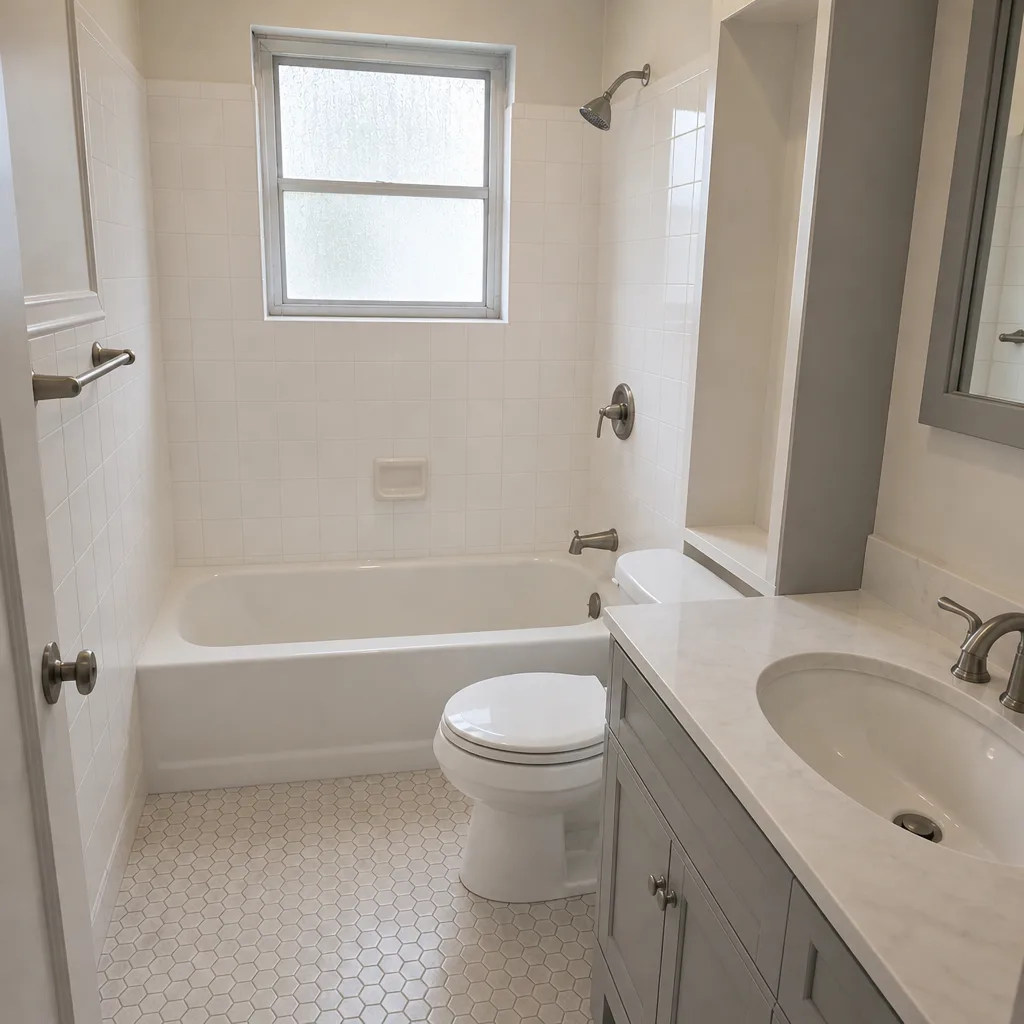
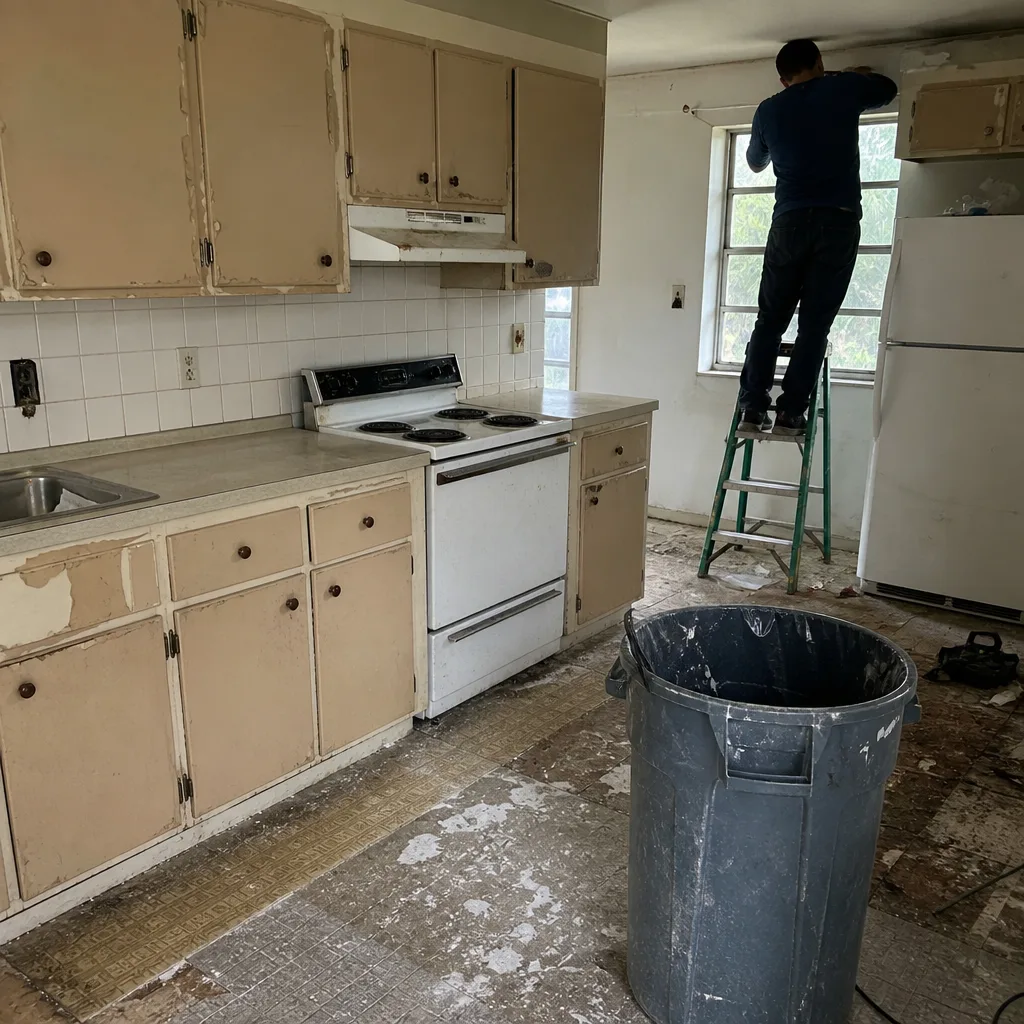
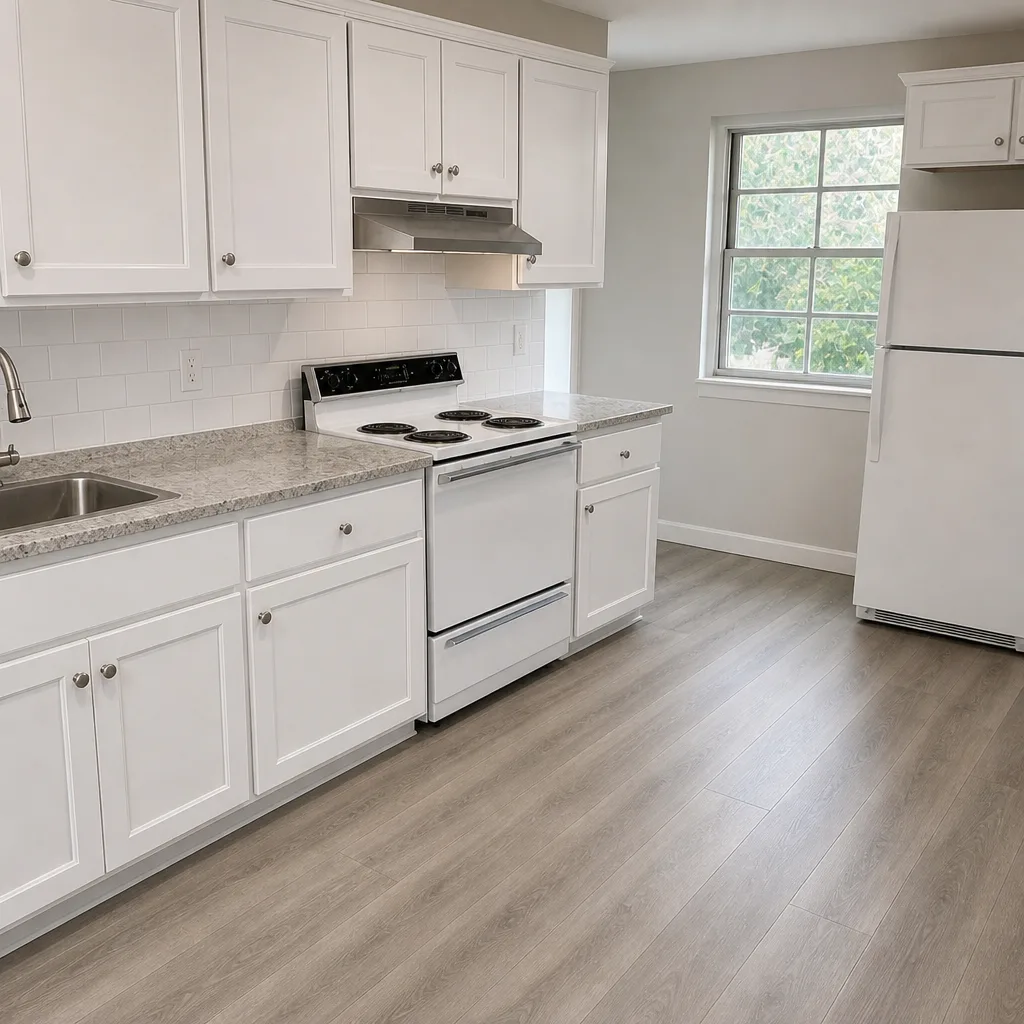
See the difference
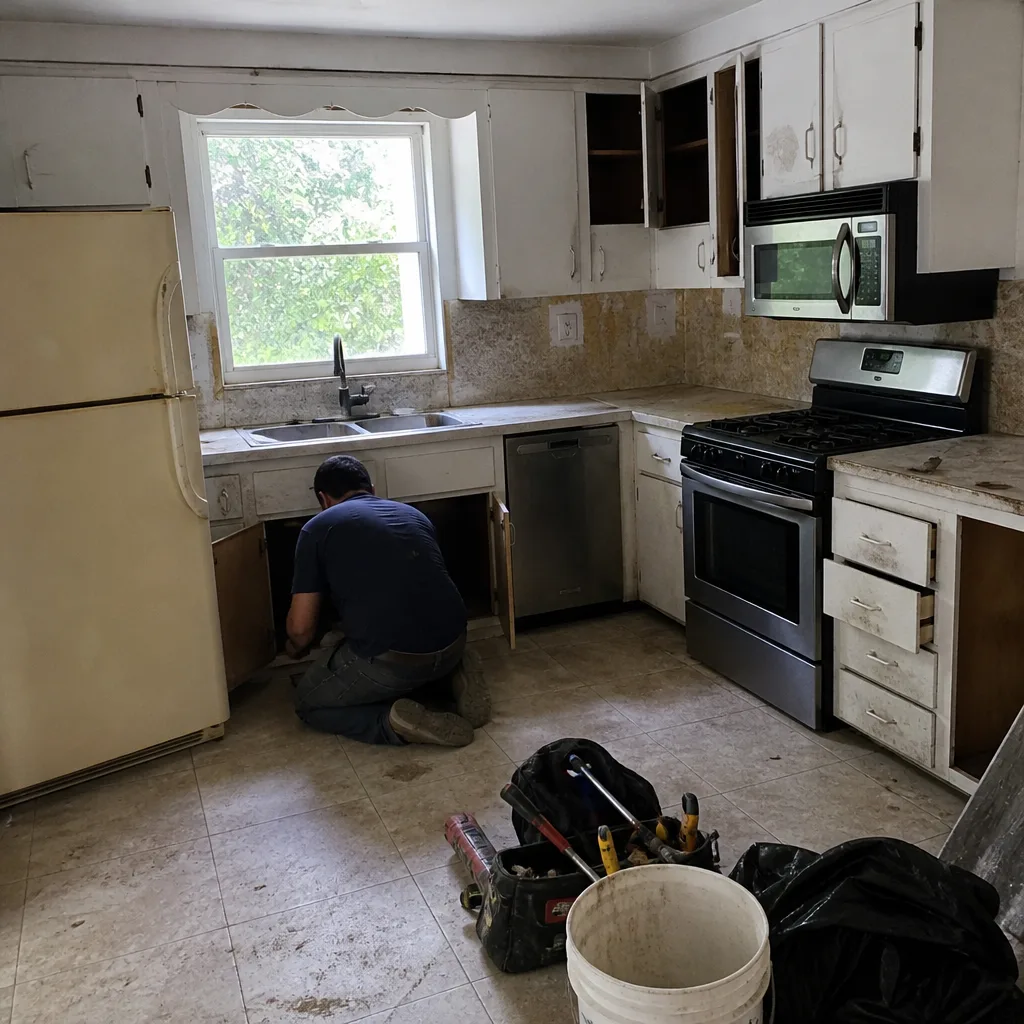 Before
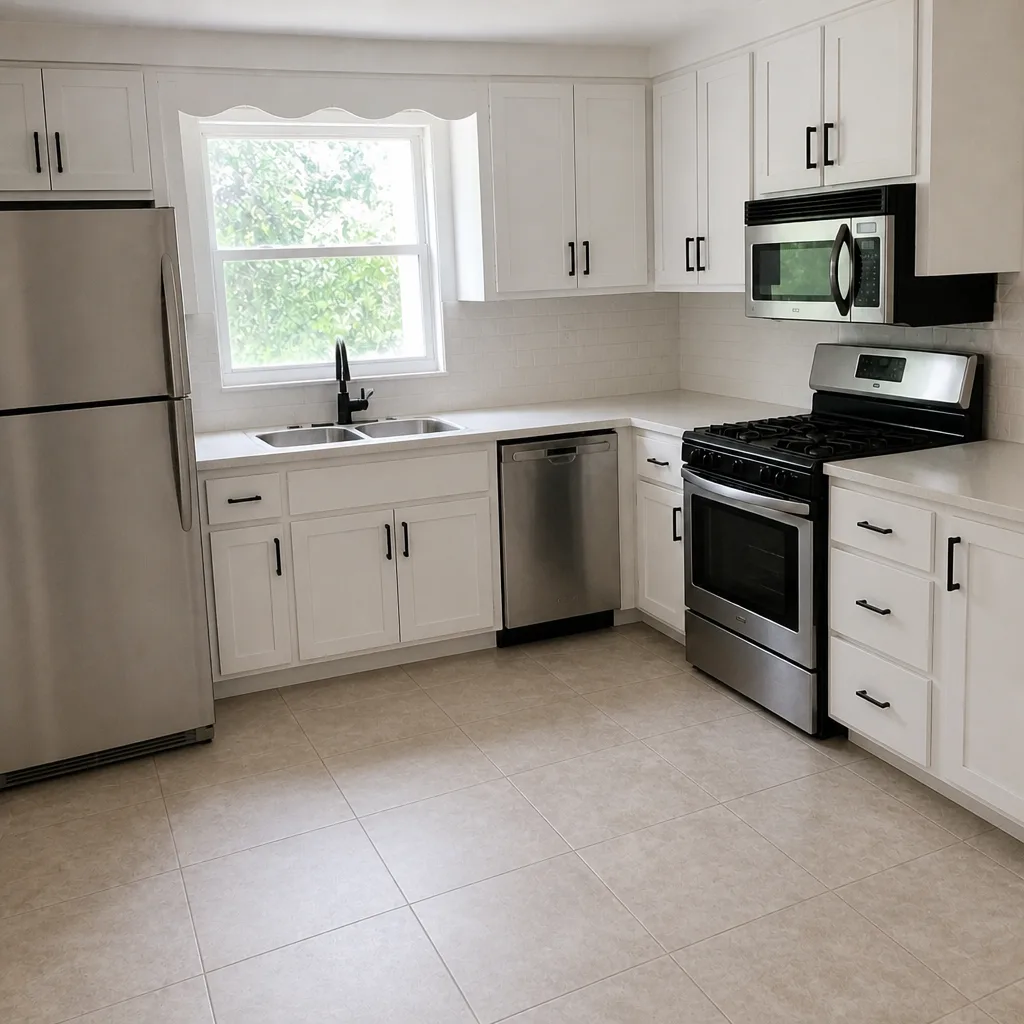 After
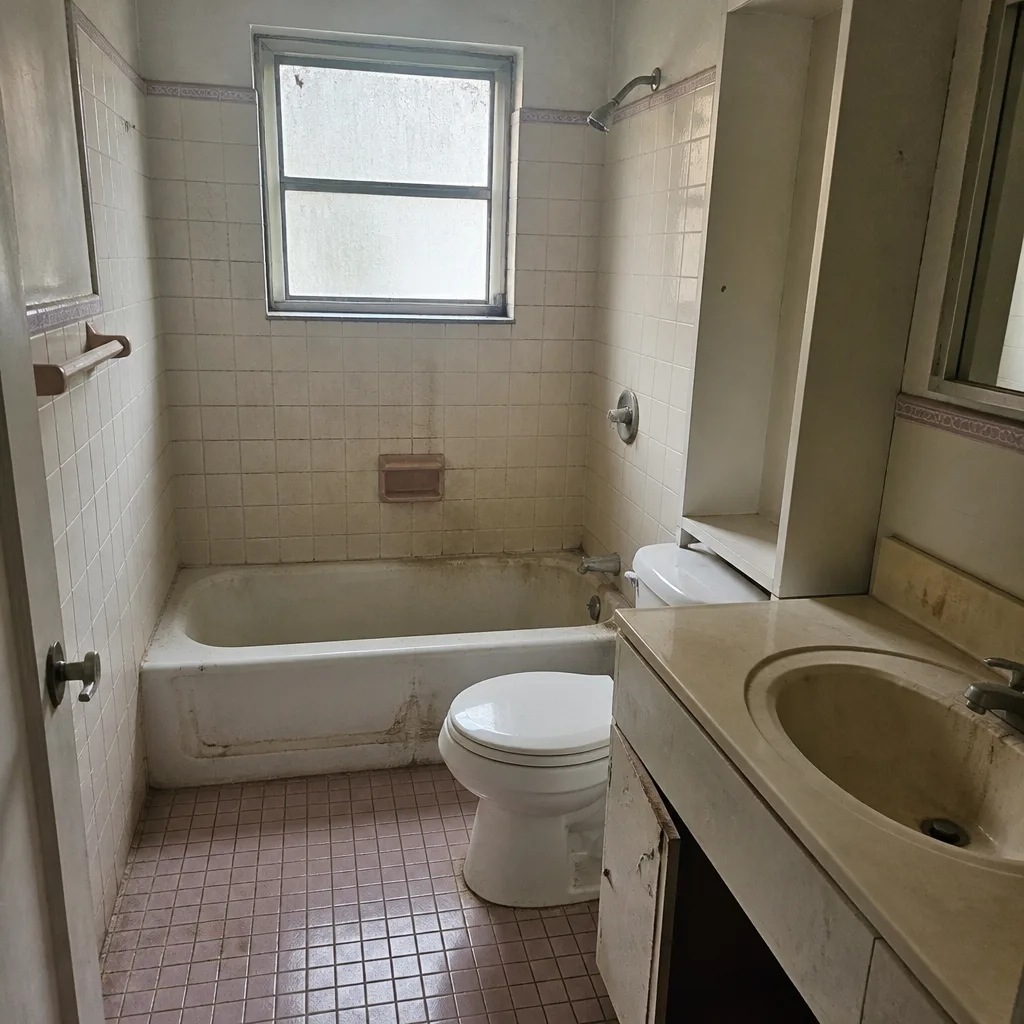 Before
 After
 Before
 After
When to Call a Professional
Some problems are paperwork problems, and some are structural. Call a licensed professional when you’re looking at load-bearing modifications, a failed rough-in inspection that requires opening walls, water intrusion that has spread into the framing and substrate, or an electrical change that touches the panel. In Coral Gables, older homes built with concrete block and interior plaster often hide problems until the drywall comes off, and those are not weekend fixes. They’re scope problems. They need a licensed contractor, a written price, and a guaranteed correction path.
Bradford Remodeling Co Coral Gables offers free estimates in Coral Gables – call (833) 510-5367. Every price is written before work starts, and every completed project carries the 365-Day Done Right Promise: if the work fails within a full year, we return and correct it at no charge. Learn more about how we approach general contracting in Coral Gables, kitchen remodeling in Coral Gables, and bathroom remodeling in Coral Gables.
Frequently Asked Questions

Write it down and send it the way your contract requires. A dated, specific written complaint is the foundation for every other remedy – a cure notice, a payment pause, or a termination. In our experience, homeowners who document first resolve issues faster, because the contractor knows there’s a record. Call (833) 510-5367 if you want a second opinion on the scope before you act.
There is no single statutory deadline. The window comes from your contract or from the cure notice you issue. A common cure window is ten business days, but your contract may specify something different, and you can set your own if it’s reasonable. State the deadline in writing and send it traceably. Call (833) 510-5367 for a free estimate if you need the scope reviewed.
No, if the issue is a documented breach and you’ve issued a written cure notice. You can pause the next draw until the item is corrected. The key word is documented. A payment pause based on a phone argument looks like your breach; one based on a written cure notice looks like enforcement. Get the notice in writing first.
A conditional lien waiver becomes effective only when your payment clears. It protects you from a subcontractor filing a lien on your Coral Gables home after you’ve already paid the general contractor in full. Collect one at every draw from every sub and supplier who worked during that period. Match the waiver amount to the payment amount.
The contractor who pulled the permit is responsible for the correction, including re-inspection fees. Read the inspection report yourself – don’t rely on a summary. If the contractor tries to bill you for a failed inspection, push back in writing and cite the permit. The report names the specific code section that failed, which makes the correction enforceable.
Yes, if you’ve documented a breach and given the contractor a reasonable cure window that expired without correction. Send written termination citing the specific contract clause, demand a line-item accounting of your deposit against work completed, and file a complaint with the DBPR if the accounting doesn’t add up. Terminating without documentation is the mistake that costs homeowners their deposit.
The Bottom Line
Most contractor problems are documentation problems. The cure notice, the lien waiver, the inspection report, the signed change order, the written accounting – these documents are what turn a dispute into a solvable issue. In Coral Gables, where older homes and historic district reviews add complexity, the paper trail matters even more. Our advice on Bradford Remodeling Co Coral Gables home applies to every project: put the price in writing before work starts, document every step, and hold the crew to the guarantee. That’s how you stay squared away from bid to final walkthrough.
Call (833) 510-5367 for a free estimate. We answer every call with a live person, every day and every hour. Written pricing before work starts, background-checked technicians on every job, and the 365-Day Done Right Promise on every completed project. If the work fails inside a full year, we come back and fix it at no charge.
Written by the team at Bradford Remodeling Co Coral Gables.