Last updated November 17, 2026



Free written scope consultation - allowances, timeline, and change-order rules on paper before a single trade is scheduled
Construction Permits, Codes & Inspections in FL: What You Need to Know
Here’s the part almost nobody tells homeowners: if a contractor pulls a permit in your name without your explicit written authorization and then walks off the job, you are the permit holder of record. That means the county looks to you to finish the work to code and formally close that permit. Not the contractor who vanished. You. Florida’s building code is among the strictest in the country, largely because of hurricane risk, and most homeowners only meet it at the worst possible moment: a failed inspection that stops a project cold. This guide walks the full permit lifecycle in Coral Gables and across Florida, from the building permit to the Notice of Commencement to the Certificate of Occupancy, and shows you how to use each one as protection rather than paperwork.
Quick Answer
In Florida, most structural, electrical, plumbing, and mechanical work requires a building permit, and the property owner – not the contractor – is ultimately responsible for the permit being closed correctly. A Notice of Commencement protects your legal and payment standing once work starts above the statutory threshold, and a Certificate of Occupancy or final inspection sign-off is the only proof the work is legally done. Skipping any of the three can complicate your insurance, your resale, and your ability to sell with a clean title.
Styles & brands we work with
- Kitchen remodeling
- Bathroom remodeling
- Home additions & ADU
- Roofing
- Windows & doors
- Driveway & pavers
- Fence
Table of Contents
- Building Permit vs. Notice of Commencement vs. Certificate of Occupancy
- Florida Building Code Hurricane Provisions That Apply in Coral Gables
- What “Substantial Improvement” Means in a Flood Zone
- How to Track Your Permit Through the Coral Gables Building Division
- What Each Inspection Milestone Actually Means
- What Unpermitted Work Does to Your Resale
- Common Mistakes to Avoid
- When to Call a Professional
Building Permit vs. Notice of Commencement vs. Certificate of Occupancy
Homeowners often treat these as the same document. They aren’t, and mixing them up is where trouble starts.
A building permit is the jurisdiction’s authorization to do the work. It establishes a scope, ties that scope to a specific property and legal description, and generates the inspection schedule that follows. In Coral Gables, a residential remodel that touches structure, mechanical systems, or exterior openings triggers one. So does almost anything affecting the building envelope.
A Notice of Commencement is a separate recorded document. Under Florida Statute 713, on construction work above the statutory dollar threshold, the owner records a Notice of Commencement with the county before the work begins. It notifies the world that improvements are underway and sets up the legal framework for mechanic’s liens. If a subcontractor isn’t paid and a Notice of Commencement was properly recorded, that sub can lien the property. If a homeowner skips it or lets a contractor handle it improperly, they can end up paying twice for the same materials.
A Certificate of Occupancy (or a final inspection sign-off on smaller scopes) is the closing document. It’s the jurisdiction’s statement that the work was inspected and meets code. Without it, the finished project is legally incomplete, even if it looks beautiful.
What each one protects:
- Building permit: Protects you from un-inspected work that a future buyer, insurer, or lender will question.
- Notice of Commencement: Protects you from double payment on materials and labor via liens.
- Certificate of Occupancy / final: Protects your ability to insure and sell without disclosures that flag open work.
When we quote a Coral Gables remodel, the permit number and the closing inspection are written into the schedule. That’s part of our general contractor work in Coral Gables, and it isn’t optional.
Florida Building Code Hurricane Provisions That Apply in Coral Gables
The Florida Building Code, 7th Edition (2020), is the current code baseline across the state. Miami-Dade and Broward have historically carried additional High-Velocity Hurricane Zone (HVHZ) requirements, and Coral Gables sits squarely in the wind-borne debris region where those protections matter.
Three provisions trip up remodels most often:
- Impact-rated openings. Windows, doors, and skylights in the wind-borne debris region must meet impact or large-missile resistance standards, or the home must have an approved shutter system. When a remodel replaces 25% or more of a home’s opening area, the code can require the whole opening envelope to be brought to current standard. A kitchen remodel that involves swapping a window wall can pull this trigger.
- Roof-to-wall connections. If a roof is replaced or substantially repaired, the connection between the roof framing and the wall framing must meet current uplift requirements. On older Coral Gables homes – many built between the 1920s and 1960s – those connections often use older nailing patterns and won’t pass without retrofit hardware.
- Secondary water barrier and roof deck attachment. New roof installations require an underlayment system and fastener schedule that meet current code. A “patch job” over an existing failing deck won’t typically pass inspection.
What this means practically: a simple interior remodel in Coral Gables rarely touches the hurricane provisions. A remodel that changes the building envelope, replaces the roof, or alters window openings often does. A contractor who hasn’t priced the potential impact-rated window upgrade into the original scope is setting you up for a change order once the inspector walks the site. Talk to anyone who has remodeled in Coral Gables and they’ll tell you the same thing: system specifications for windows and doors are worth reviewing on paper before the first one is ordered.
For product specification on impact-rated openings, brands like ES Windows and CWS make documented impact products that meet the Florida Product Approval system. We list product specifications in writing so there’s no ambiguity about what’s being installed.
What “Substantial Improvement” Means in a Flood Zone
If you own a home in a Coral Gables flood zone – and sizable sections of the city sit in AE or VE zones near the coast and the Coral Gables Waterway – then a remodel can suddenly require you to bring the entire structure into current flood code compliance. The trigger is called substantial improvement.
FEMA and local floodplain administrators define substantial improvement as any reconstruction, rehabilitation, addition, or improvement where the total cost equals or exceeds 50% of the property’s pre-improvement market value. The 50% denominator is set by the county’s most recent assessed value or a professional appraisal. If you cross that threshold, the whole building must be brought into floodplain compliance, which in Coral Gables can mean elevating mechanical equipment, adding flood vents to enclosed areas below base flood elevation, and in some cases elevating the structure itself.
Why this matters more than most homeowners realize:
- A gut remodel can push a mid-size home past the 50% mark once structural, mechanical, and envelope work are added together.
- Improvements required to correct existing code violations do not count toward the 50% threshold, but improvements done at the same time often do.
- Floodplain administrators look at cumulative improvements over a defined lookback window, not just the current permit.
In our experience in Coral Gables, a whole-home remodel near the water should get a substantial improvement review from the floodplain administrator before the design is finalized. Waiting until the plans are done and priced is how projects stall in month two.
How to Track Your Permit Through the Coral Gables Building Division
Coral Gables runs a public permit portal through its Building Division, and any homeowner can check status on their own permit without asking the contractor. That’s a real advantage most people don’t use.
Here’s the tracking sequence we walk homeowners through:
- Get the permit number and the property’s folio number. The permit number is assigned when the application is processed. The folio number comes from the county property appraiser’s records. Keep both.
- Log into the Coral Gables Building Division portal. Search by permit number or property address. You’ll see the permit’s status (Application, Issued, Inspections in Progress, Finaled, Expired).
- Review the inspection history. Every inspection is logged with a pass, fail, or partial result and the inspector’s notes. If a sub failed rough-in and never got a re-inspection, that shows up here, not in the contractor’s weekly text message.
- Watch the expiration date. Florida permits can expire if no inspection activity occurs within the statute-defined window, typically six months. An expired permit means the work must be re-permitted, sometimes at additional cost.
- Confirm the final inspection is scheduled. The permit isn’t closed until the final inspection passes and the certificate of occupancy (or final sign-off) is issued. A “we’re done” from the field crew means they’re done with their trades, not that the permit is closed.
A homeowner who checks the portal twice a month is a homeowner who catches problems early. We provide the permit number and the milestone schedule at kickoff in Coral Gables because it protects both sides.
What Each Inspection Milestone Actually Means
Every permit generates a series of inspections, and each one has a specific purpose. If you know what each one covers, you’ll know when the project is genuinely moving forward and when it’s stalled.
- Pre-construction / slab inspection: Reviews footings, foundation reinforcement, or slab prep before concrete is poured. Once concrete cures, you can’t correct what’s inside it.
- Rough-in inspections (framing, electrical, plumbing, mechanical): Conducted after walls are open but before insulation and drywall close them in. This is the single most important inspection sequence to get right because errors here get buried behind finished surfaces.
- Insulation and drywall inspection: Some jurisdictions require it; others fold it into rough-in sign-off. Verifies the thermal envelope before it’s sealed.
- Final inspection: Confirms the work matches the permitted scope and passes all trades. The permit can’t be closed without it.
- Certificate of Occupancy: The formal close-out document. Required for a completed, insurable, sellable project.
What a failed inspection actually costs: a re-inspection fee (varies by jurisdiction), a delay of days to weeks depending on the jurisdiction’s queue, and potentially a change order if the contractor didn’t price the correction. We schedule rough-in inspections before we close walls on every Coral Gables project, so a “fail” gets caught when it’s correctable, not after the tile is installed.
What Unpermitted Work Does to Your Resale
Here’s where unpermitted work turns into a real problem for a Coral Gables homeowner: it shows up in a title search. Miami-Dade County’s property records are searchable to any attorney or title agent, and any permit that was applied for but never finaled appears as an “open permit” against the property.
What happens when an open permit surfaces during a sale:
- The buyer’s attorney flags it. Standard Miami-Dade residential contracts require disclosure of unpermitted work, and a title search will show it whether or not it’s disclosed.
- The lender may refuse to fund. Many loan programs (FHA, VA, and most conventional products) won’t close on a property with open permits against the address.
- The buyer can demand a credit. Re-permitting and re-inspecting unpermitted work can cost thousands, and the buyer’s number is often higher than the actual cost because the risk premium is baked in.
- Your insurance company can deny a claim. If unpermitted electrical or plumbing work caused a loss – a fire, a leak – insurers have denied claims on the grounds the work was never inspected.
- It can slow title to months. Getting a permit retroactively closed usually requires a code violation inspection, correction of any deficiencies, and sometimes a full re-inspection of impacted trades.
We see this more often than we’d like in Coral Gables, and it’s entirely preventable. Before any work begins, ask for the permit number in writing. Before you pay the final invoice, ask for the final inspection date and the certificate of occupancy. If a contractor resists either, that’s the answer to whether you should hire them.
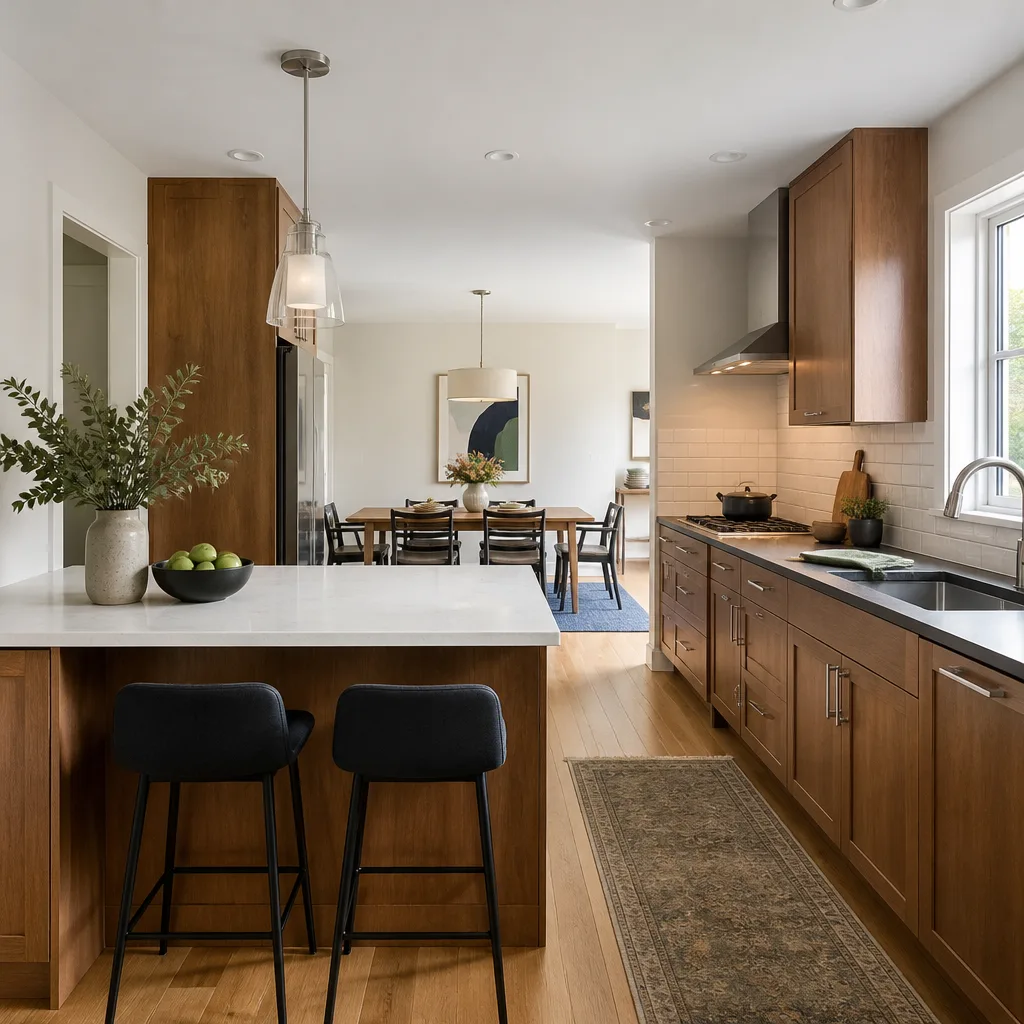
The same discipline carries into kitchens and baths, which is why our kitchen remodeling work in Coral Gables lists permit scope and inspection milestones in the original quote rather than adding them later.
Common Mistakes to Avoid
- Letting a contractor pull a permit in your name without written authorization. Some contractors do this to speed up paperwork. If they walk off, the open permit is yours to close. Require written authorization for any permit application on your property.
- Skipping the Notice of Commencement “to save paperwork.” It’s not optional on work above the statutory threshold in Florida, and if it’s missing or incorrect, a subcontractor can lien your property even after you’ve paid the general contractor in full.
- Assuming a completed-looking job is a closed permit. Final paint and trim don’t close a permit. Only the final inspection and certificate of occupancy do. Check the Coral Gables Building Division portal before you write the last check.
- Not checking flood zone status before designing a Coral Gables remodel. A substantial improvement finding can add five or six figures to a project with no advance warning. Confirm the flood zone and pull the assessed value before finalizing designs.
- Letting a roof or window scope skip hurricane provisions. On a Coral Gables home where the opening area crosses the 25% threshold, an impact-rated upgrade can be required. Getting a scope priced without that upgrade means a change order later.
- Ignoring a permit expiration notice. Florida permits expire without activity within the statutory window. An expired permit stops work and, depending on how far it lapsed, requires fresh application and fees.
- Accepting “we’ll finalize it later” on any inspection milestone. Rough-in failures that go uncorrected get buried behind drywall. Once they’re buried, correcting them means demolition.
When to Call a Professional
Some permit questions are yours to answer on the portal. Others need a licensed contractor in the room, and the difference matters. Call a professional when a scope involves structural change, a hurricane-code trigger on openings or roof connections, a substantial improvement calculation in a flood zone, an open permit you inherited on a home you just bought, or any work that pulls an electrical, plumbing, or mechanical trade license. Those are the four scenarios where DIY or unlicensed work almost always costs more than the licensed job – often at resale, which is the worst possible time to find out. We’ve seen Coral Gables homeowners walk a project to closing only to discover a 2019 open permit on the back bedroom. It’s the kind of problem that’s cheap to prevent and expensive to solve.
Bradford Remodeling Co Coral Gables offers free estimates in Coral Gables, with the permit scope, inspection milestone schedule, and written price documented before any work starts. Call (833) 510-5367 to schedule a free estimate.
Every completed project is covered by the 365-Day Done Right Promise: if the work doesn’t hold within a full year of sign-off, we return and correct it at no charge, in writing.
See the difference
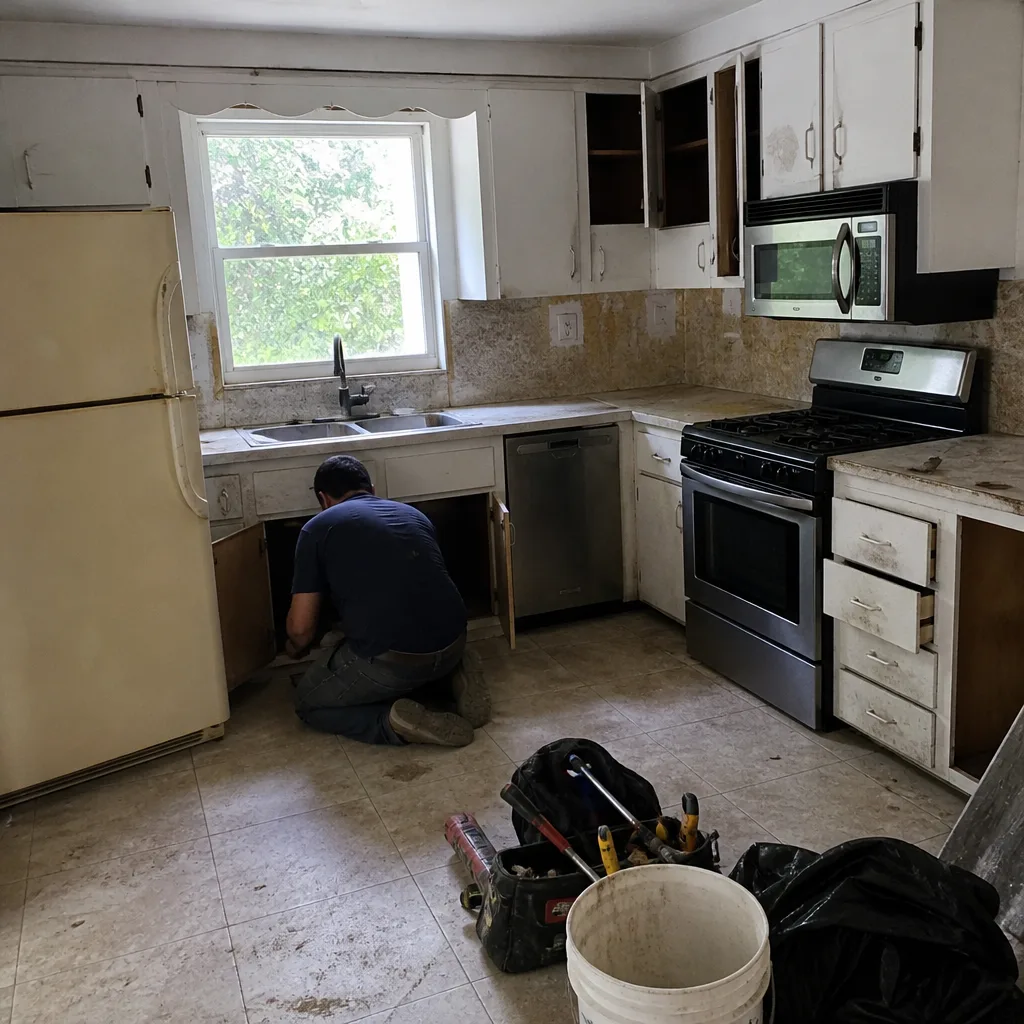 Before
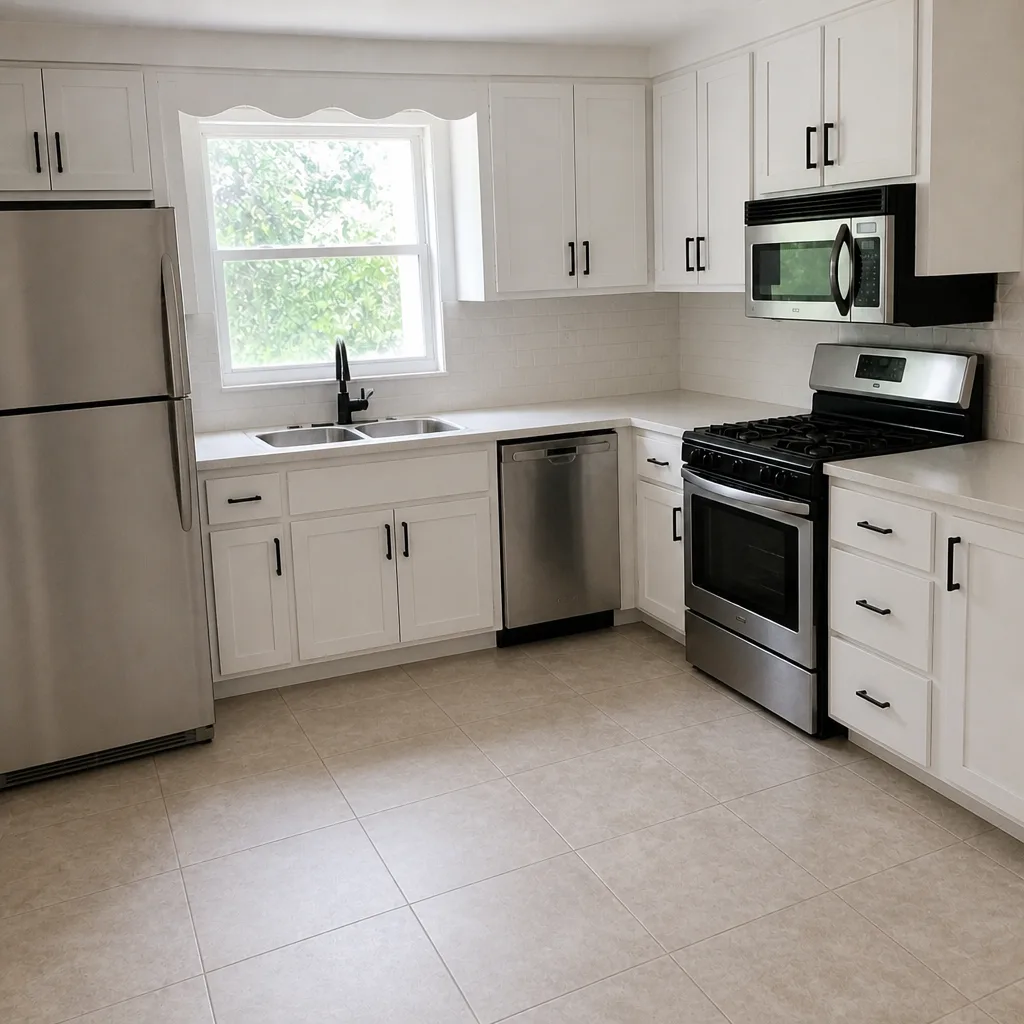 After
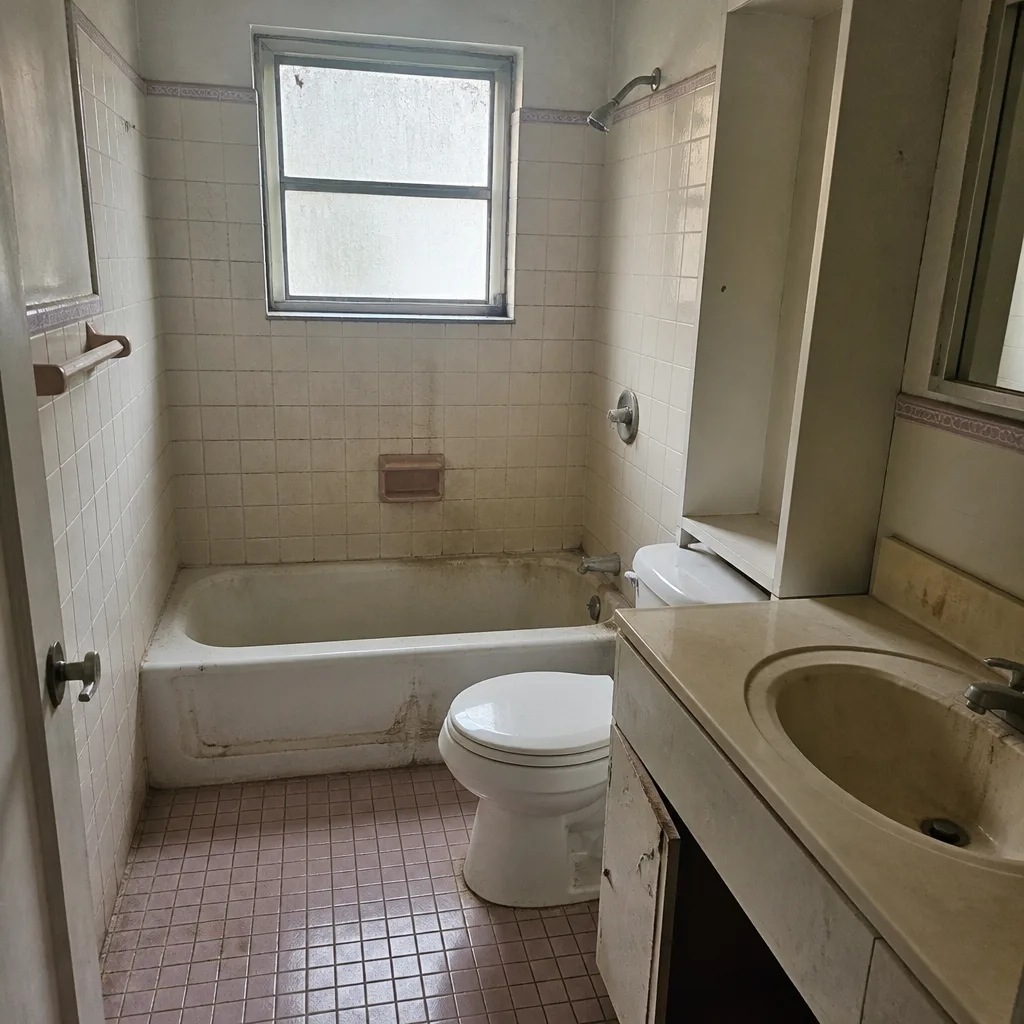 Before
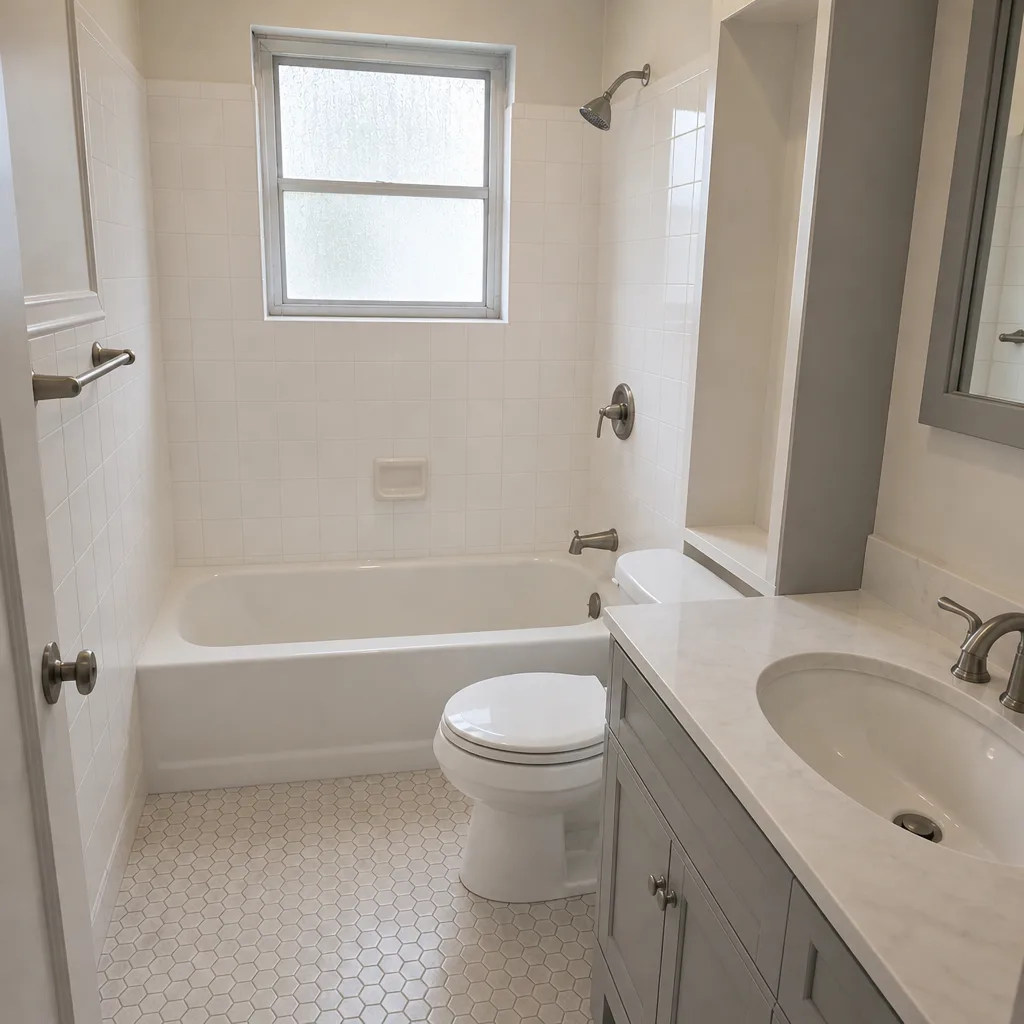 After
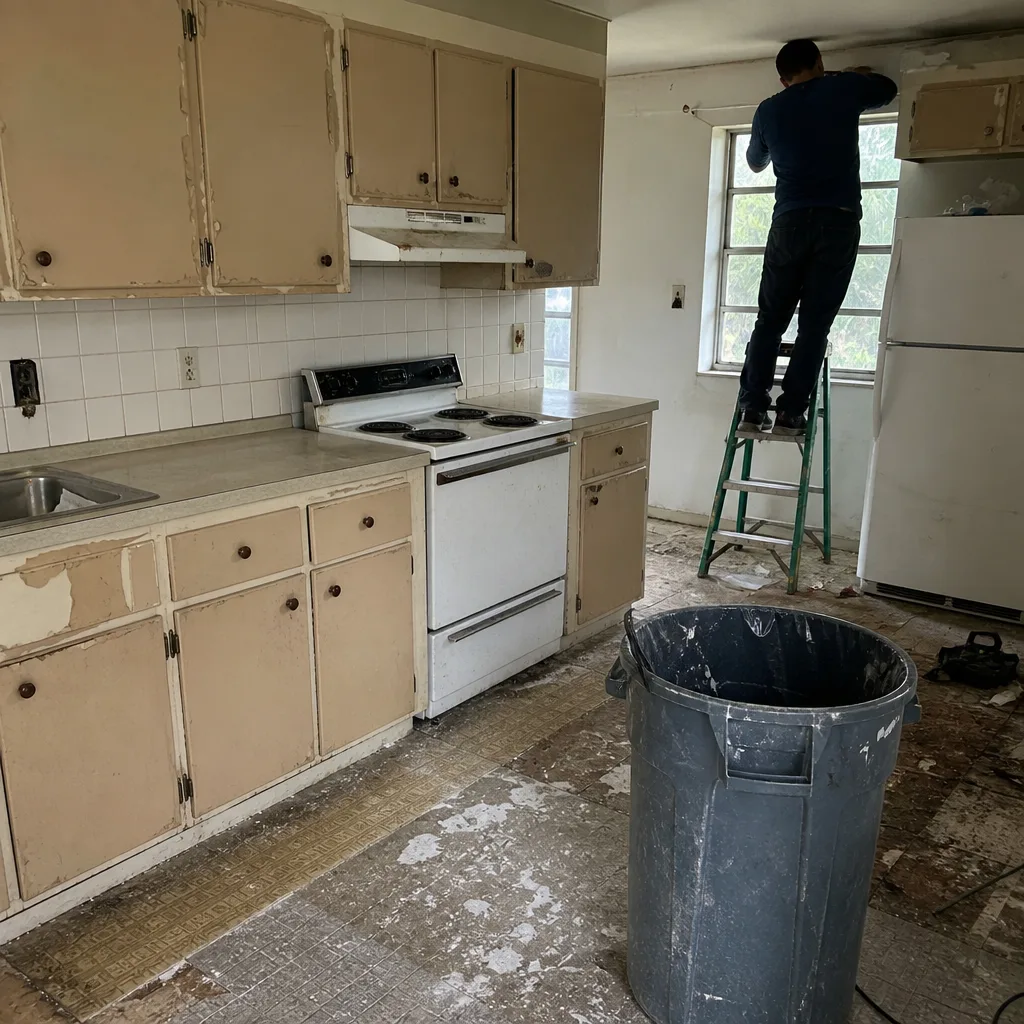 Before
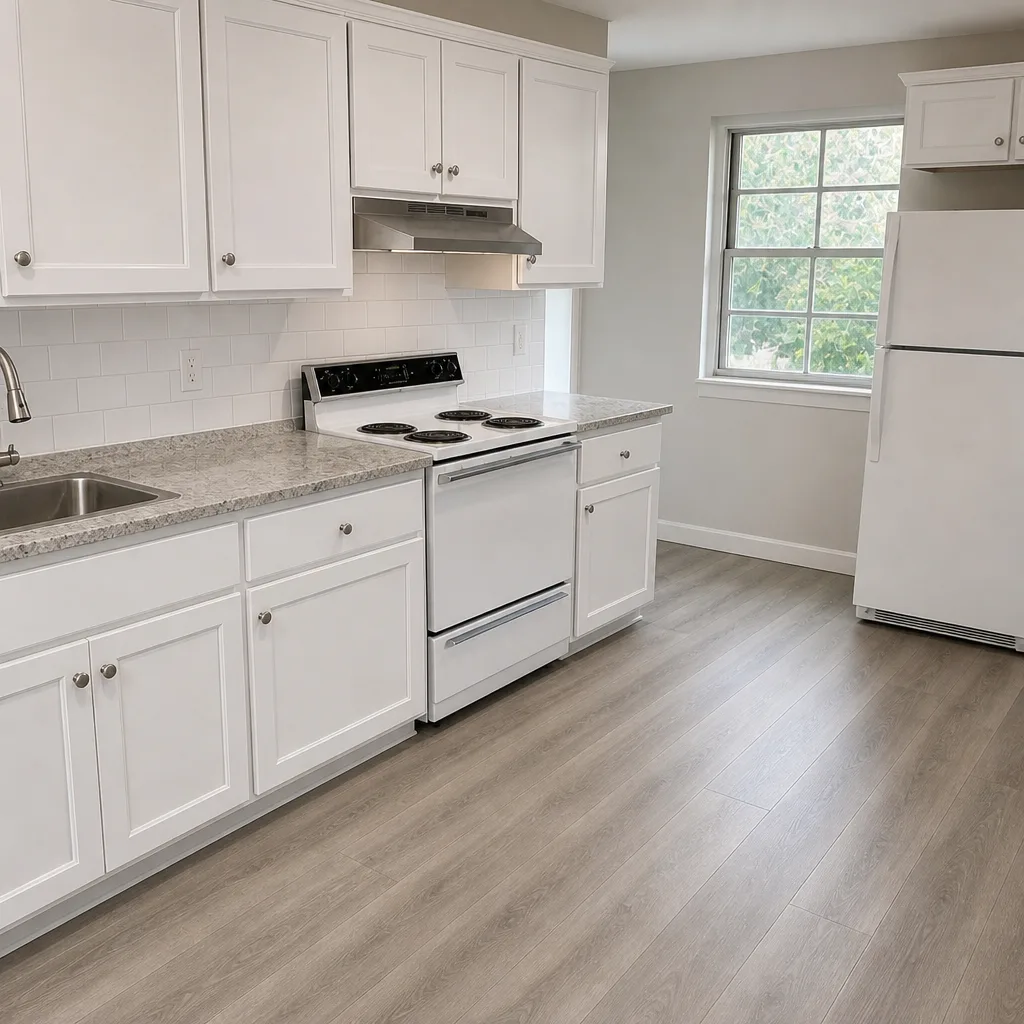 After
Frequently Asked Questions
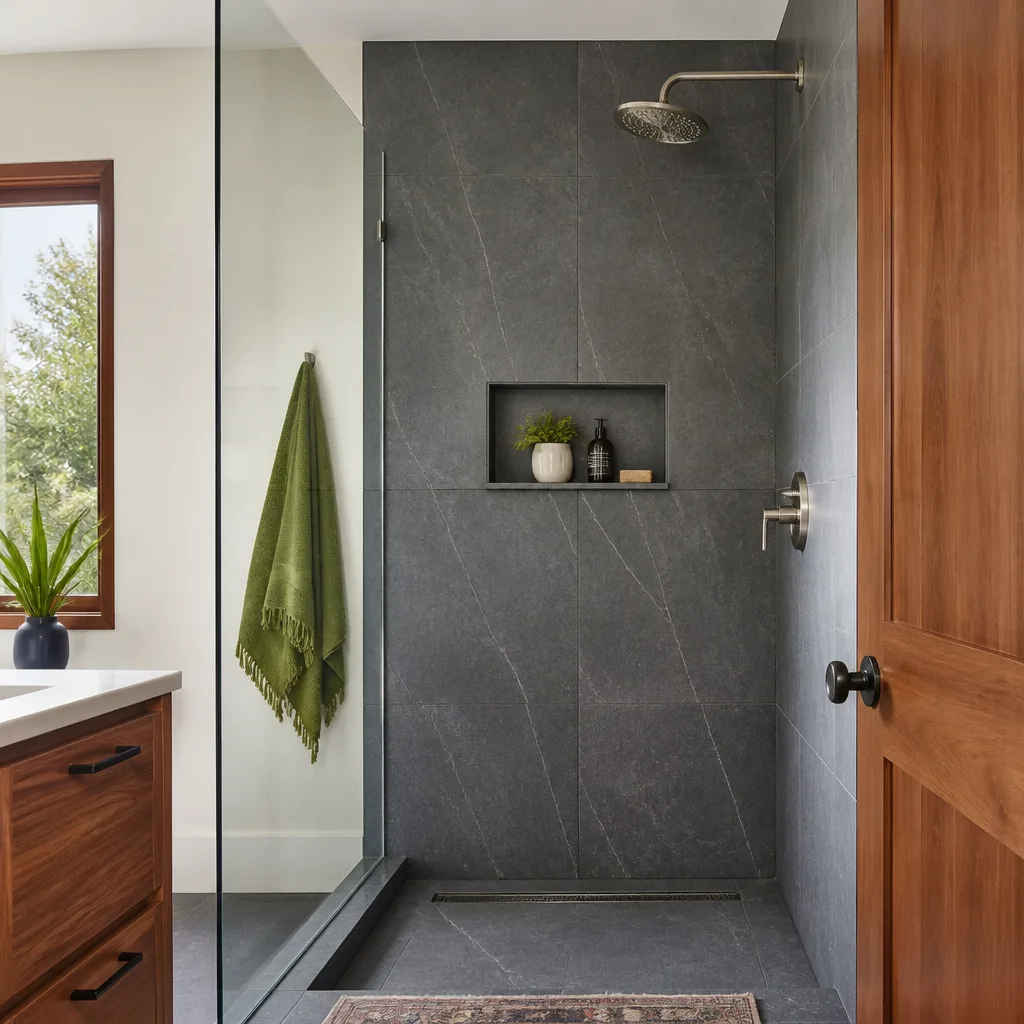
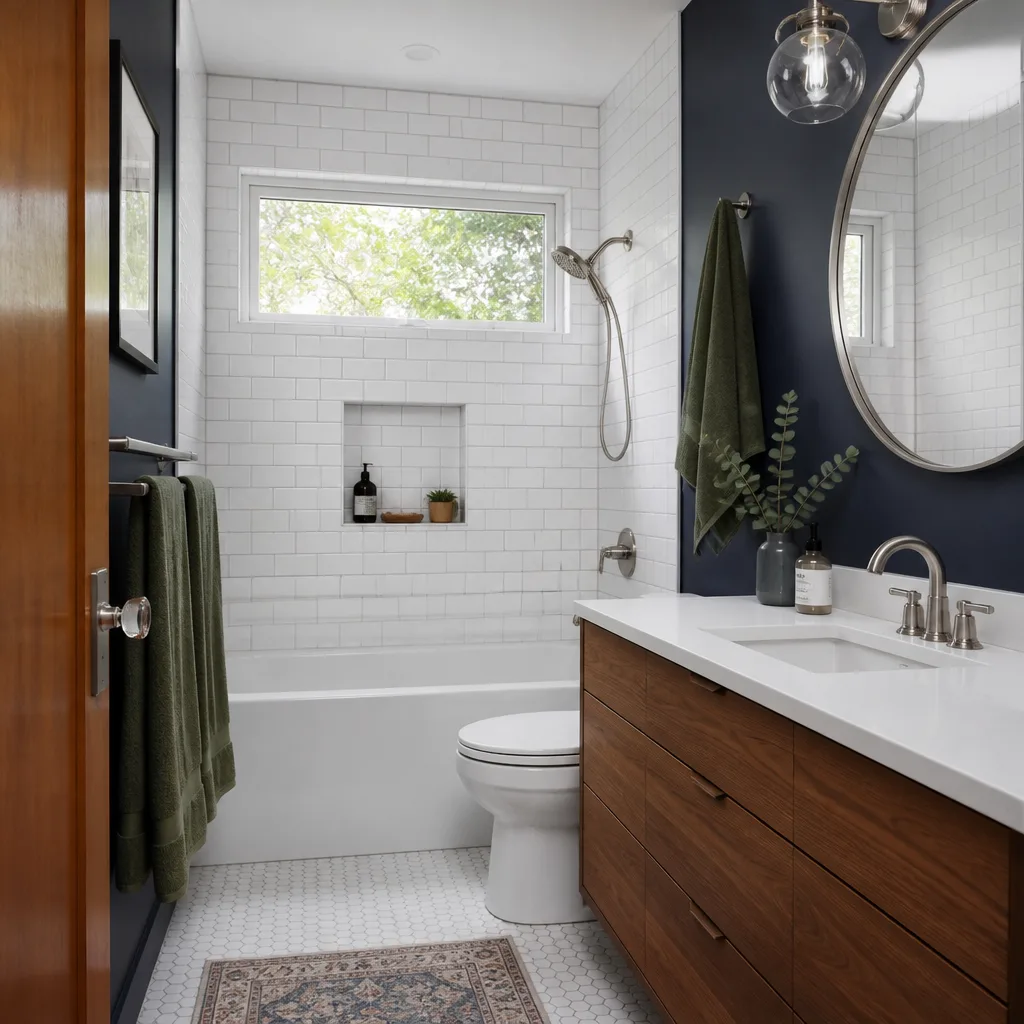
In Coral Gables, most kitchen and bathroom remodels require a building permit if they involve moving plumbing or gas lines, altering electrical circuits, changing structural walls, or replacing exterior windows and doors. Cosmetic changes like paint, cabinet door replacement, and tile over existing tile typically don’t require one. When in doubt, call the Coral Gables Building Division and ask about the specific scope; the answer takes a phone call and prevents a much larger problem at resale. For a scope-by-scope walkthrough, our bathroom remodeling work in Coral Gables covers which components trigger a permit and which don’t.
The homeowner is the permit holder of record on a residential permit, even when a contractor pulls it on their behalf. That means if a contractor abandons a job with an open permit, the legal obligation to complete the work to code, pass inspections, and formally close the permit sits with the property owner. Insist on written authorization before any contractor applies for a permit on your property, and confirm the final inspection has passed before you pay the last invoice.
A building permit is the jurisdiction’s authorization to perform specific work and generates the inspection schedule. A Notice of Commencement is a separate document recorded with the county under Florida Statute 713 that notifies the world improvements are starting and establishes the legal framework for mechanic’s liens on the property. Both are required on qualifying work; skipping the Notice of Commencement can expose you to paying twice if a subcontractor goes unpaid.
It can, if the total cost of the improvement equals or exceeds 50% of the home’s pre-improvement market value. That threshold is FEMA’s “substantial improvement” rule, and crossing it requires the entire structure to be brought into current floodplain compliance – elevating mechanicals, adding flood vents, and in some cases elevating the structure. Confirm your flood zone and pull the county’s current assessed value before finalizing designs so the scope is priced with the right assumption.
Search the property in the Coral Gables Building Division portal by address or folio number; the results show any permit that was applied for but never finaled. A title search through Miami-Dade County will also reflect recorded permits, and any attorney handling the purchase will typically flag open permits in the title commitment. It’s worth a five-minute check before you sign a contract, because closing an open permit after the fact can require correction of deficiencies and re-inspection of impacted trades.
Yes. Florida homeowners insurers increasingly ask for permit history at renewal, and if a loss is traced to unpermitted electrical, plumbing, or structural work, the insurer can deny the claim on the basis that the work was never inspected. Even when a claim is honored, an open permit on record can complicate renewal or trigger a premium adjustment. Permitted and inspected work is the only version of the work your insurer recognizes.
The Bottom Line
Florida’s building code isn’t there to make your project difficult. It’s there because the state has been hit by hurricanes repeatedly and the code is written to keep homes standing and insurers paying. The permit, the Notice of Commencement, and the Certificate of Occupancy are the three documents that put that protection in your hands. Skip one and you’re exposed – to liens, to denied claims, to a stalled resale, to a contractor who walks off leaving your name on the permit. Get them right and every future transaction on your home gets simpler. If you want a contractor who puts the permit scope and inspection schedule in writing before the first tool comes out, call Bradford Remodeling Co Coral Gables at (833) 510-5367 for a free estimate. Live person, no voicemail, no pressure.
Written by the team at Bradford Remodeling Co Coral Gables.