Last updated November 17, 2026



Free written scope consultation - allowances, timeline, and change-order rules on paper before a single trade is scheduled
General Contractor Maintenance Schedule: What to Do and When
In Miami-Dade’s humidity, a caulk joint on a window rough opening has a functional lifespan of three to five years. Most homeowners wait until they see water stains on the drywall, which means the moisture has already found the sheathing, the framing, and sometimes the insulation behind it. The work a general contractor does at rough-in and finish has a maintenance lifecycle, and almost nobody hands you that schedule at project close. This guide gives you the actual intervals and inspection points by trade, tuned for Coral Gables and the rest of South Florida, so a five-year-old remodel stays a remodel instead of turning into a twenty-thousand-dollar remediation.
Quick Answer
In South Florida, a remodeled home needs a full trade-by-trade inspection once a year, with a shorter two-to-three-year cycle on anything exposed to sun, salt air, and rain: caulk joints, stucco, window seals, and roof flashings. Stucco and waterproofing get checked each spring and after any named storm. Electrical, plumbing, and structural checks are annual. The one-year warranty your contractor gave you covers workmanship, not wear, so day 366 is when your own maintenance clock starts.
Styles & brands we work with
- Kitchen remodeling
- Bathroom remodeling
- Home additions & ADU
- Roofing
- Windows & doors
- Driveway & pavers
- Fence
Table of Contents
- Why South Florida Is Different
- The Annual Inspection Checklist, by Trade
- Stucco, Waterproofing, and the 60-Inch Rain Year
- How to Self-Inspect Slab Penetrations and Impact Window Seals
- Electrical and Plumbing: The Annual Pass
- What a One-Year Warranty Covers and What It Doesn’t
- Cosmetic Fix Versus Code Deficiency
- Common Mistakes to Avoid
Why South Florida Is Different
Coral Gables averages around 60 inches of rain a year, most of it in bursts between May and October. That matters because water damage in this climate is rarely a slow leak you can catch with a bucket. It’s a wind-driven delivery into a seam during a summer squall, and by the time it shows, it has been happening for two or three seasons.
Salt air is the second factor. Coral Gables sits close enough to Biscayne Bay that airborne chloride holds on metal fasteners, flashing, window hardware, and pool cage anchors long enough to pit them. You won’t see it from the ground. You’ll see it when a lag bolt won’t hold torque.
The third factor is UV. South Florida’s sun exposure degrades sealant, roof membrane, and exterior paint faster than the manufacturer’s published lifespan assumes. A caulk rated for 10 years in a northern climate is realistically a 3-to-5-year consumable here. That’s not a product defect. It’s the environment winning, which means maintenance is the answer, not a better tube of caulk.
Our technicians have up to 22 years of experience in this climate, and this is the pattern we see across Coral Gables homes: the systems that fail first are the ones with the smallest annual effort attached. A ten-dollar tube of sealant on a window rough opening is the difference between a repair and a rebuild.
The Annual Inspection Checklist, by Trade
The best time to run this is late spring, after the dry season and before the June rain starts. Book it early. Contractors who are worth calling are stacked by April.
- Roofing: Walk the perimeter at ground level with binoculars. Check flashings, soffit, fascia, and the valley edges for lifting, cracking, or granule loss. Look at ceiling stains in the attic, not the room below.
- Waterproofing and caulk: Check every exterior caulk joint, window rough opening, and door threshold. Probe with a screwdriver handle. If the sealant is brittle, curled, or separated, it’s done.
- Structural: Look at walls and ceilings for new diagonal cracks, doors that suddenly stick, and floors that squeak in a spot they didn’t before. Those are movement signatures.
- Electrical: Test every GFCI receptacle with the test button, check for warm outlet plates, and confirm the panel cover isn’t warm to the touch. If any breaker trips twice without explanation, stop and call an electrician.
- Plumbing: Check under every sink for dampness on the cabinet base, run every shutoff valve once, and look at the water heater base and the supply line for crust or staining.
- Drainage: Clear gutters, check the downspout discharge point, and confirm the yard is graded away from the slab on all four sides.
- Impact windows and doors: Inspect weatherstripping, gasket contact, and the seal between frame and stucco. Look for daylight at the sash and water stains on the interior sill.
Log each item with a date and a photo. That log becomes your defense when you sell, and it’s what a real general contractor wants to see before quoting repairs in Coral Gables. When the work is planned this way, our General Contractor in Coral Gables approach is to quote from that record, not from a guess.
Stucco, Waterproofing, and the 60-Inch Rain Year
Stucco in South Florida is a hard coat over a waterproofing layer, and the waterproofing layer is the part that actually keeps water out. The stucco is the armor. When the armor cracks, the layer behind it gets wet, and in hurricane season a wet layer behind a hard coat has nowhere to dry. It turns to a persistent problem you can’t see.
Check stucco twice a year: once in spring before the rains, once after hurricane season. Run a hand over the surface. Look for hairline cracks at corners, above windows, and at any junction where two materials meet. A hairline crack narrower than a dime is usually a cosmetic patch. Anything wider, or any crack that reappears in the same place after two patches, is a movement issue and needs a real look.
Waterproofing checkpoints in Coral Gables homes:
- Window and door perimeters: the joint between the frame and stucco is the most common entry point.
- Roof-to-wall flashings: the step-flashing and counter-flashing juncture.
- Balconies and second-floor decks: membrane edges and the base of hip walls.
- Pool coping and the pool cage anchors: both take salt and both move.
- Exterior penetrations: hose bibs, AC line sets, and any conduit entering the wall.
When a waterproofing failure gets behind a remodel, it’s not a cosmetic fix. In our experience, a wet sheathing behind a finished wall in Coral Gables means pulling drywall, letting the cavity dry, and rebuilding the substrate. That’s why the inspection is cheap and the remediation isn’t. If a repair scope turns into a full rebuild, that’s a Bradford Remodeling Co Coral Gables home conversation to schedule before the calendar fills.
How to Self-Inspect Slab Penetrations and Impact Window Seals
You don’t need to open walls to find moisture. Two cheap tools do most of the work: a moisture meter (a $40 pin-type meter is sufficient) and a flashlight.
- Find the slab penetrations first. Every pipe, conduit, and drain that comes through the slab is a potential water channel. Mark their locations on a simple floor plan.
- Check the base of each penetration. Drywall at floor level should read under 15 percent on a pin meter indoors. Higher than 20 percent means moisture is already present and you should stop and call.
- Test impact window seals at the interior sill. A water stain on the interior sill, a soft spot in the surrounding trim, or a wavy paint edge is a seal failure, not cosmetic.
- Look for gasket contact. Close each impact window and slide a dollar bill between the sash and the gasket. If it pulls out too easily, the gasket isn’t sealing.
- Probe exterior joints with a wood tongue depressor. If the caulk joint is soft, it’s failed. If it cracks cleanly and sounds like a dry pop, it’s aged out.
- Check anchor hardware. On window frames and pool cage bases, sight down the metal for pitting and rust at the fasteners. Surface rust on a stainless screw in Coral Gables means the grade is wrong or the seal has already failed.
If a probe shows more than 25 percent moisture at any single point, do not patch over it. You have an active leak. Open a small access hole, let the cavity dry, and get a general contractor to scope the repair before you close it back up.
Electrical and Plumbing: The Annual Pass
Electrical and plumbing systems behind the wall usually don’t fail without a warning sign. The annual pass is the time to catch it.
Electrical checkpoints. Test every GFCI and AFCI breaker on its test button. Look at the panel for warm spots and any discoloration around the lugs. Check that no outlet or switch feels warm under normal loads. If you’ve added a circuit for an EV charger or a pool pump since your last remodel, verify the panel has capacity and the permit was closed out. Electrical panel work is not homeowner territory. The current in a residential panel is lethal and the failure mode is arc flash. This is a licensed electrician and inspection job.
Plumbing checkpoints. Exercise every shutoff valve under every sink and the main and fixture stops behind toilets. A valve that’s been in one position for six years is a valve that may not close when you need it. Look for crust at the water heater connections and any swelling at the base of the tank. Verify the water heater’s pressure relief line runs to a safe discharge point. Check the laundry box, dishwasher supply, and refrigerator ice line, all of which fail first in this humidity.
If the number of shutoff valves in your home is not zero and you don’t know where the main valve lives, find it this week and mark it. In a plumbing emergency, that one fact saves a floor. Our Kitchen Remodeling in Coral Gables projects get a written valve map at close, and it applies to a home you’re not remodeling as well: know the shutoff.
What a One-Year Warranty Covers and What It Doesn’t
A one-year workmanship warranty covers the labor and installation the contractor performed. That means if the tile separates, the grout cracks, the door doesn’t latch, or the flashing the crew installed leaks, the contractor returns and corrects it at no charge. It does not cover the parts of the home that wear on their own schedule. Caulk joints, gaskets, sealant, roof coatings, and anything the homeowner or weather damages are your maintenance, not a warranty claim.
Here is the line most homeowners never hear drawn:
- Warranty: workmanship defects in the installation, work the contractor performed, and manufacturer defects in covered products.
- Your responsibility: caulk joint replacement, window gasket wear, seasonal sealant, paint, roof cleaning, drainage, and damage from storms or neglect.
Day 366 is the day your maintenance clock starts. At Bradford Remodeling Co Coral Gables, every completed project is covered by the 365-Day Done Right Promise: if the work fails inside that window, we come back and correct it at no charge. What the promise does not do is make a worn-out caulk joint a warranty item. That’s maintenance. What it does do is make the fix on day 366 a scheduled appointment, not a scramble.
Ask for the warranty in writing before work starts, and read what’s specifically excluded. If a contractor won’t put that in writing, that’s the sign the warranty has less behind it than the sales conversation suggested.
Cosmetic Fix Versus Code Deficiency
Not every maintenance issue is a repair call. Some are cosmetic. A few are code issues that require a licensed pull and an inspection, and getting that classification right protects you when you sell.
The best single test: a cosmetic fix restores appearance. A code deficiency affects safety, structural integrity, or water intrusion into the building envelope. When the fix requires cutting into a system that was permitted at build, it likely requires a permit again.
- Cosmetic: paint, caulk at a window corner, grout in a dry area, scuffed baseboard. No permit.
- Maintenance: roof coating, sealant replacement, gutters, re-caulking a shower surround. No permit, but document the date and the product.
- Permit-likely: re-roofing, any change to the electrical panel or a new circuit, re-piping, replacing an impact window with a different size, or cutting into a structural wall. Pull a permit.
- Stop and call a professional: any sign of water behind the finish, any crack that widens over 30 days, any warm panel, and any gas smell.
In Coral Gables, the small-but-important detail is that a remodel or repair that changes a permitted scope gets inspected on the new permit, not the old one. That’s why we always quote the permit line as a separate, itemized number. If a repair teeters on the code line, our Bathroom Remodeling in Coral Gables scopes quote the permit and inspection as its own line item, so the price doesn’t move once the work starts.
Common Mistakes to Avoid
- Waiting for a water stain before checking caulk. By the time you see the stain on the drywall, the sheathing behind it has been wet for months. Check the joint, not the stain.
- Treating the warranty like a maintenance plan. The one-year warranty covers workmanship. It does not cover the caulk and gasket wear that comes with the South Florida climate.
- Patching a stucco crack without addressing the cause. A crack that reappears in the same spot two seasons in a row is movement, not cosmetics. Patch it three times and you’ve hidden a leak, not fixed it.
- Skipping the electrical check because everything works. A GFCI that fails silently still looks like a working outlet. It only matters when someone touches a wet appliance.
- Not keeping a maintenance log. In Coral Gables, a documented inspection history is real value at resale and a real defense if a buyer’s inspector finds something.
- Ignoring pool cage and fence hardware. Salt air eats anchor bolts and gate hinges, and a fence built with a Master Halco or Ameristar frame still needs its fasteners checked each season. Surface rust on galvanized hardware is a signal, not a look.
- Assuming the contractor will come back for anything after a year. After day 366, the repair is on your side of the ledger. Schedule it, budget it, and get it done before the next rainy season.
See the difference
 Before
 After
 Before
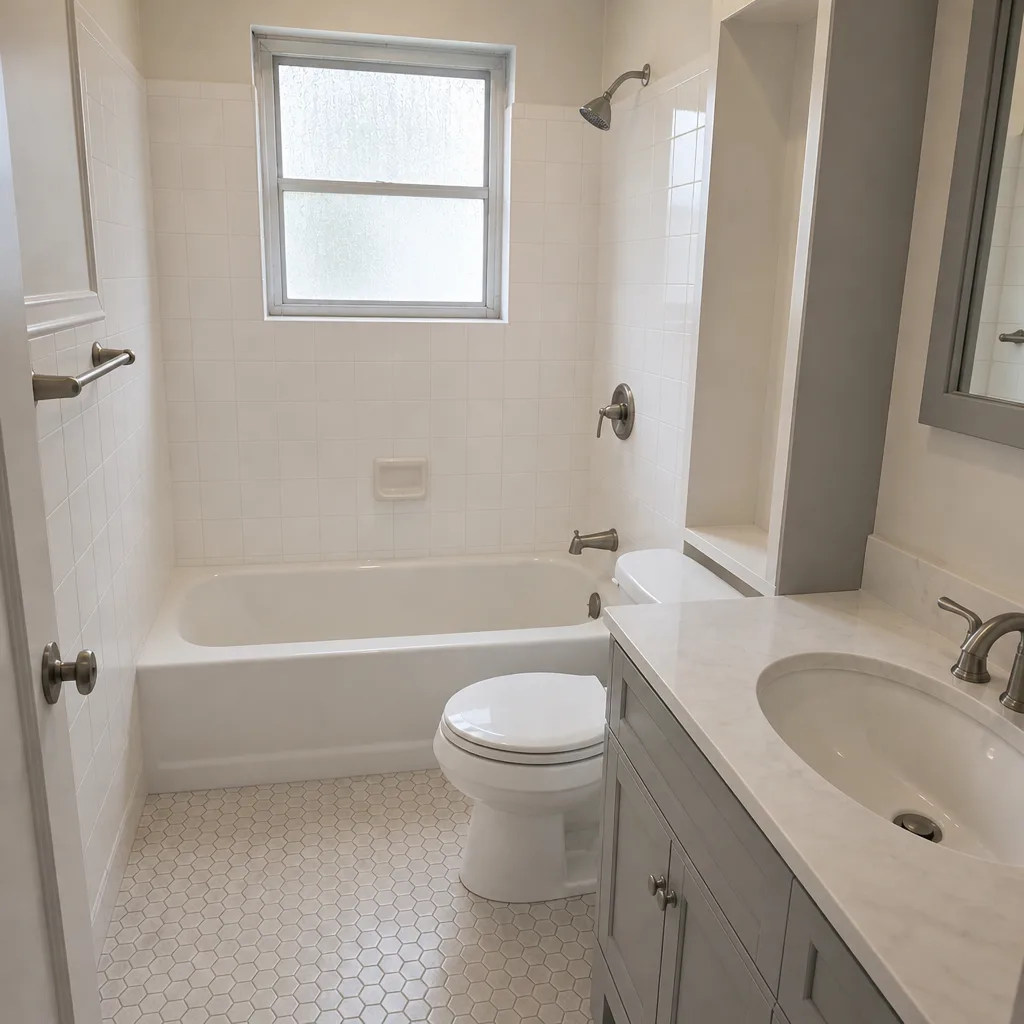 After
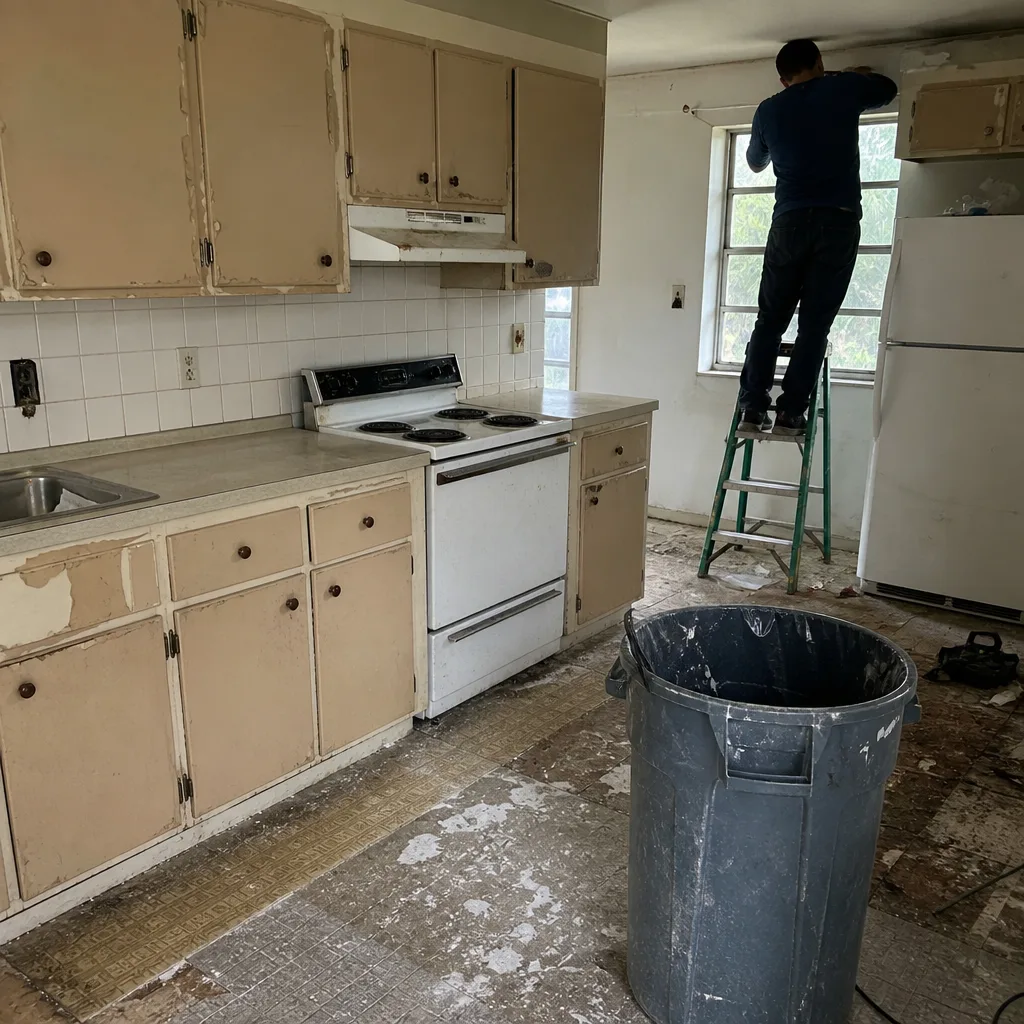 Before
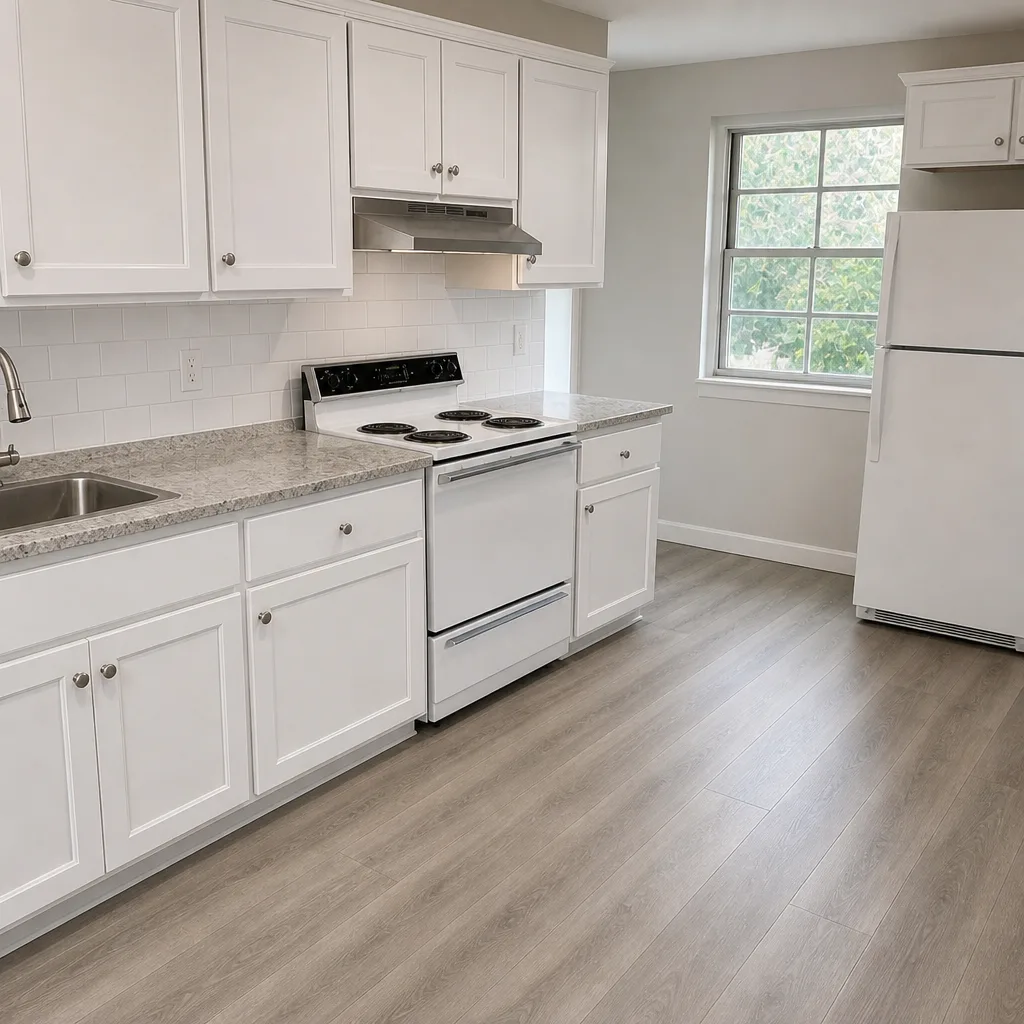 After
When to Call a Professional

Call a professional when the finding crosses from wear into safety, structure, or the building envelope. Specifically: any active water intrusion behind a finish, a crack that widens over a month, any warm electrical panel or outlet, a tripping breaker that trips again after reset, a gas smell, a roof leak in a valley or flashing, and any repair that would cut into a wall, floor, or ceiling where you don’t already know what’s inside. Electrical panels, gas lines, structural framing, and roof-height work carry real risk, and this is a licensed-trade call, not a weekend project.
The rest you can run yourself: caulk, sealant inspection, gutters, drainage, and the monthly visual walk. The annual pass is what keeps the small stuff from becoming a repair scope. Bradford Remodeling Co Coral Gables offers free estimates in Coral Gables, with a written price before any work starts and a documented scope in your hand. Call (833) 510-5367 to schedule your free estimate.
Frequently Asked Questions
Once a year for the full trade pass, plus a shorter check on caulk joints, stucco, and window seals every spring and after any named storm. South Florida’s 60 inches of annual rain and high UV exposure wear those exterior materials faster than the manufacturer’s lifespan assumes, so the exterior cycle runs shorter than the interior one.
No. A workmanship warranty covers installation defects, not wear items. Caulk, gaskets, sealant, and roof coatings are the homeowner’s maintenance from day one, and the warranty clock starting at project close doesn’t change that. Ask for the exclusions in writing before work starts, and call (833) 510-5367 for a free estimate on the repair if a joint has already failed.
Three to five years on exterior joints, sometimes less on a south- or west-facing wall that takes the full afternoon sun. The published 10-year lifespan on a tube of exterior sealant assumes a cooler, drier climate. Here, plan on replacing exterior caulk well before the label says you should.
A cosmetic fix restores appearance. A code deficiency affects safety, structure, or water intrusion, and typically requires a permit and an inspection. If the repair cuts into a system that was permitted at build, the panel, the wiring, the framing, the envelope, it likely requires a permit again. When in doubt, get a written scope before anyone touches it.
Use a pin-type moisture meter at the base of slab penetrations and along the interior sill of every impact window. Drywall reading above 20 percent means moisture is present, and a reading above 25 percent at any single point is an active leak that should be opened and scoped, not patched over. Call (833) 510-5367 for a free estimate if a probe reads high.
Not with a written, line-item scope. The price you get in writing is the price you pay, with the permit line shown separately so it’s visible before any work begins. If a hidden condition turns up after opening the wall, it gets a written change order, not a verbal number at the door.
The Bottom Line

Your home’s systems have a maintenance schedule, and in Coral Gables the schedule is set by salt air, UV, and 60 inches of rain. Run the annual trade pass in late spring. Check caulk, stucco, and window seals every spring and after every named storm. Keep the maintenance log. Know where the main shutoff lives. And understand that a one-year workmanship warranty covers the install, not the wear, and that day 366 is the day your own clock starts. Do that and a five-year-old remodel stays a remodel. Skip it and you’re paying for the remediation.
If the inspection turns up something that needs a licensed scope, or if you want the repair quoted from a documented record instead of a guess, call Bradford Remodeling Co Coral Gables at (833) 510-5367 for a free estimate. Every price is written before any work starts, and every completed project carries the 365-Day Done Right Promise: if it’s not done right within that year, we come back and make it right at no charge. A live person answers the phone, every hour of the day.
Written by the team at Bradford Remodeling Co Coral Gables.