Last updated November 17, 2026






Free written scope consultation - allowances, timeline, and change-order rules on paper before a single trade is scheduled
How to Hire a Construction Contractor in Coral Gables: A Step-by-Step Guide
Here’s a fact that catches most homeowners off guard: in Florida, a contractor can hold a valid state license while their Coral Gables local business tax receipt has lapsed. That gap is enough to stall your permit and freeze your project mid-demolition, with you holding the liability for work left unfinished. The usual advice – get three bids, read the reviews – won’t catch it. What does is a document-by-document vetting process. This guide walks you through exactly which papers to pull, what each one must say, and where the traps hide, so you can hire a Coral Gables contractor without inheriting someone else’s problems.
Quick Answer
To hire a construction contractor in Coral Gables, verify the contractor’s state license through the Florida DBPR portal, confirm their local Coral Gables business tax receipt is current, insist on a written contract that meets Florida Statute s. 489.1425, and read every lien document before you sign. A written, itemized scope with named brands and fixed allowances is your best protection against surprise invoices.
Styles & brands we work with
- Kitchen remodeling
- Bathroom remodeling
- Home additions & ADU
- Roofing
- Windows & doors
- Driveway & pavers
- Fence
Table of Contents
- Step 1: Verify the License and the Local Receipt
- Step 2: Know What a Florida-Compliant Contract Must Contain
- Step 3: Read the Lien Waivers Before You Sign Anything
- Step 4: Spot Red Flags in the Written Scope
- Step 5: Ask the Subcontractor Licensing Questions
- Step 6: Compare Bids on the Same Line Items
- Step 7: Set a Realistic Timeline for Coral Gables Permits
Step 1: Verify the License and the Local Receipt
Coral Gables runs a two-layer check, and most homeowners only do half of it. The state license tells you the contractor is legally allowed to build in Florida. The local business tax receipt tells you they’re allowed to operate in Coral Gables specifically. You need both.
- Pull the state license. Go to the Florida Department of Business and Professional Regulation (DBPR) license portal and search by name or license number. Confirm the license is “Current, Active” – not “Delinquent” or “Null and Void.” Check the license type matches your job: a Certified General Contractor (CGC) for structural work, a Certified Residential Contractor (CRC) for homes, and specialty licenses for roofing or mechanical.
- Verify the local receipt. Call Coral Gables City Hall or check the city’s business tax office to confirm the contractor’s local business tax receipt is active and reflects their current address. An expired local receipt can stop a permit in its tracks.
- Check for complaints and disciplinary history. The same DBPR portal lists formal complaints and disciplinary actions. A single old complaint isn’t disqualifying; a pattern of unlicensed activity or abandoned jobs is.
- Confirm insurance directly. Ask for a certificate of insurance naming you as certificate holder, then call the insurer to confirm the policy is in force. A certificate is only a snapshot – it can be cancelled the next day.
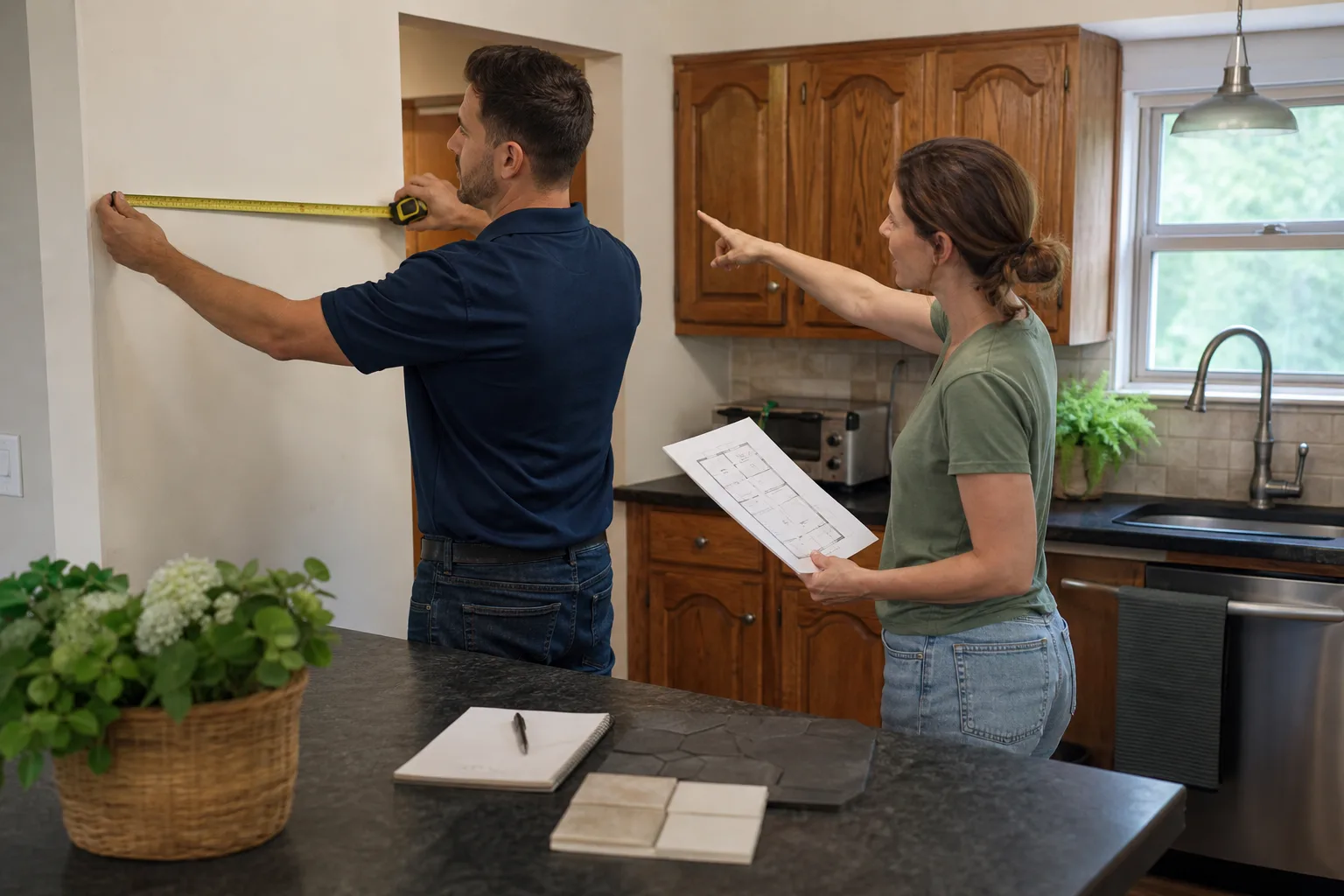
This is the work our team does before a crew ever walks onto a Coral Gables property, and it’s the reason we operate as an independent general contractor in Coral Gables held to the same written standards on every job. If a contractor hesitates to hand over a license number or receipt, that hesitation is your answer.
Step 2: Know What a Florida-Compliant Contract Must Contain
Florida Statute s. 489.1425 isn’t a suggestion – it’s law. It requires a written contract for home improvement work above a set dollar threshold, and it lists specific disclosures a contractor must give you before signing. Contractors routinely leave pieces out, and those omissions tend to appear exactly when a dispute starts.
A written contract on a Coral Gables remodel should include, at minimum:
- The contractor’s name, license number, and business address as registered with DBPR.
- A detailed scope of work – not “renovate kitchen” but the actual line items, materials, and quantities.
- A payment schedule tied to completed milestones, not a large deposit up front.
- The total price with any allowances spelled out as dollar figures.
- Start and completion dates, plus what happens if the schedule slips.
- The three-day right of rescission notice Florida gives homeowners on certain contracts.
- A written warranty describing what’s covered and for how long.
If you’re remodeling a kitchen, that scope should name the cabinet line, the countertop material, and the fixture brands. Our own written prices always list documented brands – KraftMaid and Wellborn cabinetry, Cambria and Caesarstone surfaces, Kohler and Moen fixtures – so there’s nothing to argue about later. You can see how that works on our Coral Gables kitchen remodeling page. The rule is simple: if it isn’t on paper before work starts, it isn’t in the deal.
Step 3: Read the Lien Waivers Before You Sign Anything
A mechanics lien is a legal claim against your property filed by someone who wasn’t paid for work or materials on it. If a subcontractor or supplier goes unpaid, they can file a lien against your deed even if you already paid your general contractor in full. That’s the scenario the lien paperwork exists to prevent – and it’s the paperwork most homeowners sign without reading.
Two documents matter most:
- The preliminary (notice to owner). A subcontractor or supplier sends this to protect their right to file a lien later. Getting one doesn’t mean anything is wrong – it’s a standard heads-up. Keep every one you receive.
- The final release. This is the document that clears your title. A conditional final release becomes effective only once you actually pay. An unconditional final release takes effect the moment it’s signed, whether or not the check clears. Sign an unconditional release before payment and you’ve given up your leverage.
Before you write the final check on a Coral Gables job, collect a conditional final release from every sub and supplier who sent a preliminary notice, then pay, then get the unconditional release. Our teams walk homeowners through this at job close, and the signed release goes in your project file alongside your written guarantee. When you’re reviewing lien documents for a bathroom job, it helps to see the full scope laid out first – our bathroom remodeling in Coral Gables page shows the level of line-item detail to expect.
Step 4: Spot Red Flags in the Written Scope
The scope of work is where money quietly leaks. A loose scope lets a contractor bid low, then make up the difference through change orders once the walls are open and you have no choice but to say yes. Watch for these three patterns.
- Vague allowances. “Allowance for tile: $1,500” tells you nothing about the square footage, the material grade, or who pays the overage. A real allowance states the quantity, the brand options, and what happens if you go over.
- Missing brand specifications. “Premium cabinetry” and “designer fixtures” are placeholders, not specifications. Ask for the exact product line and model. A contractor willing to commit to KraftMaid or Therma-Tru by name is telling you their supply chain can deliver it. If they won’t name a brand in writing, assume the cheapest option that fits.
- Unlimited change-order language. Look for phrases like “additional work billed at contractor’s standard rates” with no rate attached. Every change order should require your written approval, state a fixed price, and describe exactly what triggers it.
These aren’t hypothetical. In Coral Gables homes built in the 1920s through the 1950s – the Mediterranean revival stock around the Granada and Alhambra corridors – we regularly find cast-iron drain lines and knob-and-tube wiring behind walls, and a scope that didn’t account for them turns into a five-figure surprise. A disciplined contractor prices the knowns and writes the unknowns into a contingency line instead of billing you for them later.
Step 5: Ask the Subcontractor Licensing Questions
Your general contractor’s license does not cover the unlicensed electrician or plumber working under them. In Florida, every specialty trade on your job needs its own license, and if a sub isn’t licensed, the permit can be rejected and the work can be ordered torn out. Ask these questions before signing:
- Which trades will be subcontracted on my job, and which will your own people handle?
- Can you give me the license number for each subcontractor you’ll use?
- Are your subs covered under your general liability and workers’ comp, or do they carry their own?
- Who supervises the subs on site, and how often are they there?
- What’s your process for resolving a sub’s defective work before I’m asked to pay for it?
Get the answers in writing. A contractor who can rattle off sub license numbers is one who checks them. A contractor who waves the question away is one who doesn’t – and you’ll be the one holding the permit when the inspector shows up. Background-checked, uniformed technicians are part of our standard on every job, and the same identity and conduct standards apply to trades working under us.
Step 6: Compare Bids on the Same Line Items
The reason three bids rarely help is that each contractor scopes the job differently. One bid includes permits and haul-away; another quietly leaves them off. One names brands; another writes “builder-grade.” To compare fairly, hand every contractor the same written scope and require a line-item response.
Ask each bidder to break out:
- Permit fees and who pulls the permit
- Demolition and disposal
- Materials by brand and model
- Labor by trade
- Contingency allowance, stated as a percentage
- Change-order rates, in dollars
- Warranty terms
Now you’re comparing apples to apples. When the numbers line up, the lowest bid usually reflects either a thinner scope or a contractor who plans to make it up later. A written, itemized price before any work starts is the single best defense against a bid that moves at the door – which is exactly what Bradford’s Garrison Standard commits to on every job. You’ll find the same discipline whether the job is a general construction contract or a full-home remodel, and the Bradford Remodeling Coral Gables home page lays out the full promise.
Step 7: Set a Realistic Timeline for Coral Gables Permits
Coral Gables is a design-review city. The city’s Board of Architects reviews exterior changes, and historic properties in the platted districts can require an added layer of approval. That review protects the character of neighborhoods like Coral Gables’ Riviera and Cocoplat sections, but it adds time to any project touching the exterior – new windows, doors, a roof, or an addition.
Budget for it. A straightforward interior kitchen remodel may move through permitting in a few weeks; a project requiring Board of Architects review can stretch longer, and the clock starts only after plans are drawn and submitted. Ask each contractor how they handle the city’s design review, who prepares the submittal, and who attends the hearings. A contractor who has done this before will have the paperwork ready and will have pulled the permit in their name – which is where it belongs, so the responsibility to close it out stays with them.
One more Coral Gables consideration: the local climate. Salt air and summer humidity work on materials differently than in drier markets, and exterior specs should account for it – impact-rated windows, moisture-resistant substrate behind tile, and exterior products rated for the coastal air. A contractor who has built here knows which products hold up and which don’t.
Common Mistakes to Avoid
- Hiring on the strength of a state license alone. A valid DBPR license says nothing about the local business tax receipt, and an expired local receipt can stall your permit. Check both.
- Signing an unconditional lien release before paying. That document gives up your leverage the moment you sign it. Insist on a conditional release that becomes effective when the money changes hands.
- Accepting a scope with “allowance” figures and no quantities. In Coral Gables’ older housing stock, an unquantified allowance is an invitation to a change order.
- Letting the contractor pull the permit in your name. If the permit is in your name, so is the responsibility to close it – and the inspection record. It belongs in the contractor’s name.
- Comparing bids that aren’t scoped the same way. A bid without permits and haul-away isn’t lower; it’s incomplete.
- Skipping the sub licensing questions. Your GC’s license doesn’t cover an unlicensed sub, and the permit can be rejected if one shows up on your job.
- Paying a large deposit before any work starts. Florida limits upfront deposits on home improvement contracts. A payment schedule tied to completed milestones protects you far better.
See the difference
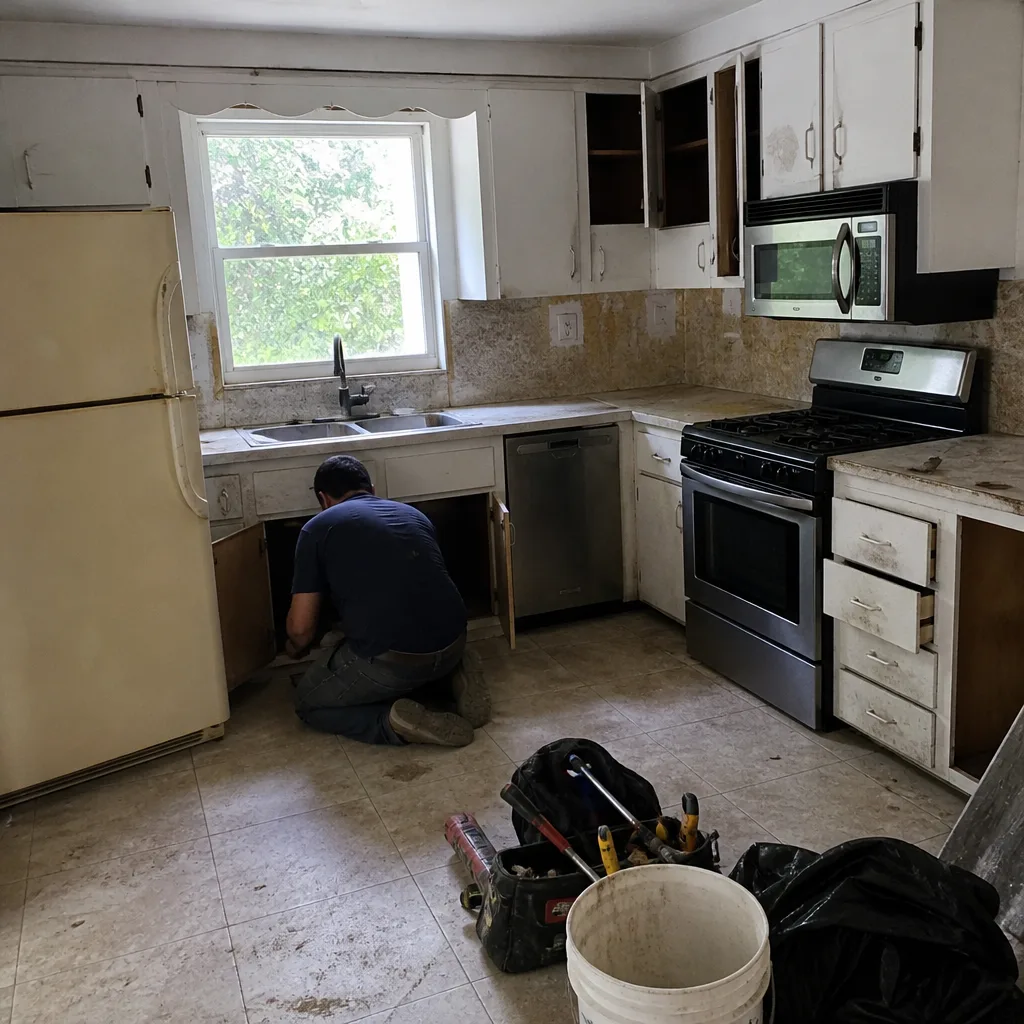 Before
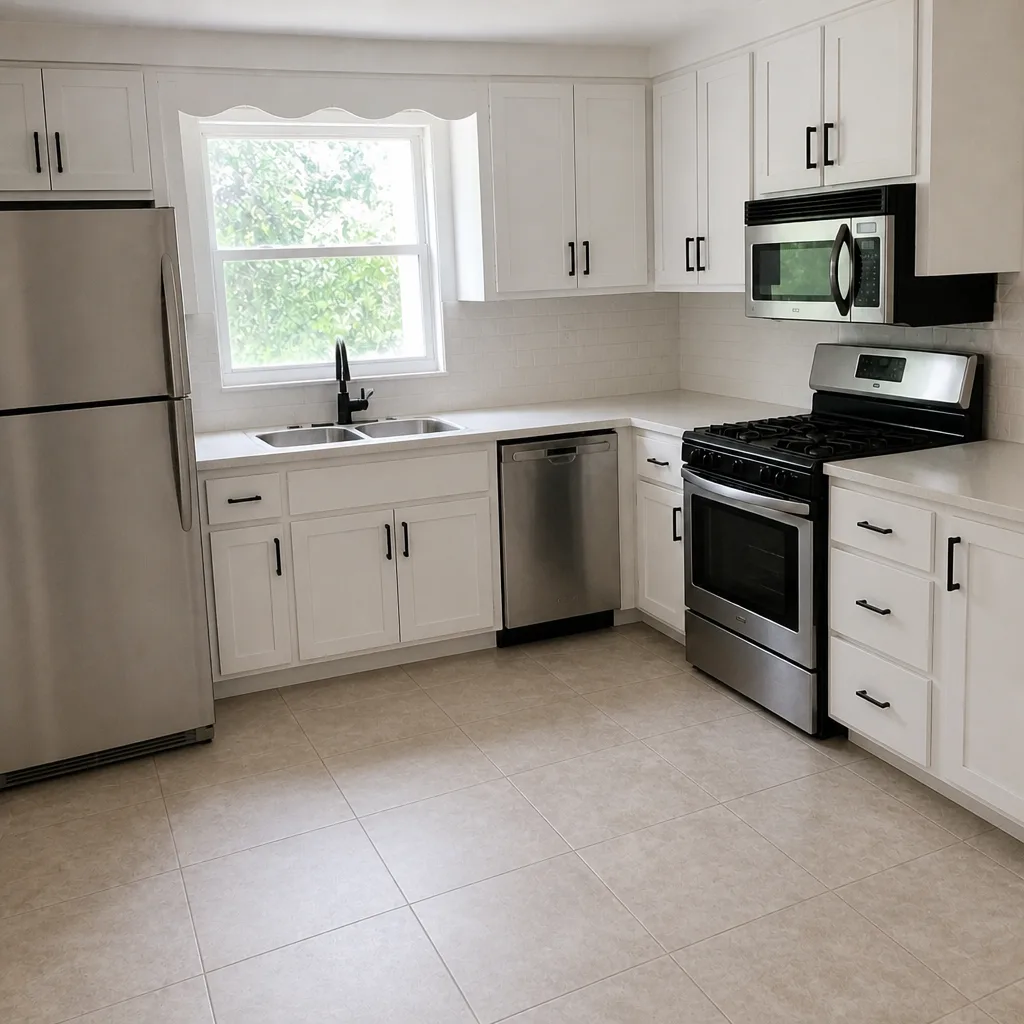 After
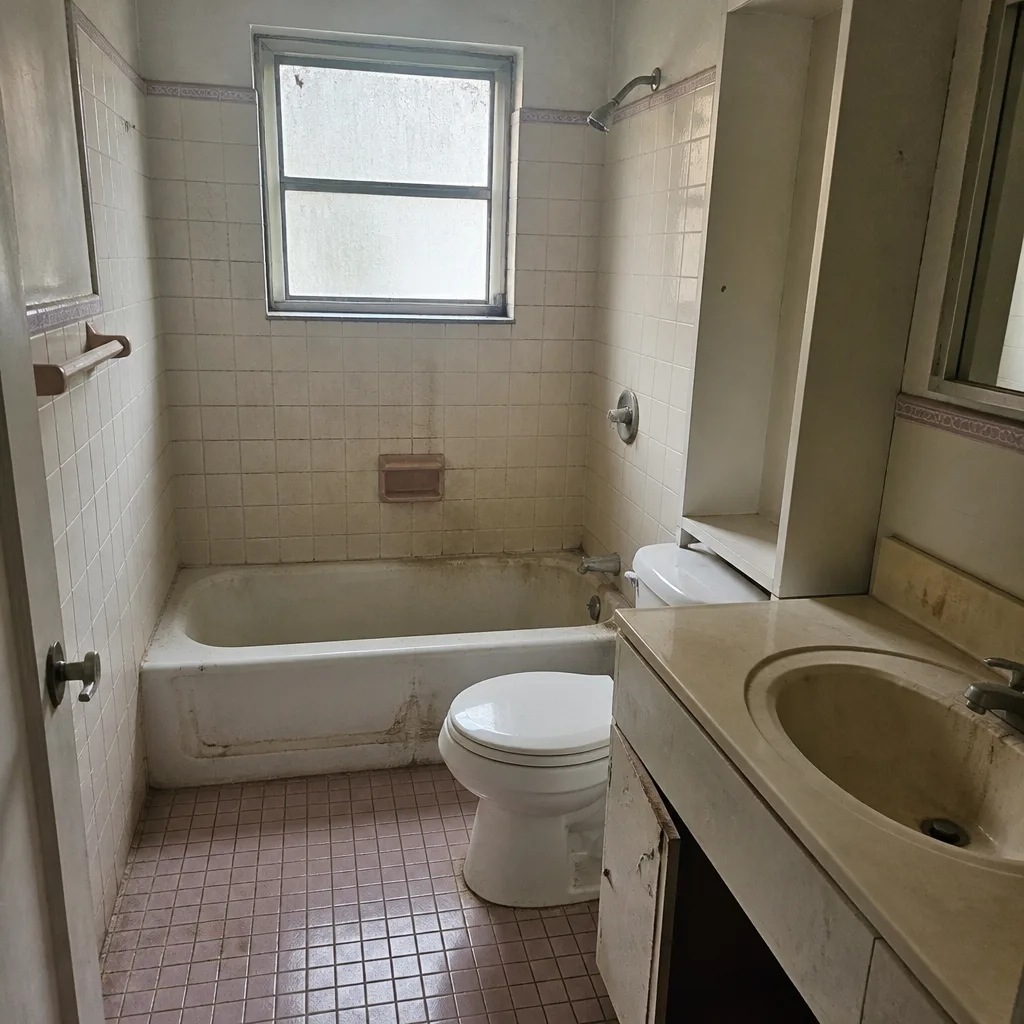 Before
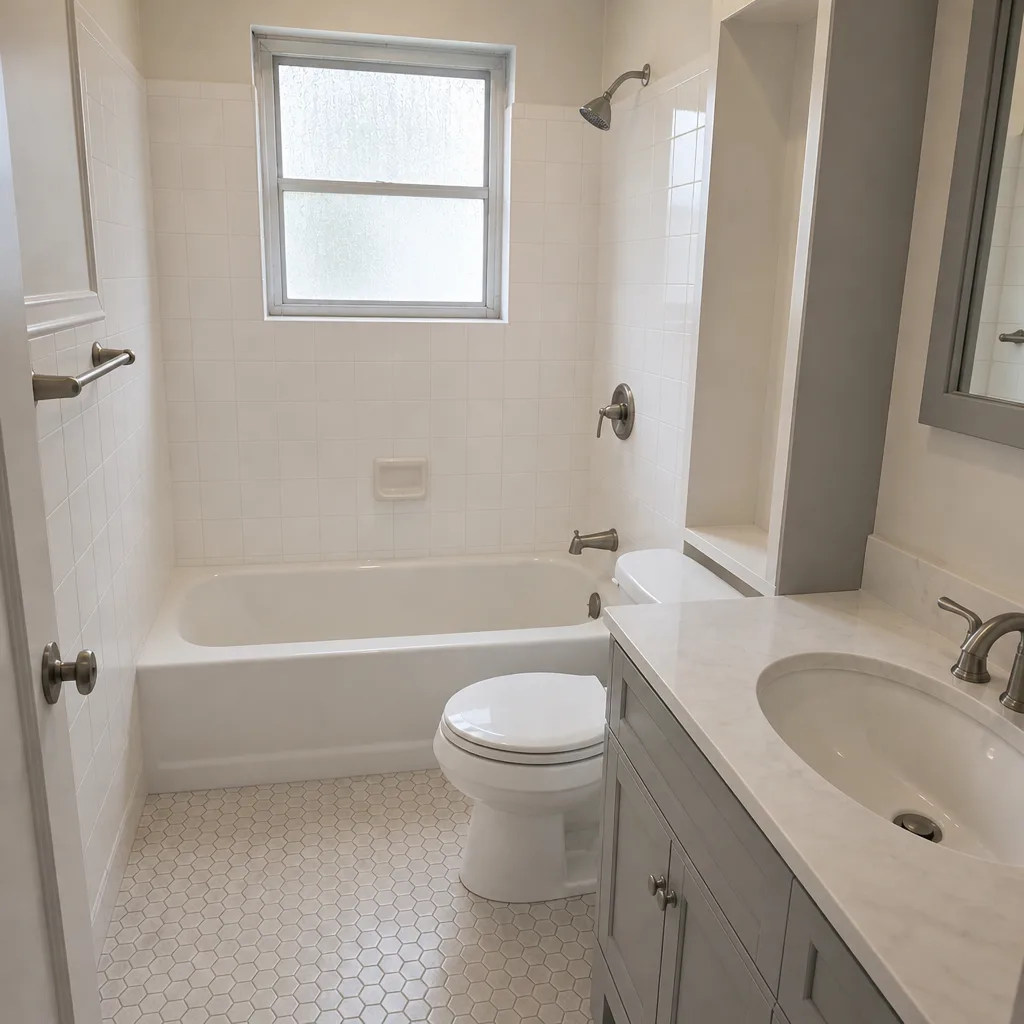 After
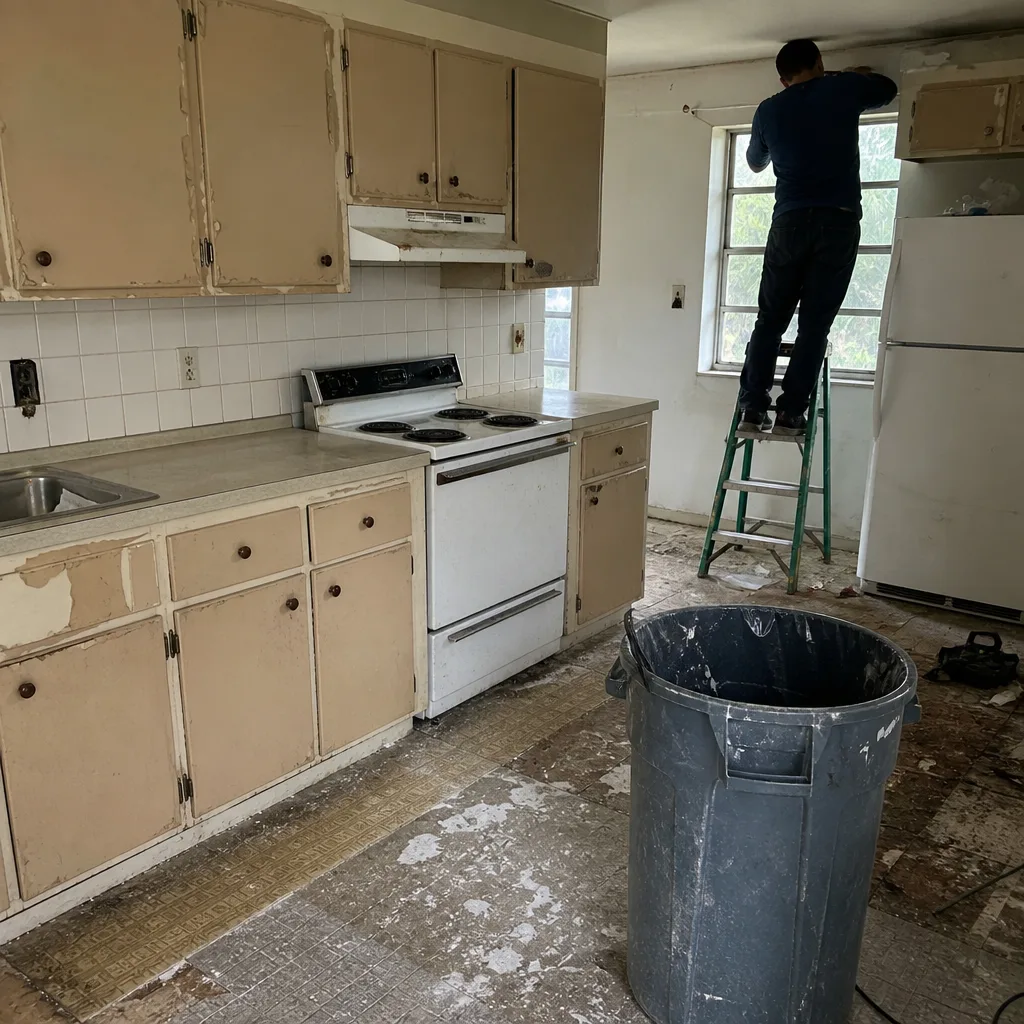 Before
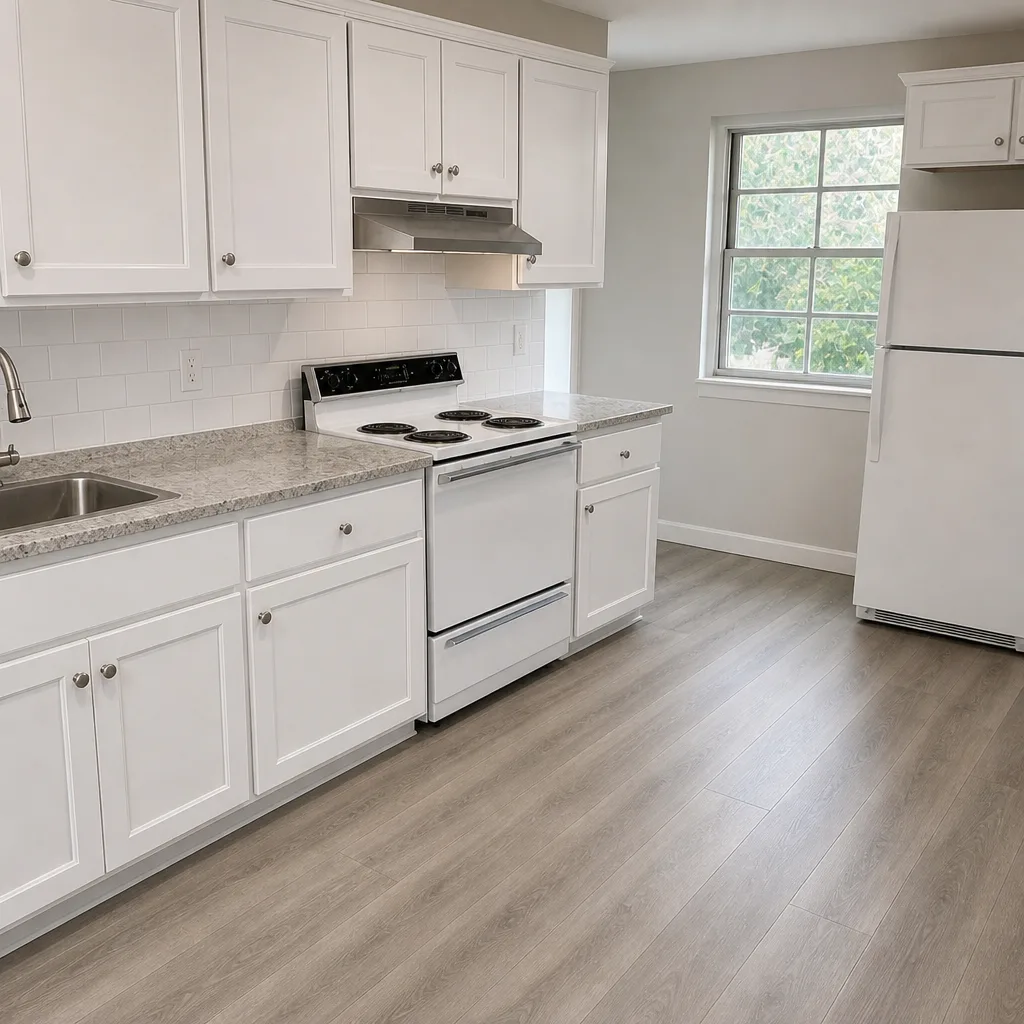 After
When to Call a Professional
Some jobs sit comfortably in DIY territory: swapping a faucet, painting a bedroom, hanging shelves. The line moves when the work touches structure, water, or power. Replacing a load-bearing wall, reconfiguring a kitchen’s plumbing rough-in, rewiring a 1950s house, adding a bathroom, or removing a wall in a Coral Gables home whose structural history you don’t know – those need a licensed contractor and a permit, and the inspection record that comes with them. Roof work, electrical panel changes, and any gas line work carry real safety stakes; a mistake in any of the three can injure someone or void your insurance. When a project reaches that line, the smart call is a free estimate from a contractor who puts the scope and price in writing before a tool comes out. Bradford Remodeling Co Coral Gables offers free estimates in Coral Gables – call (833) 510-5367 to schedule yours.
Frequently Asked Questions
Verify the state license through the Florida DBPR portal, then separately confirm the contractor’s Coral Gables local business tax receipt is current by calling City Hall or the city’s business tax office. Both need to be active – a current state license doesn’t guarantee the local receipt, and a lapsed local receipt can stop your permit. Call (833) 510-5367 if you want us to walk you through what to look for.
Florida Statute s. 489.1425 requires a written contract for home improvement work above a set threshold, including the contractor’s license number, a detailed scope of work, a payment schedule, the total price, the three-day right of rescission notice, and warranty terms. Contractors routinely omit the rescission notice and the itemized scope. If any of those are missing, ask before you sign.
A conditional final release takes effect only when you actually pay; an unconditional release is effective the moment it’s signed, whether or not the money clears. Always collect conditional releases first, pay, then get the unconditional documents. Signing an unconditional release early can leave you exposed to a mechanics lien against your Coral Gables property.
Permits should be pulled in the licensed contractor’s name, not yours. When the permit is in your name, you inherit the responsibility to close it out and the inspection record that follows. Ask who pulls the permit and confirm it will be in the contractor’s name before work starts.
Coral Gables adds Board of Architects design review on exterior work, coastal-grade material specifications for the salt air and humidity, and older housing stock that often hides cast-iron drains or outdated wiring. Those factors add time and material cost that a bid from a contractor who hasn’t built here won’t account for. Get a written, itemized price that names brands and allowances in dollars, and call (833) 510-5367 for a Coral Gables-specific estimate.
Ask which trades will be subcontracted, request each sub’s license number, confirm insurance coverage, and ask who supervises them on site. Your general contractor’s license does not cover an unlicensed sub, and unlicensed work can get your permit rejected. Get the answers in writing before signing.
The Bottom Line
Hiring well in Coral Gables comes down to documents, not impressions. Verify the state license and the local business tax receipt. Demand a written contract that meets Florida s. 489.1425. Read every lien release before you sign it. Insist on a scope that names brands, states allowances in dollars, and prices change orders in advance. Ask who’s supervising the subs and whose name is on the permit. Do those six things and the contracting failures that plague local remodels – unlicensed subs, lien exposure, and surprise invoices – become far harder to land on you. And when you’re ready to price a project, call (833) 510-5367 for a free estimate. You’ll get a written price before any work starts, a 365-Day Done Right Promise on the finished work, and a live person on the other end of the line.
Written by the team at Bradford Remodeling Co Coral Gables.