


Mr-Glass General Contractor in Coral Gables: A Homeowner’s Guide
A window rated for 180 mph design pressure can still fail if the rough opening behind it was never reinforced for the structural load. The product didn’t fail. The installation did. That distinction is the whole game with specialty glazing in Coral Gables, where the difference between a passing inspection and a failed one usually comes down to what your contractor did before the first pane went in. This guide walks through what to verify before you sign, what Miami-Dade inspectors actually look for, and where most proposals fall short.
If you’d rather have a contractor who puts the glazing scope in writing, call (833) 510-5367 for a free estimate.
How do Mr. Glass product approvals work with Coral Gables wind zone requirements?
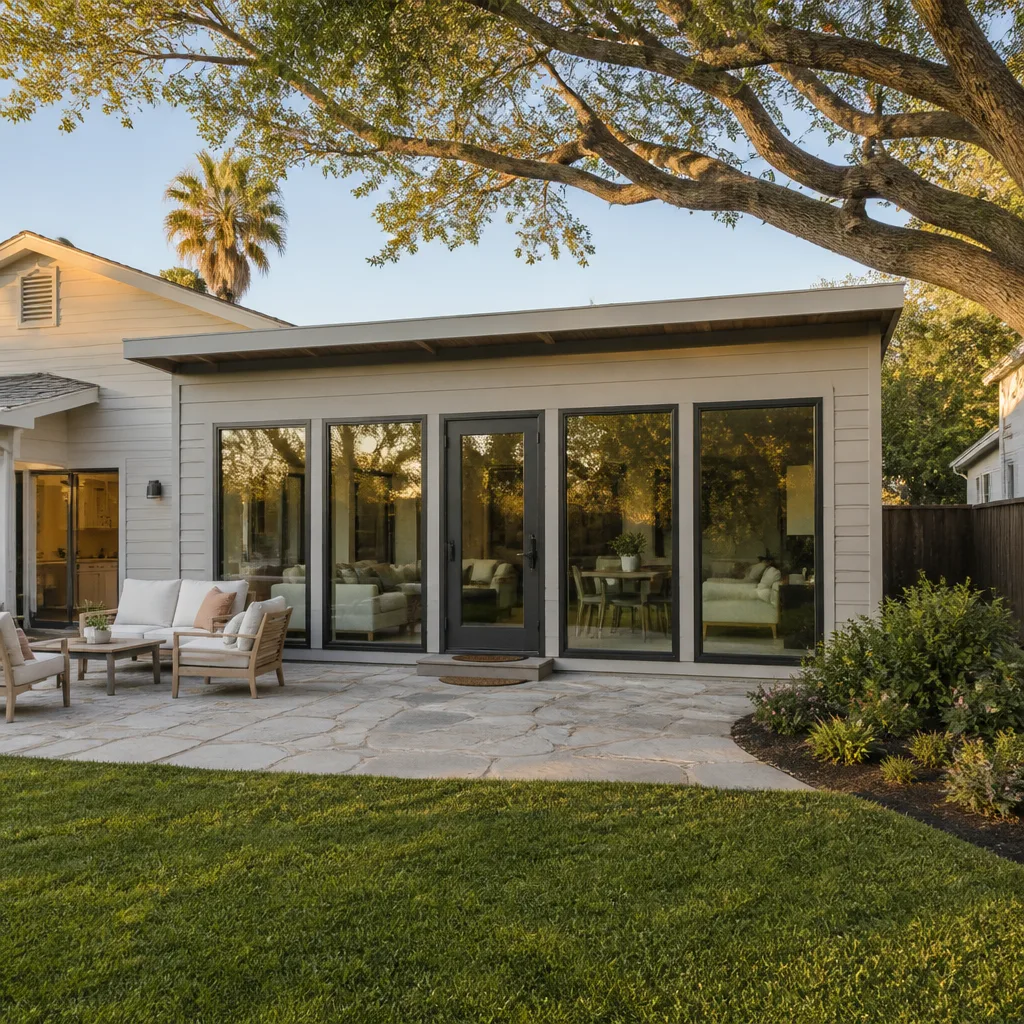
Mr. Glass products carry a Notice of Acceptance (NOA) or Miami-Dade Product Control approval that lists a design pressure rating, often somewhere between 40 and 180 psf depending on the assembly. That approval is statewide and product-specific. It does not automatically satisfy Coral Gables’ local wind zone requirements on its own. Your permit application has to show that the specific product being installed matches the specific opening in your home, at the specific height and exposure category the site falls into.
Coral Gables sits in Wind-Borne Debris Region territory, and the exposure category (B, C, or D) depends on surrounding terrain, tree cover, and building height. A product rated at 120 psf might be fine on a low-rise interior lot near the Granada Golf Course and insufficient on a waterfront property facing Biscayne Bay with no windbreak. The NOA tells you what the product can handle. The site evaluation tells you what it needs to handle. Those aren’t the same number, and the gap between them is where permit applications get kicked back.
What your general contractor owes you here:
- A copy of the NOA or product approval for every glazing assembly in the scope, not just the windows
- A site-specific wind load calculation showing the required design pressure per opening
- Confirmation that the approved product meets or exceeds the calculated requirement at every location
- A stamped engineering letter where the building department requires one
Ask for these before the deposit, not after demolition. A GC who can’t produce them in a week is telling you something.
What structural reinforcement does your glazing opening need before the glass goes in?
Glazing openings in Coral Gables homes take the full brunt of wind load, and that load transfers to the framing, the header, the king studs, and the sill plate. Impact-rated glass is heavy, sometimes 3 to 5 pounds per square foot more than standard glazing, and the rough opening has to carry it plus the wind. If the existing framing was built for 1970s single-pane aluminum, it was designed for a fraction of that load.
The reinforcement work a GC must address before installation usually includes:
- Header sizing. A new PSL or LVL header may be required where the existing header was sized for a lighter window.
- King and jack stud doubling. Impact windows and doors frequently need doubled studs at each side of the opening.
- Sill plate anchoring. Through-bolts or approved anchors at the sill, not just toe-nailed framing.
- Continuous load path. Straps and ties connecting the framing to the foundation, especially on older Coral Gables homes in the Coral Way and Riviera neighborhoods.
- Buck framing for doors. A glazed entry door needs a real structural buck, not shims against drywall.
This is where a lot of Mr. Glass installations go sideways. The product arrives and it’s excellent. The opening it goes into wasn’t upgraded, so the assembly passes wind load on paper but performs poorly under real pressure. When we quote specialty glazing, we write the reinforcement scope into the proposal line by line. That’s part of our general contracting work in Coral Gables, and it’s not optional.
How do you read a Mr. Glass spec sheet before your GC quotes the job?
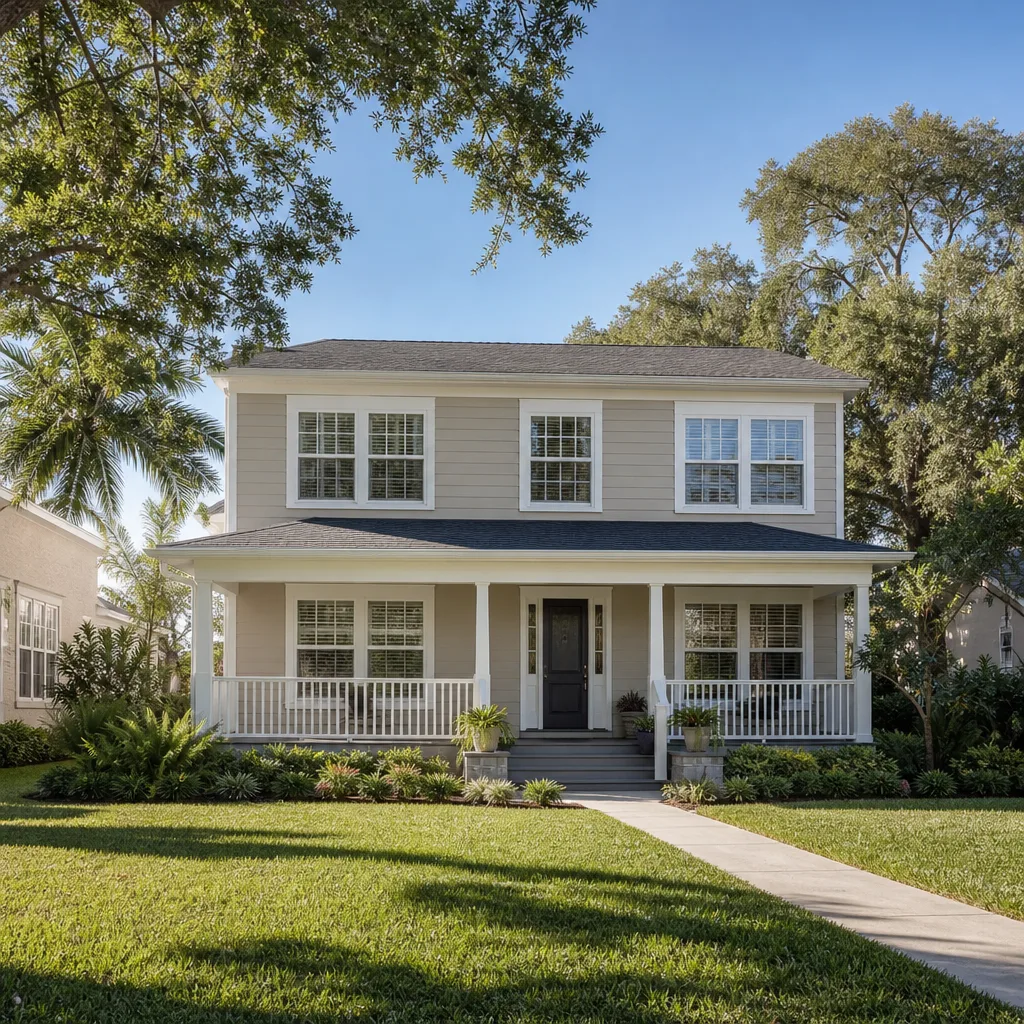
A Mr. Glass spec sheet gives you four numbers that decide whether the product fits your opening: design pressure, glass thickness, frame material and finish, and the tested size range. Most homeowners skip straight to the pretty rendering. The spec sheet is where the real answer is.
What to look for on the sheet, and what each line means:
- Design pressure (DP). Listed in psf. Match this against your site’s calculated requirement, not against the biggest number in the catalog. A DP rating that’s too high for a small opening usually means an oversized frame and a bigger price.
- Glass make-up (e.g., 7/16″ laminated). Impact-rated laminated glass is typically two panes bonded around a PVB or SGP interlayer. Thicker isn’t always better. It has to match the tested assembly.
- Frame material and thermal break. Aluminum needs a thermal break in Florida’s climate; vinyl doesn’t have the same strength range. The spec should name the exact finish and color code.
- Tested size range. A product approval only covers sizes that were tested. If your opening is larger than the maximum tested size, you need a separate engineering evaluation or a different SKU.
- Hardware and anchorage. The tested anchors are on the sheet. Substitutions are what fail inspections.
Ask your contractor to hand you the spec sheet for every line item in the quote and to walk through the four numbers with you. If they can’t, the quote isn’t squared away yet.
Which inspection hold-points apply to glazing work in Miami-Dade County?
Glazing installations in Coral Gables run through the Miami-Dade County building department, and there are held inspections at specific points that your GC has to schedule, not assume will happen. Miss one and the job stalls while you sit on an unfinished opening.
Typical hold-points on a residential glazing job:
- Rough framing inspection. After headers, studs, and load-path hardware are installed, before glazing goes in.
- Buck and anchor inspection where the building department requires one for entry doors.
- Final glazing inspection. After installation, looking at product labels, fastener patterns, weather-sealing, and shim details.
- Final building inspection. Covers the whole scope, including any drywall, trim, and finish repairs.
We pulled a set of Mr. Glass sliders out of a home near the Douglas Road corridor a while back where the previous installer skipped the rough framing inspection entirely. The product labels were right, the glass was impact-rated, but the header was original 1960s pine and never upgraded. The homeowner had paid for the kind of specialty glazing that passes wind load with room to spare, and the opening it sat in didn’t. The re-inspection required tearing the trim back, opening the wall, and redoing the header. That’s a five-figure mistake hidden inside a two-figure shortcut.
Your GC should hand you a scheduled list of inspection dates as part of the written scope. Not a verbal “we’ll take care of it.” Dates.
What should a written scope for specialty glazing include?
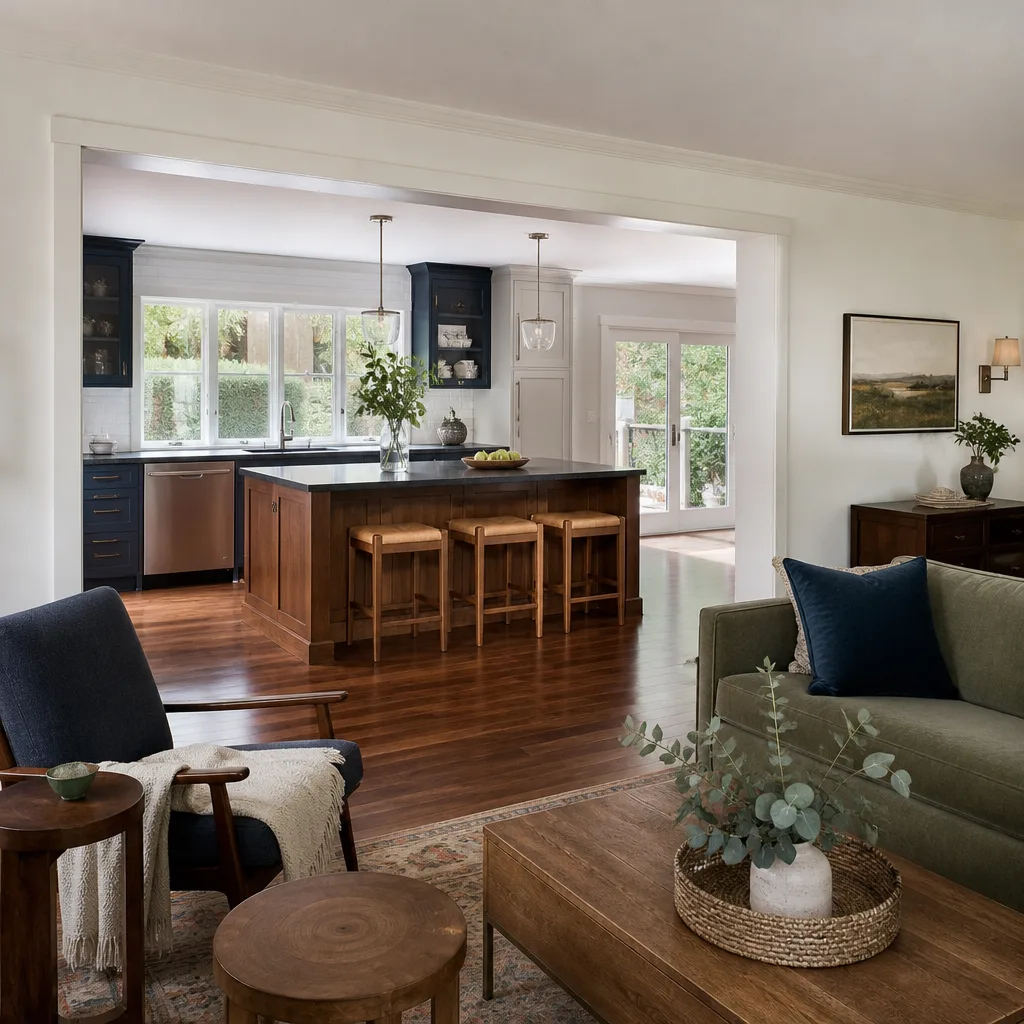
Most general contractor proposals treat glazing as a line item under “windows and doors.” That’s fine for a standard replacement. It’s not enough for specialty glazing, where the product approval, the opening reinforcement, and the inspection sequence are all tightly connected. A written scope that doesn’t spell out all three leaves the homeowner holding the risk.
What our written scope includes for every glazing installation:
- Product model and NOA number for each assembly, matched to the opening
- Site-specific wind load calculation or engineering letter
- Explicit line item for structural reinforcement (header, studs, anchors, load path)
- Live-person inspection scheduling with dates written in
- Finish carpentry and drywall repair after glazing
- Weather-sealing and flashing detail
- A fixed price, in writing, before any work starts
Every completed glazing project we finish carries the 365-Day Done Right Promise. If a window or door we installed fails to seal, operate, or stay in place within a year, we come back and correct it at no charge. Our technicians have up to 22 years of experience on this kind of work, and the premium brands we install – Therma-Tru doors, James Hardie exterior products, Kohler and Moen fixtures throughout the surrounding finishes – all have manufacturer specs and warranties behind them. That’s how the guarantee holds up over time.
If you’re also planning finish work around the glazing, our kitchen remodeling in Coral Gables and bathroom remodeling in Coral Gables teams coordinate the door and window work into the same schedule so inspection dates line up across trades. If you’re scoping exterior work too, start from the Bradford Remodeling Co Coral Gables home page and we’ll route you to the right scope.
When to call a pro
If the work touches structural framing, headers, or load-path hardware, call a licensed general contractor. Impact glazing installation is not a homeowner-friendly weekend project. The glass itself weighs 80 to 150 pounds per unit, the anchorage is code-driven, and the permit inspection depends on details a photo tutorial can’t teach. The same caution applies to anything involving rough openings, exterior flashing, or load transfers. Get a professional involved before the product ships.
Related services in Coral Gables: General Contractor in Coral Gables handles the framing, permit, and inspection side of glazing installs. Kitchen and bath updates that touch glazing openings get scoped through the kitchen remodeling and bathroom remodeling pages.
Key Takeaways
- Mr. Glass product approvals confirm what the product can handle. A site-specific wind load calculation confirms what your opening needs to handle. Both are required in Coral Gables.
- Structural reinforcement around impact glazing openings is part of the glazing scope, not a separate line item your GC finds later.
- Read the spec sheet for design pressure, glass make-up, frame material, and tested size range – before the quote is signed.
- Miami-Dade County inspection hold-points have to be scheduled by your contractor. Missing a rough framing inspection means tearing out trim later.
- A written scope spells out product, reinforcement, and inspection dates in one document, at one fixed price.
The Bottom Line
The gap between a Mr. Glass product that passes inspection and one that fails almost always lives in the installation, not in the product. Coral Gables homes carry the same wind zone pressure as other Miami-Dade properties, but the age of the framing, the surrounding tree cover, and the exposure category vary block by block. That’s why the site-specific calculation and the reinforcement scope matter as much as the NOA number. Every quote we write for specialty glazing puts the product, the reinforcement, the inspection dates, and a fixed price on one page. No numbers that move at the door. If you’re in Coral Gables and want your glazing scope squared away in writing, Bradford Remodeling Co Coral Gables offers free estimates – call (833) 510-5367.
Frequently Asked Questions
No. The product approval is necessary but not sufficient. Coral Gables permits through Miami-Dade County also require a site-specific wind load calculation and confirmation that the approved product meets the calculated design pressure at each opening. A stamped engineering letter is often required for specialty glazing. Your GC should produce all three before work starts. Call (833) 510-5367 for a free estimate that includes the wind load review.
Usually yes, especially on pre-1990s Coral Gables homes. Impact glazing adds weight to the opening and transfers wind load into framing that may have been sized for lighter windows. Header upgrades, doubled studs, and load-path hardware are common requirements. A GC who quotes glazing without reviewing the framing behind it hasn’t quoted the actual job. Call (833) 510-5367 to walk through what your opening likely needs.
Lead time for Mr. Glass products typically runs six to twelve weeks depending on model and custom sizing. Install itself is usually two to five days for a whole-home scope, plus drywall and trim repairs. The critical path is the permit review and inspection scheduling, which is why we build inspection dates into the written scope before the deposit. Call (833) 510-5367 for a scoped timeline on your project.
Not on our jobs. Every scope we write includes a fixed written price before any work starts, and there are no change orders for items already in the written scope. If the wall reveals something the scope couldn’t anticipate, like a rotted header in a 1950s Coral Gables home, that gets priced and approved before anyone touches it. Every completed project also carries the 365-Day Done Right Promise, so any failure inside the warranty period is corrected at no charge. Call (833) 510-5367 for a free estimate in writing.
Written by the team at Bradford Remodeling Co Coral Gables.
Need Construction Help?
Call Bradford Remodeling Co Coral Gables - licensed & insured, here with fast after-hours help in Coral Gables.
(833) 510-5367