
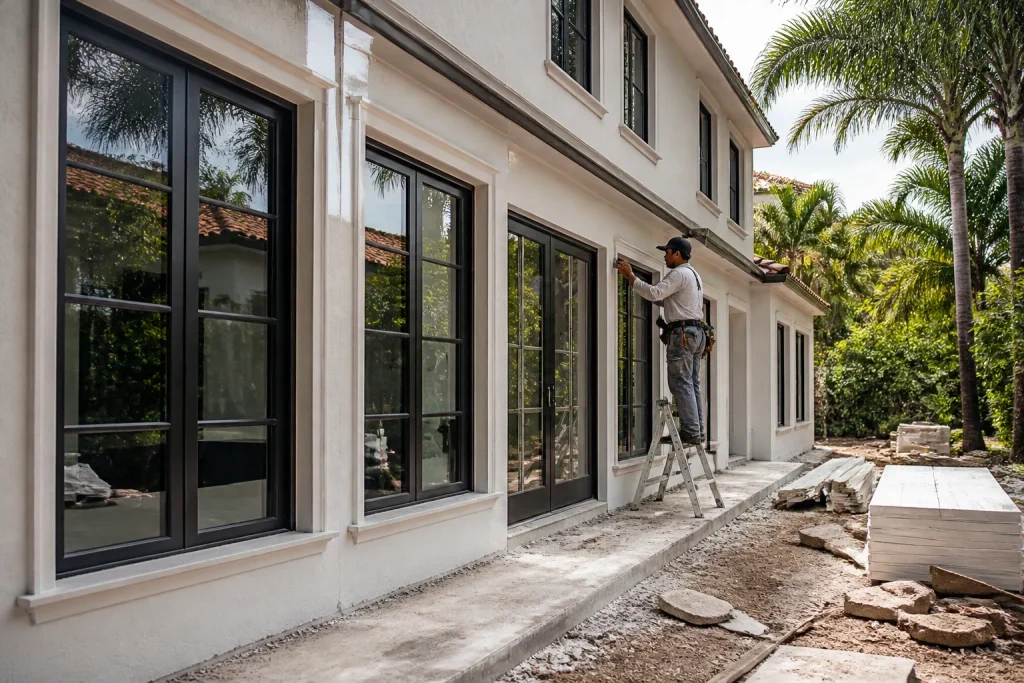
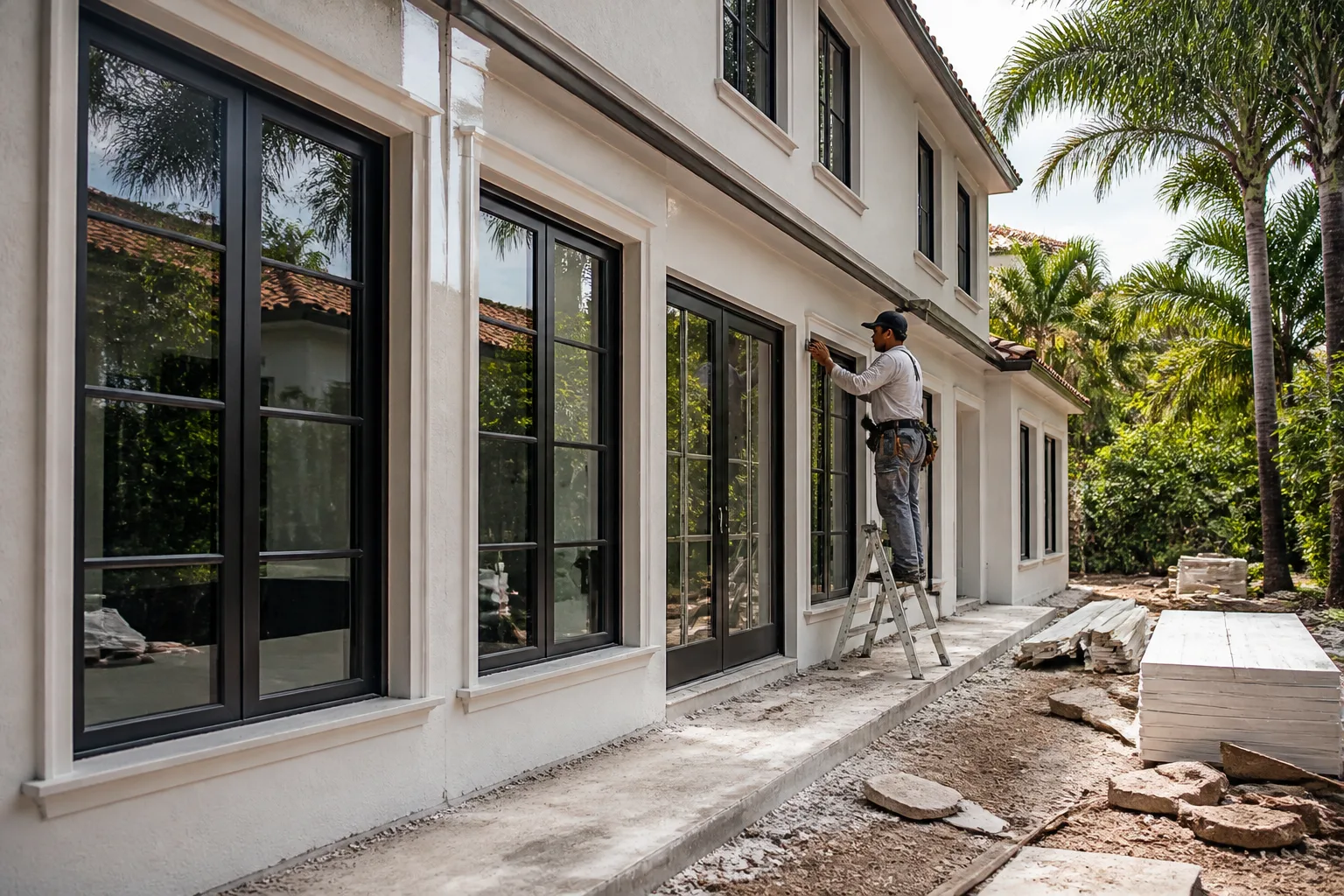
ECO Window Systems General Contractor in Coral Gables: A Homeowner’s Guide
Before you sign a general contractor’s proposal for impact windows in Coral Gables, ask for one document the GC may never have opened: the manufacturer’s installation manual. ECO Window Systems publishes theirs, and it sets tighter tolerances than many crews account for – things like substrate flatness, fastener spacing, and shim placement that determine whether your Miami-Dade approval is still valid once the window is actually in the wall. This guide covers the three specs to verify, and the questions that separate a GC who knows the product from one who doesn’t.
If you’d rather have a contractor walk you through it, call our team at (833) 510-5367 for a free estimate – we put the scope in writing before any tool comes out.
Key takeaways:
- An impact window’s Miami-Dade Notice of Approval (NOA) covers the product and the installation method – deviate from the manual and the approval no longer applies to your house.
- ECO’s manual requires specific rough-opening prep that many GCs skip on unfamiliar product lines.
- Coral Gables inspectors check installation against the approved method, not the product label on the glass.
- Ask three questions before hiring. A GC who can’t answer them hasn’t installed this product line.
What does Miami-Dade NOA approval actually mean for an ECO window?

A Miami-Dade NOA is not a sticker on the glass. It’s a document that says: this product, installed this way, in this type of opening, passed the county’s wind-borne debris testing. Change the installation method – different fasteners, different anchoring depth, a shimmed frame where the manual calls for a fully bedded one – and your window is no longer covered by that approval, even if the unit itself is identical.
ECO’s approvals differ from other impact brands in a specific way: their installation manual ties the approval to tighter tolerances on the rough opening. Where some manufacturers accept a certain amount of variance in the framing, ECO’s documentation is stricter about how square and flat the opening must be before the unit goes in. Forget that tolerance and the frame racks during fastening, the sash stops sealing correctly, and the window that “meets code on paper” doesn’t meet it in your Coral Gables wall.
We’ve pulled approvals for a dozen impact lines, and the pattern is consistent: the brands with the strongest product documentation are the ones where GCs who haven’t read the manual get into trouble. Sterling, for example, publishes a similar installation spec, and we’ve learned to check each manufacturer’s tolerance sheet before the first window goes in – not after.
The three installation specs to verify before signing the contract
Pull up the ECO install manual yourself. It’s public. Then check whether the GC’s written proposal accounts for these three items. If the scope doesn’t mention them, the price you’re quoted isn’t for a code-compliant install – it’s for a version of the job that may fail inspection.
- Rough-opening substrate prep. ECO’s manual calls for the framing to be shimmed flat and true before the unit is set, and for damaged or rotted substrate to be replaced – not patched. On Coral Gables homes built in the 1940s through 1960s, we routinely find softened wood around old window frames from years of rain exposure. Slipping a new impact unit into a soft opening voids the install.
- Fastener type, spacing, and embedment depth. The manual specifies the exact screws and the spacing along each jamb and sill. “We use impact-rated fasteners” is not the same answer. The threaded anchoring system matters, and the embedment depth matters more than most GCs realize – it’s what the inspector measures.
- Flashing and sealant schedule. The manual names the flashing method at the sill and head, and the sealant type at the perimeter. Skip the sill pan on a wind-driven rain wall and the window holds up to a hurricane but fails at the first summer afternoon storm.
Get these in the scope, in writing, before any deposit changes hands. That’s the discipline part of the job – and it’s where most proposals come up short.
How do you verify a GC actually knows the ECO product line?
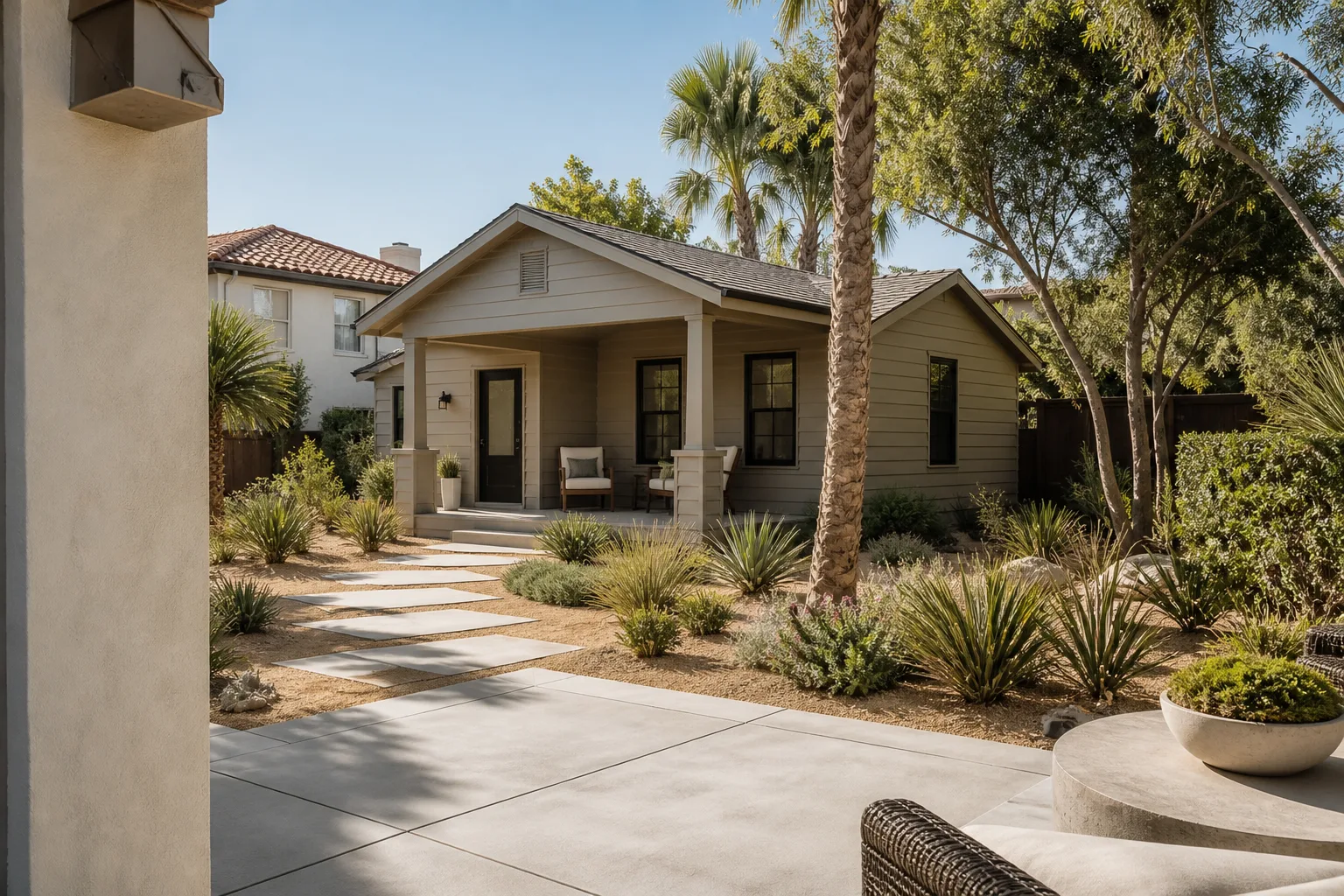
Ask three questions. A GC who has installed ECO before will answer each without reaching for a phone. A GC who hasn’t will give you a version of “we’ll figure that out on site,” which is the real answer.
- “Which NOA number applies to this unit and this opening?” Every compliant ECO installation traces to a specific Notice of Approval, and the GC should know which one covers your window and your wall assembly. If they can’t name it, they haven’t read the documentation.
- “What does the manual require for rough-opening tolerance on this model?” The answer should reference flatness and squareness, not “we make it fit.”
- “What’s your procedure when the framing is out of tolerance?” The right answer involves correcting the opening – sistering framing, adding blocking, replacing bad substrate – before the window is set. The wrong answer is “we shim it.”
We’ve seen this exact gap on a job in Coral Gables last year: a homeowner had already hired a crew who quoted the ECO product correctly but whose scope had no substrate correction line. When we pulled the trim, the sill framing was soft enough to press a thumb into. That’s the kind of thing the three questions surface before it becomes a change order.
If you’d rather not run the interview yourself, our general contractor service in Coral Gables handles the product-specific scoping as a matter of course.
What does the Coral Gables inspector actually check?
You don’t get inspected on the window’s label. The inspector either asks for or independently verifies the product approval match for the opening, then checks the installation against the approved method: fastener type and spacing, anchoring into the framing (not just the sheathing), flashing at the sill, and the perimeter seal. They measure the fasteners. They look at whether the unit sits flush and plumb in the opening. They may check the shim and blocking pattern against the manual.
What gets assumed – and shouldn’t be – is the substrate condition. An inspector can’t see it once the window is set and the trim is back. That’s precisely why the rough-opening prep is on you to verify before the job starts, not on the inspector to catch after. On Coral Gables homes we’ve opened up, water damage behind window trim is less the exception than the rule in the older sections of the city – the Fairchild-style ranch houses and the 1950s masonry builds both.
What a Bradford written scope includes that a standard GC proposal usually doesn’t
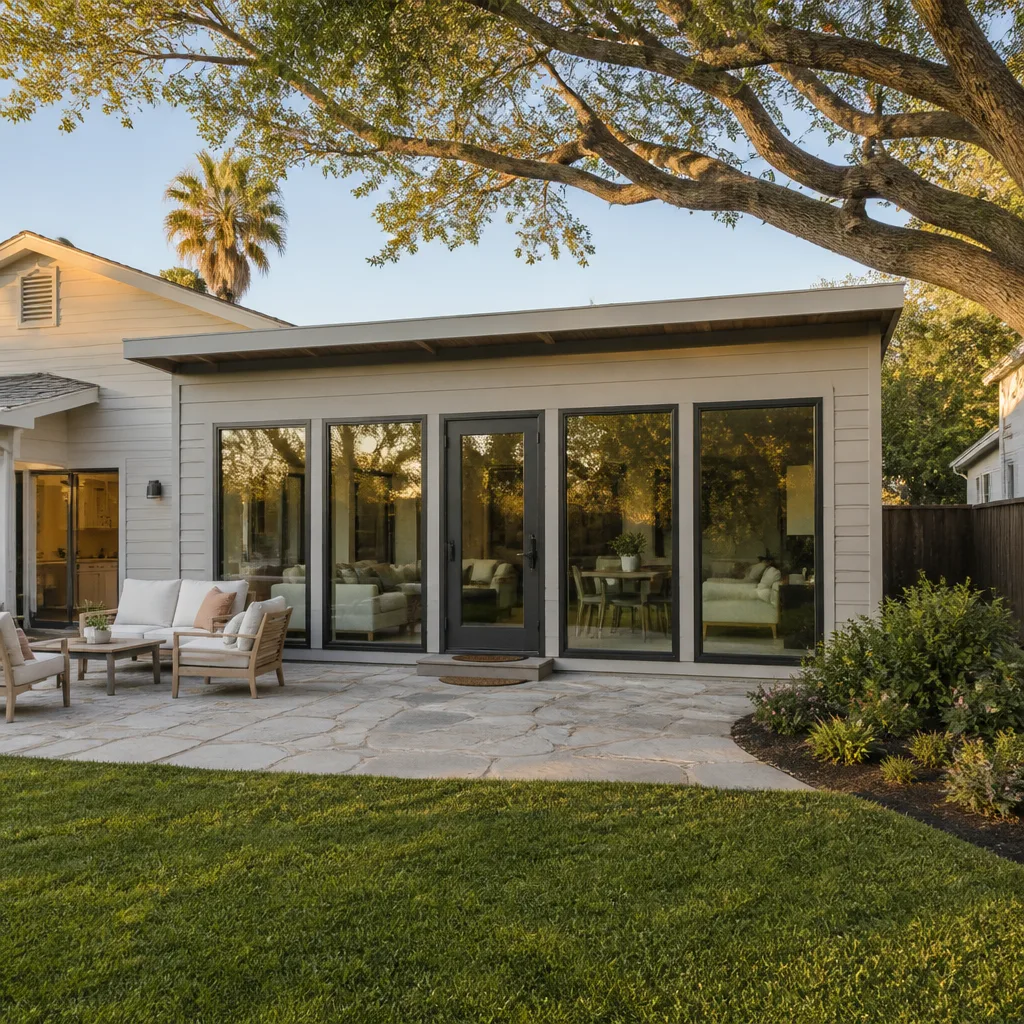
Most window proposals are transactional: unit, install, trim, done. Our written scope, under The Garrison Standard, adds the items that decide whether the install passes inspection the first time and holds through the first wet season:
- The NOA number cited by unit and opening, so the approval tie is documented, not implied.
- An explicit substrate condition line – what we’ll find, what correction is included, and what triggers a written change order (with the price on it before we start).
- Fastener schedule and anchoring spec, stated in the document, matching the manufacturer’s manual.
- Flashing and sealant schedule called out at sill, jamb, and head.
- Permit and inspection responsibility stated plainly – we pull it, we schedule the inspection, we handle the correction if the inspector wants anything addressed.
- The 365-Day Done Right Promise: if the install fails within a full year, we return and correct it at no charge. In writing, in your hand at job close.
We work with a documented roster of name-brand materials – GAF flashing products, CertainTeed sealants, and premium fixture brands like Grohe where a window project overlaps with a bath or kitchen renovation. Manufacturer specs and warranties back our own guarantee, which means the specs are traceable. That matters in Coral Gables, where a window replacement often rolls into kitchen remodeling in Coral Gables or bathroom remodeling in Coral Gables when a homeowner is already opening walls.
What happens when you call
- 1
A real person answersNo phone trees – you reach a local pro.
- 2
You get an upfront price rangeHonest numbers before anyone is dispatched.
- 3
A background-checked tech heads outLicensed & insured, dispatched right away.
- 4
You approve before work beginsNothing starts until you say go.
When to call a pro (and when to stop reading)
If you’re replacing a single window on a shed, you might get by on your own. If you’re replacing windows on a Coral Gables home built before 1970, where the framing has likely seen decades of humidity and the installation has to satisfy a Miami-Dade NOA and a local inspector, this is a job for a licensed, insured contractor. Structural openings and impact installations aren’t a weekend project – the tolerance and the inspection protocol are unforgiving.
Start with Bradford Remodeling Co Coral Gables if you want a contractor who reads the manual before the quote. Related: our bathroom remodeling and kitchen remodeling pages cover how window work fits into a larger renovation.
Related services in Coral Gables: whole-home remodeling, kitchen and bath renovation, and general contracting – each scoped under the same written-price and guarantee standard.
The Bottom Line
The ECO Window Systems product is well documented. The risk is the installation. Verify the three specs – rough-opening substrate prep, fastener schedule, flashing and sealant – get the NOA number for your opening cited in the proposal, and ask the three questions that separate a GC who has installed the product from one who is learning on your house. Every completed project under our contract carries the 365-Day Done Right Promise, a written guarantee, and a live person answers our phone 24/7. If you’re in Coral Gables and need help, Bradford Remodeling Co Coral Gables offers free estimates – call (833) 510-5367.
Frequently Asked Questions
Both. The NOA covers the product and the installation method, so if the GC deviates from the manual – wrong fasteners, wrong spacing, improper substrate prep – the approval no longer applies to your install. Cite the NOA number by unit and opening in the contract, and call (833) 510-5367 if you want an exact quote with the approval tie documented. Estimates are free.
Not without a written change order priced before the work proceeds. Our written scope states what substrate condition we expect and what triggers an addition, so you see the number before we touch it. Standard GC proposals often leave this open, which is where surprise invoices come from. Call (833) 510-5367 for a written price before work starts.
Yes. Permits and inspection scheduling are part of the scope, and if the inspector asks for correction we handle it. The inspection checks the fasteners, anchoring, and flashing against the approved installation method – not the window label – so the prep we do up front is what makes the inspection pass the first time. Call (833) 510-5367 for a free estimate.
It depends on the count and the substrate condition – a handful of windows on sound framing is a short job; a full replacement on an older Coral Gables home with soft sills takes longer because of the correction work. We give you a written timeline with the scope. Call (833) 510-5367 to schedule your free estimate.
Written by the team at Bradford Remodeling Co Coral Gables.
Need Construction Help?
Call Bradford Remodeling Co Coral Gables - licensed & insured, here with fast after-hours help in Coral Gables.
(833) 510-5367